Pet Ownership Trends 2026: Reshaping Care & Values
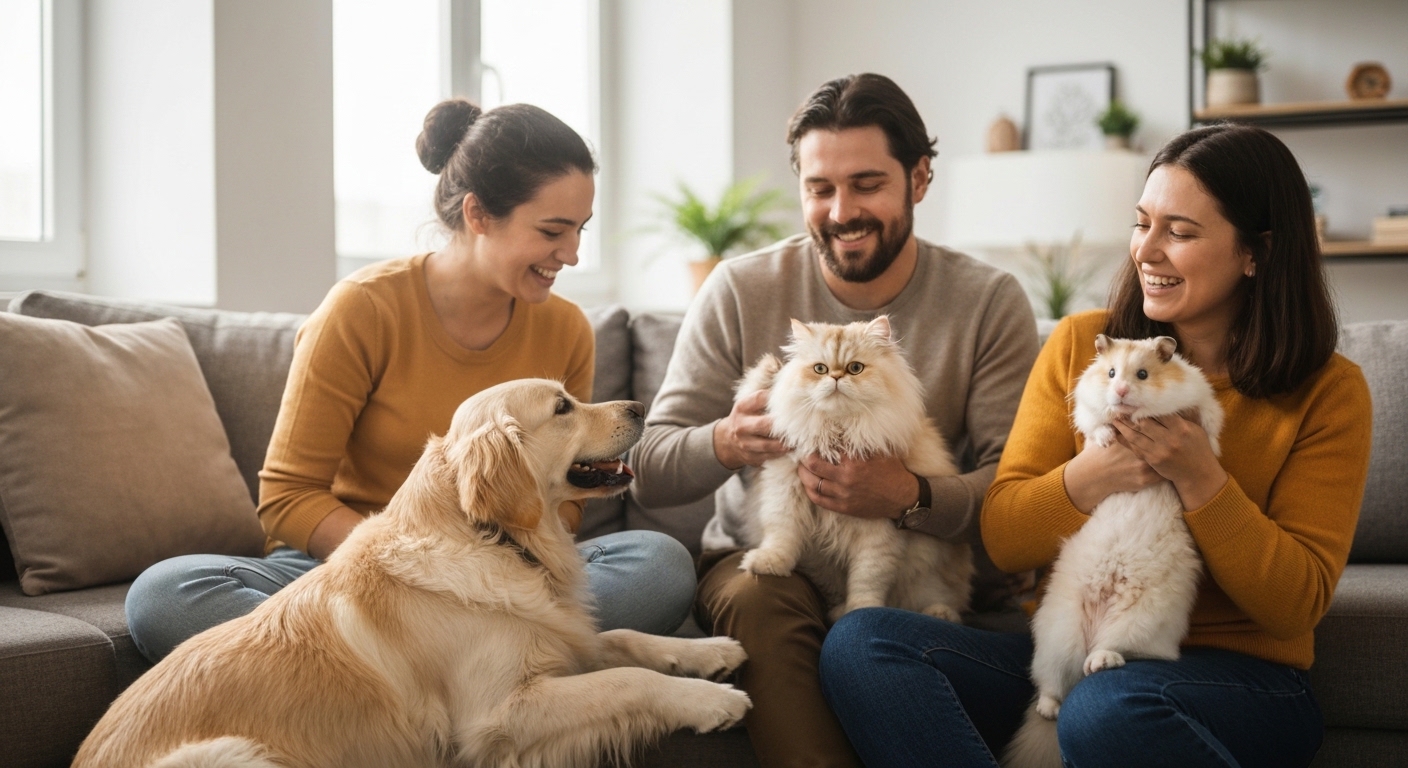
In 2026, the bond between humans and their pets is deeper and more integrated into our lives than ever before. Yet, the ways we express that bond and care for our furry, feathered, and scaled family members are undergoing a radical transformation. This article explores the key pet ownership trends for 2026, a landscape being reshaped by powerful shifts in demographics, technology, and our core values. We’re witnessing the rise of a new generation of pet parents, a pivot towards holistic wellness, a surge in eco-consciousness, and an unwavering demand for digital convenience. These trends signal a profound move towards a more intentional, integrated, and empathetic model of pet parenthood.
The New Face of Pet Parenthood: Who’s Adopting in 2026?
The foundation of every major shift in the pet industry can be traced back to one simple question: who is the modern pet owner? In 2026, the “typical” owner profile has diversified significantly, and this new demographic is driving demand for different products, services, and standards of care.
At the forefront of this change are Millennials and Gen Z. Now the largest pet-owning generations, they are approaching pet ownership with a mindset distinct from their predecessors. Many are delaying or forgoing traditional life milestones like marriage and having children, instead pouring their nurturing instincts and disposable income into their pets. These animals are not just companions; they are “starter children” or “fur babies,” treated as integral members of the family deserving of the highest level of care.
This emotional investment directly fuels the premiumization of the entire pet market. These owners are more likely to scrutinize ingredient labels, invest in preventative health measures, and spend on services that enhance their pet’s quality of life. Their digital nativity also means they expect to find, purchase, and manage their pet’s needs through seamless online platforms.
Simultaneously, the continued trend of urbanization is shaping pet ownership. As more people live in cities and smaller spaces, we see a corresponding rise in the popularity of smaller dog breeds and cats. This urban lifestyle creates a specific set of needs:
- Space-saving solutions: Vertical cat trees, wall-mounted perches, and compact, stylish crates are in high demand.
- Enrichment for confined spaces: Puzzle feeders, snuffle mats, and automated toys become essential tools to keep pets stimulated in apartments.
- Support services: The gig economy has boomed to support urban pet parents, with dog walkers, pet sitters, and daycare centers becoming indispensable.
This new generation of urban, digitally-savvy, and emotionally invested individuals is the driving force behind the evolving definition of “good” pet care. Their priorities and values are setting the agenda for the future of the industry.
From Physical Health to Holistic Well-being: A New Standard of Care
For decades, good pet care meant providing food, shelter, and basic veterinary visits. In 2026, that standard is considered the bare minimum. The prevailing trend is a move away from simply ensuring a pet’s physical health to fostering their holistic well-being, a model that gives equal weight to their mental and emotional state. This shift is a direct result of the “pet-as-family” mindset.
The Mental Health Mandate
We now understand that, just like humans, pets can experience anxiety, stress, boredom, and depression. Acknowledging this has opened up a new frontier in pet care focused on mental enrichment and emotional support. Owners are actively seeking ways to keep their pets not just physically tired but also mentally engaged. This has led to a boom in:
- Enrichment Activities: The market is flooded with snuffle mats that encourage natural foraging instincts, complex puzzle feeders that challenge a pet’s problem-solving skills, and lick mats designed to have a calming, soothing effect.
- Behavioral Support: There is a growing reliance on certified animal behaviorists and positive reinforcement trainers to address issues like separation anxiety and reactivity. Many of these services are now accessible virtually, making expert help more available than ever.
- Calming Aids: The demand for products that alleviate pet anxiety has skyrocketed. This includes everything from pheromone diffusers that mimic calming maternal scents to anxiety wraps that provide gentle, constant pressure, and a carefully regulated market for supplements like CBD and L-theanine.
Nutrition as Preventative Medicine
The conversation around pet food has evolved far beyond the “grain-free” debate of years past. Nutrition in 2026 is viewed as a cornerstone of proactive, preventative healthcare. The goal is to use diet to optimize health and prevent future problems, not just to provide basic sustenance.
Key nutritional trends include the rise of fresh and human-grade food subscriptions, which offer minimally processed ingredients delivered directly to the consumer’s door. Customization is also paramount; companies are using algorithms based on a pet’s breed, age, weight, and activity level to create personalized meal plans. Furthermore, there is a laser focus on functional ingredients. Pet food formulations are increasingly fortified with probiotics for gut health, omega-3 fatty acids for joint and cognitive support, and antioxidants to combat the effects of aging.
Paws with a Purpose: The Surge in Eco-Conscious Pet Ownership
As global consciousness around climate change and sustainability grows, it’s no surprise that these values are extending to our four-legged friends. The eco-conscious pet owner of 2026 insists that their purchasing decisions align with their personal ethics. They are keenly aware of their pet’s environmental impact—their “carbon pawprint”—and are actively seeking ways to reduce it.
This trend is forcing brands across the industry to prioritize transparency and sustainability. It’s no longer enough for a product to be effective; it must also be produced responsibly. This manifests in several key areas:
- Sustainable Materials and Packaging: There is immense pressure to move away from virgin plastics. We’re seeing a surge in dog toys made from recycled ocean plastic, cat litter from renewable sources like wood or corn, and pet beds stuffed with recycled fibers. Packaging is also under scrutiny, with a strong preference for minimal, recyclable, or compostable materials.
- Ethical Food Sourcing: The environmental footprint of pet food is a major concern. This has ignited innovation in alternative proteins, with insect-based foods gaining significant traction as a sustainable, high-protein option. Further down the line, cell-cultured (lab-grown) meat promises to offer a cruelty-free and resource-light alternative to traditional livestock farming. Beyond ingredients, owners demand transparency in supply chains, favoring brands that can verify ethical sourcing for their meat and fish.
- Reducing Waste: The principle of “reduce, reuse, recycle” is being applied to pet ownership. This includes a growing market for durable, long-lasting products designed to curb throwaway culture. We’re also seeing a rise in the popularity of compostable poop bags and a renewed interest in DIY treats and toys to minimize packaging waste. A small but dedicated community is even embracing a second-hand market for pet gear like carriers and crates.
Convenience is King: The Digital Transformation of Pet Services
In a world where you can order groceries, a car, and a last-minute hotel from your phone, pet owners now expect the same level of on-demand convenience for their animal’s needs. The digital transformation has moved far beyond simple e-commerce for food and toys; it’s now reshaping the entire pet service ecosystem, driven by the expectations of busy, digitally fluent owners.
The central theme is the removal of friction. How can we make scheduling a vet visit, booking a groomer, or getting training advice as easy as ordering a pizza? The answer lies in a suite of tech-enabled solutions that are rapidly becoming the new standard.
One of the most significant developments is the mainstream adoption of pet telehealth. What began as a niche service has become an essential tool for modern pet parents. Virtual vet consultations allow for quick triage of non-emergency issues, follow-up appointments, behavioral counseling, and convenient prescription refills, all without the stress and logistical hassle of a trip to the clinic. This not only saves the owner time but also reduces anxiety for the pet.
This “Uber-ization” extends to nearly every corner of pet care. Mobile grooming vans bring the salon to your driveway. App-based platforms connect owners with on-demand dog walkers, pet sitters, and even in-home visits from veterinary technicians for routine tasks like nail trims or administering medication.
Finally, the subscription model has proven to be the ultimate expression of convenience. What started with toy and treat boxes has expanded to encompass all recurring needs.
- Custom-portioned food arrives at the doorstep just as the previous bag runs out.
- Flea, tick, and heartworm preventatives are delivered on a precise schedule, eliminating the risk of a missed dose.
- Curated wellness boxes provide a steady supply of supplements, dental chews, and grooming supplies tailored to a pet’s specific requirements.
This model provides unparalleled convenience for the owner while creating predictable, recurring revenue for businesses—a true win-win in the modern pet economy.
Conclusion: The Future of Pet Care is Personal, Purposeful, and Proactive
The pet ownership trends for 2026 paint a clear picture of the future: a world where our relationships with our pets are deeper, and our approach to their care is more thoughtful than ever. We’ve moved beyond mere ownership into a new era of pet parenthood, driven by a new generation of owners who are more emotionally invested, ethically minded, and digitally adept.
The core shifts are undeniable. We see a holistic standard of care that addresses a pet’s mental and emotional needs alongside their physical health. We see a powerful demand for sustainability, where every purchase is a reflection of our personal values. And we see an expectation of seamless, digital convenience that integrates pet care into our busy, on-demand lives.
Ultimately, the future of the pet industry lies in serving this deeper, more considered relationship. As you navigate your own journey with your beloved companion, consider how these trends are already showing up in your choices. The future of pet care is personal, purposeful, and proactive—and it’s a better world for pets and the people who love them.
Frequently Asked Questions
What are the major pet ownership trends expected in 2026?
In 2026, pet ownership trends are characterized by a deepening human-pet bond, emphasizing holistic well-being, eco-consciousness, and digital convenience. Pet parents are increasingly seeking personalized care and services that align with their evolving values and lifestyles.
Who are the new pet owners shaping trends in 2026?
The “new face of pet parenthood” in 2026 includes a diverse range of individuals and families, often younger generations, who view pets as integral family members. This demographic prioritizes ethical sourcing, advanced health solutions, and convenience in pet care, driving demand for innovative services.
How is pet health and well-being evolving in 2026?
Pet care in 2026 is shifting from basic physical health to a comprehensive, holistic approach encompassing mental, emotional, and environmental well-being. This includes a focus on personalized nutrition, preventative care, and access to advanced veterinary technologies for a pet’s entire lifespan.
What role does sustainability play in pet ownership trends for 2026?
Eco-consciousness is a significant trend in 2026, with pet owners increasingly seeking sustainable products, ethical sourcing, and environmentally friendly services. This includes a demand for biodegradable waste solutions, organic food, and supporting brands with strong environmental and social responsibility policies.
How is technology transforming pet services and ownership in 2026?
Technology is making pet care more convenient and accessible in 2026, with a surge in digital services like telehealth for pets, online training platforms, and smart pet devices. These innovations aim to streamline pet management, enhance communication, and further strengthen the human-pet bond.