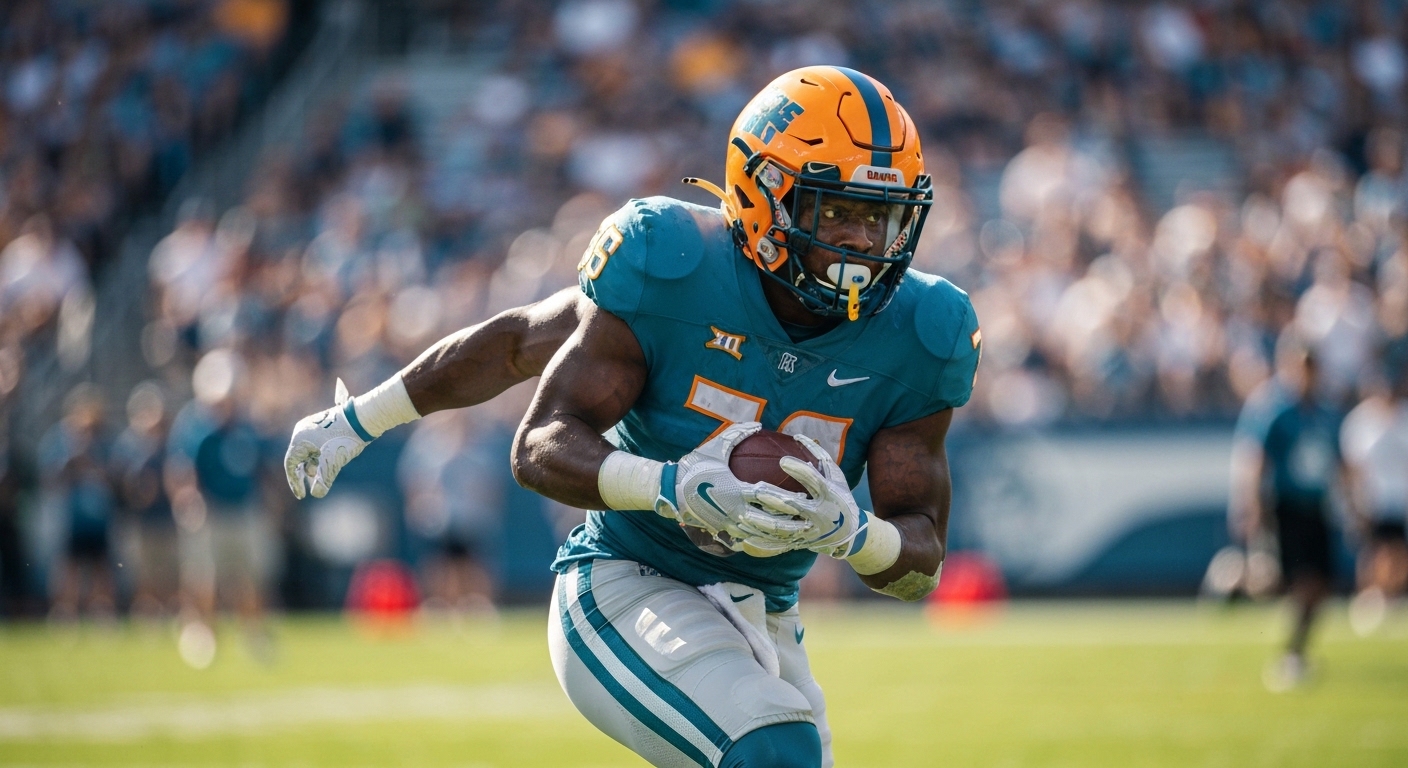
2026 College Football Spring Game Key Takeaways & Projection
The dust has settled on the practice fields, the final whistles of the spring games have blown, and the long summer wait has officially begun. For college football fans, the end of spring ball is more than just a checkpoint; it’s our first real, tangible look at the teams that will dominate the headlines this fall. We’ve moved past theoretical depth charts and recruiting hype into the world of on-field performance. This guide breaks down the most important 2026 college football spring game key takeaways that will define the race for the College Football Playoff.
Forget simple box scores. We’re diving deep into the quarterback battles that captivated the nation, the transfer portal additions already making waves, and the schematic shifts under new coaching staffs. From the established powers to the dark horses waiting in the wings, here’s what we learned from a pivotal spring season.
The Quarterback Battles That Defined the Spring
Nothing shapes a season quite like the performance of the player under center. This spring, several high-profile programs entered camp with legitimate questions at the quarterback position, and their spring games gave us our first clues about the future.
At a place like Alabama, replacing a multi-year starter is always a monumental task. The spring game in Tuscaloosa showcased a fierce competition between a highly-touted redshirt freshman with a cannon for an arm and a savvy transfer with starting experience in the Big Ten. While the freshman showed flashes of brilliance with several deep shots, the transfer displayed poise and a cleaner command of the offense, leading two touchdown drives with the first-team unit. The battle is far from over, but the veteran’s consistency may give him the edge heading into fall camp.
Meanwhile, in the Big 12, Oklahoma State’s QB battle was less about who could play and more about which dynamic style would lead the offense. Their incumbent starter, known for his dual-threat ability, was pushed by a pocket-passer with incredible accuracy in the short-to-intermediate game. The spring game saw the offense look drastically different depending on who was taking snaps, leaving fans and analysts wondering if a two-QB system could be in the works to maximize the team’s offensive potential. These unresolved battles create some of the most compelling storylines to watch as we get closer to September.
Transfer Portal Superstars: Instant Impact Players to Watch
The transfer portal has fundamentally re-engineered how championship rosters are built. No longer just a place for quarterbacks seeking a second chance, the portal is now a critical tool for plugging holes and adding elite, game-ready talent at every position. This spring provided a showcase for the players poised to make an instant impact.
In the SEC, one of the biggest stories was a dominant All-American defensive end who made the jump from a Group of Five powerhouse to an SEC contender. Throughout his new team’s spring practices, he was reportedly “unblockable,” and he proved it in the spring game with three “sacks” and a forced fumble. His presence has transformed the entire outlook for that team’s defensive front.
Out on the West Coast, a new-look USC team is counting on a transfer running back from the ACC to bring a new level of physicality. After flashing his all-purpose skill set in the spring game—racking up over 100 total yards and a touchdown—it’s clear he will be the focal point of the offense. Similarly, a ball-hawking safety who transferred from Michigan to Penn State immediately took over as the leader of the secondary, directing traffic and snagging an interception in the Blue-White Game. These players aren’t just filling roster spots; they are immediate, culture-changing difference-makers.
Deep Dive: Key Takeaways from Top Programs’ Spring Games
While overarching themes are important, the devil is in the details. Here’s a closer look at what we saw from some of the nation’s premier programs during their spring showcases.
LSU: The Lane Kiffin Era Begins
Arguably the most-watched coaching move of the offseason was Lane Kiffin’s blockbuster move from Ole Miss to LSU. All eyes were on Baton Rouge for the spring game to get a first taste of his high-octane offense.
- Offensive Identity: The tempo was immediately noticeable. The Tigers operated at a blistering pace, a stark contrast to previous years. The playbook featured a heavy dose of pre-snap motion, RPOs, and creative formations designed to create mismatches.
- QB1 Looks Comfortable: LSU’s returning starting quarterback looked tailor-made for the new system. He was decisive, got the ball out quickly, and showed no hesitation in taking deep shots when the defense gave him a one-on-one look.
- Lingering Questions: While the offense sizzled, the defense showed some vulnerability, particularly in the secondary. Giving up several explosive plays is a concern Kiffin and his staff will need to address before facing a brutal SEC schedule.
Ohio State: Reloading the Arsenal
The Buckeyes’ spring game was a familiar story: an embarrassment of riches at the skill positions. However, the real focus was on the trenches and the new quarterback tasked with distributing the ball to all those weapons.
- Wide Receiver U is Alive and Well: Even with two receivers projected to go in the first round of next year’s draft, the next men up looked like superstars in the making. A true freshman receiver was the talk of the game, hauling in two spectacular touchdown catches.
- O-Line in Flux: The offensive line, which features three new starters, was a mixed bag. The first-team unit provided decent protection but struggled to generate consistent push in the running game against a talented defensive line. Their development will be the team’s most critical variable.
- Defensive Speed: The defense, now in its third year under the same coordinator, played with tremendous speed and confidence. The linebackers, in particular, flew to the ball and looked like one of the best units in the country.
Georgia: The Defensive Standard
In Athens, the expectation is not to rebuild, but to reload. The G-Day game was another testament to the Bulldogs’ elite talent evaluation and development, especially on the defensive side of the ball.
- Dominant D-Line: Despite losing two starters to the NFL, Georgia’s defensive line looked like the best in the nation. They were disruptive in both the run and pass game, with a sophomore defensive tackle emerging as the next potential top-10 pick from the program.
- Offensive Efficiency: The offense won’t always be flashy, but it is brutally efficient. The starting quarterback was sharp, the stable of running backs ran hard, and the tight ends were once again matchup nightmares.
- Special Teams Focus: It was clear that special teams was a point of emphasis this spring. The coverage units were disciplined, and the team showcased a dynamic new punt returner who looks poised to flip field position all season long.
Texas: Building on SEC Momentum
After a strong showing in their first few SEC seasons, the Longhorns entered spring with sky-high expectations. Early reports from spring practice, including from outlets like Dave Campbell’s Texas Football, have been glowing, and the spring game did little to dampen the hype.
- QB-WR Connection: The connection between the returning starting quarterback and his top receiver looked unstoppable. They connected for two long touchdowns, showcasing timing and chemistry that can only be built through countless reps.
- Depth in the Trenches: For the first time in years, Texas appears to have legitimate, quality depth along both the offensive and defensive lines. The second-team units held their own and showed that the program is built to withstand the week-in, week-out grind of the SEC.
- Aggressive Defense: The defense swarmed to the football, generating multiple turnovers and showing a knack for making plays behind the line of scrimmage.
Under-the-Radar Teams Showing Promise
Championships aren’t just won by the blue bloods. Every year, a few surprising teams emerge to shake up the conference races. This spring, several programs outside the traditional top 10 showed signs that they could be this year’s dark horse.
One of the most intriguing stories is brewing in Colorado. After the initial splash of the Coach Prime era, the Buffaloes’ spring game showcased a team that is becoming more complete. The focus was less on flashy skill players and more on substance, with observers noting a marked improvement in offensive and defensive line play. This newfound toughness in the trenches could make them a legitimate threat in the Big 12.
In the state of Texas, programs like UTSA and Houston are generating significant buzz. According to analysis from the Dave Campbell’s College Football Podcast, both teams had exceptionally productive springs. UTSA is reloading behind a dynamic offense, while Houston’s new defensive scheme has players flying around and making plays. Don’t be surprised if one of these Lone Star State programs finds itself in the expanded playoff conversation come November.
In the ACC, keep an eye on NC State. Their spring game highlighted what could be one of the most experienced and formidable defenses in the country, led by a punishing front seven. If their offense can be consistently average, that defense is good enough to win them a lot of football games.
Final Thoughts: What Spring Games Mean for the 2026 Season
As we close the book on spring practice, a few clear themes have emerged. The quarterback position remains the ultimate X-factor, with both resolved and ongoing battles setting the stage for fall. The transfer portal continues to act as a massive accelerant for roster construction, allowing teams to patch holes with elite, plug-and-play talent. Finally, the impact of the nearly quarter of FBS programs with new head coaches and schemes is already being felt, promising a shake-up of the established order.
It’s important to maintain perspective—it’s only spring, and no championships are won in April. A vanilla playbook or a star player held out for precautionary reasons can skew perceptions. However, we can’t ignore the clues we were given. Ultimately, these 2026 college football spring game key takeaways provide the first real roadmap for the season ahead, separating contenders from pretenders and giving us endless fuel for debate until kickoff. The countdown to Week 1 is on.
What were your biggest takeaways? Which team impressed you the most? Share your thoughts in the comments below
Frequently Asked Questions
What were the biggest takeaways from the 2026 college football spring games?
The 2026 spring games offered crucial insights into team dynamics, emerging talent, and potential challenges for the upcoming season. Key themes included the solidification of new coaching schemes, the impact of transfer portal additions, and the early frontrunners in several critical position battles. These games provided a valuable, albeit preliminary, look at the landscape for 2026.
Which quarterback battles were most significant during the 2026 spring season?
Several high-profile quarterback competitions dominated headlines during the 2026 spring games, with many programs still evaluating their starters. These battles often involved a mix of returning veterans, promising freshmen, and impactful transfers, setting the stage for intense competition through fall camp. The outcomes of these contests will significantly shape team offenses for the 2026 season.
How did transfer portal players impact teams during the 2026 spring games?
Transfer portal superstars demonstrated their immediate impact across various programs during the 2026 spring games. Many new arrivals quickly integrated into their new systems, showcasing their potential to fill critical gaps or elevate team performance. Their performances offered early glimpses into how these instant-impact players could reshape rosters and influence championship aspirations.
Were any under-the-radar teams showing surprising promise in the 2026 spring games?
Yes, several under-the-radar teams emerged from the 2026 spring games showing unexpected promise and potential. These programs often displayed improved depth, a more cohesive unit, or standout individual performances that suggest they could exceed expectations in the fall. Their strong spring showings indicate they might be dark horses to watch in the upcoming season.
What is the overall significance of the 2026 college football spring games for the upcoming season?
The 2026 college football spring games serve as a vital preliminary assessment for the upcoming season, offering the first real look at team chemistry, new schemes, and player development. While not fully indicative of fall performance, they provide crucial data points for coaches and fans alike. These games help set expectations, identify areas for improvement, and build excitement for the 2026 campaign.