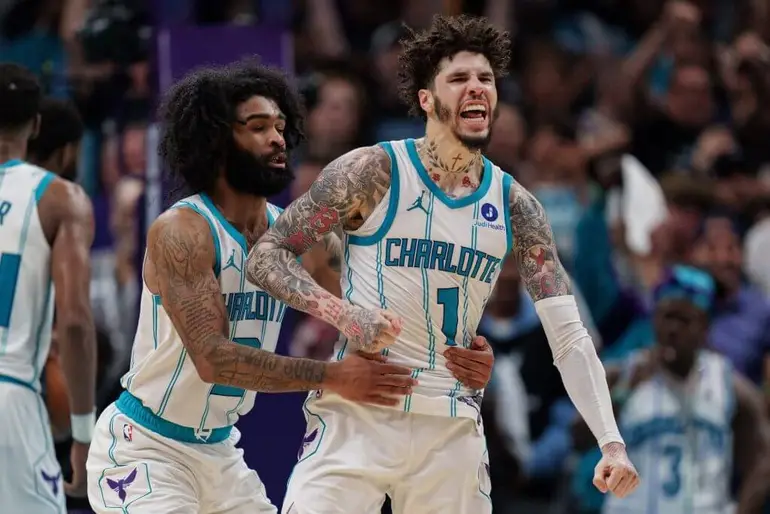
The Portland Trail Blazers and Charlotte Hornets secured thrilling victories in the 2026 NBA playin tournament, dramatically shifting the postseason bracket. Portland erased an 11-point fourth-quarter deficit to defeat the Phoenix Suns 114-110, while Charlotte survived a tense 127-126 overtime battle against the Miami Heat.
Key Takeaways:
Blazers 114, Suns 110: Deni Avdija dropped 41 points and 12 assists, hitting the game-winning and-one layup with 16.1 seconds left.
Hornets 127, Heat 126 (OT): LaMelo Ball recorded 30 points and hit the go-ahead layup with 4.7 seconds remaining, sealed by a Miles Bridges buzzer-beating block.
Playoff Impact: Portland clinches the West No. 7 seed to face San Antonio. Charlotte advances to play the 76ers-Magic loser. Miami is eliminated.
What happened in the Blazers–Suns and Hornets–Heat play‑in games?
How did the Blazers–Suns game unfold from start to finish?
Early lead and offensive rhythm for the Suns
The Phoenix Suns established an early offensive rhythm, taking a 33-31 lead after the first quarter. Jalen Green controlled the tempo. He dictated offensive flow, scoring 16 of his 35 points in the first half to exploit Portland's initial drop coverage. By pushing the pace, Phoenix generated high-percentage transition looks before Portland's defense could set.
Portland’s slow start, then late‑game surge in the third and fourth quarters
Despite a sluggish start from deep, Portland dominated the second quarter to build a 55-41 advantage. However, Phoenix answered with a massive 11-0 run in the third quarter, capitalizing on Portland shooting just 1-of-11 from three-point range. The Suns built a 93-83 advantage, but the Blazers mounted a systematic fourth-quarter comeback by attacking the paint and drawing high-value fouls.
Final‑minute sequence: Blazers’ 17–5 run capped by Deni Avdija’s and‑one layup
The biggest factor was late-game shot execution. Portland mounted a relentless run to erase an 11-point deficit in the final frame. Trailing 110-109 with under 20 seconds left, Deni Avdija absorbed contact on a physical drive, finishing the layup and hitting the free throw. Matisse Thybulle then stripped Jordan Goodwin on the ensuing possession to seal the 114-110 win.
How did the Hornets–Heat thriller play out?
Back‑and‑forth scoring, 16 lead changes, 17 ties, and near‑50% shooting by both teams
The Hornets vs Heat matchup delivered relentless offensive execution. The game featured 16 lead changes and 17 ties, with both rosters shooting near 50% from the floor. Charlotte and Miami traded efficient possessions, utilizing high pick-and-rolls to consistently break down the opposing defense and generate open corner threes.
Miami’s 19–4 run to take the lead late in the fourth
Miami dominated the late stages of regulation. Fueled by Andrew Wiggins (27 points) and Davion Mitchell (28 points), the Heat ripped off a massive run to flip the momentum. They exploited Charlotte's transition defense, generating easy layups and open perimeter shots to build a late advantage before the Hornets stabilized their rotation.
Coby White’s clutch three and LaMelo Ball’s game‑winning layup in overtime (4.7 seconds left)
Coby White saved Charlotte's season. He hit a turnaround three-pointer with 10.8 seconds left in regulation to force overtime. In the extra period, after Tyler Herro gave Miami a 126-125 lead, LaMelo Ball drove the right lane and converted a leaning layup with 4.7 seconds remaining. Miles Bridges then blocked Mitchell’s buzzer-beater attempt to secure the victory.
What were the key turning points in each game?
Blazers’ fourth‑quarter run that erased an 11‑point Phoenix lead
Portland flipped the game by changing their defensive scheme. They deployed aggressive trapping against Devin Booker, forcing the ball out of his hands and neutralizing Phoenix's primary actions. This defensive pressure fueled Portland's transition offense, allowing them to systematically erase the 11-point deficit.
Hornets’ ability to erase a 16‑point deficit and force overtime
Charlotte survived because of offensive persistence. After falling behind by double digits, they increased their offensive pace and repeatedly attacked the rim. This downhill pressure forced Miami into rotation mistakes, yielding the open perimeter looks that allowed Charlotte to claw back into the game.
Critical defensive stops and offensive choices in the final possessions
Defense dictated the final outcomes. Bridges' chase-down block on Mitchell prevented Miami from stealing the win in overtime. In Phoenix, Thybulle's strip on Goodwin denied the Suns a final shot attempt. These crucial defensive stops validated both teams' late-game rotational choices.
Why did the Blazers clinch and the Hornets survive?
Which strategies or tactics made the difference?
Blazers’ pick‑and‑roll execution and ball movement vs. Suns’ perimeter‑focused attack
The Blazers won because of superior ball movement. They utilized high pick-and-roll actions with Avdija to force switches, allowing him to attack smaller guards in the paint. Conversely, the Suns relied heavily on isolation plays and perimeter jump shots, which faltered against Portland's late-game ball pressure.
Hornets’ spread‑floor offense and late‑game isolation for Ball vs. Heat’s defensive‑style identity
In the Hornets vs Miami clash, spacing determined the outcome. Charlotte deployed a 5-out, spread-floor offense to stretch Miami's help defense. This spacing allowed Ball to isolate against slower defenders on the perimeter and drive downhill, bypassing the Heat's traditional interior anchors.
Role of bench contributions (White, reserves) in stretching the game
Bench scoring bridged the gap. Coby White contributed 19 points off the bench, stretching the floor with crucial three-pointers. His perimeter threat forced Miami's defense to rotate wider, opening driving lanes for the starting backcourt and providing essential secondary scoring.
How did each team execute their game plan?
Offensive efficiency and shot selection: spacing, three‑point volume, and drive‑and‑kick
Shot selection separated the winners from the losers. The Hornets prioritized drive-and-kick sequences, generating high-percentage corner threes that stretched Miami's defense. The Blazers focused on attacking the rim, earning trips to the free-throw line during the final minutes rather than settling for contested jumpers.
Defensive schemes and adjustments: switching, pick‑and‑roll coverage, and late‑game trapping
Defensive adjustments swung momentum. Portland shifted to a switch-all scheme in the final five minutes, disrupting the Suns' off-ball screens. This adjustment neutralized Phoenix's primary actions and forced them into low-percentage, late-clock heaves.
Who were the standout performers and why?
Which players had the biggest impact?
Deni Avdija’s 41‑point, 12‑assist masterpiece and playoff‑style leadership
Deni Avdija delivered a historic performance. He recorded 41 points and 12 assists, operating as Portland's primary offensive engine. He dictated offensive flow, created scoring opportunities for teammates, and forced defensive adjustments that opened space across the court.
Jrue Holiday’s steadying presence and late‑game poise for Portland
Jrue Holiday anchored the backcourt. He scored 21 points and provided critical on-ball defense against Phoenix's perimeter stars. His veteran composure stabilized the Blazers during the Suns' third-quarter run, ensuring the offense remained structured under pressure.
LaMelo Ball’s 30‑point, 10‑assist heroics and signature game‑winning drive
LaMelo Ball commanded the offense in the Hornets vs Heat matchup. He tallied 30 points and 10 assists, consistently breaking down Miami's primary defenders off the dribble. His final isolation drive demonstrated elite body control and situational awareness.
Coby White’s three‑point dagger and secondary scoring punch for Charlotte
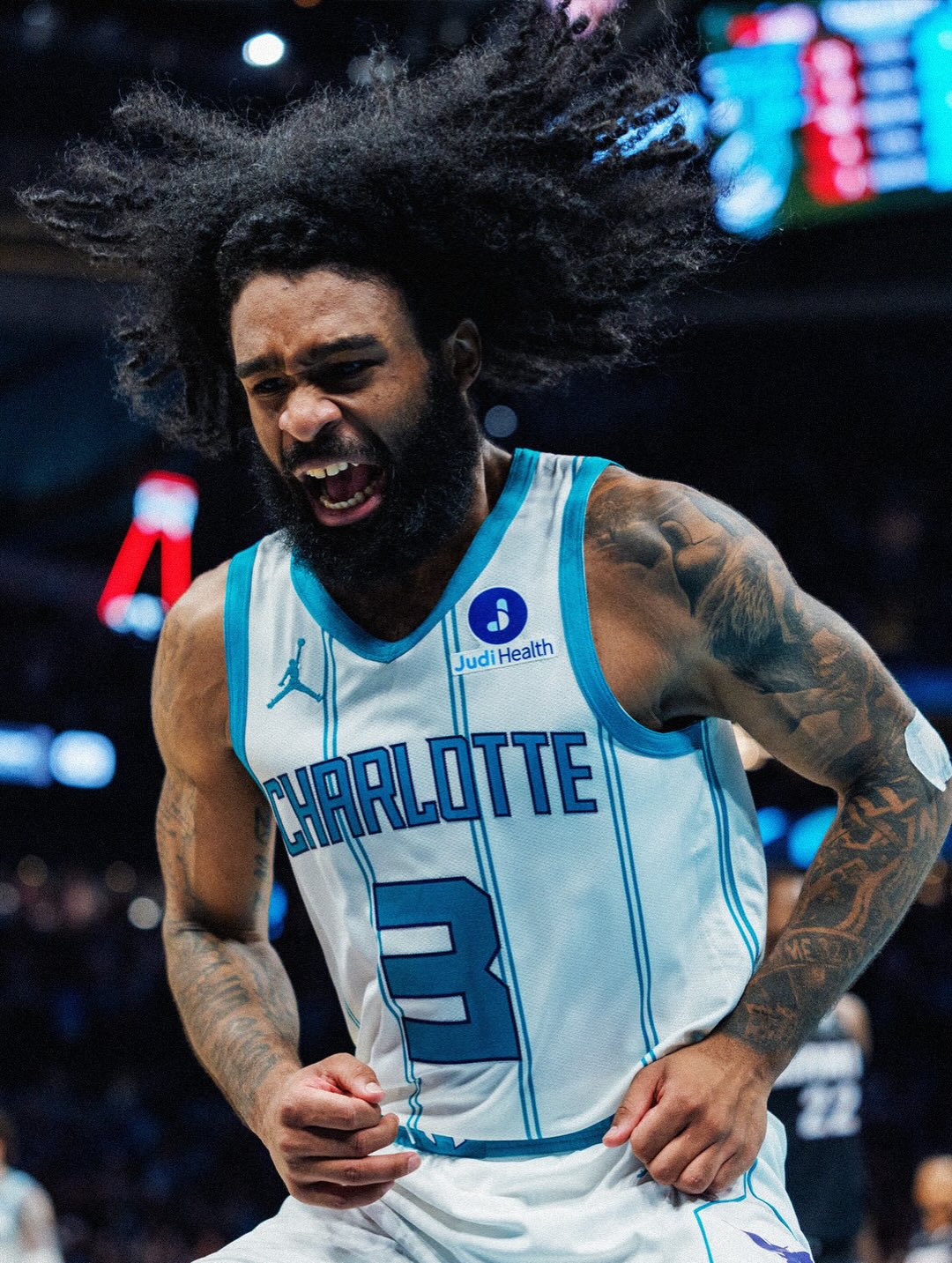
Coby White provided the necessary perimeter gravity. He scored 19 points and hit crucial three-pointers, punishing the Heat whenever they collapsed on Ball's drives. His quick release on the game-tying shot saved Charlotte's season.
Who underperformed and what went wrong?
Suns’ perimeter defenders and late‑game decision‑making vs. Portland’s offense
The Suns failed defensively. They surrendered wide-open driving lanes in the fourth quarter, routinely losing track of cutters and failing to contain straight-line drives. Their late-game shot selection deteriorated into contested isolation jumpers.
Heat’s defensive breakdowns and late‑minute fouls in the final sequence
Miami struggled with foul discipline. They committed unnecessary reaching fouls late in regulation and overtime, allowing Charlotte to score with the clock stopped. Tyler Herro's foul on LaMelo Ball late in overtime highlighted their defensive impatience.
Efficiency issues for Ball and others despite high‑volume usage
Despite the high scoring, efficiency remained a concern. Ball required a high volume of attempts to reach his 30 points, shooting below his season average from the perimeter. This volume-heavy approach occasionally stalled the offense, allowing Miami to stay within striking distance.
Key stats and efficiency metrics for core players
Avdija’s shooting splits, usage, and plus‑minus
The biggest factor was shot efficiency. Avdija posted elite shooting splits, converting heavily at the rim and drawing fouls to boost his True Shooting percentage. His high usage rate correlated directly with Portland's offensive rating spikes in the second half.
Ball’s points, assists, and three‑point efficiency
Ball functioned as a dual threat. He generated over 50 points through his scoring and assists, though his three-point efficiency hovered around 33%. His ability to collapse the defense mitigated his perimeter shooting struggles, keeping the offense functional.
Overall team offensive and defensive ratings in each contest
Both games featured elevated offensive ratings. The Hornets vs Heat game exceeded 1.2 points per possession, reflecting elite shot-making and porous transition defense. Portland's defensive rating in the fourth quarter dropped drastically, representing their lockdown execution when the season was on the line.
Decision‑making and clutch moments
Late‑game shot selection and ball movement
Portland maximized their final possessions. They recorded assists on four of their last five baskets, demonstrating trust in their offensive system rather than reverting to isolation plays. This unselfish approach yielded high-percentage looks.
Foul‑line decisions and defensive rotation calls
Charlotte optimized their clock management. Head coach Charles Lee opted against fouling while trailing late in regulation, trusting his defense to secure a stop and executing a perfectly drawn play for White's tying three.
What strengths and weaknesses were revealed?
What did the winning teams do well?
Blazers’ offensive cohesion and defensive resilience in the fourth quarter
The Blazers showcased mental toughness. They maintained their offensive sets despite trailing by 11 points, systematically exploiting mismatches rather than rushing quick shots. This resilience prevented the game from slipping out of reach.
Hornets’ ability to stay competitive and hit big shots in pressure moments
Charlotte proved their clutch execution. They answered every Miami run with disciplined basketball, hitting contested jumpers late in the shot clock to shift the momentum back in their favor. Their composure under pressure defined the Hornets vs Heat outcome.
Bench production and defensive intensity
Reserve units provided necessary stability. Charlotte's bench outscored Miami's secondary unit, maintaining the scoring pace while the starters rested. This production kept the starting rotation fresh for the overtime period.
What issues must the losing teams fix?
Suns’ defensive lapses and inability to protect leads
Phoenix lacked structural discipline. They surrendered wide-open driving lanes in the fourth quarter, highlighting a severe lack of communication during defensive switches. Their inability to secure defensive rebounds extended Portland's possessions.
Heat’s late‑game execution and foul‑management
Miami struggled with situational awareness. They failed to secure crucial defensive rebounds in overtime and committed fouls that gifted the Hornets easy points at the line. This lack of discipline ultimately cost them their season.
Bench contribution and team depth
Role of reserves and mid‑season additions in key moments
Depth separated the rosters. Coby White, acquired in a mid-season trade, provided the exact perimeter scoring Charlotte lacked in previous years. Conversely, Miami's reliance on their starting core left them visibly fatigued in overtime.
How depth affected rotations and stamina
The Suns played a tight rotation. This heavy minute burden on their primary stars resulted in flat jump shots and sluggish defensive closeouts during the final five minutes of the fourth quarter, allowing Portland to exploit their exhaustion.
Turnovers, defense, and shot selection issues
Turnover counts and bad‑shot decisions
Turnovers derailed the losing teams. Miami committed crucial late-game turnovers that translated directly into Charlotte transition points, repeatedly halting their offensive momentum during critical stretches.
Defensive breakdowns and lack of rim‑protection
Phoenix lacked interior presence. Without elite rim protection, they were unable to deter Avdija's physical drives, allowing Portland to generate high-percentage looks at the basket.
What does this mean for NBA standings and playoffs?
How does this affect Western and Eastern Conference rankings?
Blazers earning the West No. 7 seed vs. San Antonio
The Blazers secured the seventh seed. They will advance to face the second-seeded San Antonio Spurs in the first round of the NBA playoff bracket. This matchup represents a significant milestone in their rebuilding process.
Suns’ drop to lower‑seeded play‑in status
Phoenix now faces elimination. They drop to the lower-bracket game, where they must defeat the winner of the Clippers-Warriors matchup to secure the eighth seed and keep their season alive.
Hornets staying alive in the East play‑in race vs. 7–8 winner
The Hornets vs Heat result eliminated Miami. Charlotte advances to play the loser of the Magic-76ers game for the final spot in the Eastern Conference playoffs.
What are the implications for upcoming playoff games?
Strength of schedule and key matchups ahead
Portland faces a grueling matchup. The Spurs present a significant frontcourt challenge, requiring the Blazers to maintain their physical interior defense over a seven-game series.
Playoff‑style adjustments and strategic preparation
Charlotte must refine their transition defense. Facing either Philadelphia or Orlando will require better ball security and more disciplined rotations to avoid early deficits that characterized the early stages of their play-in victory.
What are common misconceptions about these games?
What narratives are misleading or exaggerated?
Over‑simplifying “hero ball” vs. team execution
Many attribute these wins solely to individual brilliance. While Avdija and Ball posted massive scoring totals, their success stemmed from complex screening actions and precise spacing that allowed them to operate one-on-one.
Undervaluing defensive and role‑player contributions
Role players dictated the margins. Thybulle's final steal for Portland and Bridges' block for Charlotte provided the necessary foundation for their stars to close the games. These plays are often overshadowed by massive scoring lines.
What does the data actually show?
Advanced stats vs. surface‑level highlights
The data highlights structural advantages. Advanced metrics show Portland dominated the rebounding percentage in the fourth quarter, limiting Phoenix to one shot per possession during their comeback.
Context behind viral moments and plays
Viral highlights often lack context. Ball's game-winning drive in the Charlotte vs Miami matchup was made possible because Miami's defense was over-extended, respecting the perimeter shooters stationed in the corners.
What happens next for these teams and players?
What adjustments should be made?
Tactical evolution and roster tweaks
Phoenix must overhaul their pick-and-roll defense. They need to integrate more aggressive hedging to prevent guards from walking into rhythm jump shots.
Coaching and rotation changes
Miami faces offseason questions. The early exit highlights the Heat's need for an injection of youth and perimeter athleticism to compete in an increasingly fast-paced conference.
Is this performance sustainable?
Injury considerations and player health
Stamina remains a concern. Bam Adebayo exited with a lower back injury after being tripped by Ball, altering Miami's interior defense. Meanwhile, Portland must manage Jerami Grant's workload following his recent return from a calf injury.
Long‑term implications for team development and legacy
These games define career trajectories. Avdija's 41-point outburst establishes him as a legitimate primary option, fundamentally altering Portland's long-term rebuilding timeline.
How will this impact future playoff performances?
Playoff‑series trends and expectations
The play-in tournament breeds battle-tested rosters. Teams that survive these high-leverage elimination games often carry a competitive edge and sharper execution into the first round of the NBA playoff schedule.
Fan and analyst expectations moving forward
Expectations have shifted dramatically. Analysts who previously dismissed Charlotte must now respect their late-game execution, while Portland has proven they can execute complex defensive schemes under pressure.
What broader lessons does this reveal about the NBA?
What does this show about the current NBA landscape?
The role of star‑driven play‑in games
The NBA playin format delivers premium entertainment. These single-elimination scenarios force teams to shorten rotations and deploy playoff-level intensity, bridging the gap between the regular season and the playoffs.
Evolution of offensive and defensive strategies
Offenses continue to prioritize versatility. The success of the Blazers and Hornets demonstrates that teams must possess multiple ball-handlers capable of breaking down a defense late in the shot clock.
What should fans pay attention to moving forward?
Emerging trends and storylines
Youth movements are accelerating. The performances of young stars like Avdija and Ball indicate a power shift, as younger rosters begin to dethrone established veteran cores in high-stakes environments.
Key matchups and potential playoff surprises
The Eastern and Western Conference brackets remain unpredictable. If Charlotte maintains their perimeter shooting efficiency, they have the offensive firepower to push a higher seed to the brink in a seven-game series.