
A Counterintuitive Forecast From Venture Capital
Artificial intelligence spending is set to rise sharply in 2026, but not in the way many startups expect.
According to venture capitalists tracking enterprise behavior, companies are preparing to spend more money on AI while working with fewer vendors. The shift signals a major transition from AI experimentation to AI operationalization—where reliability, integration, and scale matter more than novelty.
For enterprises, the message is clear: AI is no longer a side project.
For startups, the message is more sobering: the era of dozens of AI point solutions may be ending.
Why AI Budgets Are Growing—Even Amid Economic Caution
Despite continued pressure to control costs, enterprises are increasing AI budgets for one simple reason: AI is proving its value.
Executives report measurable gains in:
-
Productivity and automation
-
Customer support efficiency
-
Software development speed
-
Data analysis and forecasting
In many cases, AI tools are now seen as cost savers rather than cost centers—making them easier to justify during budget reviews.
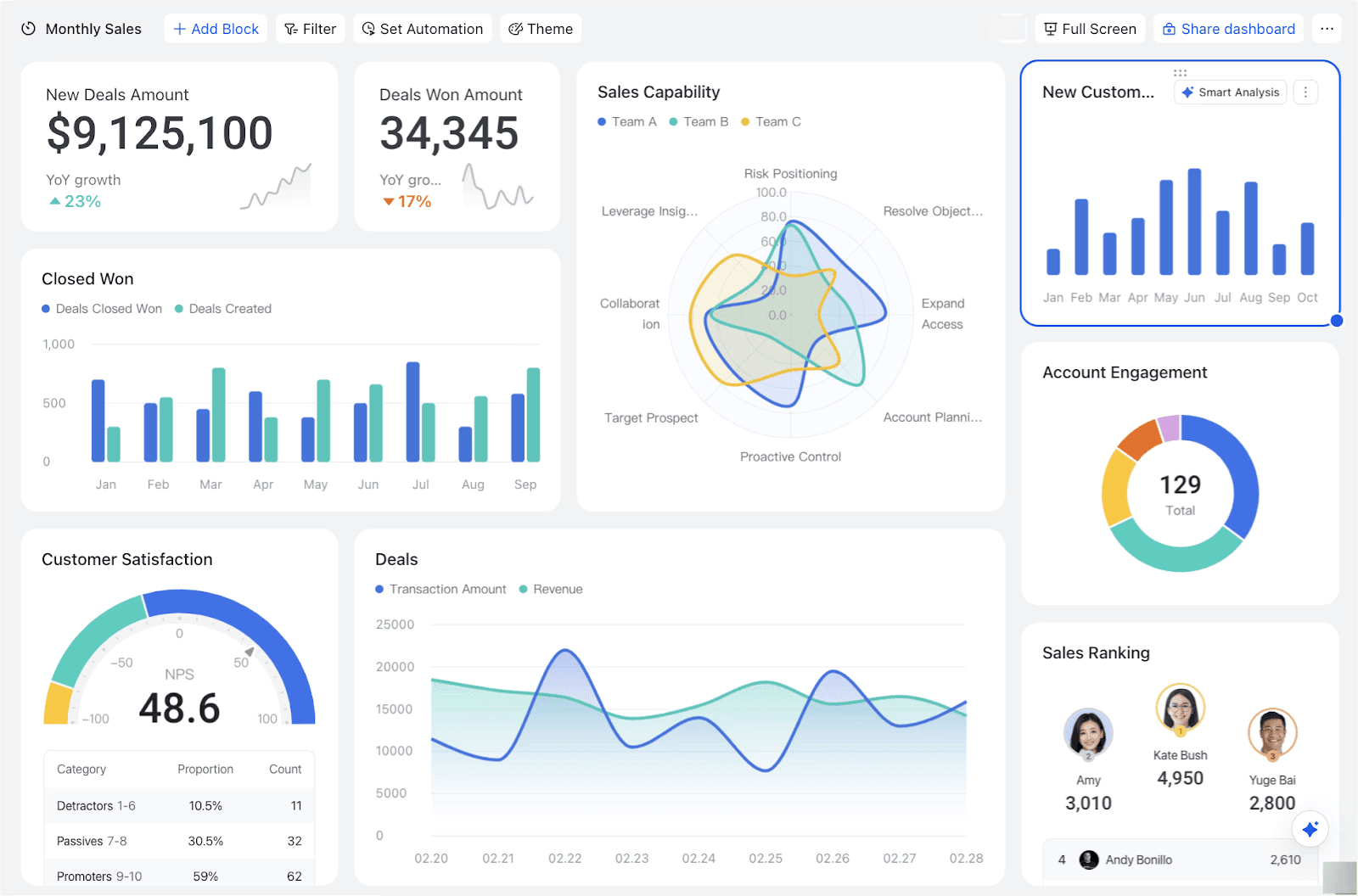
Image: Enterprise team reviewing AI dashboards in a boardroom

Fewer Vendors, Bigger Checks: The Core Shift
The most important insight from VCs isn’t about spending levels—it’s about consolidation.
Instead of paying for:
-
Multiple AI chatbots
-
Separate AI analytics tools
-
Isolated automation platforms
Enterprises increasingly want one or two core AI platforms that integrate across departments.
This reduces:
-
Vendor management overhead
-
Security and compliance risk
-
Integration complexity
And it increases accountability.
From Experimentation to Infrastructure
In 2023–2025, many companies adopted AI experimentally:
-
Small pilots
-
Department-specific tools
-
Short-term contracts
By 2026, that phase is ending.
AI is becoming infrastructure, not an add-on—similar to cloud computing a decade ago. Infrastructure buyers prefer:
-
Stability
-
Long-term roadmaps
-
Financially durable vendors
This favors established platforms over niche tools.
Why VCs Are Warning Startups
Venture capitalists are increasingly candid with founders: being a “nice-to-have” AI tool won’t be enough.
VCs note that enterprises are asking tougher questions:
-
Can this tool replace multiple others?
-
Does it integrate natively with our stack?
-
Will this vendor still exist in five years?
Startups that can’t answer convincingly may struggle—regardless of how impressive their models are.
The Rise of AI Platform Winners
This consolidation trend benefits companies offering broad, extensible platforms—often backed by major cloud providers.
Examples frequently cited by investors include AI ecosystems built by:
-
Microsoft
-
Google
-
Amazon Web Services
These players already control enterprise relationships, security frameworks, and distribution—making them natural consolidation points.
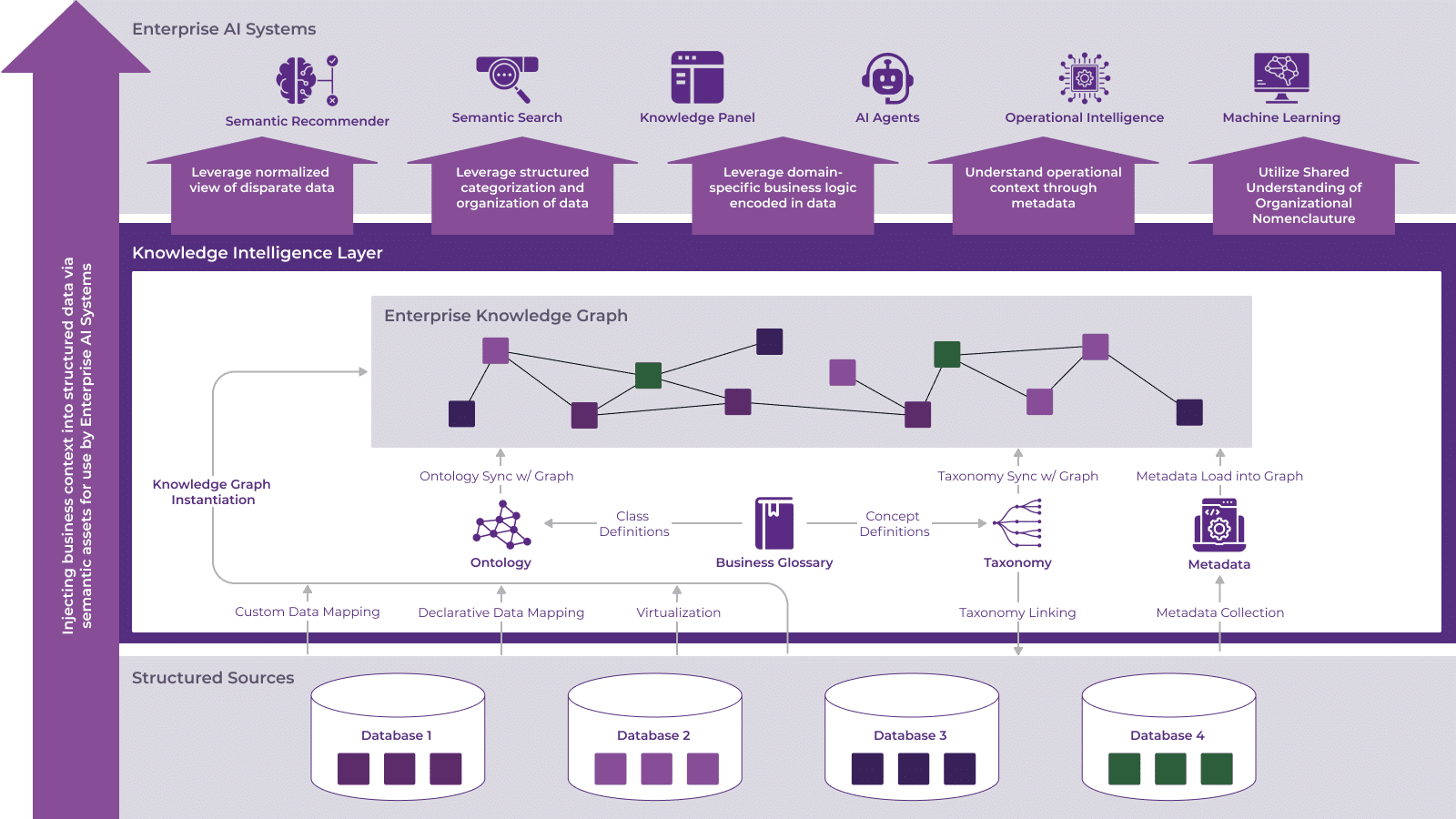
Image: Cloud infrastructure diagram with AI services layered on top


AI Budgets Are Moving From IT to the C-Suite
Another notable shift: AI spending decisions are moving up the org chart.
Instead of being owned solely by IT or innovation teams, AI budgets are increasingly controlled by:
-
CEOs
-
CFOs
-
Chief Digital or AI Officers
This change favors vendors that can:
-
Speak in ROI, not just accuracy
-
Support company-wide deployment
-
Align with strategic goals
In short, AI sales are becoming executive-level conversations.
Security and Compliance Drive Consolidation
Security remains one of the biggest concerns in enterprise AI adoption.
With sensitive data flowing through models, enterprises prefer:
-
Fewer external integrations
-
Unified governance
-
Clear audit trails
Each additional AI vendor introduces risk. Consolidation simplifies compliance—especially in regulated industries like finance, healthcare, and government.
What This Means for AI Startups
For startups, the forecast is challenging—but not hopeless.
VCs say winners will be those that:
-
Become deeply embedded in workflows
-
Offer horizontal value across teams
-
Or provide mission-critical vertical solutions
Point solutions that do one small thing—even very well—may struggle unless they are:
-
Acquired
-
Integrated into larger platforms
-
Or repositioned as infrastructure components
The Coming Wave of AI M&A
Consolidation rarely happens organically. It happens through acquisitions.
VCs expect:
-
Increased M&A activity in AI
-
Large platforms buying proven tools
-
Startups positioning for strategic exits rather than IPOs
For enterprises, this simplifies buying. For startups, it reshapes exit strategies.
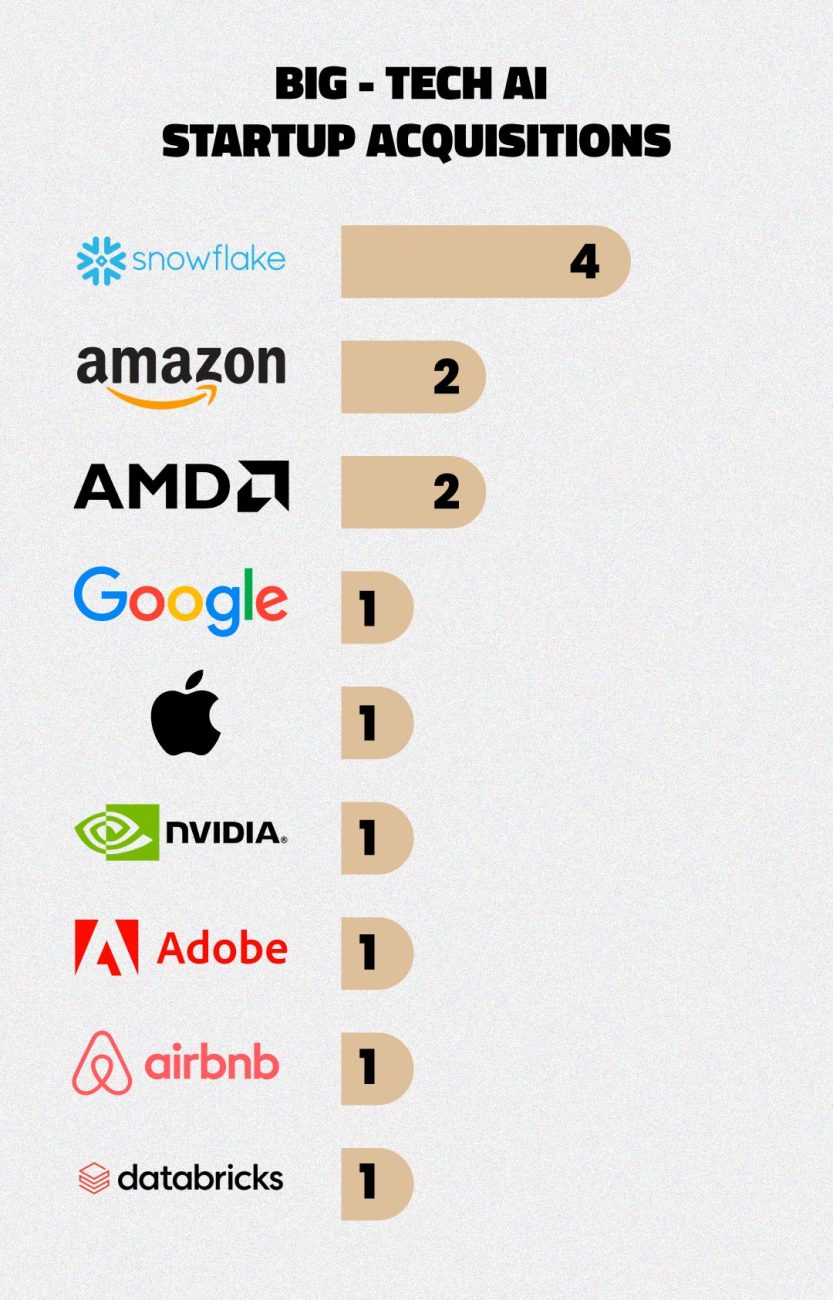
Image: Business acquisition handshake with AI graphics overlay


Fewer Vendors, Better Outcomes?
Interestingly, enterprises report better results after consolidating AI tools.
Benefits include:
-
Higher adoption rates
-
Clearer ownership
-
Less internal confusion
-
More consistent data usage
AI works best when it’s ubiquitous and trusted, not fragmented and experimental.
Why 2026 Is a Turning Point
VCs describe 2026 as the year AI transitions from:
“What can this do?”
to
“How do we run the company with this?”
That shift fundamentally changes buying behavior—and explains why budgets can grow even as vendor lists shrink.
Final Thoughts: More AI, Less Noise
The prediction that enterprises will spend more on AI through fewer vendors isn’t a contradiction—it’s a sign of maturity.
AI is no longer a novelty. It’s becoming:
-
A core business utility
-
A strategic differentiator
-
A board-level priority
For enterprises, consolidation means clarity.
For vendors, it means competition at a much higher bar.
In 2026, the AI market won’t be defined by who has the flashiest demo—but by who earns long-term trust.