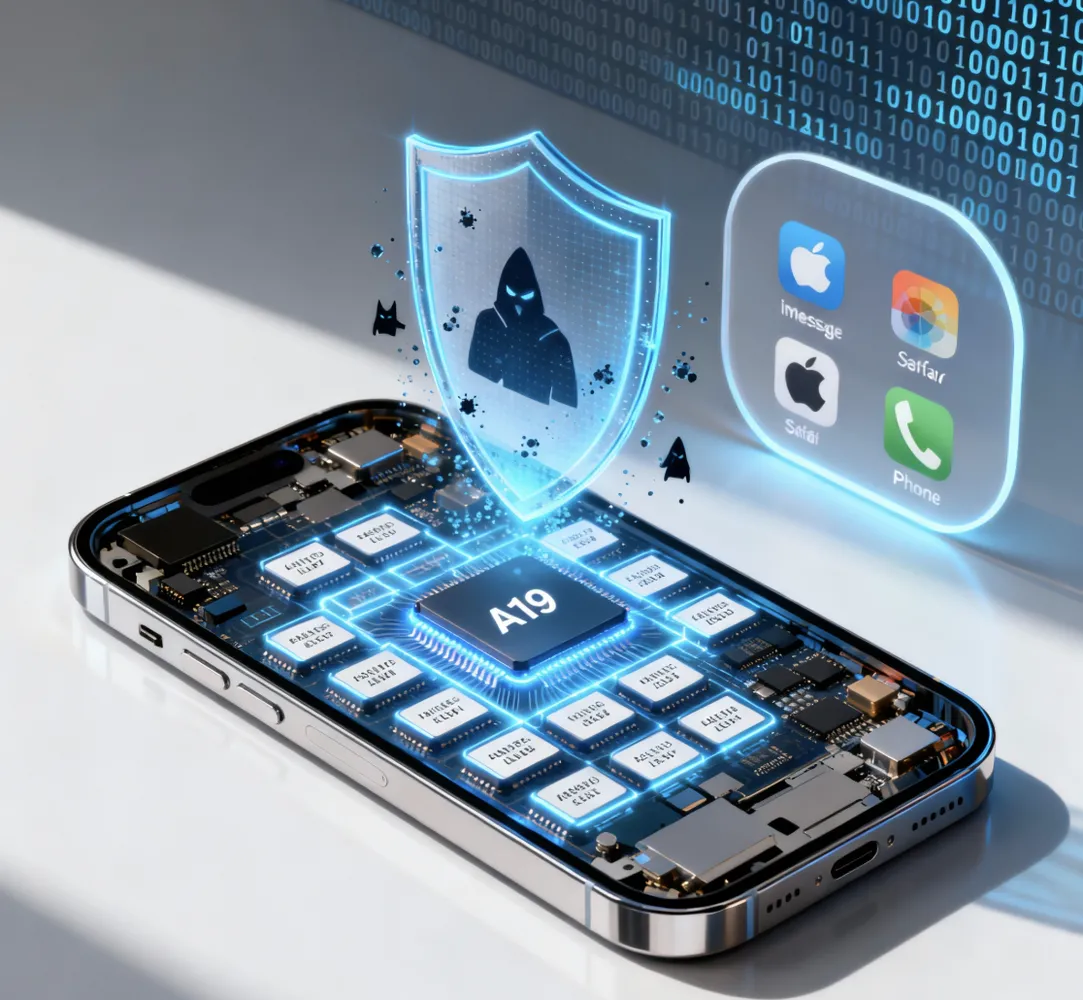
Apple’s iOS 26 Boosts Security — But Leaked Hacking Tools Still Put Millions at Risk
Apple has long positioned itself as a leader in privacy and mobile security, but recent developments suggest even its latest software may not be enough to fully protect users. While iOS 26 introduces meaningful security upgrades, the leak of sophisticated hacking tools has created a new and alarming reality: millions of iPhones could still be vulnerable to spyware attacks.
The situation highlights a growing cybersecurity paradox—no matter how strong a system becomes, the tools designed to break it are evolving just as fast.
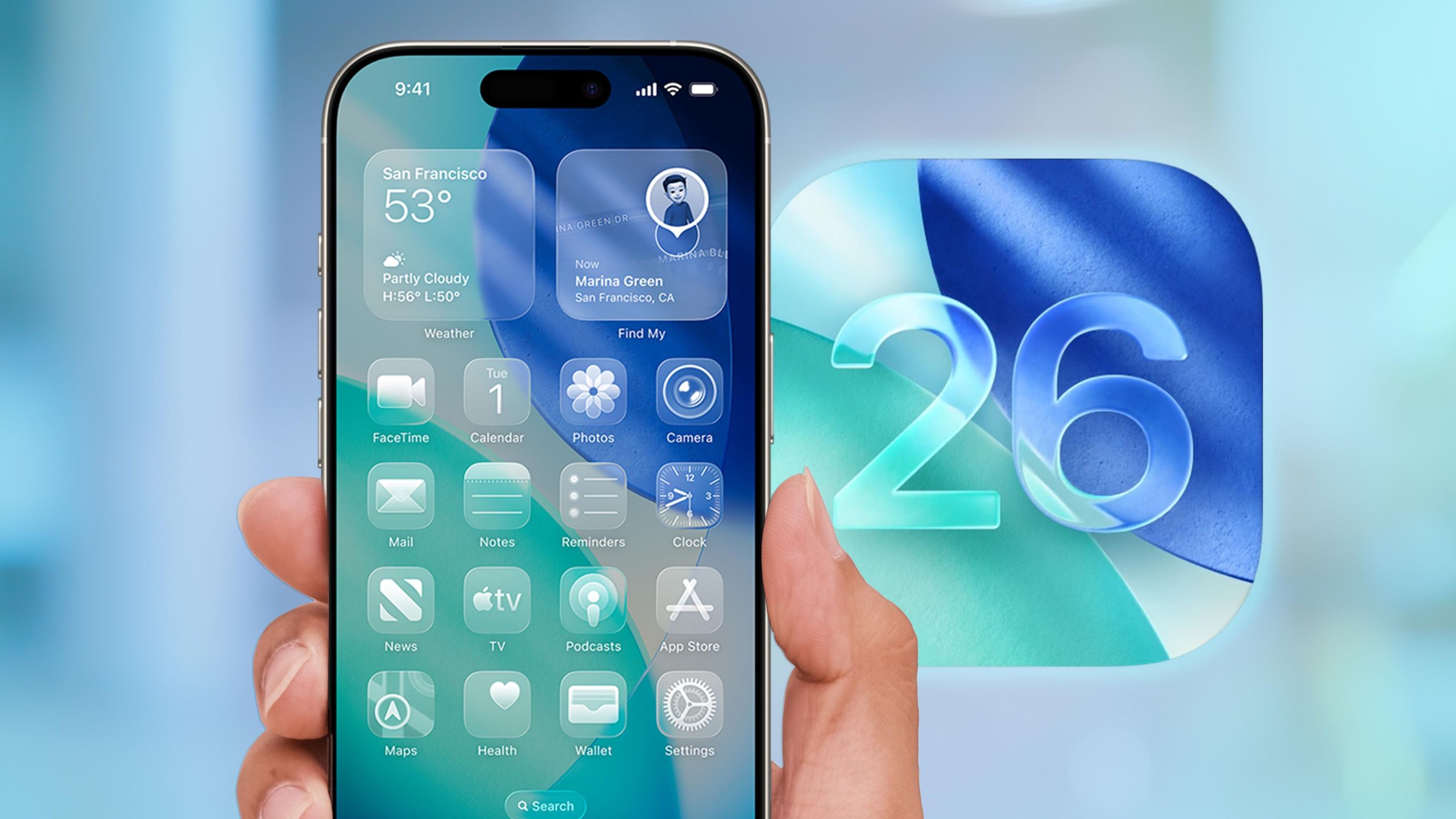
iOS 26: Apple’s Latest Push for Stronger Security
With the release of iOS 26, Apple introduced a range of security-focused improvements designed to protect user data and limit unauthorized access.
Among the notable changes:
- Enhanced permission controls for connected accessories
- Improved privacy settings and system-wide protections
- Expanded safeguards against malicious apps and unauthorized tracking
- Continued support for Lockdown Mode, a feature designed to defend against targeted spyware attacks
These updates reflect Apple’s ongoing effort to stay ahead of increasingly sophisticated cyber threats.
iOS 26 also builds on Apple’s long-standing security model, which emphasizes encryption, sandboxing, and strict app review processes. Historically, this approach has made iPhones less attractive targets for mass malware compared to other platforms.
However, recent events show that even robust defenses have limits.
The Leak That Changed Everything
The biggest concern isn’t iOS 26 itself—it’s what’s happening outside Apple’s control.
In March 2026, advanced hacking toolkits known as DarkSword and Coruna were leaked online. These tools were previously believed to be restricted to government agencies or elite cyber-operators.
Now, they are widely accessible.
Security researchers warn that these tools can:
- Exploit vulnerabilities in iPhones and iPads
- Steal sensitive data such as messages, photos, and location history
- Operate with minimal user interaction in some cases
Even more alarming, some versions of these tools are simple enough that attackers with limited technical skills can deploy them quickly.
This shift dramatically lowers the barrier to entry for cybercrime.
Why Millions of iPhones Are Still at Risk
Despite Apple’s efforts with iOS 26, a large number of devices remain exposed—and the reason is surprisingly simple: outdated software.
Many users delay updates or use older devices that cannot run the latest iOS version. These devices are prime targets for leaked exploit kits.
Reports indicate that:
- Hundreds of millions of iPhones may still be vulnerable globally
- Exploits can target devices running older iOS versions like iOS 13 through iOS 18
- Attack tools can work “out of the box” with minimal expertise
In other words, even if iOS 26 is secure, not everyone is protected.

How These Spyware Tools Work
Tools like DarkSword and Coruna are part of a broader category known as commercial spyware—software designed to infiltrate devices and extract data without detection.
Once deployed, they can:
- Access text messages, emails, and call logs
- Track location in real time
- Activate microphones or cameras
- Steal financial and personal data
In some cases, these attacks can occur through simple actions like clicking a malicious link or visiting a compromised website.
What makes these tools particularly dangerous is their stealth. Victims often have no idea their device has been compromised.
From Government Tools to массов Cyber Threat
Historically, spyware tools like these were used primarily by governments for surveillance and intelligence gathering.
That’s no longer the case.
Recent investigations show that such tools are now being used by cybercriminals and non-state actors.
The leak of these toolkits effectively “democratizes” cyber espionage—making powerful hacking capabilities available to a much wider audience.
Experts warn this could lead to:
- Increased identity theft
- Corporate espionage
- Targeted attacks against individuals
- Broader threats to global cybersecurity
Apple’s Response to the Threat
Apple has not remained silent.
In response to the growing threat, the company has:
- Released emergency security updates for older devices
- Expanded protections to cover multiple iOS versions
- Encouraged users to enable Lockdown Mode for added security
- Blocked known malicious domains through Safari protections
Security updates rolled out in March 2026 were specifically designed to address vulnerabilities exploited by tools like DarkSword.
Still, Apple faces a difficult challenge: patching vulnerabilities faster than attackers can exploit them.
The Bigger Issue: A Growing Cyber Arms Race
The situation reflects a broader trend in cybersecurity—a constant arms race between defenders and attackers.
Every time Apple strengthens its defenses, new vulnerabilities are discovered. And when powerful tools leak, the balance shifts even further.
This cycle raises critical questions:
- Can any system ever be truly secure?
- How can companies protect users from tools they don’t control?
- What responsibility do governments have in preventing these leaks?
For now, there are no easy answers.
What iPhone Users Should Do Right Now
While the situation may sound alarming, there are practical steps users can take to protect themselves.
1. Update Your Device Immediately
Installing the latest iOS version is the single most effective way to reduce risk.
2. Enable Lockdown Mode
This feature adds an extra layer of protection, especially for high-risk users.
3. Avoid Suspicious Links
Many attacks rely on phishing or malicious websites.
4. Keep Apps and Browsers Updated
Outdated software often contains exploitable vulnerabilities.
5. Be Cautious with Unknown Sources
Avoid downloading apps or files from untrusted locations.
These simple actions can significantly reduce the likelihood of a successful attack.
Why This Matters Beyond Apple
Although this issue centers on iPhones, the implications are much broader.
The leak of advanced hacking tools signals a shift in the cybersecurity landscape—one where powerful capabilities are no longer limited to governments or large organizations.
This trend affects:
- Individuals, whose personal data is at risk
- Businesses, which may face increased cyber threats
- Governments, which must deal with new security challenges
In short, this is not just an Apple problem—it’s a global one.
The Future of iOS Security
Looking ahead, Apple will likely continue to invest heavily in security.
Future updates may include:
- More advanced AI-driven threat detection
- Stronger hardware-level protections
- Expanded privacy features
- Faster response times to emerging threats
However, as long as vulnerabilities exist—and they always will—no system can be completely immune.
Final Thoughts
Apple’s iOS 26 represents a significant step forward in mobile security. But the leak of powerful spyware tools like DarkSword and Coruna serves as a stark reminder: even the most secure platforms are not invincible.
For users, the takeaway is clear—security is not just about the software you use, but how you use it.
Staying updated, staying informed, and staying cautious are more important than ever in a world where digital threats continue to evolve.
Because in today’s cybersecurity landscape, the biggest risk isn’t just weak technology—it’s falling behind.