Apple in 2026: AI Ambitions, New Hardware, and the Future of the Ecosystem
Introduction
In 2026, Apple Inc. continues to dominate headlines across the tech world. From groundbreaking artificial intelligence (AI) integrations to a refreshed lineup of hardware products, Apple is once again redefining its role in the global technology ecosystem.
Coverage from TechCrunch highlights how Apple is not only evolving its devices but also reshaping the way users interact with software, services, and even content creation tools.
This year marks a turning point where Apple’s long-standing ecosystem strategy meets a rapidly accelerating AI race—bringing both opportunities and challenges.
The Rise of Apple Intelligence
One of the biggest themes surrounding Apple in 2026 is its aggressive push into artificial intelligence. While competitors like Google and OpenAI have taken early leads, Apple is now catching up with its own unique approach.
Reports suggest Apple is transforming Siri into a fully capable AI assistant—more conversational, context-aware, and deeply integrated into the operating system.
AI-Powered Siri: Still Delayed but Promising
Despite the excitement, Apple’s AI rollout hasn’t been without setbacks. The long-anticipated Siri overhaul has reportedly faced delays, raising questions about Apple’s ability to compete in the AI space.
However, Apple appears to be taking a cautious approach—prioritizing privacy and reliability over speed. Unlike competitors, Apple is designing AI features to run partially on-device, ensuring user data remains secure.
Partnerships and AI Ecosystem
Interestingly, Apple is also exploring partnerships to boost its AI capabilities. Reports indicate potential collaborations with Google’s Gemini AI to power future Siri features.
This hybrid approach—combining in-house development with strategic partnerships—could allow Apple to accelerate innovation without compromising its core principles.
Hardware Innovation: A New Era of Devices
Apple’s hardware lineup in 2026 reflects both refinement and experimentation. From budget-friendly laptops to AI-enhanced smartphones, the company is targeting a broader range of users than ever before.
MacBook Neo: Apple’s Affordable Play
One of the most talked-about releases is the MacBook Neo, a colorful, lower-cost laptop designed to compete with Chromebooks.
Starting at a more accessible price point, the MacBook Neo represents a shift in Apple’s strategy—aiming to capture students and budget-conscious users without sacrificing performance.
M5 Chips and Performance Leap
Apple also introduced its next-generation M5 Pro and M5 Max chips, featuring a new “Fusion Architecture.”
These chips promise:
- Faster processing speeds
- Improved energy efficiency
- Enhanced AI capabilities
This continued investment in custom silicon gives Apple a major advantage over competitors relying on third-party processors.
The iPhone Evolution Continues
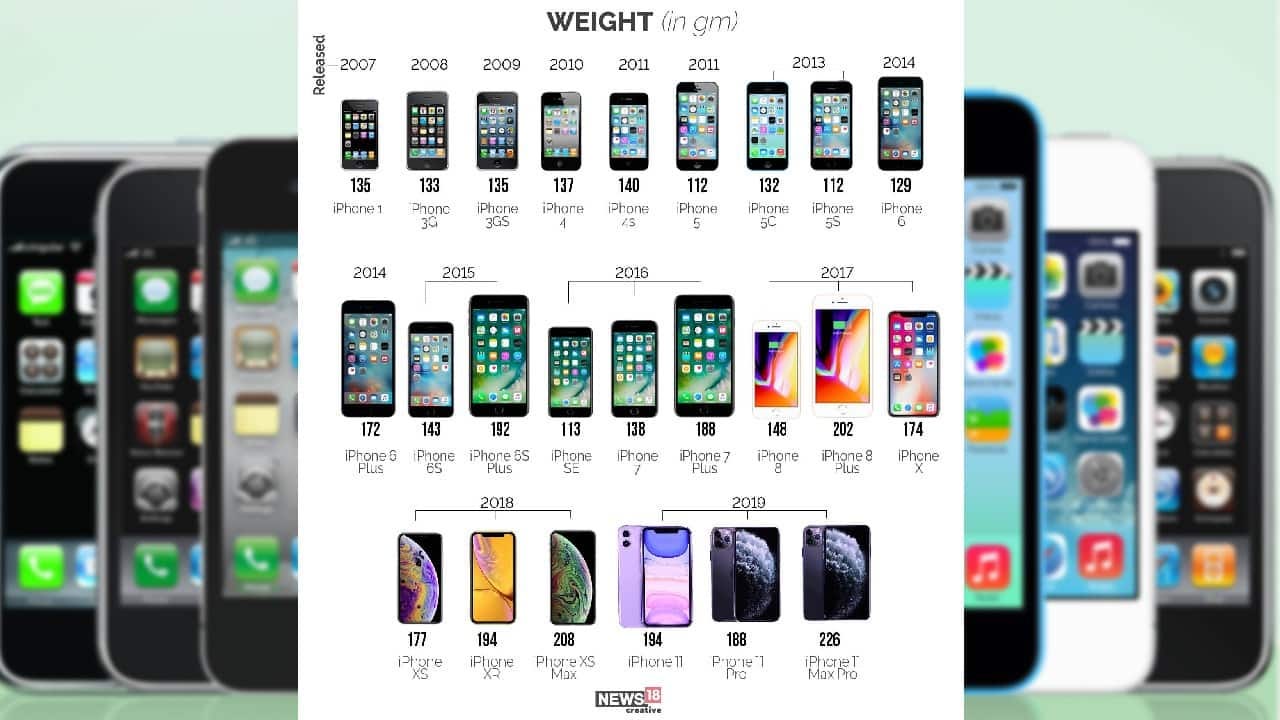
The iPhone remains Apple’s most important product—and in 2026, it’s stronger than ever.
iPhone 17e: AI Meets Affordability
Apple’s iPhone 17e brings AI-powered features to a more affordable price range, making advanced technology accessible to a wider audience.
This move reflects Apple’s broader strategy: democratizing innovation while maintaining premium flagship devices.
Record-Breaking Performance
The iPhone has reportedly achieved one of its best financial quarters ever, highlighting continued global demand.
Additionally, Apple’s expansion in markets like India is accelerating, with reports suggesting that one in four iPhones is now manufactured there.
This shift not only reduces reliance on China but also strengthens Apple’s global supply chain.
Expanding Services and App Ecosystem
Apple’s services segment is growing rapidly, driven by new tools and evolving policies.
Creator Economy and Subscription Push
Apple recently launched Creator Studio, a bundle of apps designed to support content creators with AI-powered tools.
At the same time, the company is tightening control over in-app purchases, requiring platforms like Patreon to adopt Apple’s payment system.
This dual strategy—empowering creators while maintaining platform control—highlights Apple’s long-term vision for monetization.
App Store Dominance
Since its launch, developers have earned hundreds of billions through the App Store, reinforcing its importance in Apple’s ecosystem.
However, regulatory pressure continues to mount worldwide, forcing Apple to adapt its policies in regions like the EU and Japan.
Security, Privacy, and Regulation
Apple has long positioned itself as a privacy-first company, but 2026 presents new challenges.
Rising Security Threats
Recent reports reveal sophisticated spyware targeting iPhones, raising concerns about mobile security.
Apple continues to invest heavily in security features, but the evolving threat landscape requires constant innovation.
Government Scrutiny
Governments around the world are increasing oversight of Apple’s practices, particularly regarding the App Store and content moderation.
From antitrust investigations to age-verification laws, Apple must navigate a complex regulatory environment while maintaining its business model.
Apple’s Role in the Global Tech Race
Apple is no longer just a hardware company—it’s a central player in the global tech race.
Competing in AI
With companies like Google and OpenAI moving fast, Apple faces pressure to deliver competitive AI solutions.
Yet Apple’s strength lies in integration. By embedding AI deeply into its ecosystem, it can offer a seamless user experience that competitors may struggle to match.
Diversification Beyond Devices
Apple is also exploring new categories, including:
- AI wearables
- AR/VR technologies
- Media production and streaming
This diversification ensures Apple remains relevant in a rapidly changing industry.

Challenges Ahead
Despite its success, Apple faces several key challenges in 2026:
1. AI Competition
Apple must prove it can compete with AI-first companies without compromising its values.
2. Regulatory Pressure
Global regulations could impact Apple’s revenue streams, particularly in services.
3. Innovation Expectations
As a market leader, Apple is expected to deliver groundbreaking products—not just incremental updates.
The Future of Apple
Looking ahead, Apple’s strategy appears clear:
- Invest heavily in AI
- Expand its ecosystem
- Maintain its focus on privacy and design
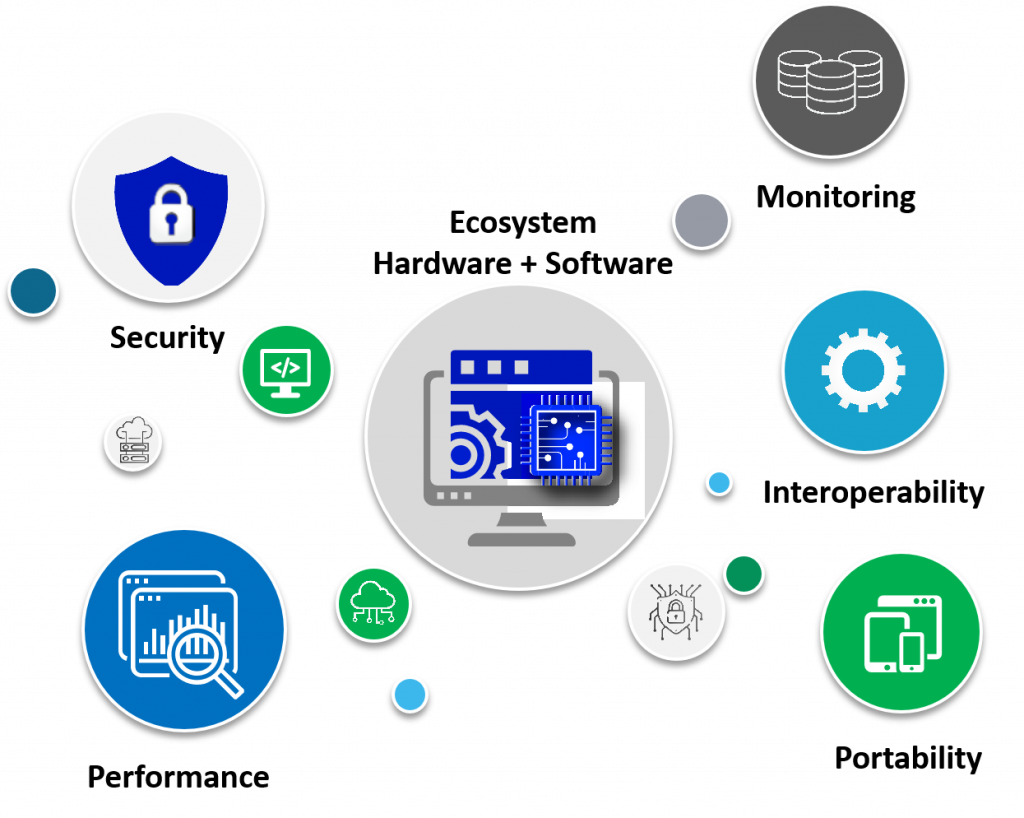
By combining hardware, software, and services, Apple is building a tightly integrated experience that keeps users within its ecosystem.
This approach has worked for decades—and in 2026, it remains one of Apple’s greatest strengths.
Conclusion
Apple in 2026 stands at a crossroads. With ambitious AI plans, a refreshed hardware lineup, and a growing services ecosystem, the company is evolving faster than ever.
While challenges remain, Apple’s ability to adapt and innovate continues to set it apart in the tech industry.
As highlighted by TechCrunch’s ongoing coverage, Apple is not just keeping up with the future—it’s actively shaping it.