Apple in 2026: AI Breakthroughs, Security Challenges, and the Next Wave of Innovation
In 2026, Apple is once again at the center of the global tech conversation. From artificial intelligence integration and next-generation hardware to mounting cybersecurity concerns, the company is navigating one of its most transformative periods in years. According to recent reports and updates from TechCrunch, Apple is aggressively evolving its ecosystem while maintaining its signature focus on privacy, performance, and seamless user experience.
This year is shaping up to be a defining chapter for Apple—not just as a hardware giant, but as a leader in AI-powered consumer technology.
The Rise of Apple Intelligence and AI Integration
Artificial intelligence has become the backbone of Apple’s 2026 strategy. While the company has traditionally taken a cautious approach to AI, recent developments suggest a major shift toward more advanced and competitive AI capabilities.
One of the most significant moves is Apple’s partnership with Google to integrate Gemini AI into its ecosystem. This collaboration is expected to enhance Siri and other system-level features, marking a turning point for Apple’s AI ambitions.
Rather than building everything in-house, Apple is strategically combining its proprietary models with external AI technologies. This hybrid approach allows Apple to accelerate innovation while maintaining its strict privacy standards.
Additionally, Apple has been quietly embedding AI into everyday features. With updates like iOS 26, users are seeing smarter notifications, AI-generated playlists, and enhanced search capabilities that feel intuitive rather than intrusive.
This subtle integration reflects Apple’s philosophy: AI should enhance the user experience without overwhelming it.

WWDC 2026: A Glimpse Into the Future
Apple’s upcoming Worldwide Developers Conference (WWDC) is already generating buzz, with teasers hinting at major AI advancements.
Industry analysts expect Apple to unveil:
- A significantly upgraded Siri powered by generative AI
- Deeper AI integration across macOS, iOS, and iPadOS
- New developer tools for building AI-driven applications
WWDC 2026 could be Apple’s answer to competitors like Google and Microsoft, both of which have made aggressive moves in AI.
If Apple delivers, it may redefine how AI is experienced—not as a standalone tool, but as an invisible assistant embedded across devices.
New Hardware: Smarter, More Connected Devices
Apple’s hardware lineup continues to evolve, with 2026 bringing several notable upgrades and new product categories.
AirTag 2: Smarter Tracking Technology
Apple recently launched the second-generation AirTag, featuring improved range, louder alerts, and enhanced precision tracking.
The new AirTag uses an upgraded Ultra Wideband chip, allowing users to locate lost items more accurately and from greater distances. It also integrates more seamlessly with Apple Watch, expanding its usefulness beyond the iPhone.
This update highlights Apple’s ongoing focus on practical, everyday technology that solves real-world problems.
AI Wearables and Smart Glasses
Apple is reportedly working on a new wave of AI-powered wearables, including:
- Smart glasses designed to compete with Meta
- A camera-enabled AI pendant for real-time context awareness
- Other experimental AI-driven devices
These products aim to bring AI into the physical world, enabling features like real-time assistance, object recognition, and contextual computing.
If successful, Apple could redefine wearable technology, much like it did with the Apple Watch.
MacBook Neo and Hardware Innovation
Apple’s latest hardware announcements include the MacBook Neo, which has been described as one of the most repairable MacBooks in years.
This marks a shift toward more sustainable and user-friendly hardware design—an area where Apple has faced criticism in the past.
Other hardware updates, such as new AirPods and iPhone models, continue to refine performance, battery life, and ecosystem integration.

Security Challenges: A Growing Concern
While Apple has long marketed itself as a privacy-first company, 2026 has brought new security challenges that highlight the complexity of protecting modern devices.
Recent reports reveal that exploit kits capable of hacking millions of iPhones have been leaked publicly.
Additionally, advanced hacking tools have been used in geopolitical conflicts, demonstrating how consumer technology can become a target in global cyber warfare.
In response, Apple has introduced:
- Background security updates for iOS and macOS
- Faster patch deployment systems
- Enhanced privacy protections across apps and services
These measures aim to reinforce Apple’s reputation for security while adapting to an increasingly hostile digital landscape.
Apple Music and the AI Content Revolution
AI is also transforming Apple’s media ecosystem. Apple Music is reportedly introducing transparency tags that identify AI-generated content.
These tags will allow users to distinguish between:
- Human-created music
- AI-assisted compositions
- Fully AI-generated tracks
This move addresses growing concerns about authenticity in digital content. As AI-generated media becomes more common, platforms like Apple Music must balance innovation with transparency.
However, the effectiveness of this system depends on whether creators choose to disclose AI usage, highlighting the challenges of regulating emerging technologies.
iOS 26: Smarter, More Personalized Experiences
Apple’s iOS 26 update represents a major step forward in personalization and usability.
Key features include:
- AI-powered playlists and recommendations
- Enhanced customization options
- Improved performance and app responsiveness
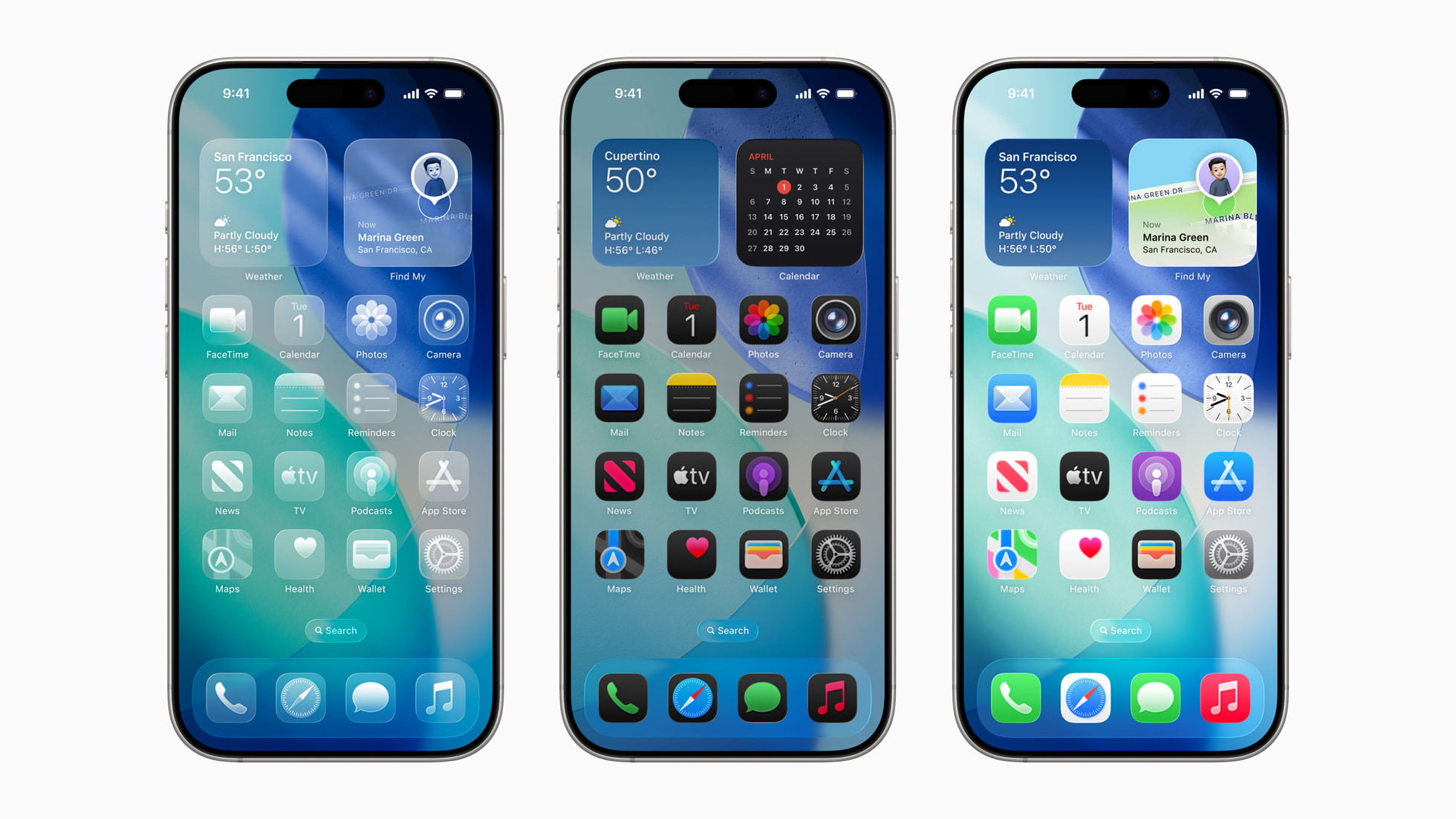
One notable design element is the continued evolution of the “Liquid Glass” interface, which offers a more dynamic and visually appealing user experience.
Apple is also giving users more control, allowing them to adjust or roll back certain design changes—an acknowledgment of user feedback and preferences.
Apple’s Expanding Ecosystem Strategy
Apple’s strength has always been its ecosystem, and in 2026, that ecosystem is becoming even more interconnected.
Devices like the iPhone, Apple Watch, MacBook, and AirTag now work together more seamlessly than ever. Features such as shared location tracking, cross-device AI assistance, and synchronized data create a unified user experience.
The company’s strategy is clear: instead of competing on individual products, Apple is building a tightly integrated digital environment that keeps users within its ecosystem.
The Competitive Landscape
Apple’s advancements come amid intense competition from other tech giants.
- Google is pushing forward with AI-first products
- Microsoft is integrating AI into enterprise and consumer tools
- Meta is investing heavily in AR and wearable technology
Apple’s approach—focused on privacy, integration, and user experience—sets it apart. However, it also faces pressure to deliver more visible and impactful AI features.
The partnership with Google for AI capabilities underscores this challenge, as Apple balances independence with the need to stay competitive.

What’s Next for Apple?
Looking ahead, several trends are likely to define Apple’s future:
1. Deeper AI Integration
AI will become more embedded across all Apple devices, transforming how users interact with technology.
2. Expansion into Wearables
Smart glasses and AI-powered accessories could become Apple’s next major product category.
3. Enhanced Privacy Features
As security threats grow, Apple will continue to invest in advanced privacy protections.
4. Ecosystem Dominance
Apple will further strengthen its ecosystem, making it increasingly difficult for users to switch to competing platforms.
Conclusion
Apple in 2026 is at a crossroads. The company is embracing artificial intelligence, expanding into new hardware categories, and addressing evolving security challenges—all while maintaining its core values of privacy and user-centric design.
From AI-powered features in iOS 26 to innovative devices like the new AirTag and upcoming wearables, Apple is shaping the future of technology in subtle yet powerful ways.
While competition is fiercer than ever, Apple’s ability to integrate hardware, software, and services into a seamless ecosystem remains its greatest strength.
As the year unfolds, one thing is clear: Apple isn’t just keeping up with the future—it’s quietly redefining it.