
The AI Spending Paradox: More Money, Fewer Vendors
Artificial intelligence budgets are rising—but not in the way many startups expected.
According to venture capitalists speaking to TechCrunch, enterprises are projected to increase overall AI spending in 2026, while simultaneously cutting the number of AI vendors they work with. The result is a paradox that’s reshaping the enterprise AI market: bigger checks written to fewer companies.
For startups, it’s a moment of reckoning. For enterprise buyers, it’s a strategic reset. And for the AI ecosystem as a whole, it signals a clear shift from experimentation to consolidation.
Why Enterprises Are Rewriting Their AI Playbooks
Over the past two years, enterprises rushed to test AI tools across departments—chatbots here, copilots there, niche analytics everywhere. That phase is ending.
VCs say enterprise buyers are now focused on:
-
Reducing software sprawl
-
Lowering integration and security risk
-
Simplifying procurement and vendor management
-
Driving measurable ROI from AI deployments
In short, AI is moving from pilot projects to core infrastructure.
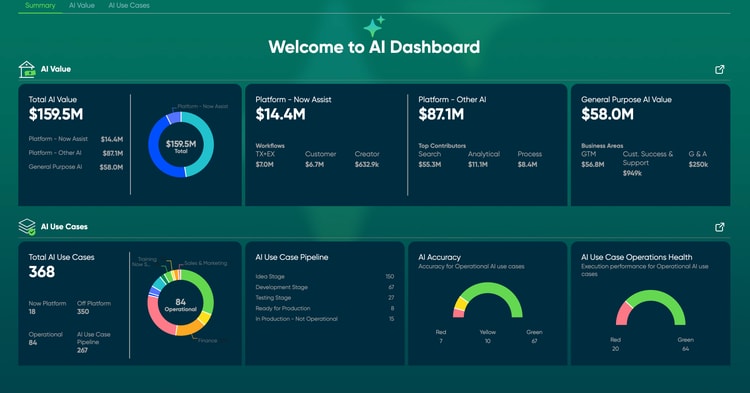
Image: Corporate team reviewing AI dashboards in a boardroom


What Venture Capitalists Are Seeing on the Ground
Investors tracking enterprise buying behavior report a consistent pattern:
-
Budgets are growing for AI across operations, customer support, engineering, and data analytics.
-
Vendor lists are shrinking, with CIOs choosing platform providers over point solutions.
-
Renewals favor consolidation, even when smaller tools perform well individually.
One VC summarized it simply: “Enterprises don’t want 15 AI vendors. They want two or three they can bet the company on.”
The Shift From Point Tools to Platforms
Why Best-of-Breed Is Losing Ground
For years, SaaS thrived on best-of-breed tools—each solving a narrow problem exceptionally well. AI initially followed the same path. Now, enterprises are pushing back.
Key reasons include:
-
Integration costs that exceed license fees
-
Data fragmentation across tools
-
Security and compliance headaches
-
Overlapping functionality
As a result, platforms that bundle multiple AI capabilities—from model access to workflow automation—are winning more deals.
Fewer Vendors, Bigger Contracts
While vendor counts drop, deal sizes are rising.
Enterprises are:
-
Expanding contracts with strategic AI partners
-
Negotiating multi-year commitments
-
Consolidating spend under enterprise-wide agreements
This means a smaller number of vendors are capturing a larger share of AI budgets—and startups outside that circle face tougher odds.
What This Means for AI Startups
The Bar Just Got Higher
For early-stage and mid-stage AI startups, the message is clear:
-
Being “interesting” is no longer enough
-
Point solutions must integrate seamlessly or risk churn
-
Clear enterprise ROI is mandatory
VCs warn that startups unable to become part of a broader platform—or indispensable within one—may struggle to survive.
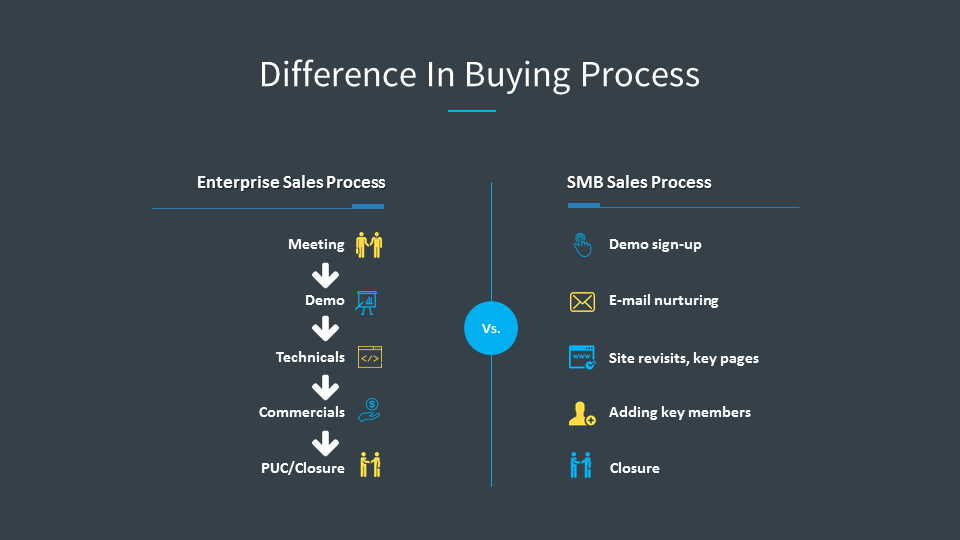
Image: Startup founders pitching AI software to enterprise clients

Who Benefits Most From Consolidation?
Large Cloud and AI Platforms
Major infrastructure and platform providers stand to gain as enterprises consolidate. These vendors offer:
-
Integrated AI services
-
Scalable infrastructure
-
Enterprise-grade security and compliance
They become default choices, not just vendors.
Enterprises Themselves
Buyers benefit from:
-
Fewer contracts to manage
-
More leverage in negotiations
-
Cleaner data and workflows
In a tight macroeconomic environment, consolidation is a rational response.
Why AI Spend Is Still Growing Despite Consolidation
At first glance, fewer vendors might suggest lower spend. In reality, the opposite is happening.
AI is now seen as:
-
A productivity multiplier
-
A competitive necessity
-
A cost-reduction lever in other areas
Enterprises are reallocating budgets from:
-
Traditional software licenses
-
Outsourcing and services
-
Manual workflows
Into AI systems that promise long-term efficiency gains.
Use Cases Driving the Spend Increase
VCs point to several high-priority enterprise AI use cases in 2026:
-
Customer support automation with AI agents
-
Developer productivity tools integrated into core platforms
-
Enterprise search and knowledge management
-
Data analysis and forecasting embedded in business apps
These aren’t experiments—they’re operational systems tied to revenue and cost control.
Procurement and Security Are Leading the Charge
Another major driver of consolidation is risk management.
Enterprise procurement and security teams increasingly:
-
Prefer vendors with proven track records
-
Require SOC, ISO, and regulatory certifications
-
Avoid small vendors that handle sensitive data
This favors established platforms and raises compliance costs for newcomers.
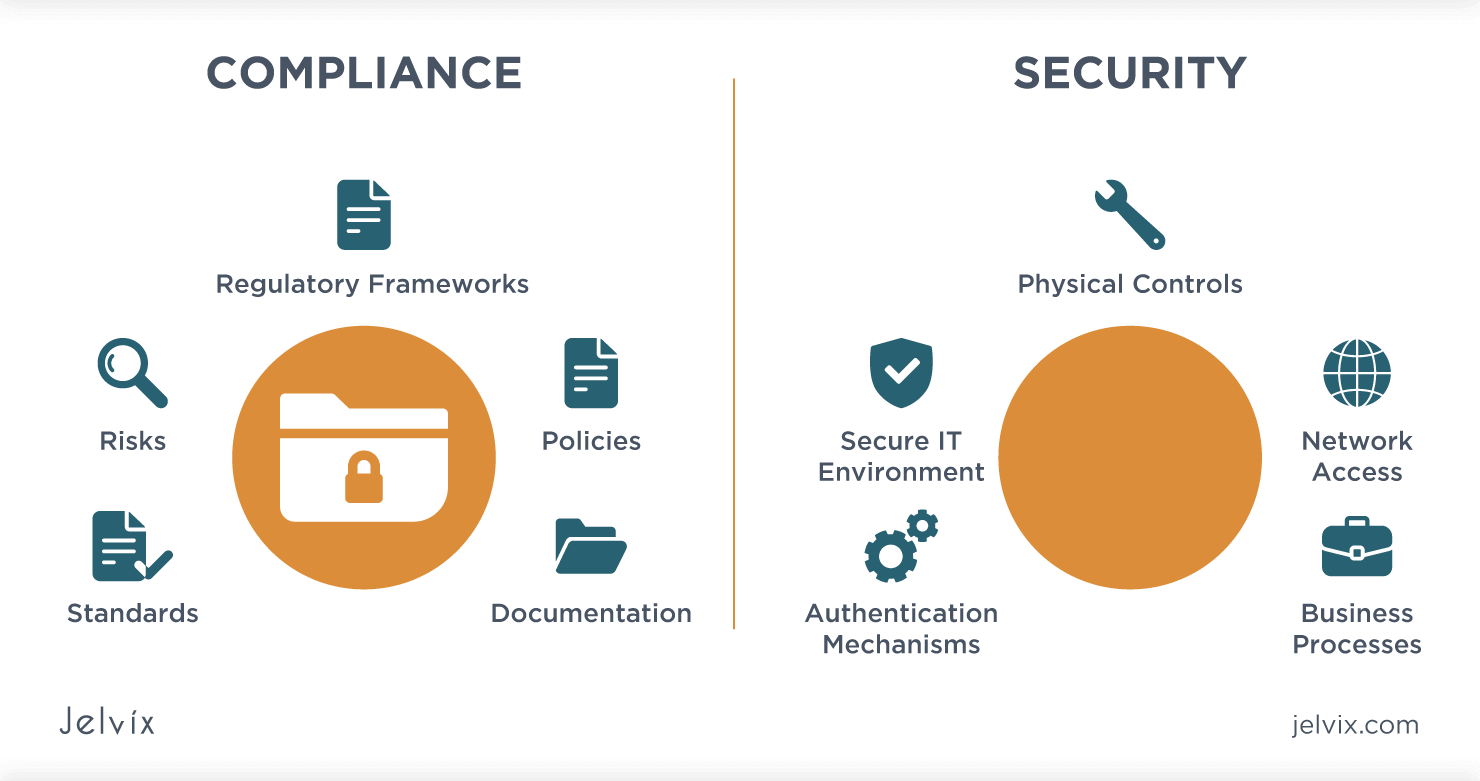
Image: IT security team reviewing AI compliance requirements


The End of AI Tool Sprawl
Many CIOs now openly admit they moved too fast during the early AI boom.
In 2026, priorities have shifted to:
-
Rationalizing tool stacks
-
Decommissioning redundant AI products
-
Standardizing on fewer, deeper integrations
This “cleanup phase” mirrors what happened in earlier SaaS waves—CRM, HR tech, and marketing automation all went through similar consolidation cycles.
What Investors Are Advising Founders to Do
VCs are coaching AI founders to adapt quickly:
-
Integrate aggressively with dominant platforms
-
Target clear economic buyers, not just users
-
Prove ROI in months, not years
-
Build defensibility beyond model access
Those who can’t adjust may face stalled growth—or pressure to sell.
A Market Maturing, Not Shrinking
Importantly, VCs stress this is not a slowdown in AI adoption. It’s a sign of maturity.
The market is:
-
Moving from hype to execution
-
Separating durable companies from novelty tools
-
Rewarding scale, reliability, and integration
For enterprises, this is a healthy evolution. For startups, it’s a narrowing funnel.
What to Watch Heading Into 2026
Key signals to monitor:
-
Large AI vendors expanding feature sets through acquisition
-
Enterprises announcing fewer, larger AI partnerships
-
Startups repositioning as infrastructure or vertical specialists
These moves will define who thrives in the next phase of enterprise AI.
Image: Abstract visualization of AI platforms connecting enterprise systems


Final Thoughts: Bigger Bets, Fewer Horses
The VC consensus is unmistakable: enterprises are all-in on AI—but they’re choosing their partners carefully.
In 2026, success in enterprise AI won’t be about how many tools you sell. It will be about whether you become one of the few vendors enterprises trust with their data, workflows, and strategy.
For buyers, consolidation brings clarity. For vendors, it raises the stakes. And for the AI market, it marks the transition from gold rush to groundwork.