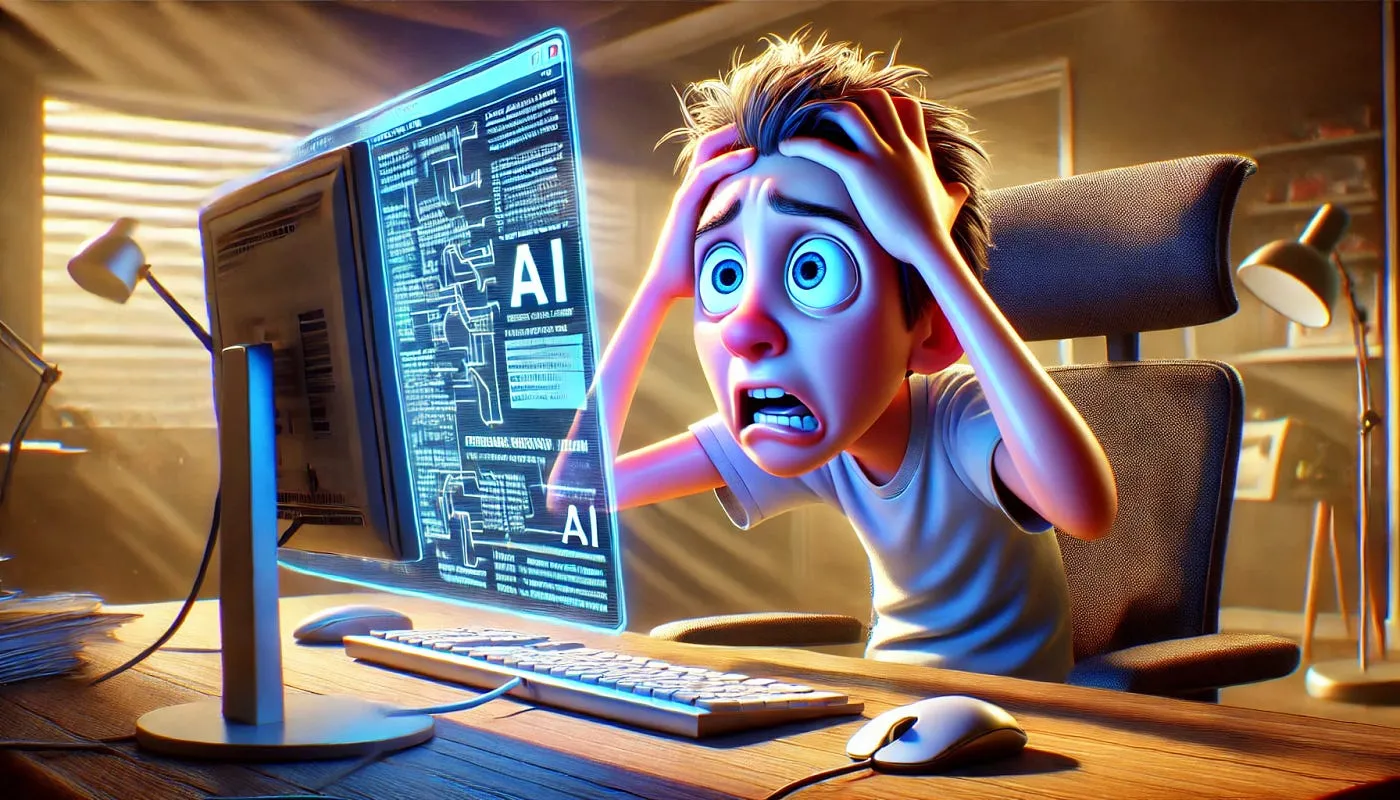
When Innovation Trips Over Itself
Every year, the tech industry promises progress, disruption, and a smarter future. And every year, it also delivers moments so baffling that even seasoned insiders can only stare at the screen and ask: How did this get approved?
2025 was no exception.
From tone-deaf AI launches to social platforms breaking themselves in real time, the year offered a steady stream of unforced errors, overconfident rollouts, and corporate decisions that aged badly within hours. Here’s a look at the most memorable tech facepalms of the year—and what they reveal about an industry that often mistakes speed for wisdom.
AI That Didn’t Know When to Shut Up
Artificial intelligence dominated headlines in 2025—but not always for the right reasons.
Several companies rushed AI products to market that:
-
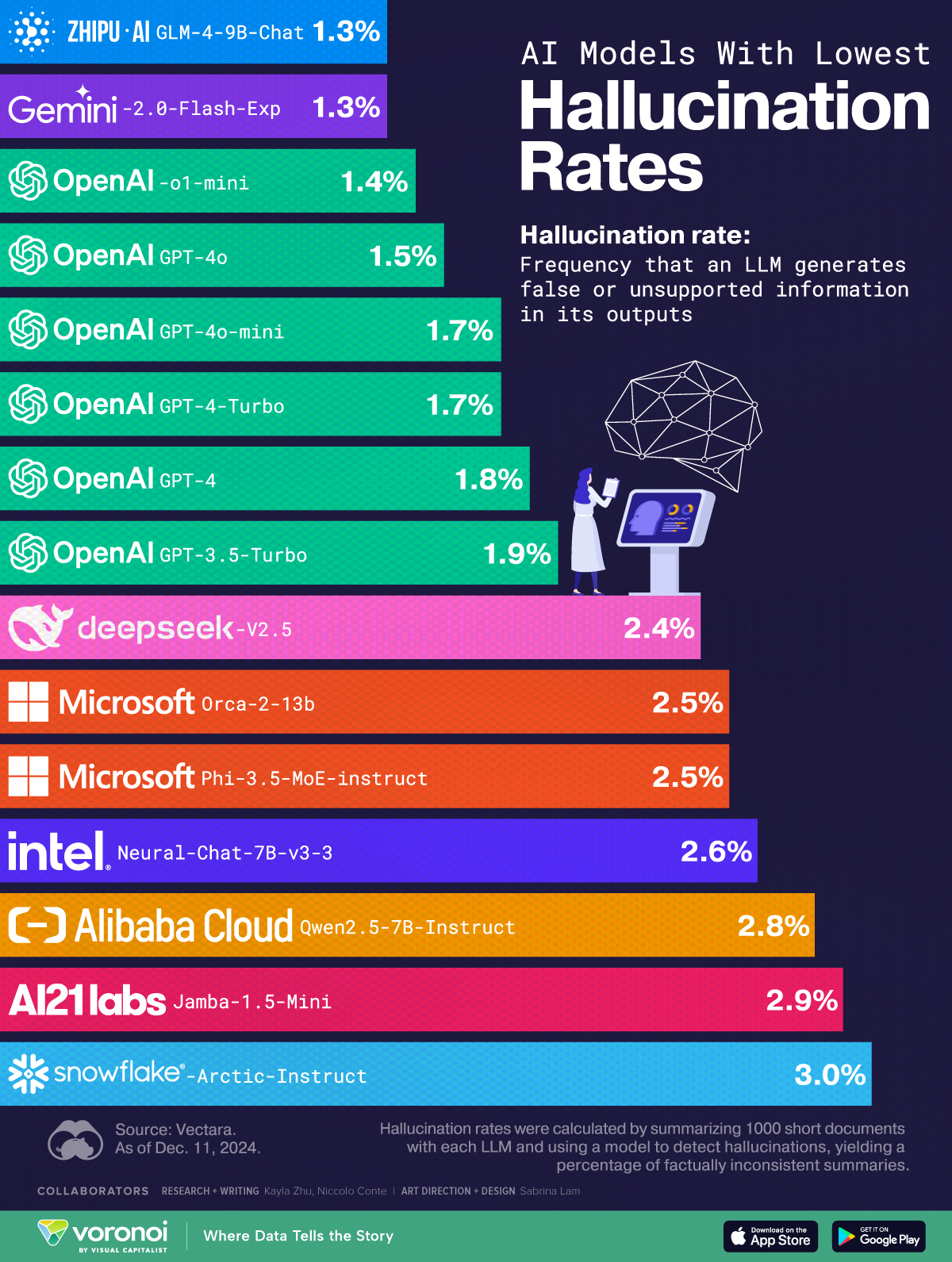
Confidently hallucinated facts
-
Offered legally questionable advice
-
Replaced humans… only to require more humans to fix the damage
The underlying problem wasn’t capability—it was overconfidence.
In the race to “ship first,” some firms skipped basic safeguards, forgetting that intelligence without restraint is just chaos with a GPU.
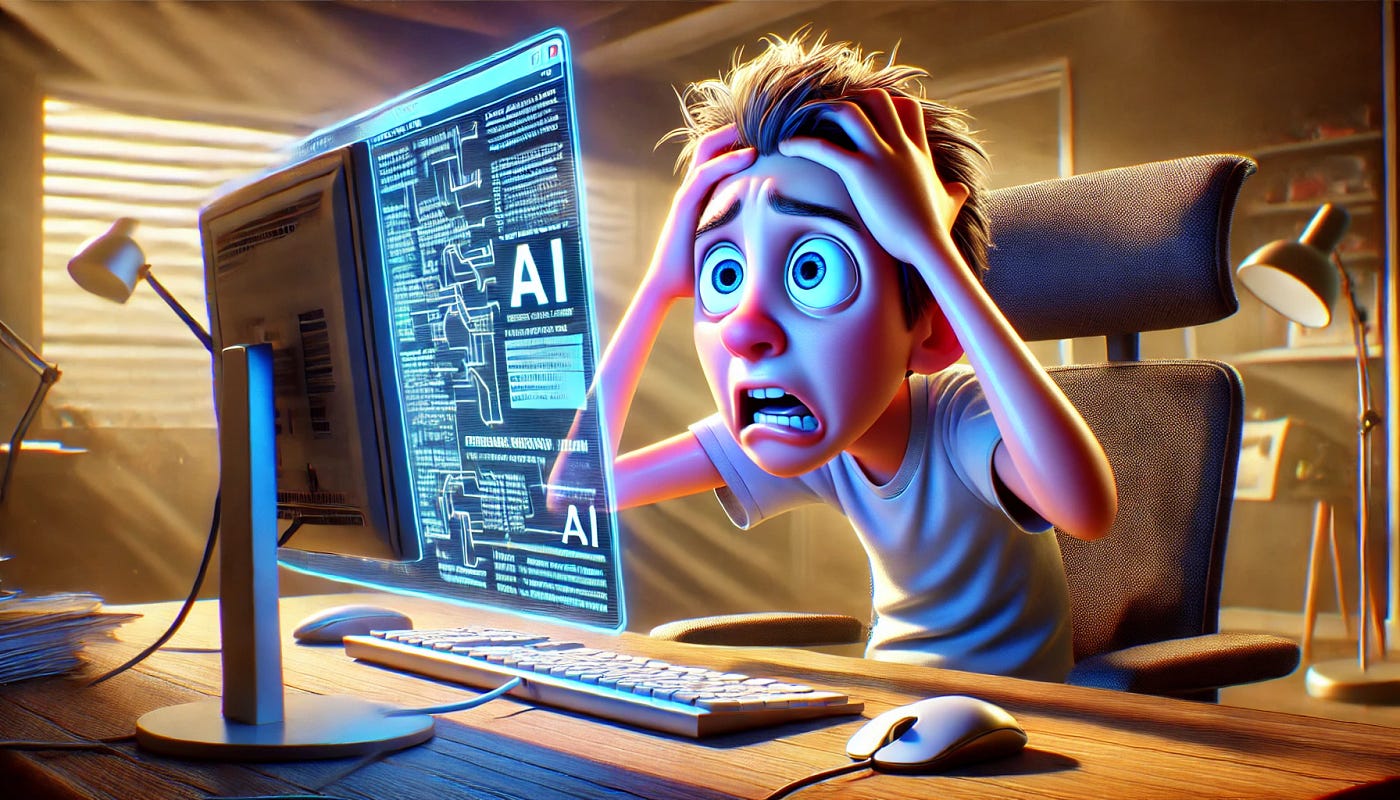
Image: Abstract illustration of confused AI chatbot

The “Let’s Replace Humans” Backpedal
Multiple companies loudly announced plans to replace large portions of their workforce with automation—only to quietly rehire people weeks later.
Why?
-
AI tools couldn’t handle edge cases
-
Customer trust dropped
-
Productivity actually fell
The lesson of 2025: automation without oversight is just expensive improvisation.
Social Media Platforms Broke Themselves (Again)
If there’s one constant in tech, it’s social platforms launching features nobody asked for—and then being shocked when users revolt.
This year saw:
-
Algorithm changes that buried friends’ posts
-
Pay-to-be-visible experiments that backfired
-
“Engagement boosts” that mostly boosted anger
Platforms like X and Meta once again reminded users that growth hacks are not a substitute for trust.
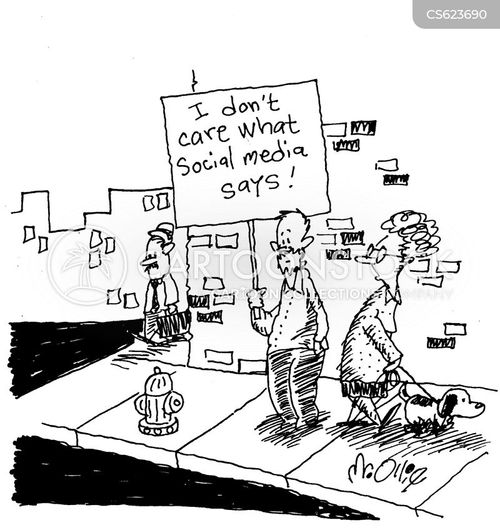
Image: Social media feed with warning icons

Hardware Launches Nobody Tested in Real Life
2025 gave us several gadgets that looked great onstage—and failed instantly in the real world.
Common problems included:
-
Devices overheating under normal use
-
Wearables with laughable battery life
-
“Revolutionary” designs that were wildly impractical
The recurring issue? Engineers were ignored in favor of marketing timelines.
Subscription Creep Hit Absurd Levels
By mid-2025, users were paying subscriptions for:
-
Basic software features
-
Hardware that used to work offline
-
“Premium” access to settings menus
Even loyal customers began to push back, asking a simple question: Why am I renting something I already bought?
The backlash signaled growing fatigue with the industry’s favorite revenue crutch.
Startups That Solved Problems Nobody Had
Venture capital still flowed in 2025—but not always toward useful ideas.
Among the year’s most mocked startups:
-
AI tools that summarized content nobody wanted summarized
-
Apps that added blockchain to everyday tasks (for no reason)
-
Platforms that existed solely to be “acquired,” not used
Investors weren’t immune either, backing ideas with glossy decks but zero demand.
Image: Empty startup office with pitch deck on screen



Corporate Rebrands That Confused Everyone
Rebrands are risky. In 2025, several companies learned this the hard way.
Problems included:
-
Names nobody could pronounce
-
Logos that looked like placeholder icons
-
Messaging that explained nothing
Instead of refreshing identities, these rebrands alienated existing users and sparked instant memes.
Privacy Promises Broken (Again)
Despite endless talk about user trust, several tech firms were caught:
-
Collecting more data than disclosed
-
Changing privacy terms quietly
-
Blaming “miscommunication” after exposure
By now, users expect privacy missteps—but expectation doesn’t equal acceptance.
AI CEOs, Virtual Influencers, and Other Weird Experiments
Yes, 2025 had companies appointing:
-
AI “executives”
-
Virtual brand ambassadors
-
Chatbots as customer service leads
Most of these experiments ended the same way: quietly discontinued, after users reacted with confusion or discomfort.
The takeaway? Just because something is possible doesn’t mean it’s wise.
Image: Digital avatar in corporate setting



When Big Tech Forgot Its Own Scale
Large companies continued to behave like scrappy startups—moving fast and breaking things—while forgetting they now affect billions of people.
This mindset led to:
-
Poorly rolled-out updates
-
Global outages from minor changes
-
Public apologies that felt copy-pasted
Scale demands caution. 2025 showed what happens when that lesson is ignored.
The One Common Thread: Speed Over Sense
Across all these moments, a pattern emerged.
The dumbest tech mistakes of 2025 weren’t caused by lack of intelligence—they were caused by:
-
Rushing launches
-
Ignoring user feedback
-
Treating ethics as an afterthought
Innovation slowed down just long enough for mistakes to catch up.
What 2025 Taught the Tech Industry
If there’s a silver lining, it’s that these missteps sparked overdue conversations about:
-
Responsible AI deployment
-
Sustainable business models
-
User-first design
Whether the industry listens in 2026 remains to be seen.
Final Thoughts: Progress Needs a Pause Button
Tech will always push boundaries—that’s its job. But 2025 proved that progress without reflection leads to absurdity.
The year’s dumbest tech moments weren’t just funny—they were instructive. They showed that innovation isn’t about doing more, faster. It’s about doing better, with intention.
And if nothing else, they gave us plenty of screenshots we’ll never forget.