Introduction: When Innovation Gets Weird—In the Best Way
Every year, Consumer Electronics Show pushes the boundaries of what technology can do. And every year, a certain subset of products leaves audiences asking not “How does it work?” but “Why does this exist?”
CES 2026 has been no exception.
Alongside meaningful advances in AI, mobility, and sustainability, this year’s show delivered a lineup of gadgets that were bold, baffling, and undeniably memorable. From emotionally responsive devices to wearables that blur the line between fashion and function, the most bizarre tech at CES 2026 reveals how experimentation—and sometimes eccentricity—drives innovation forward.


Why CES Is the Natural Home of Weird Tech
Experimentation Without Apology
CES has always been a playground for ideas that may never reach mass adoption. Companies use the show to:
-
Test reactions to radical concepts
-
Attract attention in a crowded media environment
-
Signal innovation to investors and partners
Bizarre doesn’t mean useless. In many cases, today’s strange prototypes become tomorrow’s mainstream products—after refinement, restraint, and reality checks.
AI Gadgets That Feel Uncomfortably Personal
Emotional AI Companions
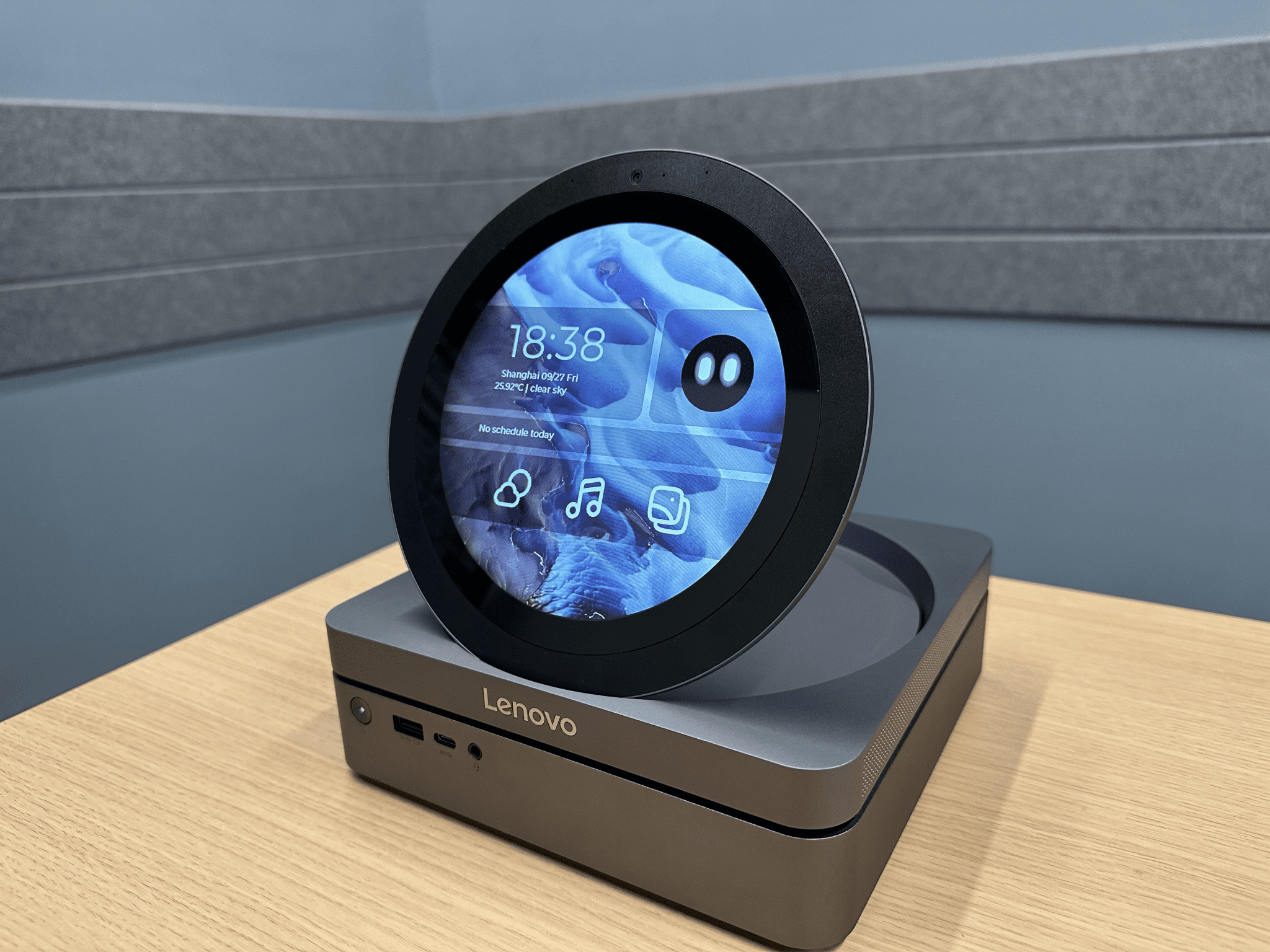
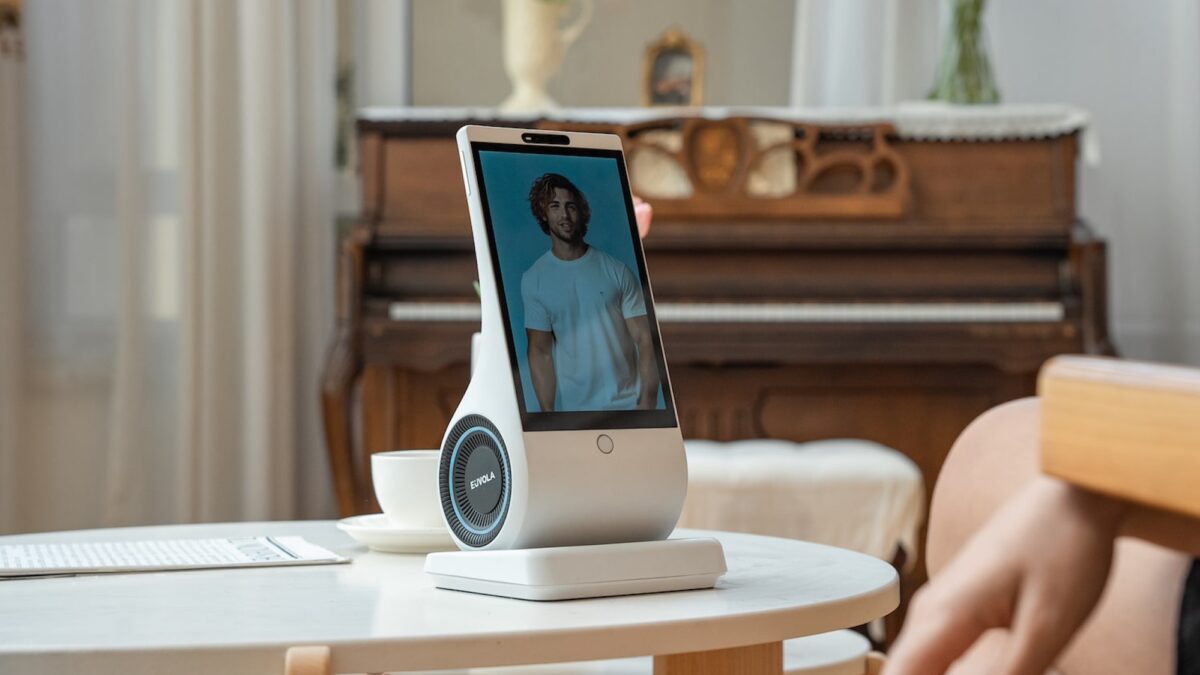
One of the standout oddities of CES 2026 was a new wave of AI-powered companions designed to interact emotionally with users. Unlike traditional voice assistants, these devices emphasize presence, mood detection, and ongoing “relationships.”
Features demonstrated included:
-
Voice tone analysis to detect stress
-
Personalized daily check-ins
-
Memory of long-term interactions
While some attendees praised the concept as comforting, others described it as unsettling.



Who Is This Really For?
Developers frame these devices as tools for:
-
Loneliness reduction
-
Mental wellness support
-
Elder care assistance
Critics, however, raise ethical concerns about emotional dependency and data privacy—questions that remain unresolved.
Wearables That Redefine the Term
Clothing That Reacts to You
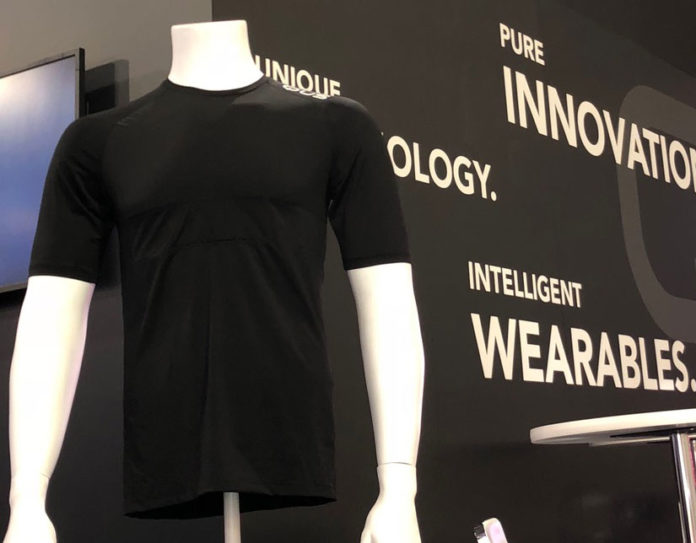
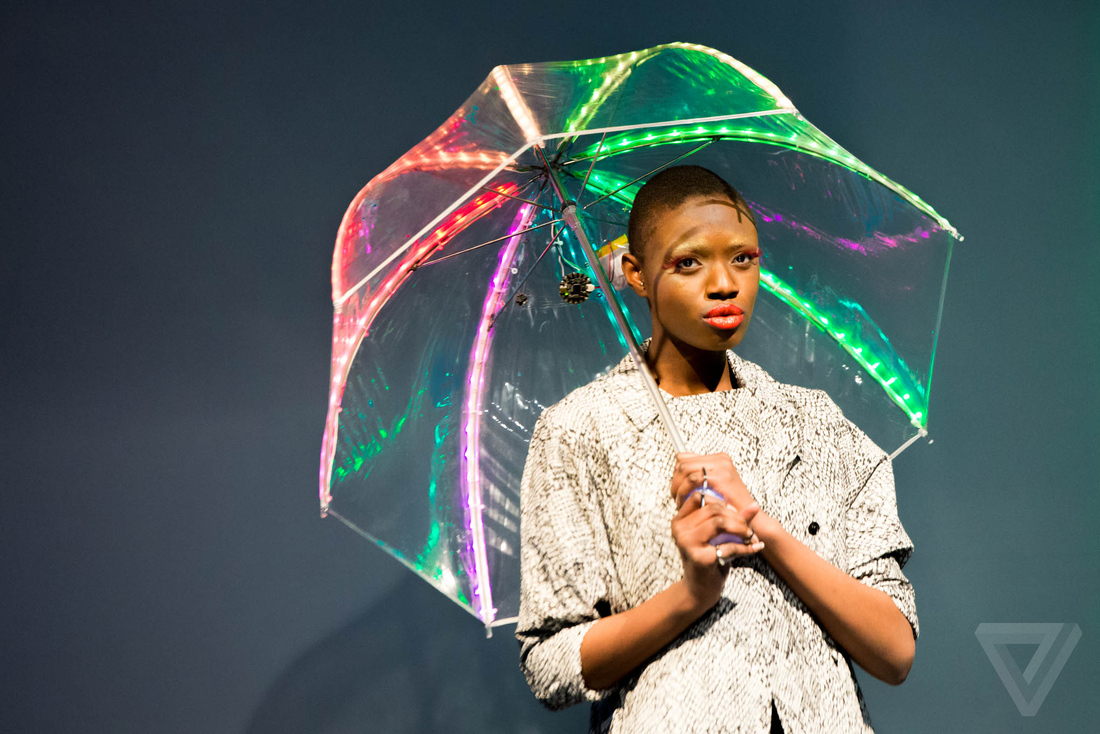
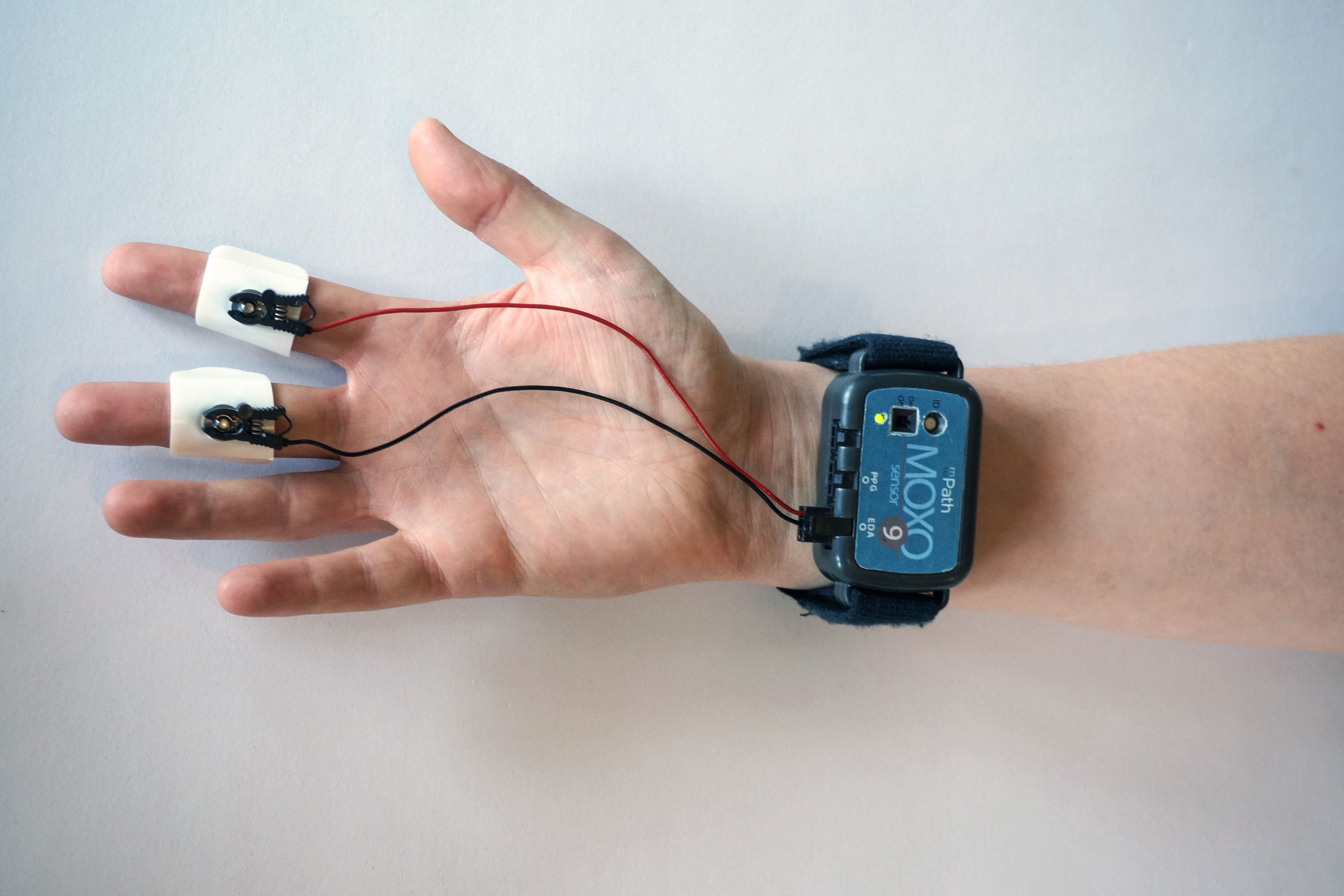
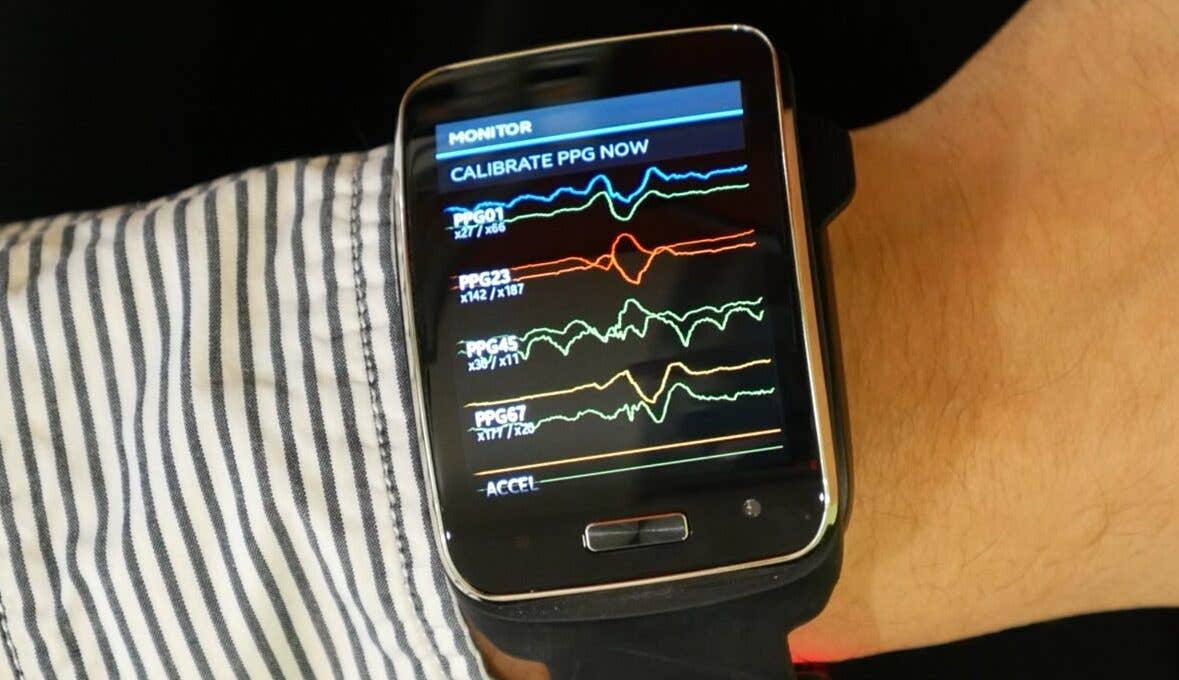
Wearable tech took a surreal turn at CES 2026. Several companies showcased garments embedded with sensors that respond to physical and emotional states.
Demonstrations included:
-
Jackets that tighten for posture correction
-
Shirts that change color based on mood
-
Accessories that vibrate to guide breathing patterns


Fashion or Function?
While the engineering impressed attendees, reactions were mixed. Some saw potential for wellness and accessibility. Others questioned comfort, durability, and whether anyone truly wants their clothes to “feel” them.
Smart Home Devices That Solve Problems You Didn’t Know You Had
Hyper-Specific Automation
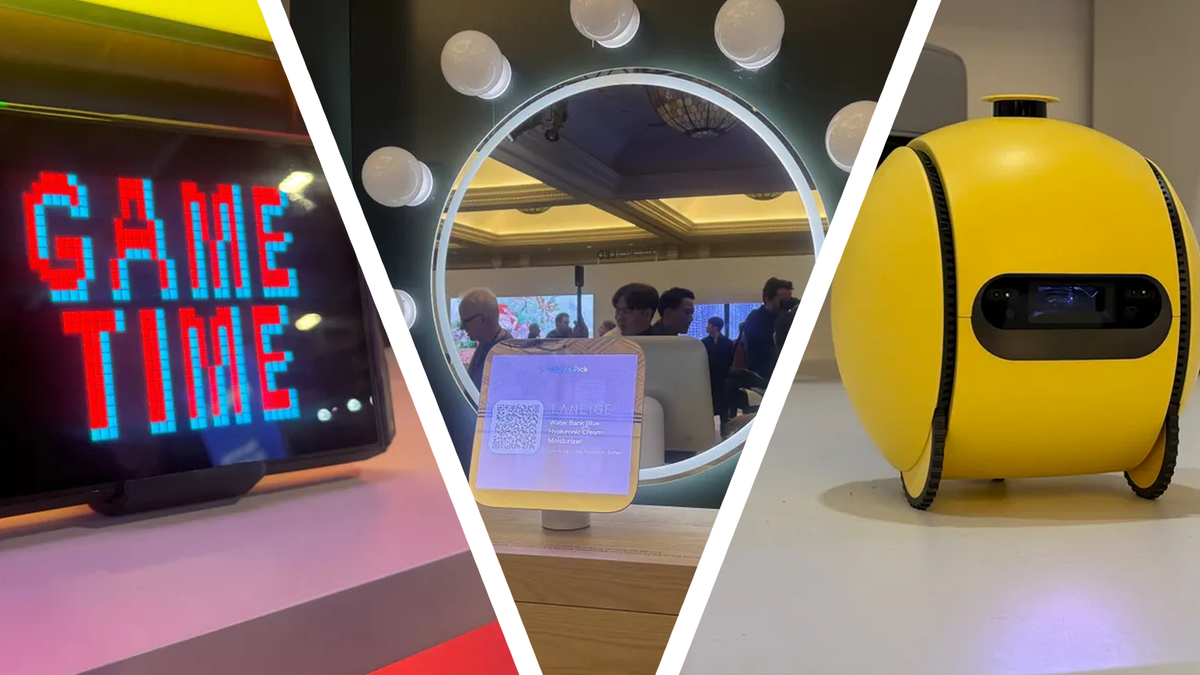
CES 2026 introduced a new class of smart home gadgets focused on extremely narrow tasks. Among the most talked-about:
-
A device that monitors and corrects refrigerator door behavior
-
A smart trash can that analyzes household waste patterns
-
AI-powered scent diffusers that adjust based on time of day and activity





Innovation or Overengineering?
These products sparked debate about whether convenience has gone too far. Still, similar skepticism once surrounded smart speakers and robot vacuums—both now mainstream.
Transportation Tech That Looks Like Science Fiction
Micro-Mobility Gets Strange
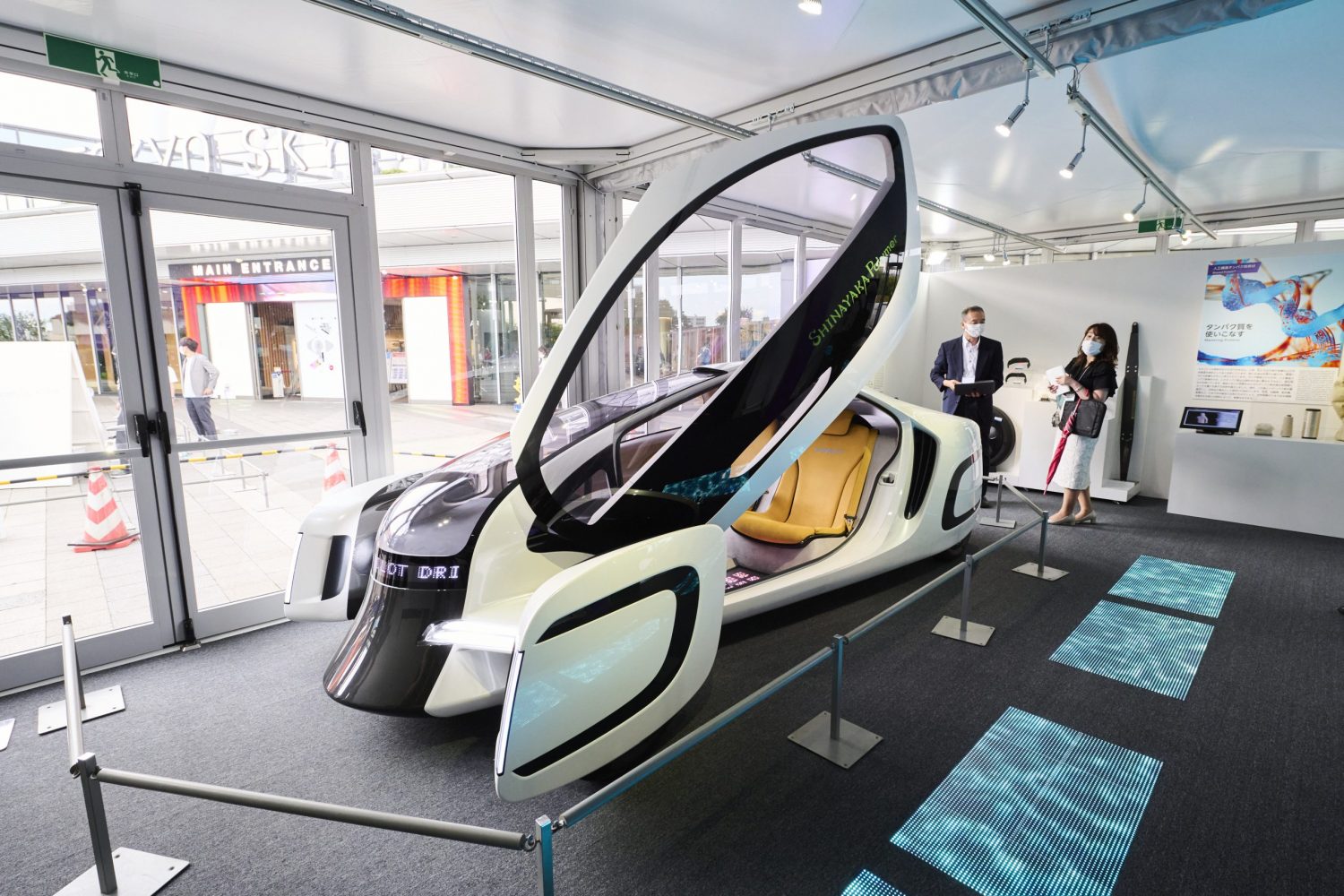
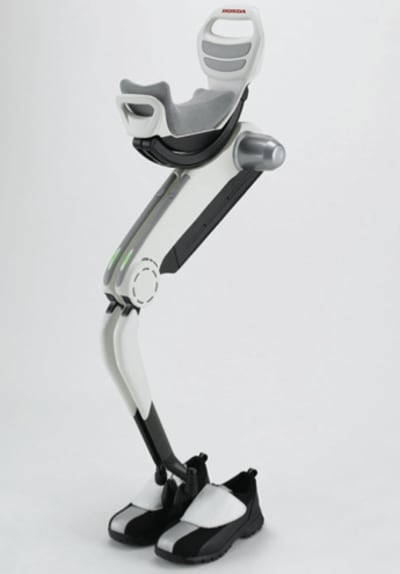
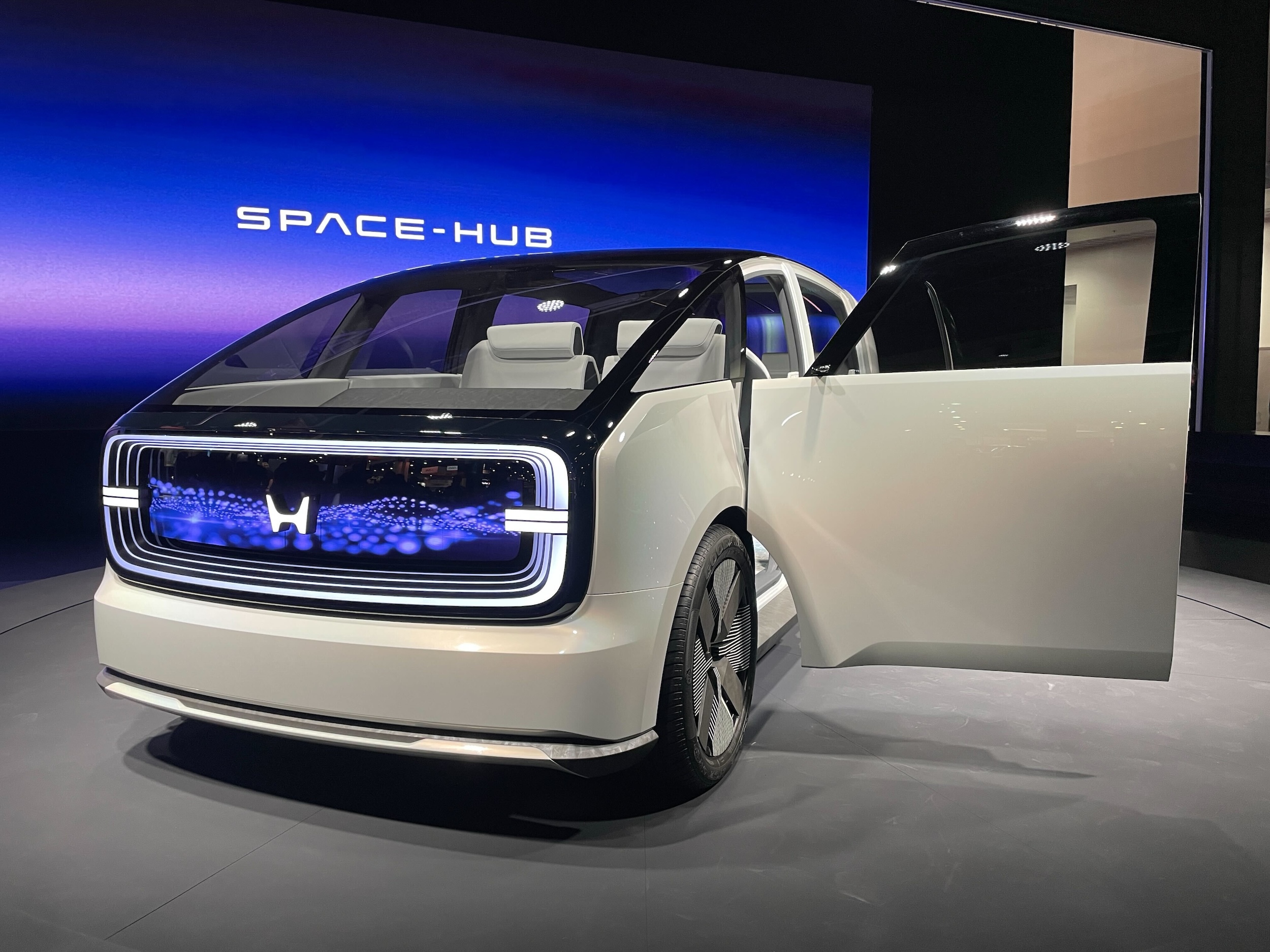
CES has long been a showcase for transportation concepts, but 2026 leaned heavily into experimental design. Highlights included:
-
Standing-only electric pods
-
AI-stabilized one-wheel commuters
-
Modular personal vehicles that reconfigure mid-ride




Will These Ever Hit the Streets?
Many of these concepts face regulatory and safety hurdles. Still, they offer a glimpse into how urban mobility could evolve—especially in dense, car-restricted cities.
Health Tech That Crosses New Boundaries
Biofeedback Meets Everyday Life
Health-focused tech at CES 2026 went beyond fitness tracking. Several devices promised real-time biological feedback integrated into daily routines.
Examples included:
-
Wearables that detect dehydration before symptoms appear
-
Earbuds that monitor neurological signals
-
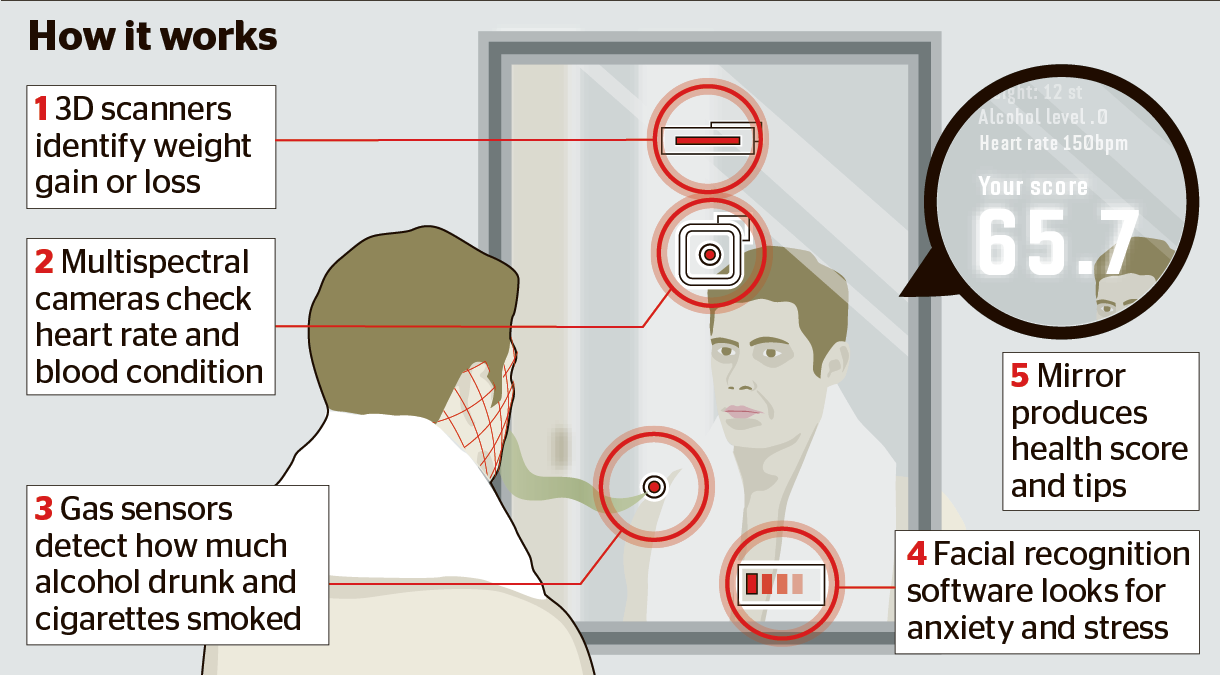
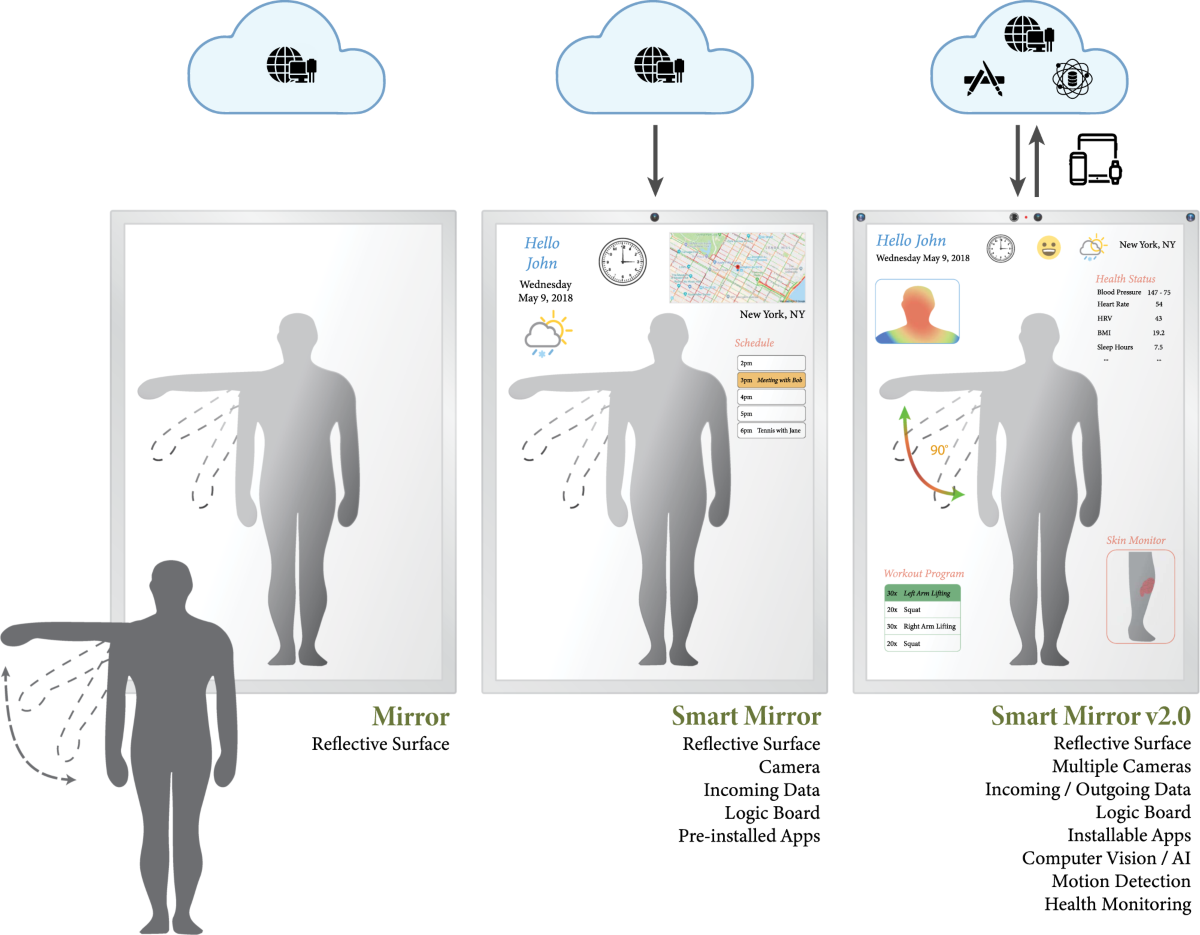
Smart mirrors analyzing skin health and fatigue




Promise and Privacy
While the potential benefits are significant, these devices also raise serious questions about data ownership, medical accuracy, and regulation.
Robots That Blur the Line Between Tool and Companion
Not Quite Helpers, Not Quite Friends
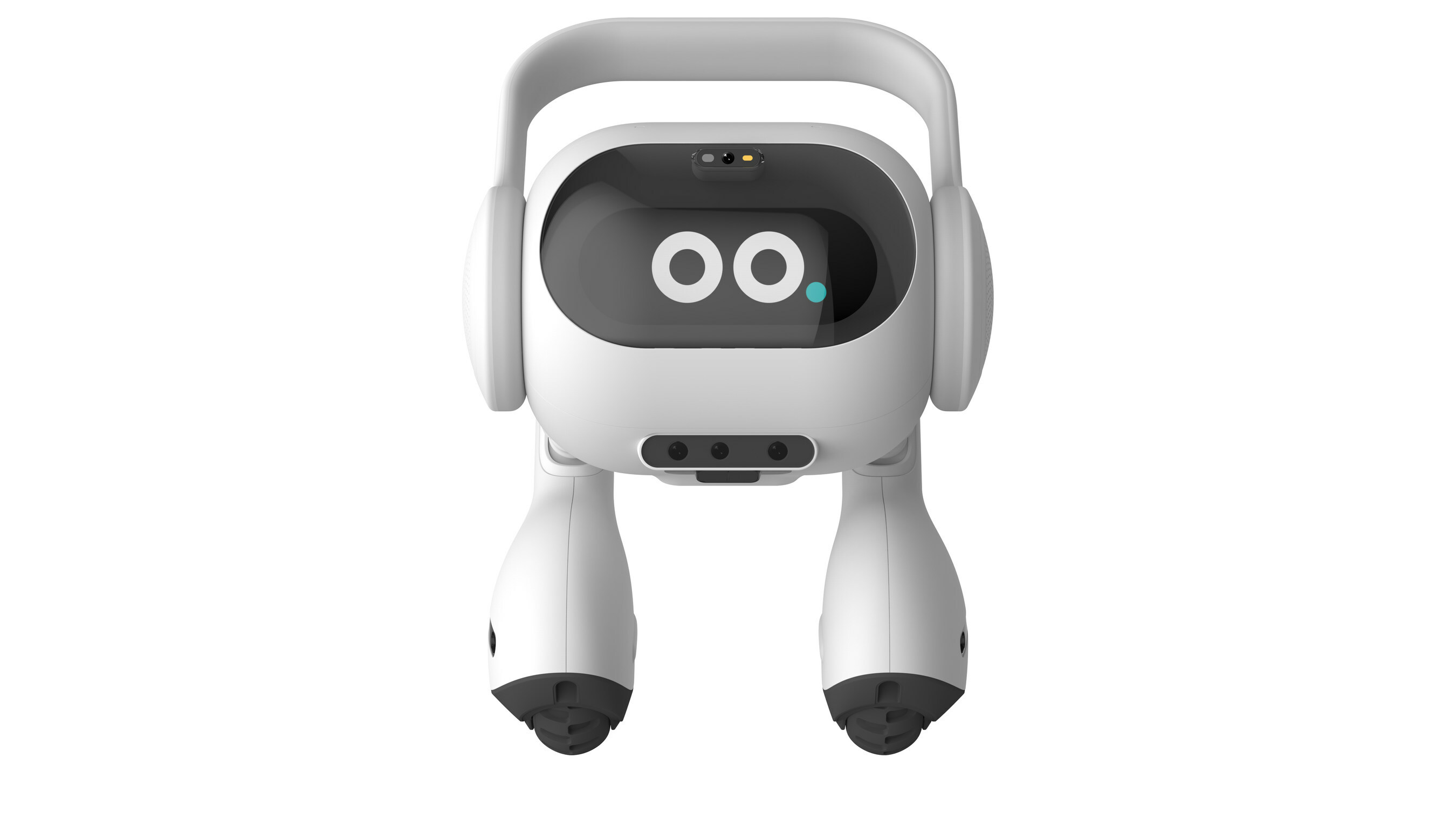
Robotics at CES 2026 leaned heavily into personality. Some robots were designed to:
-
Follow users around the home
-
Offer reminders and encouragement
-
Learn routines over time
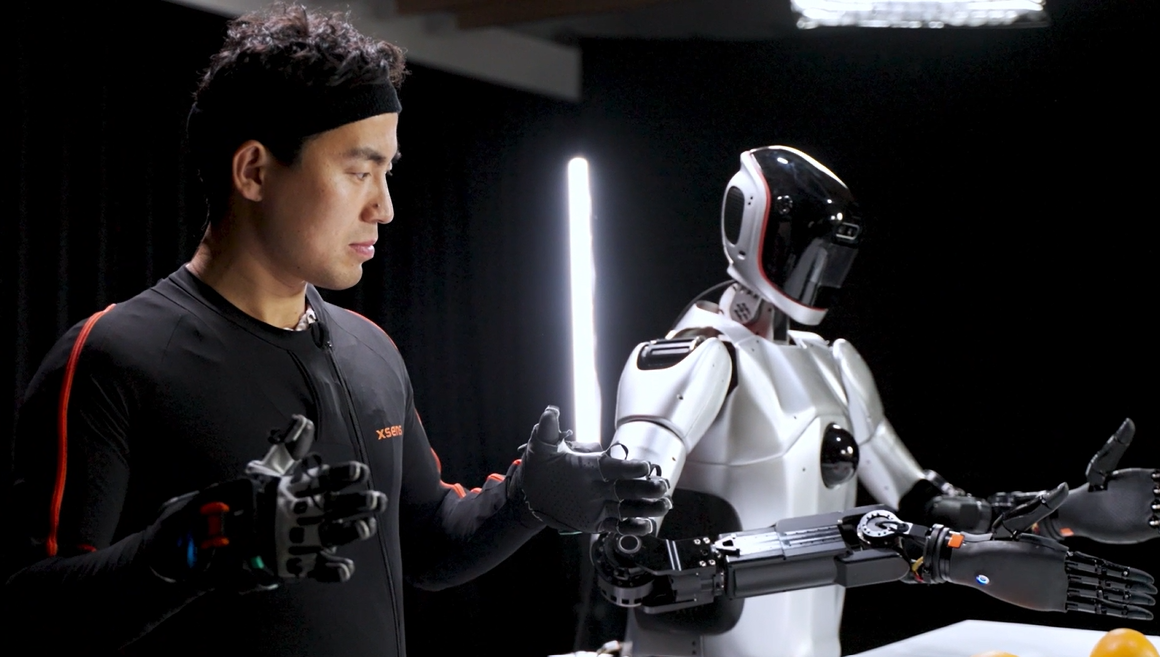
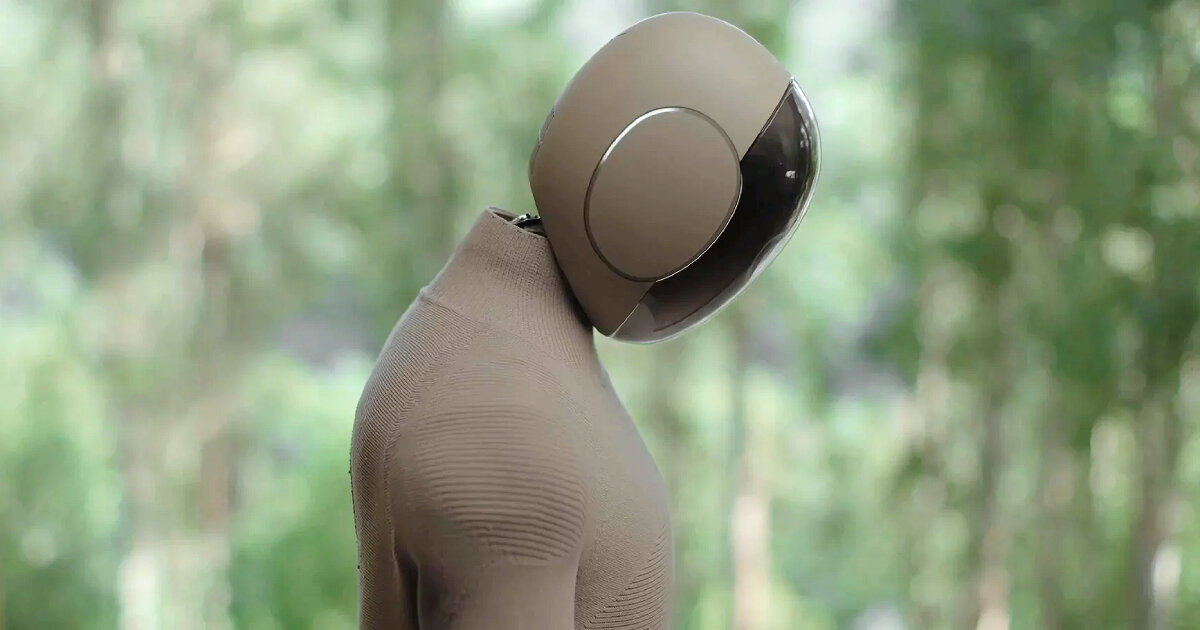
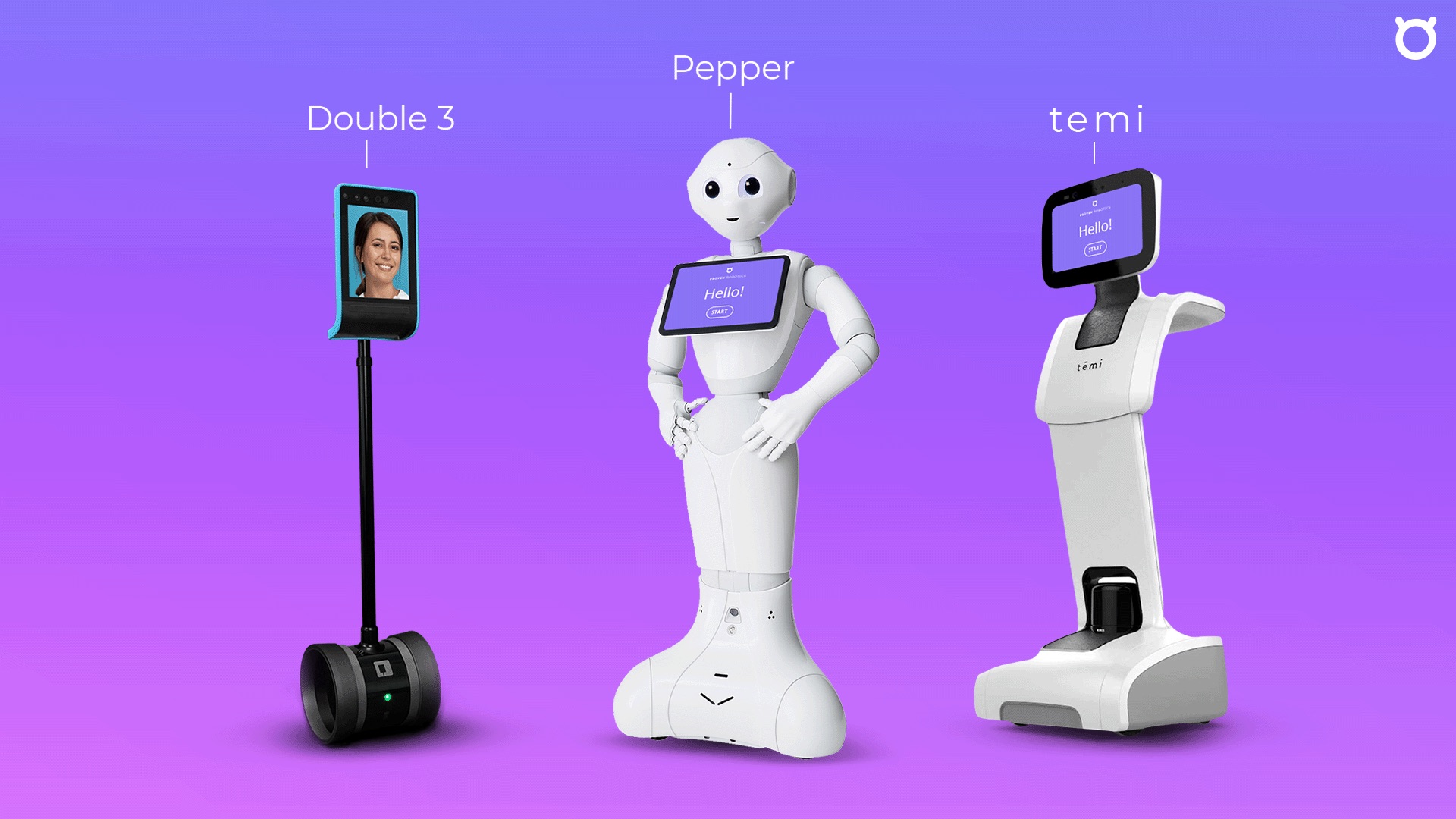
Their humanoid gestures and expressive displays captivated crowds—but also reignited the debate over anthropomorphism in machines.

Why Bizarre Tech Matters More Than It Seems
Innovation Needs Space to Fail
Many of the strangest products at CES 2026 will never reach store shelves. But that doesn’t make them pointless.
Bizarre tech serves a crucial role by:
-
Challenging assumptions about usability
-
Exploring untested interactions
-
Inspiring more refined future products
History shows that today’s odd ideas often become tomorrow’s essentials—after they’re simplified.
The Internet’s Reaction: Confusion, Fascination, and Virality
As expected, clips of the strangest CES gadgets spread rapidly online. Social media reactions ranged from delight to disbelief, proving that weird tech remains a powerful attention driver.
For startups, that attention can mean:
-
Increased visibility
-
Investor interest
-
Valuable user feedback
Even skepticism has marketing value.
What CES 2026 Tells Us About the Future of Tech
Personal, Emotional, and Experimental
The overarching themes of CES 2026’s most bizarre tech point toward a future where technology is:
-
More personal
-
More emotionally aware
-
More deeply integrated into daily life
Whether that future excites or alarms depends largely on execution—and trust.
Conclusion: Today’s Weird Is Tomorrow’s Normal
CES 2026 once again proved that innovation doesn’t always arrive polished. Sometimes it arrives awkward, excessive, or confusing.
But within those strange designs are signals of what’s coming next.
From emotionally responsive AI to hyper-personalized wearables, the most bizarre tech at CES 2026 reminds us that progress often begins at the edge of comfort. Not every idea will survive—but every idea pushes the industry forward.
And in a world increasingly shaped by technology, a little weirdness might be exactly what innovation needs.