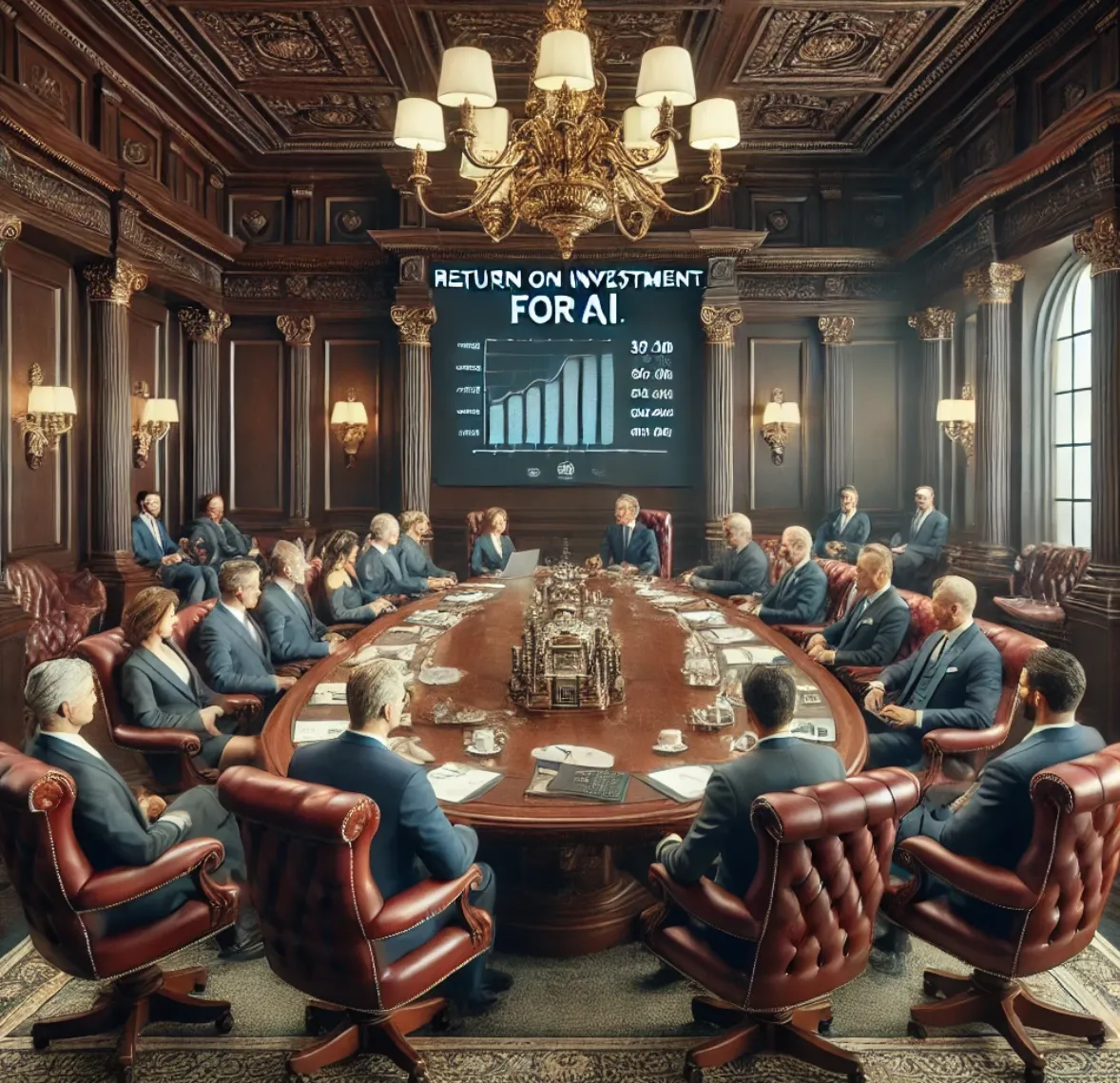
The End of the AI Gold Rush Mentality
For the past few years, artificial intelligence has dominated headlines, boardrooms, and investor decks. Every company seemed to be “AI-powered,” every startup pitch mentioned large language models, and every product launch promised transformation.
But according to a growing consensus across the tech industry—and as recently analyzed by TechCrunch—2026 will mark a turning point.
AI is moving out of its hype phase and into something far more demanding: pragmatism.
That doesn’t mean AI is fading. Quite the opposite. It means the era of experimentation for experimentation’s sake is ending, and the era of measurable value, operational reliability, and real-world constraints is beginning.
Image: Abstract illustration of AI shifting from concept to real-world application

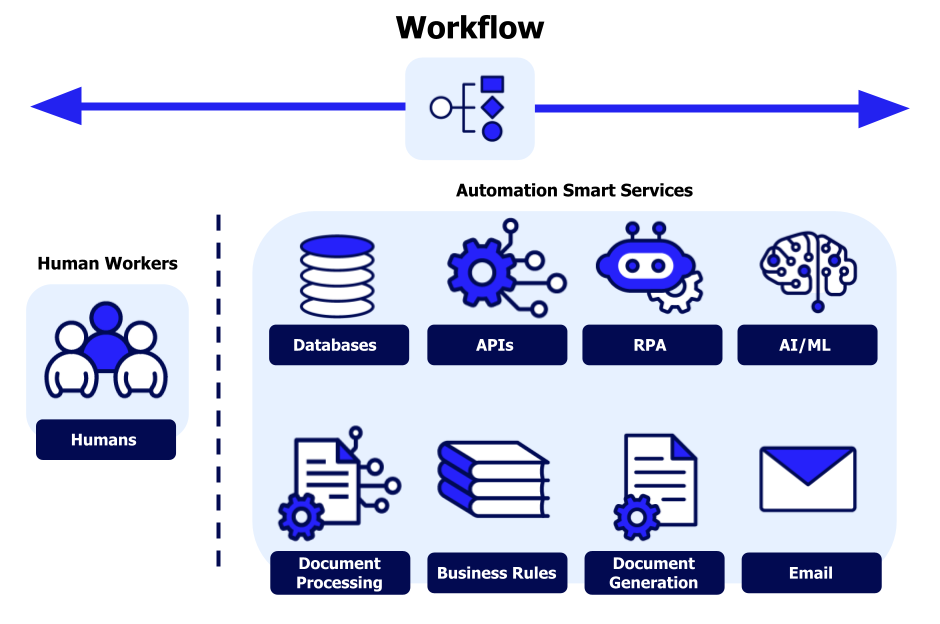
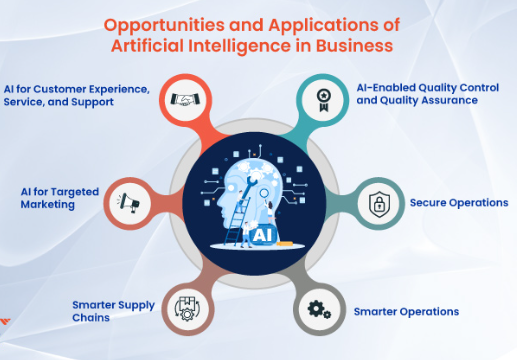
What “AI Pragmatism” Actually Means
AI pragmatism is not about lowering ambition—it’s about sharpening focus.
In practical terms, it means companies are now asking:
-
Does this AI system save money or time?
-
Can it be deployed reliably at scale?
-
Who is accountable when it fails?
-
Is the output accurate, secure, and compliant?
In 2026, AI will no longer be judged by demos, but by performance in production environments.
Why the Hype Phase Had to End
The initial AI boom followed a familiar tech pattern:
-
Breakthrough technology emerges
-
Massive investment rushes in
-
Expectations outpace reality
-
Reality forces recalibration
Generative AI tools dazzled users, but many organizations discovered limits once they tried to integrate them into:
-
Legacy systems
-
Regulated industries
-
Mission-critical workflows
The result? A necessary reset.
Enterprises Are Leading the Shift
The biggest drivers of AI pragmatism are not consumers—they’re enterprises.
Large organizations are now:
-
Reducing the number of AI vendors they use
-
Prioritizing integration over novelty
-
Demanding explainability and auditability
-
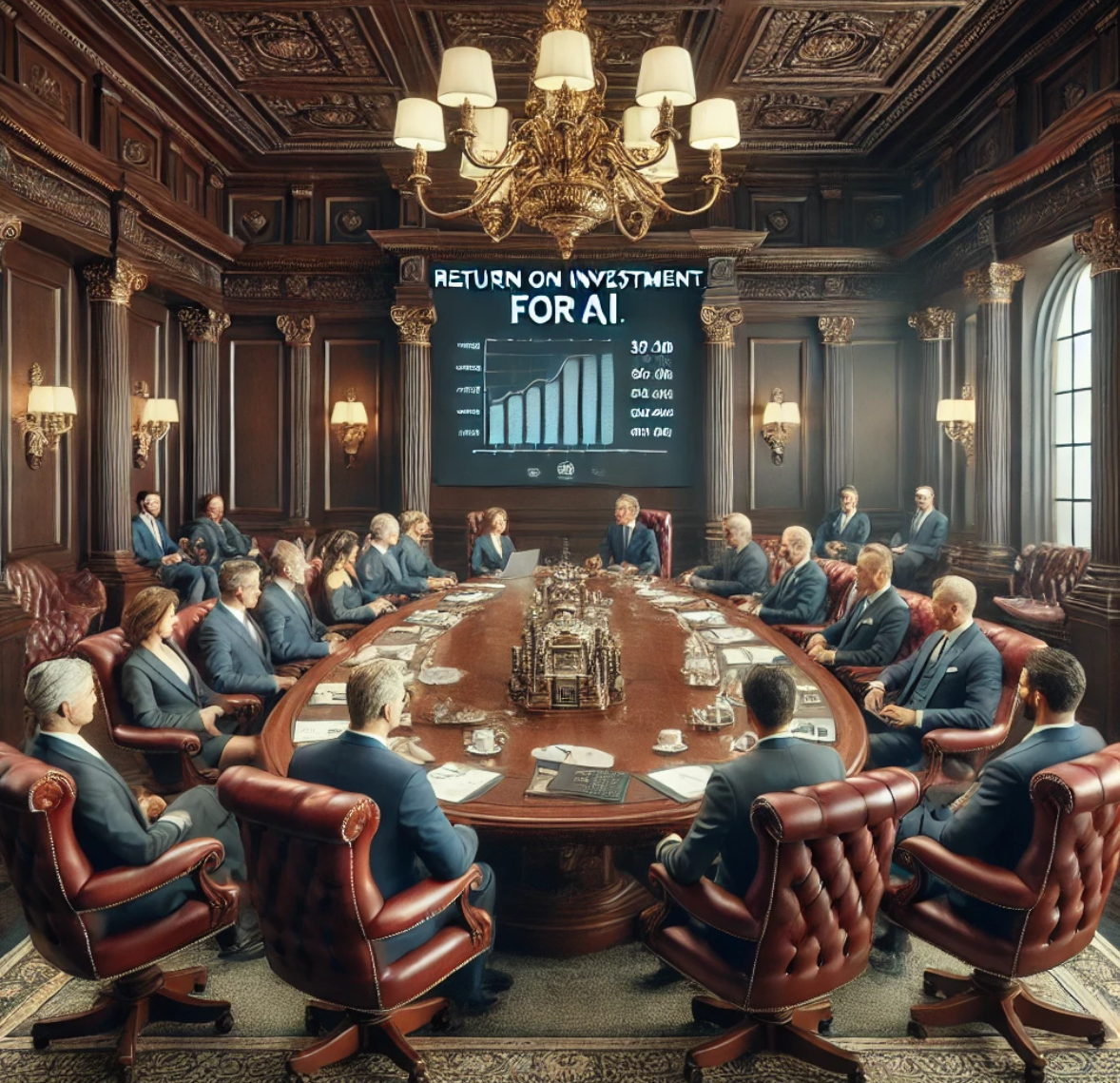
Measuring ROI quarter by quarter
Instead of asking “What can AI do?”, leaders are asking “What problem should AI solve?”
Image: Corporate team reviewing AI dashboards and analytics
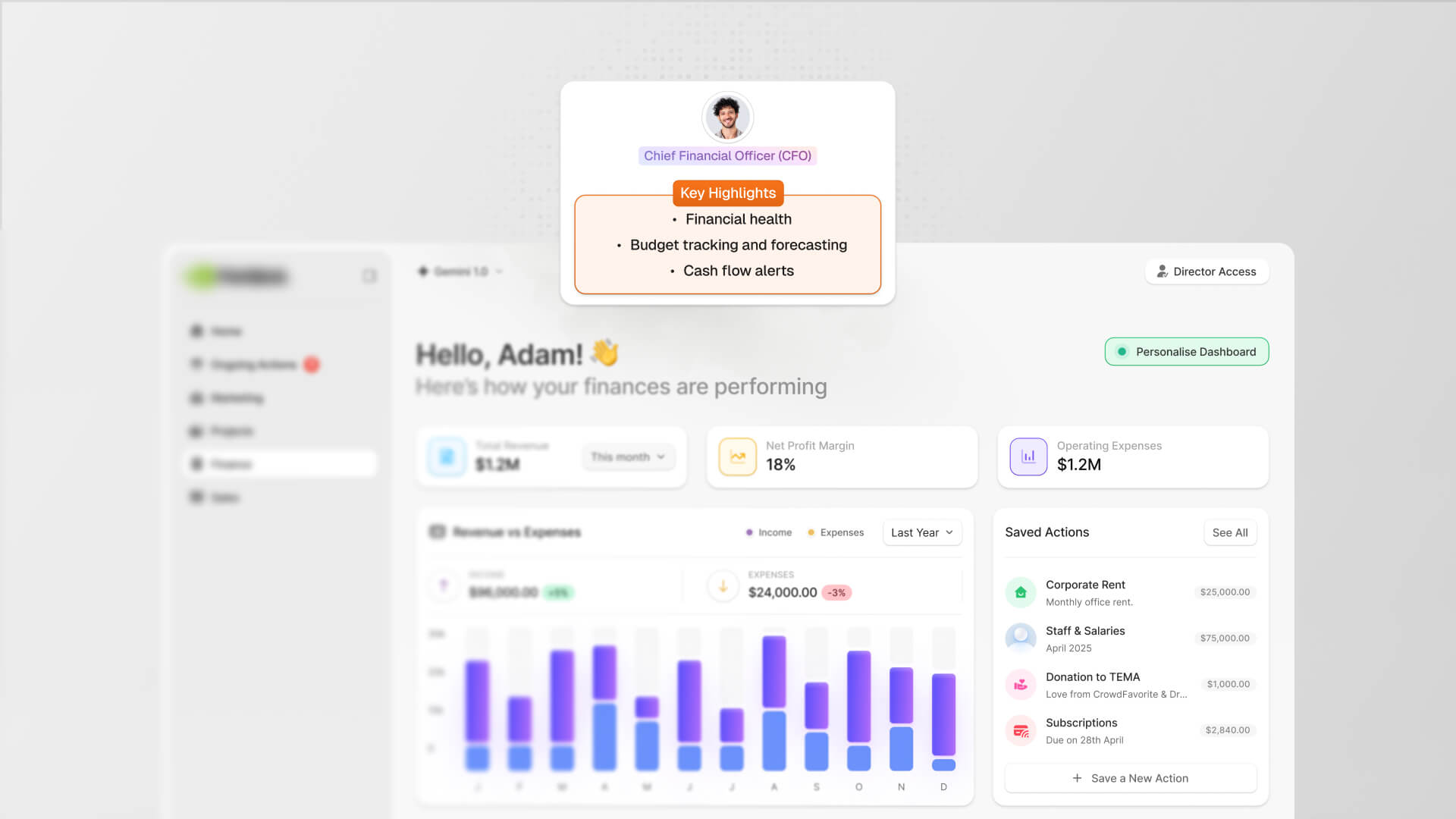
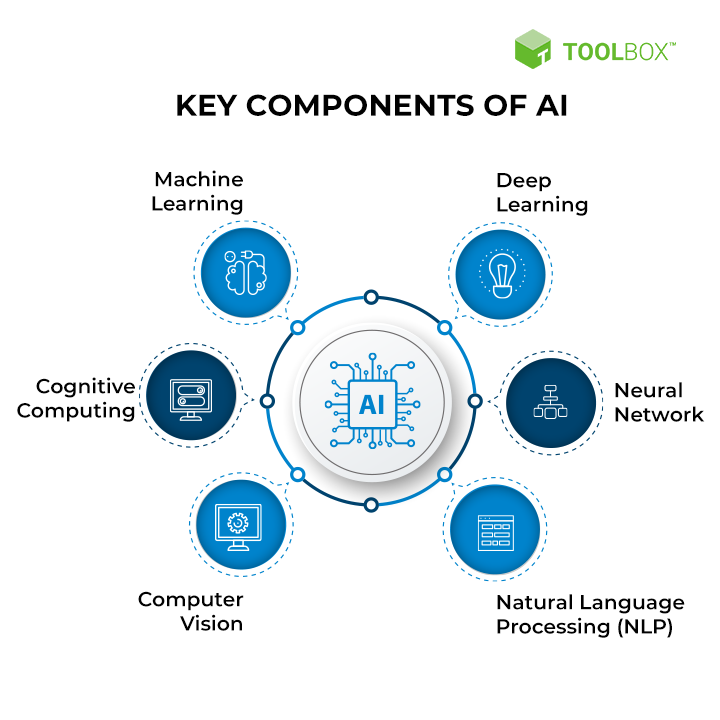
Fewer Models, More Value
One clear trend heading into 2026 is consolidation.
Rather than experimenting with dozens of models, companies are:
-
Standardizing on a small number of trusted AI systems
-
Investing in customization and fine-tuning
-
Building internal expertise instead of outsourcing everything
This shift favors reliability over raw capability. The best model isn’t the most powerful—it’s the one that fits the job consistently.
From Generative Hype to Operational AI
Generative AI captured attention because it was visible: chatbots, images, text, and code generation.
But pragmatic AI in 2026 will often be invisible, embedded into:
-
Supply chain optimization
-
Fraud detection
-
Predictive maintenance
-
Customer support routing
-
Internal decision support
These systems don’t make headlines—but they deliver value.
Regulation Is Forcing Maturity
Another major force behind AI pragmatism is regulation.
Governments worldwide are tightening expectations around:
-
Data privacy
-
Bias and fairness
-
Transparency
-
Accountability
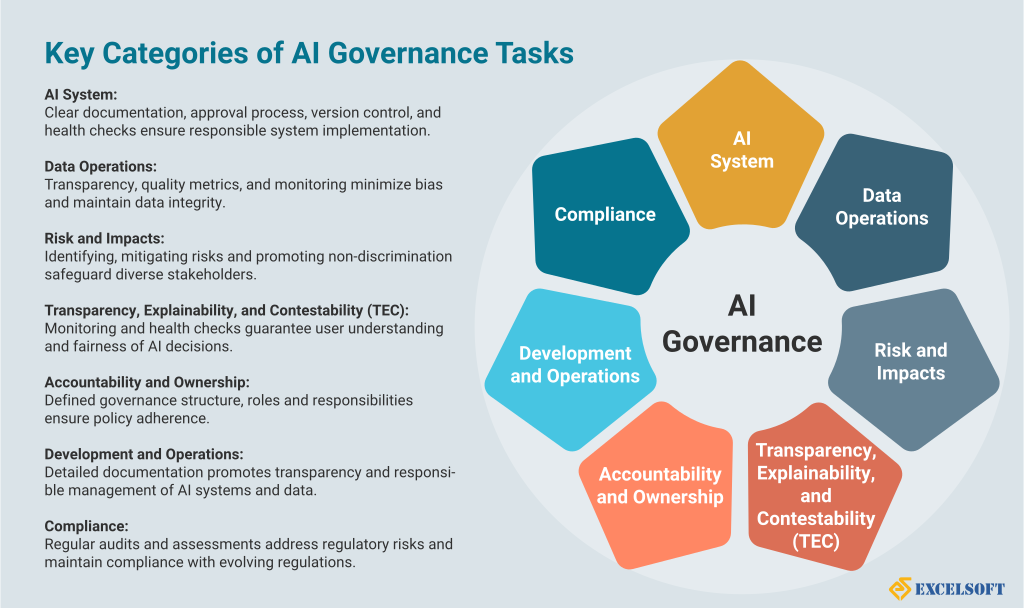
In response, companies are designing AI systems that are:
-
Auditable
-
Interpretable
-
Constrained by policy
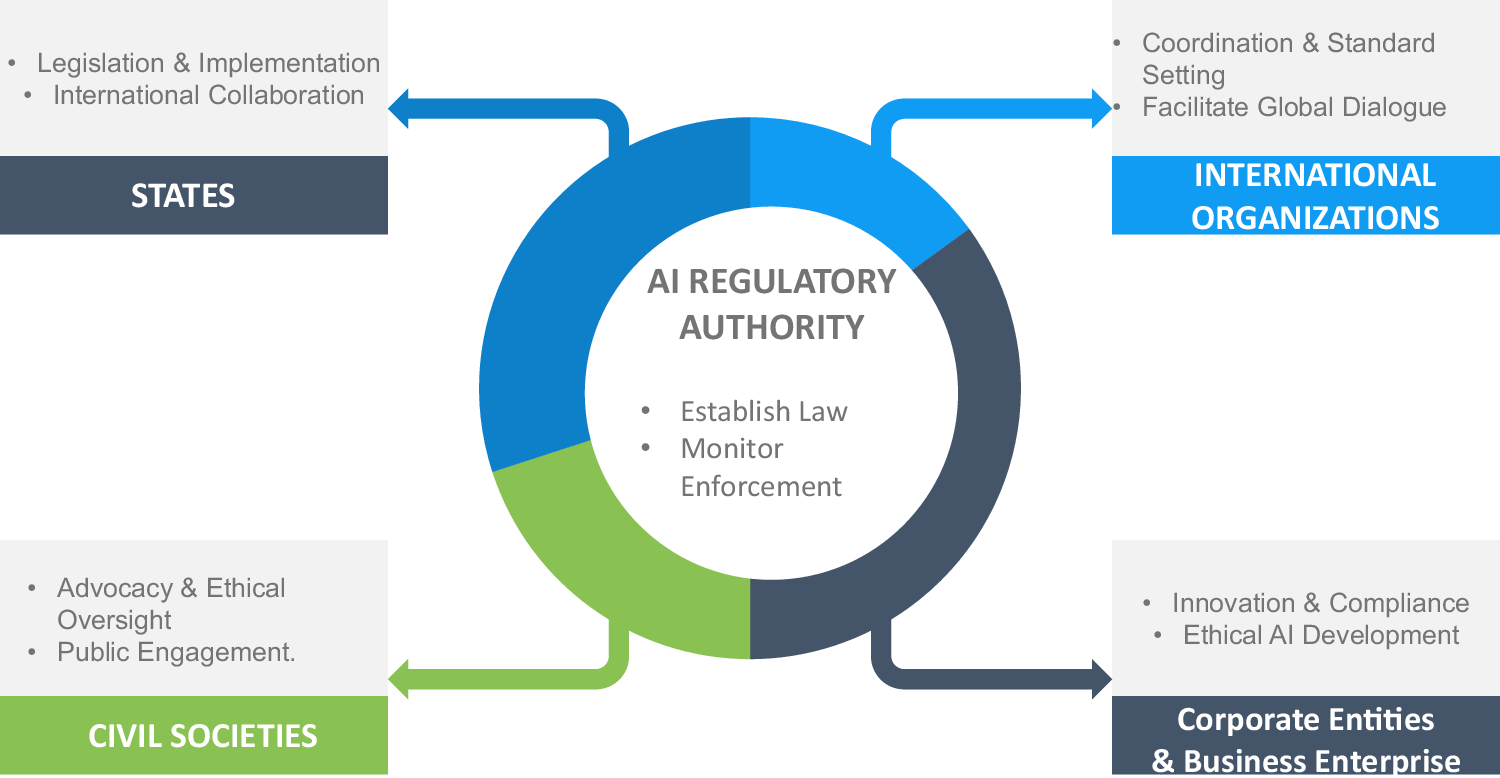
This regulatory pressure is accelerating the move away from experimental deployments toward production-grade AI.
Image: Government and technology icons symbolizing AI regulation

The Talent Shift: Fewer Prompt Engineers, More Systems Thinkers
In the hype phase, demand exploded for:
-
Prompt engineers
-
AI evangelists
-
Demo-focused roles
In 2026, hiring priorities are changing.
Companies now want:
-
Machine learning engineers who understand infrastructure
-
Product managers who can scope AI realistically
-
Legal and compliance experts who work alongside AI teams
-
Operators who can monitor, retrain, and maintain models
AI is becoming an operational discipline, not a novelty skill.
Investors Are Changing the Questions They Ask
Venture capital and private equity firms are also adapting.
Instead of asking:
-
“How big is the AI market?”
They’re asking:
-
“How defensible is this use case?”
-
“What’s the cost of inference at scale?”
-
“How sticky is this product without hype?”
Startups that can’t answer these questions are finding fundraising far more difficult than in the peak AI frenzy.
What This Means for Startups
For AI startups, 2026 will be more challenging—but also more rewarding.
The winners will be those that:
-
Solve specific, painful problems
-
Integrate deeply into customer workflows
-
Prove economic value early
-
Embrace constraints instead of ignoring them
The era of “AI for everything” is ending. The era of AI for something specific is here.
Image: Startup team building focused AI solution

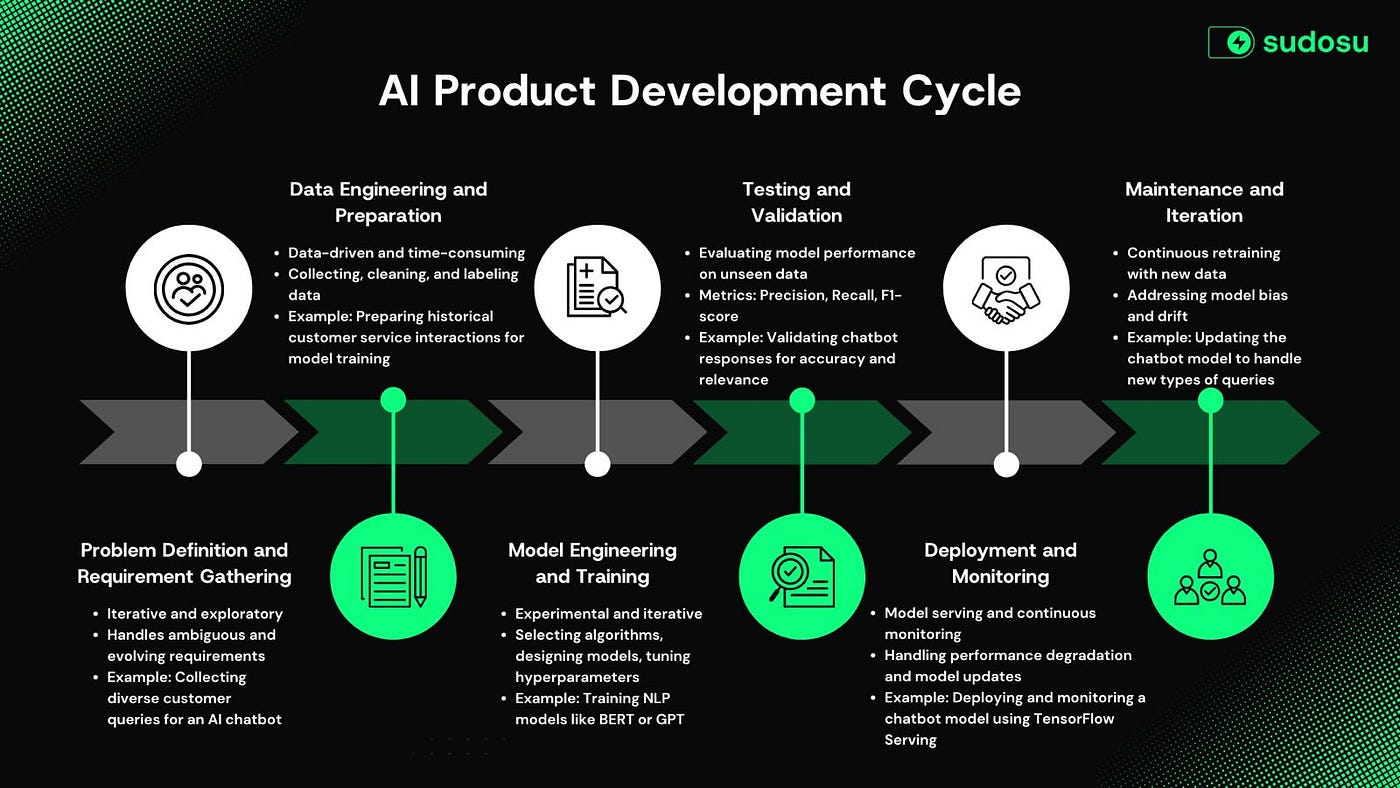

Consumers Will Feel the Difference—Subtly
For everyday users, the shift to pragmatism may not feel dramatic.
AI features will:
-
Break less often
-
Hallucinate less
-
Feel more predictable
-
Be better aligned with expectations
Instead of being amazed, users will simply rely on AI—which is the ultimate sign of maturity.
AI Is Becoming Infrastructure
Perhaps the most important change in 2026 is conceptual.
AI is no longer being treated as:
“A magical layer on top of everything.”
It’s becoming:
“A core layer of digital infrastructure.”
Like cloud computing or databases before it, AI is settling into a role where:
-
Reliability matters more than novelty
-
Integration matters more than headlines
-
Maintenance matters as much as innovation
The Companies That Will Win in 2026
As AI enters its pragmatic phase, successful organizations will share common traits:
-
Clear AI strategy tied to business outcomes
-
Strong data foundations
-
Cross-functional collaboration
-
Willingness to say no to unnecessary AI projects
In short, they will treat AI not as a revolution—but as a tool.
Final Thoughts: Pragmatism Is a Sign of Success
The move from hype to pragmatism is not a failure of AI—it’s proof that AI is growing up.
In 2026, artificial intelligence won’t need to shout to be impressive. It will:
-
Quietly optimize systems
-
Reduce friction
-
Improve decisions
-
Deliver value without spectacle
The companies that understand this shift won’t be the loudest voices in the room—but they will be the ones still standing when the noise fades.
AI’s future isn’t about promises anymore.
It’s about results.