Europe’s Quiet Deep-Tech Revolution
For years, Europe has been accused of producing brilliant research—but failing to turn it into world-beating companies. That narrative is now outdated.
A new analysis reveals that 76 European deep-tech startups spun out of universities have reached either unicorn or centaur status, demonstrating that Europe’s labs, campuses, and research institutes are quietly becoming some of the most powerful startup engines in the world.
These companies didn’t emerge from dorm-room apps or quick-turn SaaS ideas. They came from years of scientific research, often tackling problems in AI, biotech, climate tech, robotics, and advanced materials.
This is not hype. It’s proof of a structural shift.
What Are Unicorns and Centaurs—and Why They Matter
Before diving deeper, it’s worth clarifying the terms.
-
Unicorn: A privately held startup valued at $1 billion or more
-
Centaur: A fast-growing company generating $100 million+ in annual revenue
Deep-tech startups rarely reach these milestones quickly. Their journeys are longer, more capital-intensive, and more technically complex. That makes the achievement of 76 such companies especially significant.
Why University Spinouts Are Different
Unlike traditional startups, university spinouts begin with:
-
Peer-reviewed research
-
Patented intellectual property
-
Founders with deep technical expertise
These companies often spend years in development before reaching market—but once they do, their technology is difficult to replicate.
That defensibility is exactly what long-term investors are looking for.
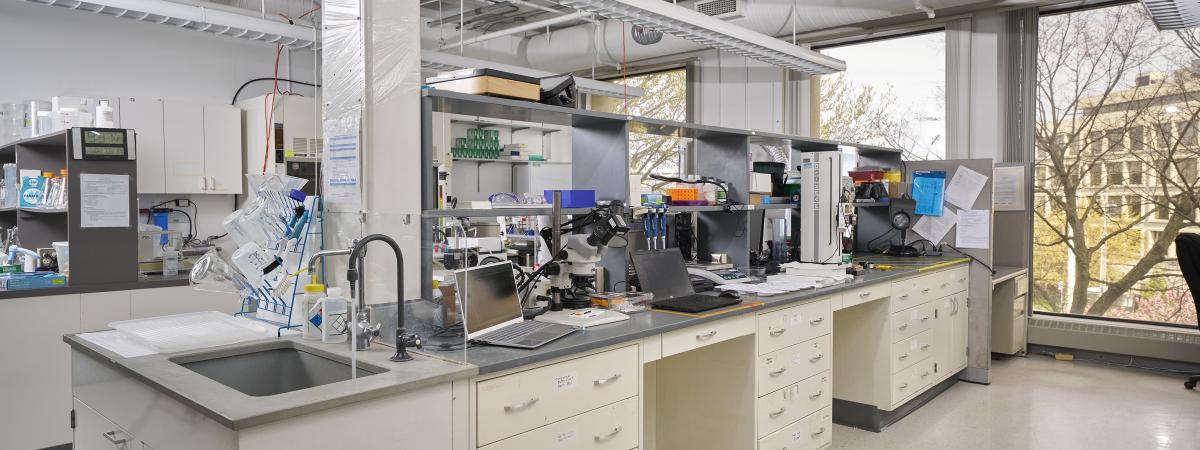
Image: Researchers transitioning from laboratory to startup office
The Universities Powering Europe’s Startup Boom
A relatively small number of elite institutions are responsible for a disproportionate share of these high-value spinouts.
Among the most influential are:
-
University of Oxford
-
ETH Zurich
-
University of Cambridge
-
Imperial College London
These universities combine world-class research with increasingly sophisticated commercialization offices, venture funds, and founder support systems.
Where These Deep-Tech Unicorns Are Concentrated
Geographically, the spinouts are not evenly distributed.
Key European Hotspots:
-
United Kingdom
-
Germany
-
France
-
Switzerland
-
The Netherlands
These countries benefit from:
-
Strong public research funding
-
Mature venture capital ecosystems
-
Policies supporting tech transfer
London, Paris, Berlin, and Zurich have become magnets for deep-tech investment.
The Sectors Leading the Charge
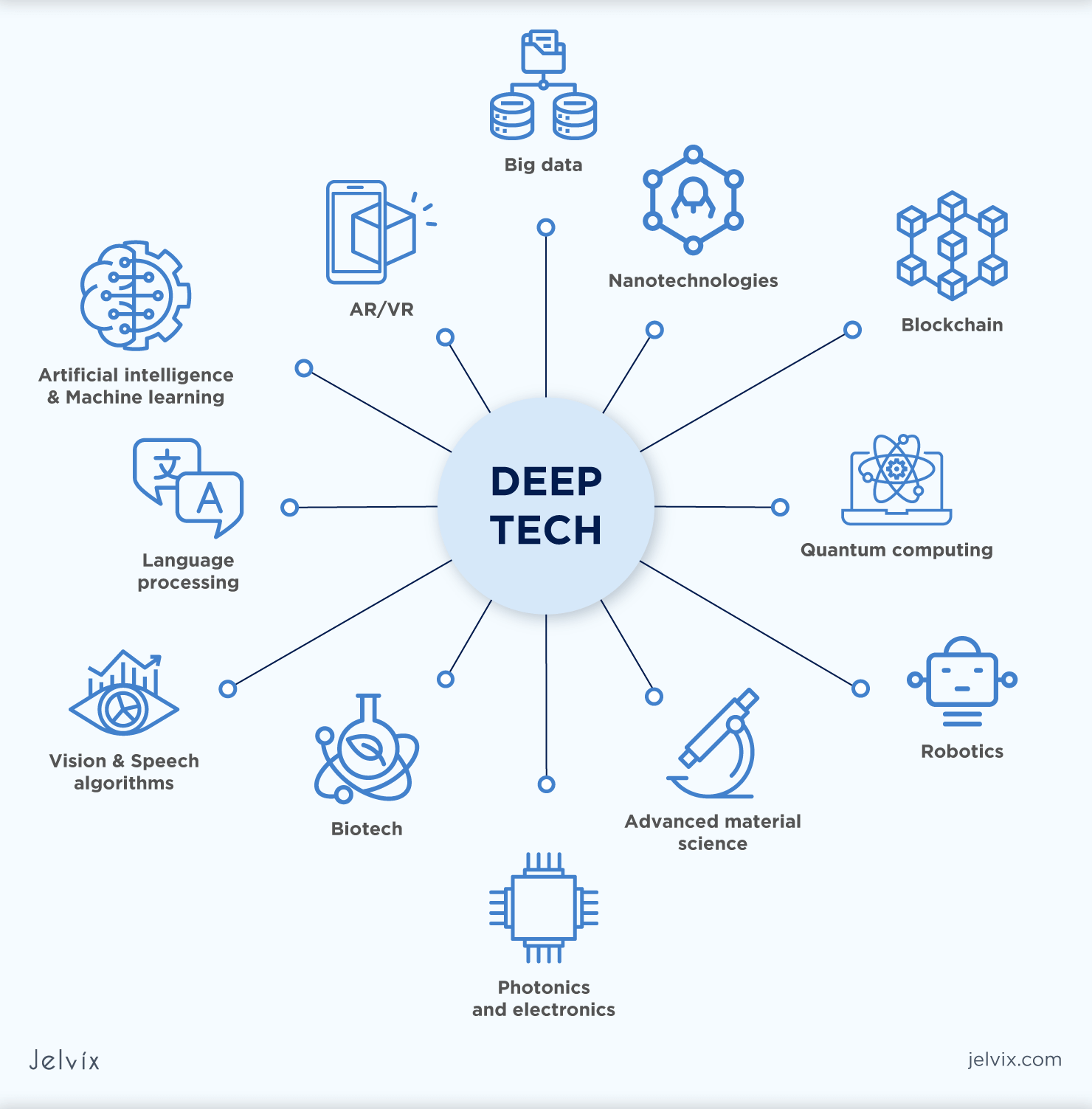
Not all deep-tech categories are growing at the same pace. The most successful spinouts cluster around a few key areas.
Top Deep-Tech Sectors:
-
Artificial intelligence and machine learning
-
Biotechnology and life sciences
-
Climate and energy technology
-
Robotics and advanced manufacturing
-
Quantum computing and photonics
These fields align closely with Europe’s traditional strengths in science and engineering.
Image: AI, biotech, and robotics concept collage


Why Investors Are Paying Attention Now
Venture capitalists have historically been cautious about deep tech. The timelines are long, the risks are real, and the capital requirements are high.
That’s changing.
Investors now see that:
-
Deep tech creates defensible moats
-
Scientific breakthroughs unlock massive markets
-
Europe offers valuations often lower than the U.S.
As a result, late-stage funding rounds for European spinouts are growing rapidly.
The Role of Patient Capital
One of the most important factors behind these 76 success stories is patient capital.
Unlike consumer startups, deep-tech ventures require:
-
Long research and validation cycles
-
Regulatory approvals
-
Specialized talent
European investors, public funds, and sovereign wealth vehicles have become increasingly comfortable supporting these longer journeys.
From Spinout to Scaleup: What Changed?
Historically, many European spinouts stalled after early success. Today, several structural improvements are helping them scale.
What’s Different Now:
-
Professionalized tech-transfer offices
-
Founders with both academic and commercial experience
-
Better access to international markets
-
Stronger founder-friendly IP policies
Universities are no longer just research hubs—they’re startup factories.
Image: University innovation hub with startup teams


Why This Matters for Europe’s Global Standing
For decades, Europe watched the U.S. dominate tech unicorn creation. These 76 deep-tech successes signal a rebalancing.
Europe’s advantage lies in:
-
Foundational science
-
Engineering depth
-
Mission-driven innovation
As global challenges like climate change, aging populations, and energy security intensify, deep tech—not consumer apps—will drive the next wave of economic power.
Lessons for Aspiring Founders
The success of these spinouts offers clear lessons.
What Works:
-
Start with real research, not hype
-
Protect and structure IP early
-
Build teams that mix academia and industry
-
Think globally from day one
Deep tech rewards discipline, not shortcuts.
Challenges Still Remain
Despite the progress, obstacles persist.
Key challenges include:
-
Fragmented European markets
-
Regulatory complexity
-
Talent competition with the U.S.
But the existence of 76 unicorns and centaurs proves these challenges are no longer deal-breakers.
The Next 76 Are Already in the Labs
Perhaps the most exciting takeaway is what comes next.
Behind today’s unicorns are:
-
Thousands of PhD projects
-
New discoveries in quantum, biology, and materials
-
Students already thinking like founders
Europe’s next generation of deep-tech giants is already being built—quietly, methodically, and scientifically.
Final Thoughts: Europe’s Brainpower Is Finally Compounding
The rise of 76 European deep-tech university spinouts to unicorn and centaur status marks a turning point.
It shows that:
-
Research can scale
-
Patience pays
-
Europe’s innovation model works
This isn’t a bubble. It’s the compounding effect of decades of scientific investment finally meeting the right entrepreneurial infrastructure.
Europe didn’t need to copy Silicon Valley. It just needed to believe in its own labs.