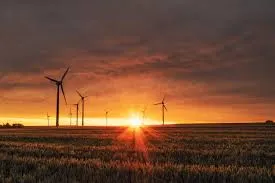
Google and Tesla Say the Power Grid Is Broken—And They Have a Radical Idea to Fix It
The global energy system is undergoing one of the most significant transformations in modern history.
As renewable energy expands and electricity demand grows, traditional power grids are facing unprecedented pressure. Now, some of the world’s biggest technology companies are arguing that the problem is not just about generating more electricity—it’s about how we manage it.
Leaders from companies like Google and Tesla believe the electrical grid is operating with outdated assumptions that no longer fit a world powered by renewable energy, electric vehicles, and distributed battery systems.
Their message is clear: if the grid doesn’t evolve quickly, it could become one of the biggest obstacles to the clean energy transition.
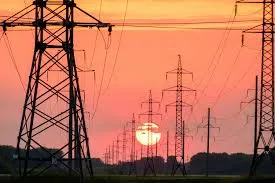
The Traditional Power Grid Model
For more than a century, the electrical grid has operated under a relatively simple model.
Large power plants generate electricity, which then flows through transmission lines to cities and communities. Consumers—homes, businesses, and factories—use the electricity as needed.
This centralized system worked well when power primarily came from coal, natural gas, or nuclear plants operating continuously.
However, the rise of renewable energy sources such as solar and wind has introduced new complexities.
Unlike traditional power plants, renewable energy production can fluctuate depending on weather conditions.
For example:
-
Solar panels produce energy only when the sun is shining
-
Wind turbines generate power only when wind speeds are adequate
These fluctuations create challenges for grid operators trying to balance supply and demand.
Why Google and Tesla See a Problem
Technology companies that operate massive data centers or produce large-scale energy systems are increasingly involved in the future of electricity infrastructure.
Both Google and Tesla have invested heavily in energy innovation.
Their perspective is that the current grid was designed for a different era.
Instead of a few massive power plants serving millions of consumers, the modern energy landscape includes thousands—sometimes millions—of smaller energy producers.
These may include:
-
rooftop solar systems
-
home battery storage units
-
electric vehicles capable of storing energy
-
microgrids powered by local renewables
According to advocates of grid modernization, the system should be redesigned to embrace this decentralization rather than resist it.
The Concept of a “Smart Grid”
One proposed solution is the development of a smart grid.
A smart grid uses advanced software, sensors, and artificial intelligence to manage electricity flows more efficiently.
Instead of relying on static infrastructure, a smart grid dynamically adjusts to changing energy conditions.
Key features may include:
-
real-time monitoring of electricity demand
-
automated balancing of supply and consumption
-
integration of renewable energy sources
-
energy storage optimization
In this model, millions of devices—from home batteries to electric vehicles—could become active participants in the energy system.
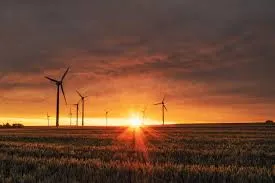
Tesla’s Vision: Batteries Everywhere
Tesla has been particularly vocal about the role of battery storage in transforming the grid.
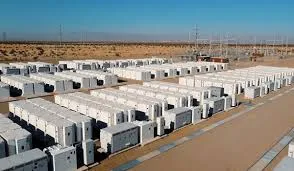
The company produces large-scale battery systems designed to store renewable energy and release it when demand rises.
These systems can help stabilize power grids by smoothing fluctuations in renewable energy production.
Tesla’s strategy involves multiple layers of storage:
-
Utility-scale batteries that support regional grids
-
Home battery systems connected to rooftop solar panels
-
Electric vehicles that may eventually supply energy back to the grid
If coordinated effectively, these systems could act as a massive distributed power network.
Instead of relying solely on traditional power plants, the grid could draw energy from thousands of smaller sources.
Google’s Approach: Data and AI
Google’s role in the energy conversation focuses heavily on data and artificial intelligence.
Operating massive data centers requires enormous amounts of electricity, pushing the company to explore smarter ways to manage energy use.
Google has been developing AI systems capable of predicting electricity demand and renewable energy production.
These tools could help grid operators:
-
forecast solar and wind output
-
anticipate peak electricity demand
-
optimize energy distribution across regions
By using advanced algorithms, the grid could become more responsive and efficient.
AI-powered energy management could also help utilities reduce waste and prevent outages.
The Growing Demand for Electricity
One reason grid modernization has become urgent is the rapid growth in electricity demand.
Several major trends are driving this surge.
Electric Vehicles
As EV adoption increases, millions of vehicles will require regular charging.
Data Centers
AI systems, cloud computing, and digital services consume massive amounts of energy.
Electrification
Industries and households are increasingly switching from fossil fuels to electric power for heating, cooking, and transportation.
All these factors place additional strain on existing infrastructure.
Without modernization, experts warn that power grids could struggle to keep up.
The Challenge of Grid Flexibility
One of the most difficult aspects of energy management is maintaining balance.
Electric grids must constantly match supply and demand.
If too much electricity is generated, the system can become unstable. If too little power is available, blackouts may occur.
Renewable energy adds complexity because generation levels fluctuate.
For example:
-
solar output drops at sunset
-
wind production varies throughout the day
Energy storage and smart grid technology help solve this problem by shifting electricity availability over time.
The Role of Consumers in Future Energy Systems
In the future, consumers may play a much larger role in electricity markets.
Instead of simply using power, households could also produce and store it.
For example, a home with solar panels and battery storage might:
-
power itself during the day
-
store excess electricity
-
sell unused energy back to the grid
Electric vehicles could even act as mobile batteries, sending power back into the grid during peak demand periods.
This concept—known as vehicle-to-grid technology—is gaining attention across the energy sector.
Policy and Infrastructure Challenges
Despite the promise of grid innovation, significant obstacles remain.
Modernizing electricity infrastructure requires major investments.
Utilities must upgrade:
-
transmission lines
-
control systems
-
grid software
-
energy storage networks
Regulatory frameworks also need to evolve.
In many regions, electricity markets were designed decades ago and may not support decentralized energy models.
Governments and regulators will likely play a key role in enabling the next generation of grid technology.
The Clean Energy Transition
The debate about grid management is closely linked to global climate goals.
Many countries are trying to reduce carbon emissions by shifting toward renewable energy sources.
However, renewable power alone cannot solve the climate challenge if the grid cannot handle variable generation.
Experts say modernizing the grid could unlock the full potential of renewable energy.
By improving flexibility, storage, and coordination, power systems could support higher percentages of clean energy.
A New Energy Ecosystem
If companies like Tesla and Google are correct, the electricity system of the future will look very different from today’s infrastructure.
Instead of a centralized network dominated by large power plants, the grid may become a dynamic ecosystem.
Energy could flow between:
-
homes
-
businesses
-
electric vehicles
-
battery storage systems
-
renewable power plants
All coordinated by intelligent software.
This shift would represent one of the most dramatic changes in energy history.
The Road Ahead
Transforming the electrical grid will not happen overnight.
Infrastructure projects often take years—or even decades—to complete.
However, momentum is building as governments, technology companies, and utilities recognize the need for change.
Investments in renewable energy, battery storage, and smart grid technology are accelerating worldwide.
If these innovations succeed, they could create a more resilient, flexible, and sustainable power system.
A Critical Moment for the Energy Future
The message from leading technology companies is simple but urgent: the current grid was not designed for the energy landscape emerging today.
As renewable power expands and electricity demand grows, new solutions will be required to keep the system running smoothly.
Whether through AI-driven grid management, distributed battery networks, or consumer-generated energy, the next generation of infrastructure could fundamentally reshape how electricity moves around the world.
The question is no longer whether the grid will change.
It’s how quickly the transformation will happen—and who will lead it.