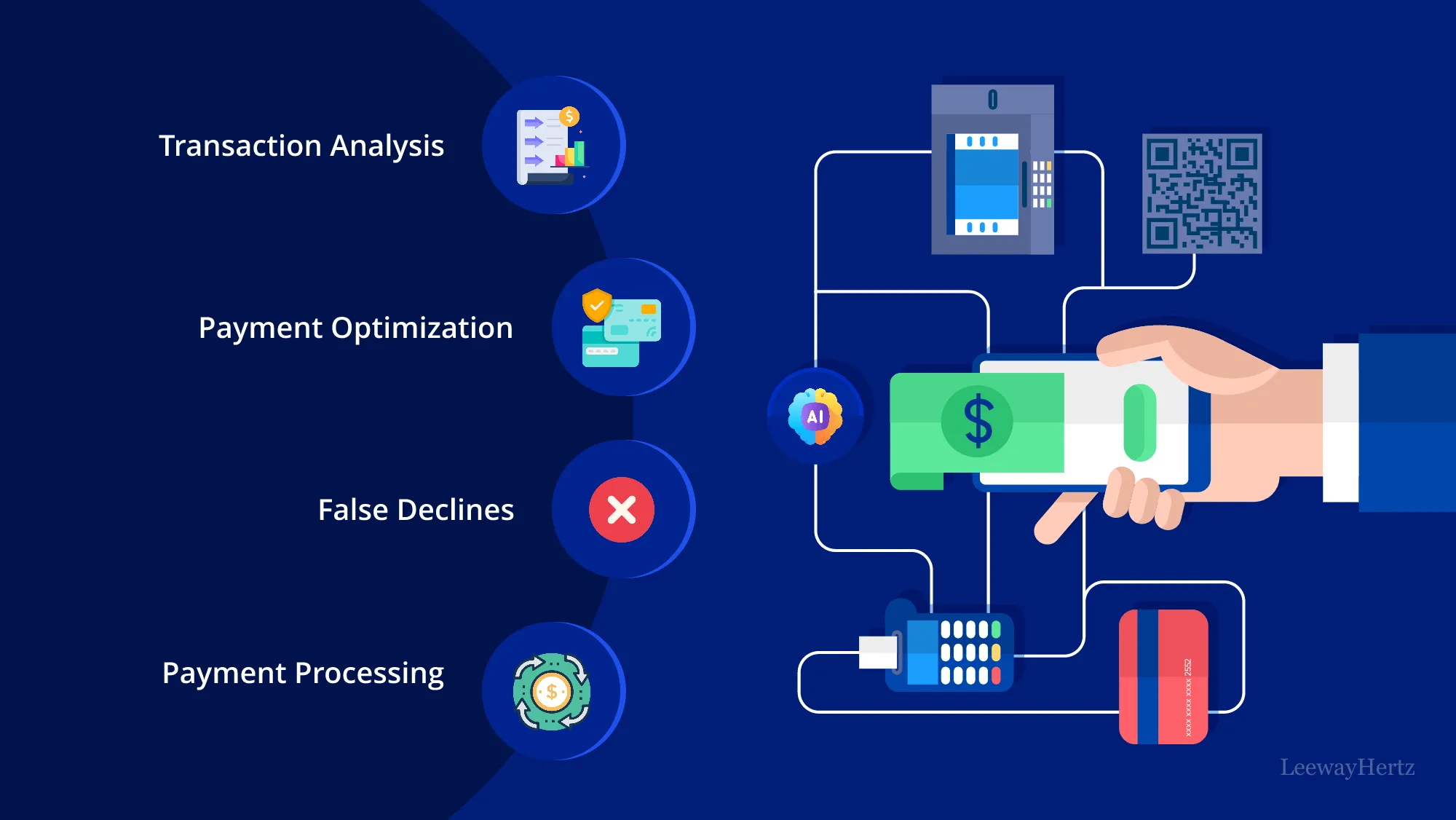
In a move that could fundamentally reshape how people shop, pay, and transact online, Google has announced a new protocol designed to facilitate commerce using AI agents. The initiative signals Google’s most ambitious step yet toward a future where autonomous software agents can browse, negotiate, and complete purchases on behalf of users.
As artificial intelligence moves from assistance to action, this protocol could redefine digital commerce—ushering in an era where AI doesn’t just recommend products, but actually buys them.
What Is Google’s New AI Commerce Protocol?
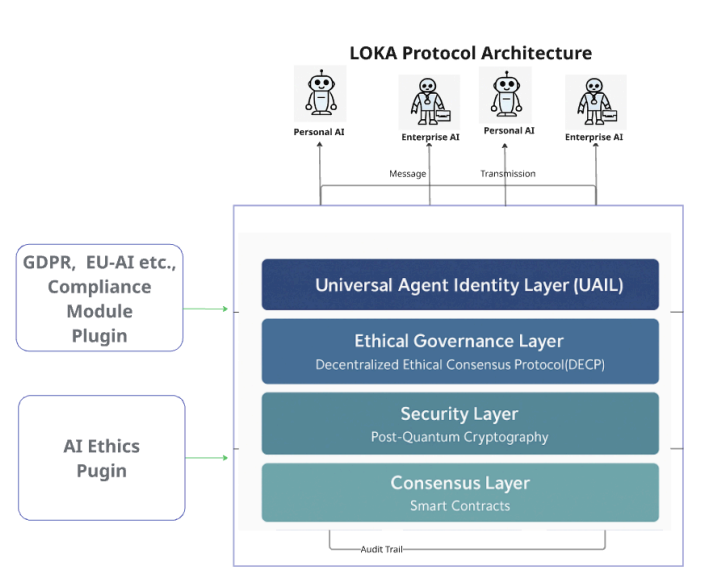


At its core, Google’s new protocol is a standardized framework that allows AI agents to:
-
Identify products and services
-
Interact with merchant systems
-
Compare prices and terms
-
Execute transactions securely
Unlike traditional APIs that require direct human initiation, this protocol is built specifically for agent-to-agent commerce, where AI systems communicate, authenticate, and transact with minimal human input.
Why Google Is Betting Big on AI Agents
Google’s announcement reflects a broader industry shift toward autonomous AI agents—systems capable of completing multi-step tasks independently.
Key motivations behind the move include:
-
Reducing friction in online shopping
-
Personalizing purchasing decisions at scale
-
Enabling faster, smarter transactions
-
Preparing infrastructure for an AI-driven economy
Rather than replacing humans, Google positions these agents as delegates, handling routine or complex commerce tasks while users retain oversight.
How AI Agents Would Actually Shop for You

Imagine telling your AI assistant:
“Find me the best laptop under $1,200 with a long battery life and order it when the price drops.”
Using Google’s new protocol, an AI agent could:
-
Search multiple retailers
-
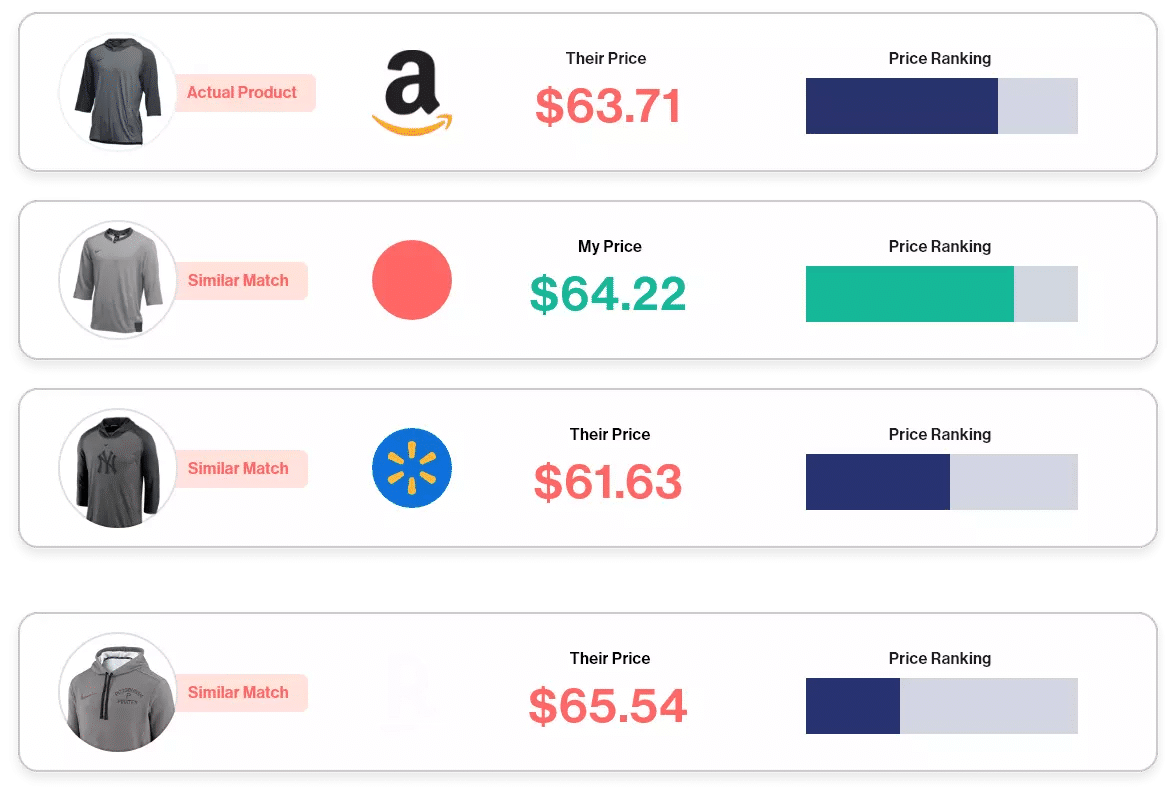
Monitor pricing trends
-
Evaluate reviews and specs
-
Negotiate or select optimal purchase timing
-
Complete checkout securely
All without repeatedly prompting the user.
Security and Trust: The Biggest Challenge
One of the most critical aspects of the protocol is trust.
Google says the framework includes:
-
Strong authentication for AI agents
-
Permission-based spending limits
-
Verifiable merchant credentials
-
Audit trails for transactions
These safeguards aim to ensure that AI agents act only within user-defined boundaries, preventing unauthorized purchases or abuse.
What This Means for Online Businesses
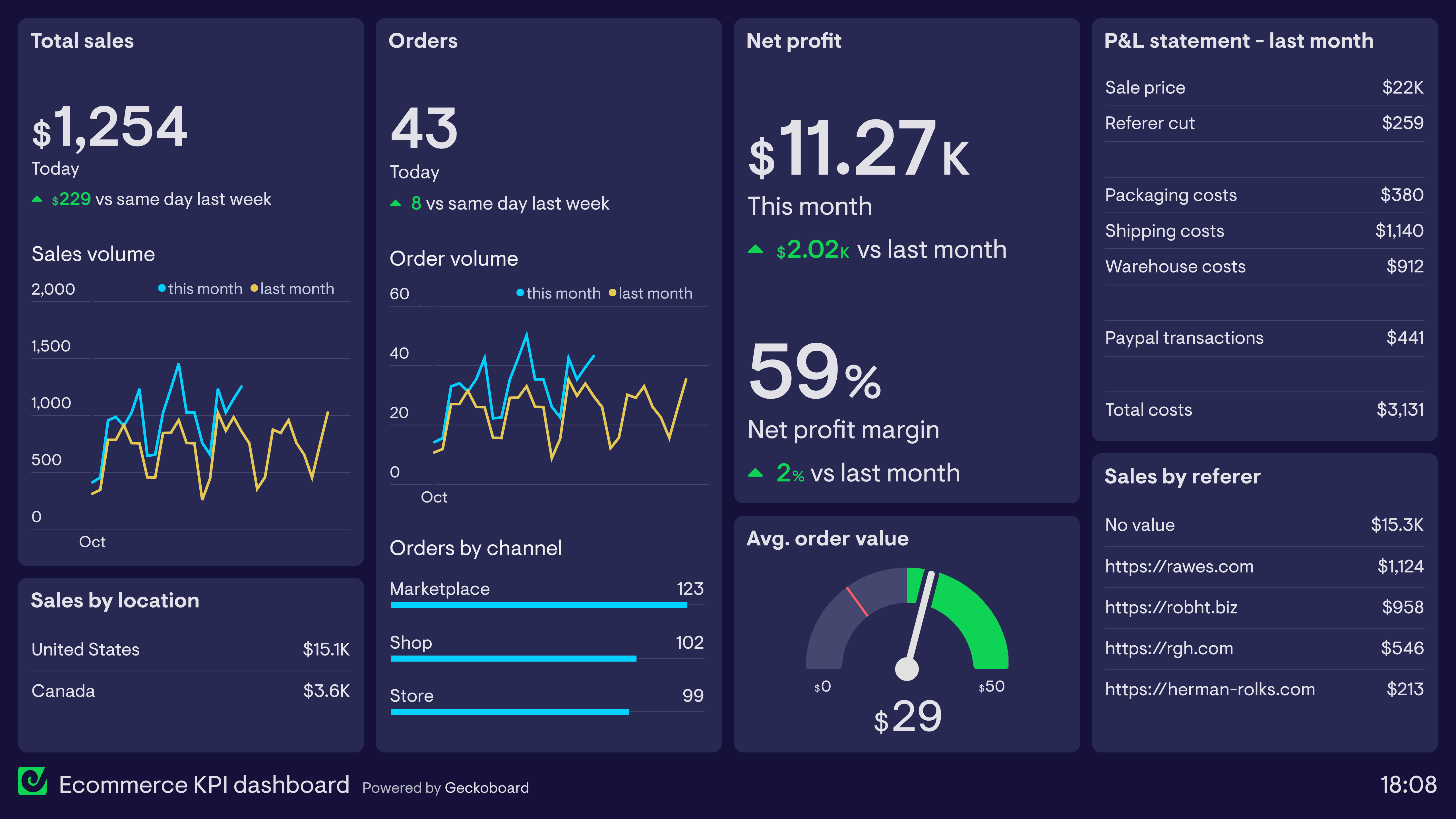
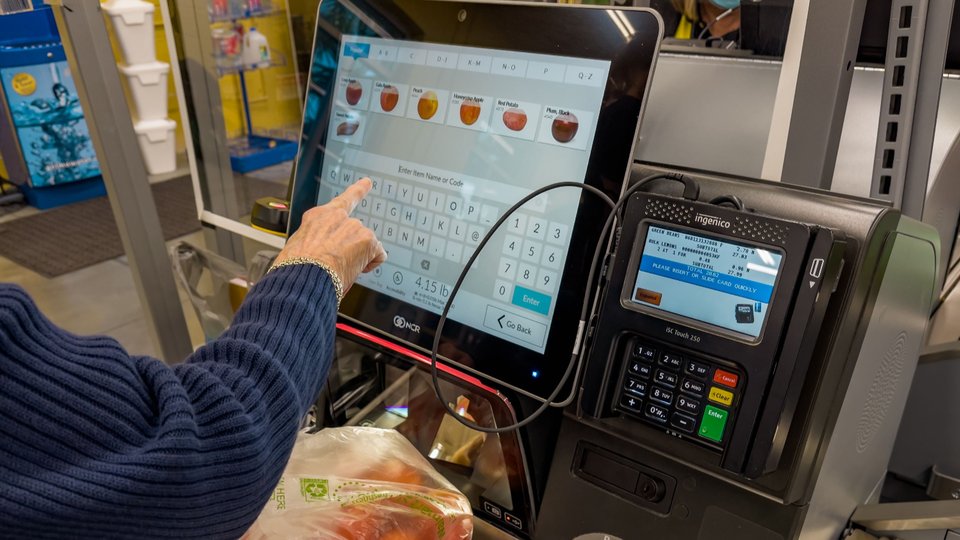

For merchants, Google’s protocol could dramatically change how products are marketed and sold.
Potential impacts include:
-
AI agents becoming primary “customers”
-
Product listings optimized for machine evaluation
-
Pricing strategies influenced by agent logic
-
Reduced importance of traditional advertising
In an AI-agent-driven marketplace, clarity, transparency, and data quality may matter more than flashy branding.
How This Fits Into Google’s Larger AI Strategy
This announcement aligns with Google’s broader push into agentic AI, building on advances in:
-
Large language models
-
Multimodal reasoning
-
Automated task execution
Google has increasingly framed AI not just as a search or productivity tool, but as an active participant in digital ecosystems—from scheduling to coding to now, commerce.
Competition: Who Else Is Racing Toward AI Commerce?



Google isn’t alone. Other major tech players are exploring similar ideas:
-
AI-powered shopping assistants
-
Autonomous negotiation bots
-
Smart wallets and payment agents
However, Google’s strength lies in its scale—with access to search, payments, advertising, and merchant ecosystems all under one roof.
Will Humans Still Be in Control?
A major concern around AI commerce is autonomy versus oversight.
Google emphasizes that:
-
Users set spending limits
-
Humans approve high-risk transactions
-
Agents can be paused or overridden at any time
The vision isn’t “AI runs your finances,” but rather AI executes your intentions more efficiently.
Real-World Use Cases Beyond Shopping


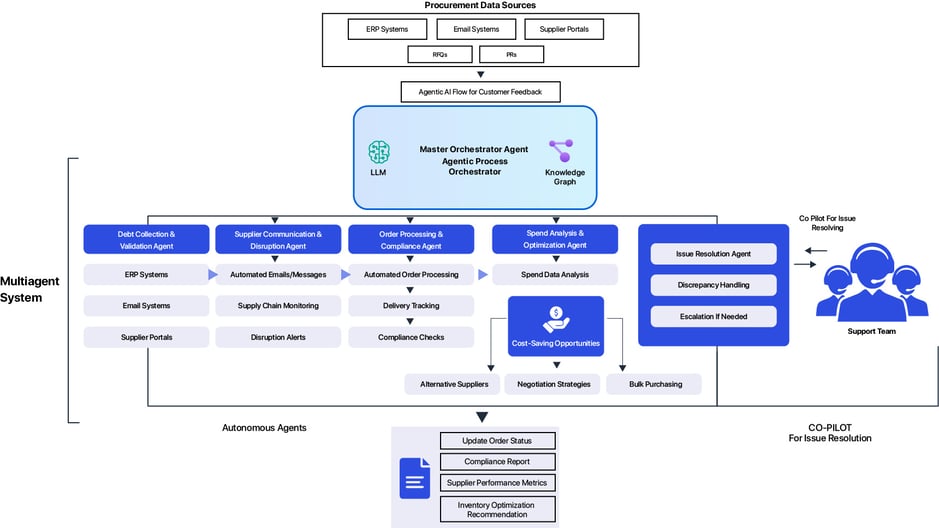
Beyond consumer shopping, the protocol could enable:
-
Automated subscription management
-
Business procurement optimization
-
Travel booking and rebooking
-
Enterprise supply-chain negotiations
In business contexts, AI agents could handle repetitive purchasing tasks that currently consume human time and attention.
Economic Implications of Agent-to-Agent Commerce
If widely adopted, AI commerce protocols could:
-
Lower transaction costs
-
Increase market efficiency
-
Compress margins for middlemen
-
Shift power toward platforms and data
Economists suggest this could mirror earlier digital revolutions—except faster and more automated.
Challenges and Open Questions
Despite its promise, the protocol raises important questions:
-
How are disputes resolved between AI agents?
-
Who is liable for AI purchasing mistakes?
-
How do regulators oversee autonomous transactions?
These issues will likely shape how quickly AI commerce scales beyond early adopters.
What Happens Next?
Google plans to:
-
Open the protocol to developers
-
Work with merchants and payment providers
-
Refine standards through industry collaboration
Early pilots are expected before broader rollout, especially in controlled commerce environments.
Why This Announcement Matters
This isn’t just a technical update—it’s a philosophical shift in how digital transactions work.
For the first time, a major tech company is openly designing infrastructure for a world where AI agents are economic actors, not just tools.
Final Thoughts: The Future of Shopping Is Agentic
Google’s new AI commerce protocol marks a pivotal moment in the evolution of e-commerce. If successful, it could make online shopping:
-
Faster
-
Smarter
-
More personalized
-
Less burdensome
But it also challenges long-held assumptions about choice, control, and trust in digital markets.
One thing is clear: The future of commerce may not be human-to-business—but agent-to-agent, with humans setting the goals.