
The future of online shopping may be closer—and more controversial—than expected.
A newly announced AI-powered shopping protocol from Google has triggered a public dispute between the tech giant and a prominent consumer watchdog. At the center of the debate is a bold claim: that Google’s vision for AI agents autonomously shopping on behalf of users could introduce serious risks to transparency, competition, and consumer protection.
Google, for its part, says those concerns are misplaced—and flat-out wrong.
As AI agents increasingly move from experimental tools to real-world decision-makers, this clash offers a revealing glimpse into how artificial intelligence may reshape commerce, regulation, and trust online.
What Is Google’s AI Agent Shopping Protocol?



Google’s new protocol is designed to let AI agents act on a user’s behalf throughout the shopping journey. Instead of simply recommending products, these agents could:
-
Search across multiple retailers
-
Compare prices, shipping times, and reviews
-
Apply discounts or loyalty benefits
-
Complete purchases automatically
In theory, a user might say: “Buy me the best noise-canceling headphones under $300”—and the AI handles the rest.
Google frames this as the next evolution of convenience, similar to how search engines once simplified information discovery.
Why a Consumer Watchdog Sounded the Alarm
The controversy began when a consumer advocacy leader publicly warned that Google’s protocol could undermine core consumer protections.
Key concerns raised include:
1. Lack of Transparency
Critics argue users may not fully understand:
-
Why an AI chose one product over another
-
Whether certain sellers are favored
-
How commercial incentives influence decisions
2. Conflicts of Interest
Because Google operates:
-
An ad business
-
A shopping ecosystem
-
A dominant search platform
The watchdog fears AI agents could quietly steer users toward options that benefit Google or its partners.
3. Reduced Consumer Choice
If AI agents become default shopping intermediaries, smaller retailers may struggle to compete for visibility—especially if they don’t integrate seamlessly with Google’s systems.
Google’s Response: “She’s Wrong”


Google’s response was swift and unusually blunt.
Company representatives pushed back hard, arguing that:
-
The protocol is open and transparent by design
-
Users retain control and can set preferences or constraints
-
AI agents act as tools, not autonomous decision-makers
According to Google, the watchdog’s critique misunderstands how the system works and unfairly assumes malicious intent.
Google also emphasized that the protocol is still evolving and will incorporate safeguards informed by regulators, researchers, and users.
Why This Debate Matters More Than It Seems
At first glance, this may look like a routine policy dispute. In reality, it touches on much bigger questions about AI’s role in everyday life.
AI as a Decision-Maker
Shopping is not trivial—it involves:
-
Financial risk
-
Personal preferences
-
Ethical and sustainability choices
Delegating those decisions to AI raises profound questions about agency and consent.
From Recommendation Engines to Autonomous Commerce
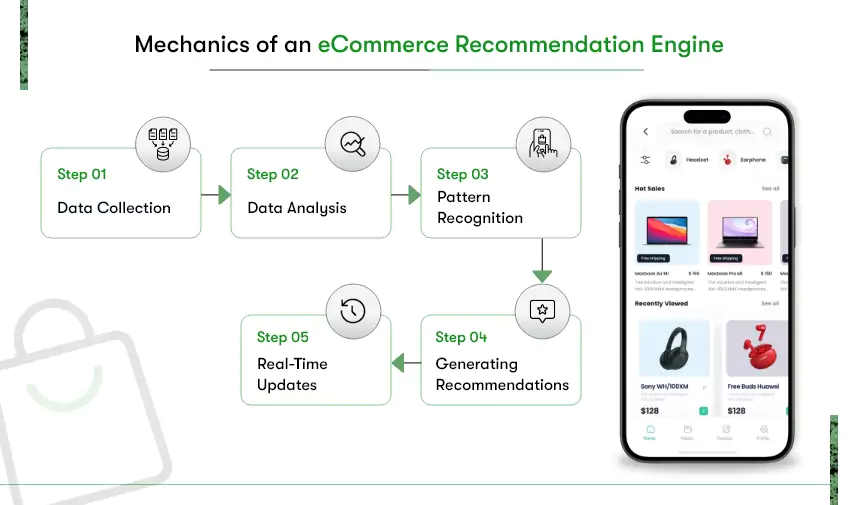
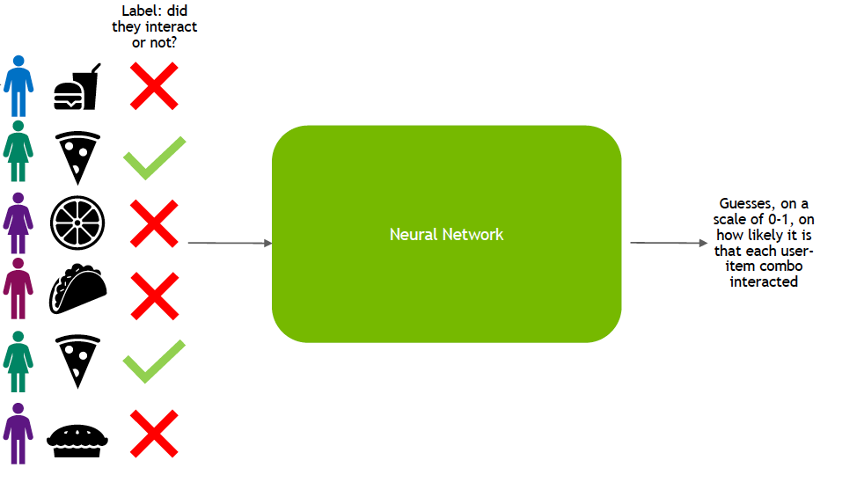
Today’s e-commerce already relies heavily on algorithms. What’s changing is who makes the final call.
| Then | Now |
|---|---|
| “You may also like” | “I’ve already bought it for you” |
| Human confirms choice | AI executes automatically |
| Passive recommendation | Active purchasing |
This shift magnifies the consequences of even small biases or errors.
Privacy and Data Concerns
For AI agents to shop effectively, they need deep insight into users:
-
Purchase history
-
Budget limits
-
Brand preferences
-
Behavioral patterns
Consumer advocates worry that:
-
Data could be over-collected
-
Users may not realize how much is shared
-
AI decisions could expose sensitive habits
Google insists data use is permission-based and privacy-protected—but skepticism remains.
Regulatory Grey Zones
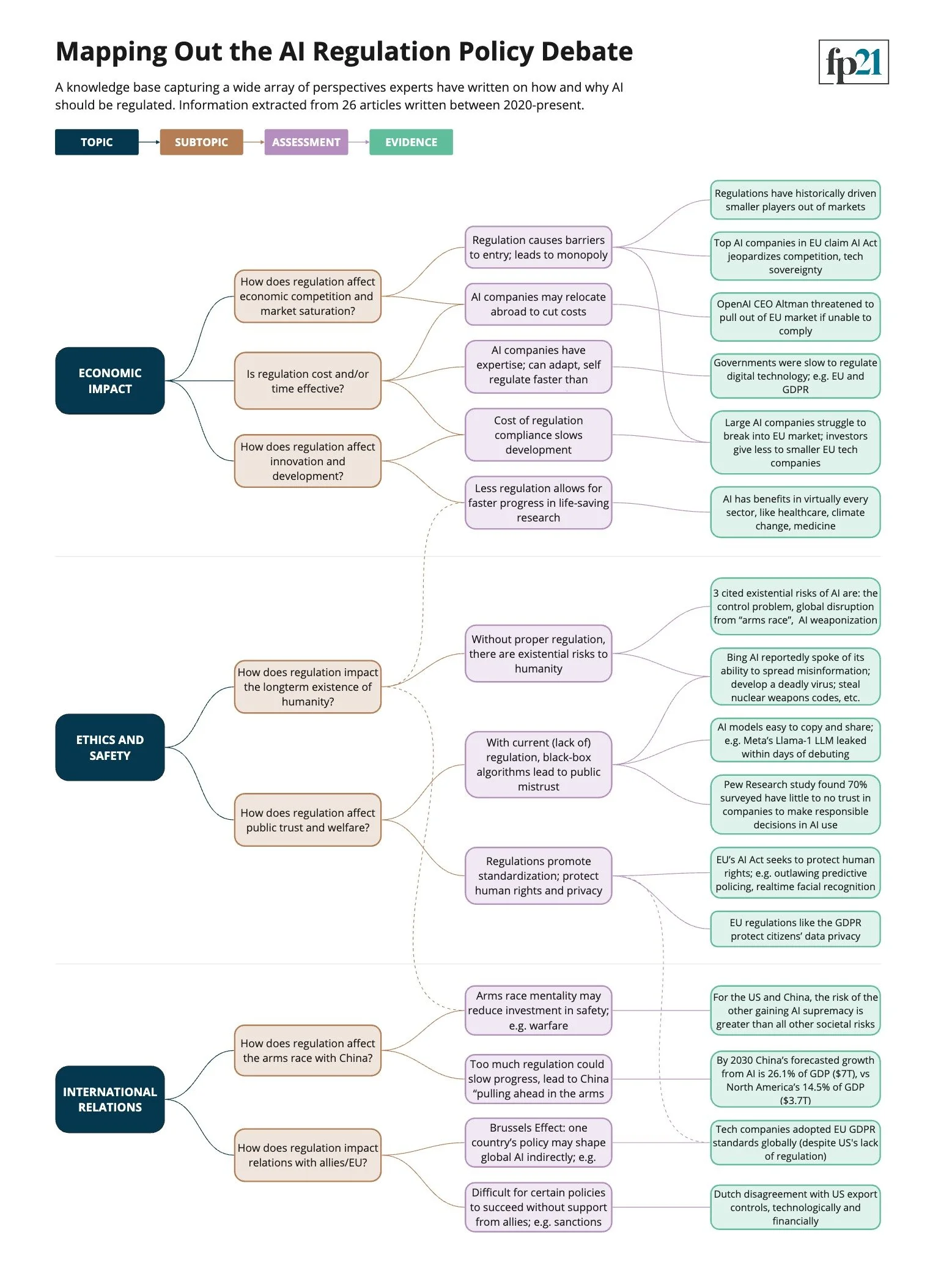


Current consumer protection laws were written for:
-
Human decision-makers
-
Transparent pricing
-
Clear seller-buyer relationships
AI agents blur those lines:
-
Who is liable if an AI makes a bad purchase?
-
Is an AI agent a “buyer,” “advisor,” or “broker”?
-
How should disclosures work?
Regulators worldwide are still catching up.
Impact on Small Businesses and Competition
One of the watchdog’s biggest fears is market concentration.
If AI shopping agents:
-
Prefer large, well-integrated sellers
-
Penalize retailers lacking technical resources
Then:
-
Small businesses may lose visibility
-
Market diversity could shrink
-
Google’s influence could quietly expand
Google counters that open protocols level the playing field—but critics say openness doesn’t guarantee fairness.
Consumer Trust Is the Real Battleground
Technology adoption depends less on capability than confidence.
Consumers will ask:
-
Can I see why the AI chose this?
-
Can I override it easily?
-
Is it acting in my best interest—or someone else’s?
Without trust, even the most advanced AI tools may fail.
Realistic Shopping Scenarios: Promise vs. Risk
The Upside
-
A busy parent saves hours on routine purchases
-
A budget-conscious user avoids overpriced options
-
Accessibility improves for users with disabilities
The Downside
-
An AI misses ethical preferences (labor, sustainability)
-
A user unknowingly overpays due to biased selection
-
Mistakes scale faster than human errors
Both futures are plausible.
A Broader Tech Industry Trend
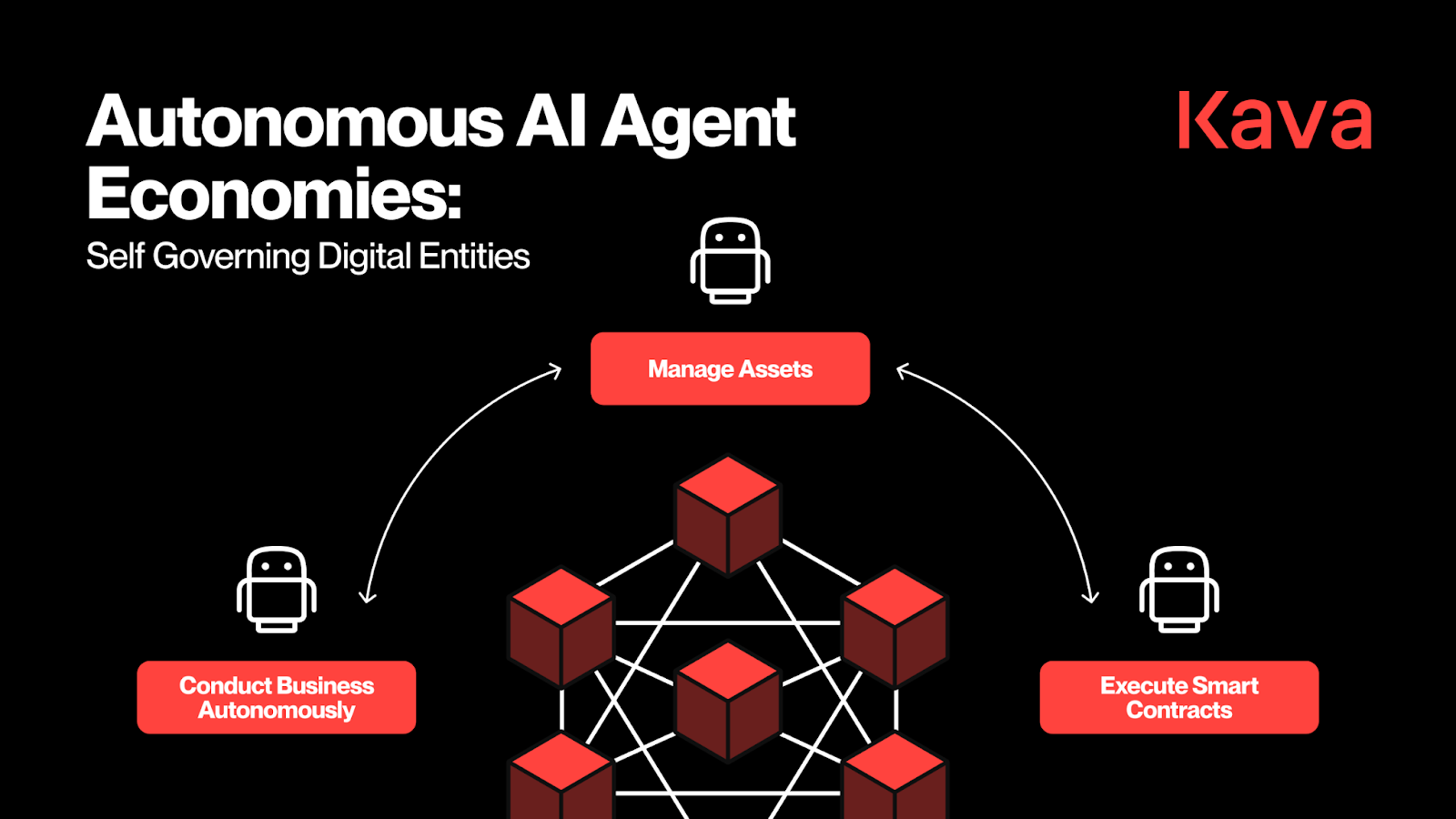

Google isn’t alone. Across the tech industry:
-
AI agents are booking travel
-
Managing finances
-
Scheduling healthcare
Shopping is simply the next frontier—and possibly the most sensitive one.
What Happens Next?
Several paths lie ahead:
-
Increased regulatory scrutiny
-
Voluntary transparency standards
-
Independent audits of AI agents
-
Consumer education initiatives
Google has signaled willingness to engage—but not to concede.
Why This Fight Could Shape the Future of AI Commerce
This dispute is about more than one protocol. It’s about:
-
Who controls automated decisions
-
How much power tech platforms hold
-
What consumer protection means in an AI-driven economy
The outcome will influence how AI agents are designed, governed, and trusted for years to come.
Final Thoughts: Convenience vs. Control
Google’s AI shopping agents promise a world where buying is effortless. The consumer watchdog warns that effortless doesn’t always mean harmless.
Somewhere between innovation and oversight lies a balance that hasn’t yet been defined.
As AI agents move from helpful assistants to autonomous actors, one thing is clear: how we shop may change faster than how we regulate—and that gap is where the real risks, and opportunities, live.