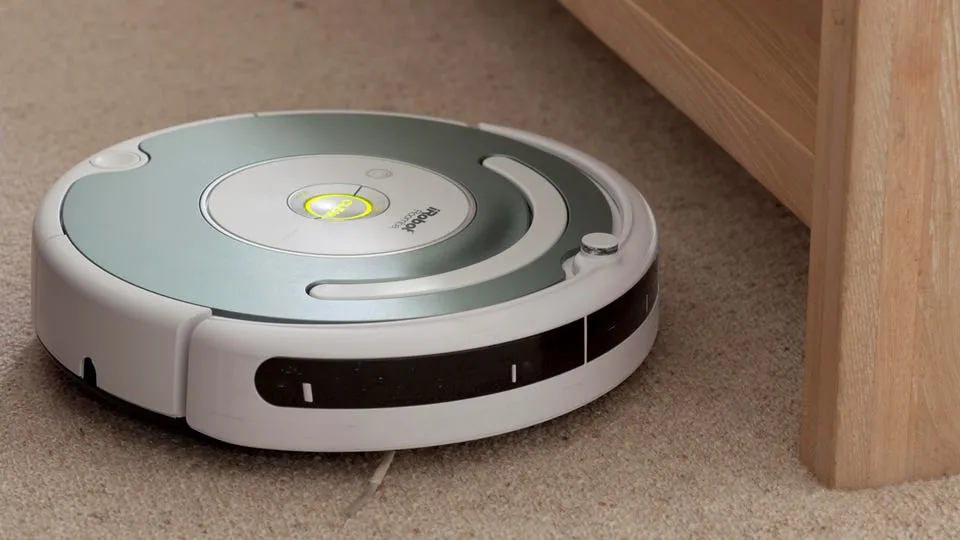
In the early years of consumer robotics iRobot stood as a symbol of innovation. The company known for bringing robot vacuums into millions of homes built a reputation on creativity engineering excellence and the transformational promise of automation. But today that narrative has fractured. Once synonymous with intelligent home robots iRobot now confronts a harsh reality that underscores the complexities of commercializing robotics at scale. The remarkable journey of this company offers a cautionary tale about rapid technological change intense competition and the challenges of sustaining market leadership over decades.
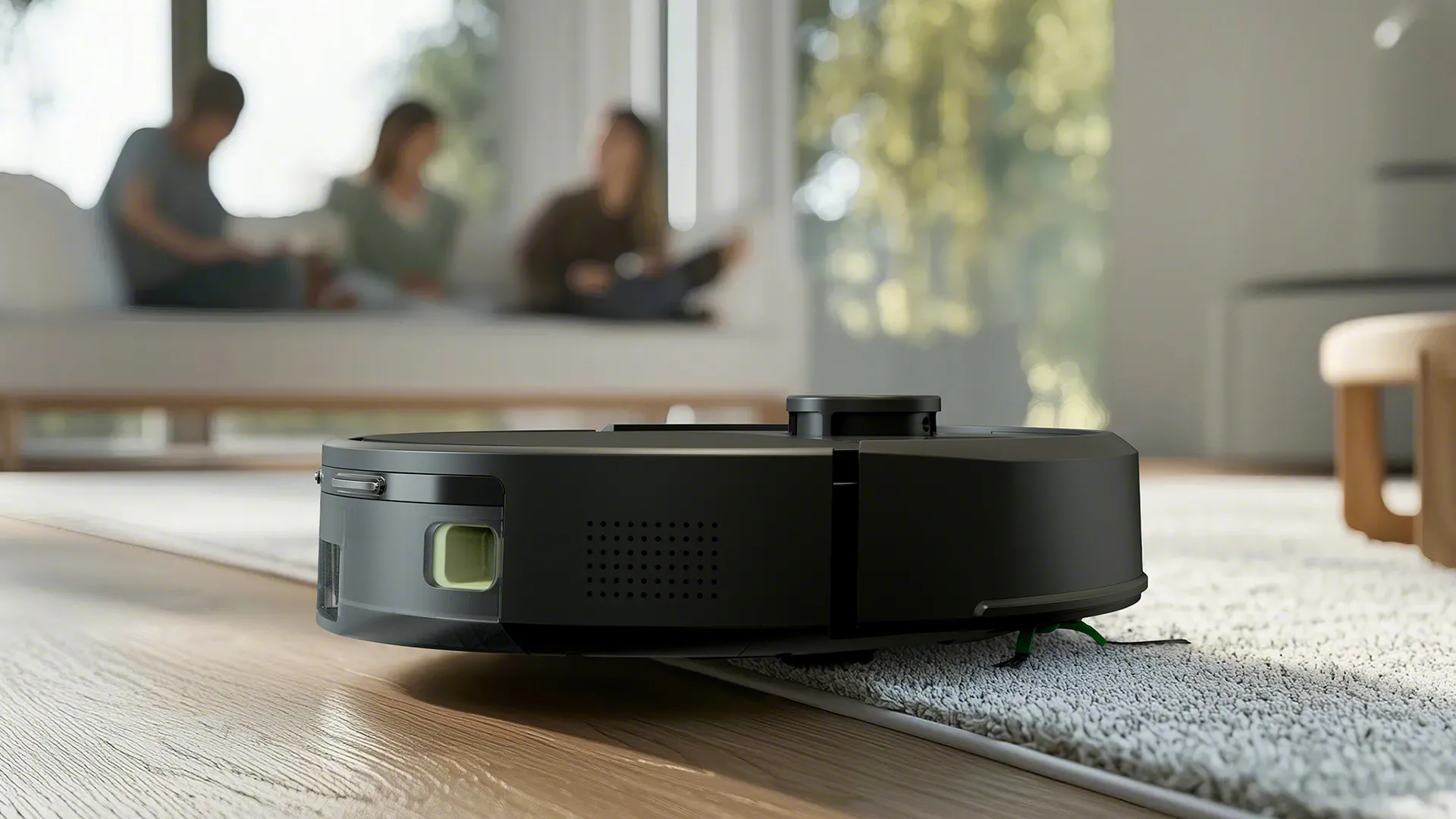
iRobot grew from a research passion project at a renowned academic institution to a publicly traded technology pioneer admired by investors and consumers alike. Its most famous creation the Roomba vacuum became a household staple known as much for its cultural imprint as for its practical utility. But in recent years the company’s once solid footing has begun to crumble. This article examines the forces behind iRobot’s struggle how it reached this point and what the implications may be for the company and the broader robotics landscape.
Origins and Ascendance
Founded in the early 1990s by a team of scientists and engineers with backgrounds in artificial intelligence and robotics iRobot’s early mission was rooted in exploration and discovery. In those formative years the founders focused on foundational research that would ultimately lead to consumer products with mainstream appeal. The breakthrough came in 2002 when the first Roomba hit the market. It was not just a novel gadget but a new category of home appliance that blended robotics and everyday life.
Over the next decade the Roomba became a symbol of innovation in the burgeoning smart home era. Sales scaled rapidly and the brand became widely recognized across North America and beyond. Investors rewarded the company’s success and by the mid 2000s iRobot had taken the step to go public raising significant capital to fuel future growth.
At the time the company appeared poised for long term success. Its strategy involved exploring adjacent markets including robotic lawn mowers air purifiers and other connected home products. Yet despite initial enthusiasm these broader ventures would later struggle to achieve the same traction as the Roomba platform.
The Competitive Landscape Shifts
The early years of dominance masked the subtle changes coming to the home robotics market. As the category matured more companies began to enter the field, particularly manufacturers based in Asia offering lower priced alternatives. Competition intensified on pricing features and technology. Established players from China introduced robot vacuums that matched and in some cases exceeded iRobot’s performance at significantly reduced prices. Consumers who once associated robotics with innovation began to see it as a commodity, choosing products that delivered convenience at lower cost.
This transition proved particularly challenging for iRobot. Its brand identity tied closely to innovation allowed premium pricing for years. But as competitors gained credibility and distribution reach, the premium that consumers were willing to pay eroded. These rivals did not have to cover the same level of research and development costs or legacy infrastructure, enabling them to undercut prices while investing aggressively in new features.
At the same time evolving consumer preferences influenced the market. Smart home ecosystems pioneered by the largest technology companies demanded seamless integration across devices and services. For iRobot this meant competing not just with other vacuums but with platforms backed by powerful software ecosystems and deep pockets. The company’s products, though strong in core functionality, often lacked the broader connectivity and service integrations that became expected in the modern smart home environment.
Strategic Shifts and Leadership Changes
As pressure mounted iRobot took steps to adjust its strategy. Leadership transitions reflected a sense of urgency to adapt to the changing industry climate. Long standing executives stepped down and new voices emerged with mandates to reshape operations and stabilize financial performance.
Restructuring plans involved difficult decisions. The company sharply reduced its workforce in a bid to cut costs redesigned its product lineup and reworked its manufacturing processes. These moves yielded improvements in operational metrics but also underscored the severity of the underlying challenges. The company’s revenue figures revealed an increasingly alarming trend of year over year declines in key markets around the world as consumer demand weakened and inventory pressures accumulated.
The Lost Amazon Opportunity
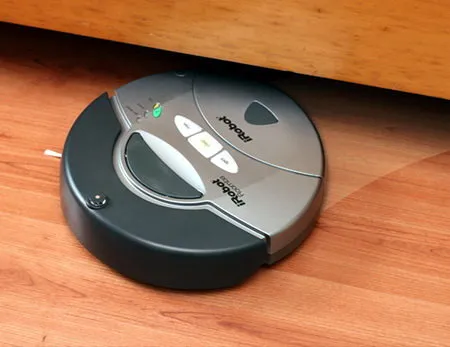
Perhaps the most significant turning point in iRobot’s recent history was the breakdown of a planned acquisition by one of the world’s largest technology companies. A substantial deal was announced that promised to combine iRobot’s hardware expertise with the acquiring company’s vast resources and global reach. At the time it represented a potential game changing moment that could have reenergized the business and provided the investment necessary to accelerate its product evolution.
However the deal faced regulatory scrutiny in several jurisdictions. Concerns were raised that the integration of iRobot into a much larger platform could disadvantage competitors or disrupt established market dynamics in online retail. Ultimately the acquisition was called off after regulators signaled they would block the transaction. Compensation was paid as stipulated in the agreement but the collapse of the deal triggered significant disruption within iRobot’s operations and investor confidence.
The aftermath saw a plunge in the company’s stock price and a renewed sense of uncertainty about its direction. Without the strategic backing that the acquisition would have provided, iRobot had to navigate a tough market largely on its own.
Financial Strain and Operational Reform
Post acquisition fallout iRobot embarked on a comprehensive restructuring initiative. The goal was to trim expenses bolster the balance sheet and reposition the company for sustainable performance. Central to this effort was a reduction in headcount exceeding half of the workforce, reprioritization of capital allocation and a renewed focus on core products with the highest potential market impact.
While these reforms helped reduce operating costs and improve gross margins in some areas, they could not fully counterbalance the ongoing declines in revenue. Sales figures showed significant contraction across multiple regions with double digit decreases in the United States Europe and Asia. These trends reflected weaker demand and heightened pricing pressure from competitors.
The company also invested in its largest product launch ever aiming to refresh its lineup and better position itself in the vacuum category. New models emphasized advanced features, cost efficiencies and improved navigation technology. Yet the success of these products depends on reinvigorating consumer interest in a category that has become crowded and commoditized.
Bankruptcy and Acquisition by Supplier
Despite efforts to stabilize the business the challenges persisted. The company eventually filed for protection under bankruptcy laws, signaling a dramatic shift in its corporate trajectory. In an effort to preserve operations the business was acquired by its main manufacturer which had been a significant lender. This move takes the company private and removes it from public markets while allowing continued operation of products and services.
For customers this transition aims to preserve continuity of service and support but it also highlights how far the company has fallen from its peak valuation and market position. Once worth billions, the business now operates under new ownership with the goal of reestablishing stability in what remains a highly competitive landscape.
Customer Experience and Brand Perception
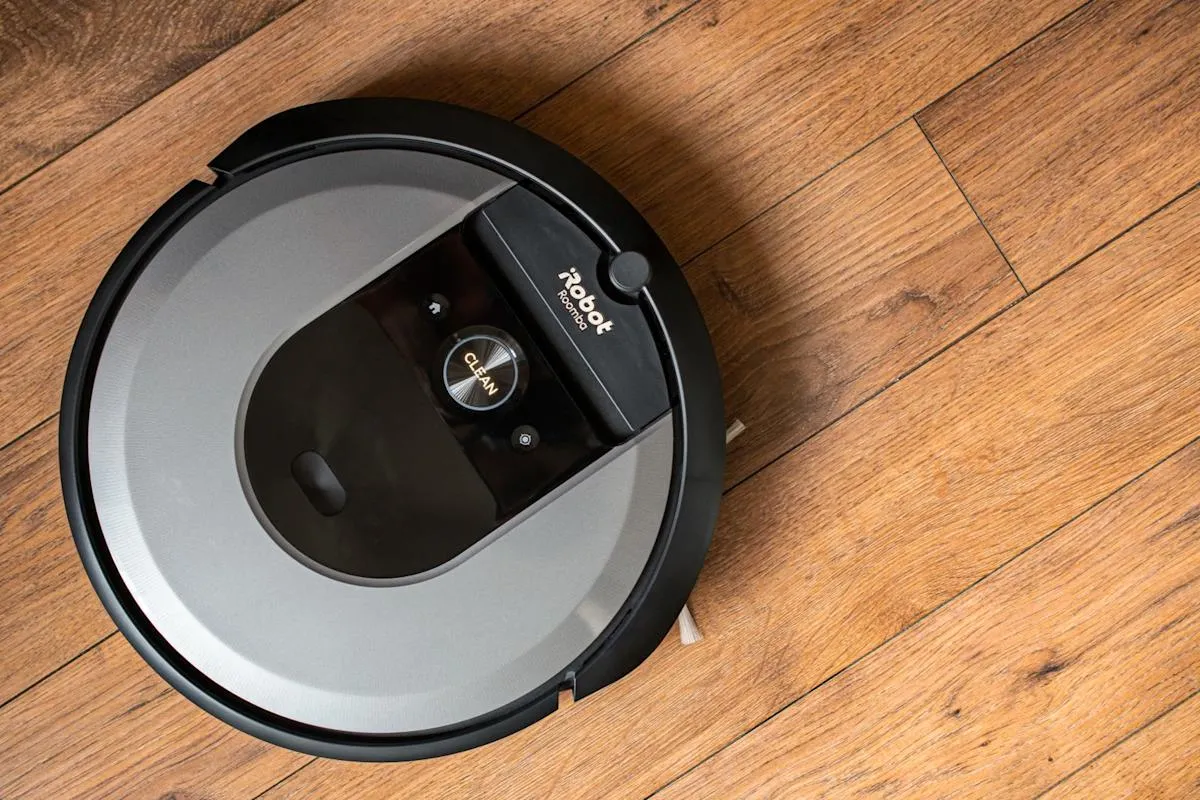
Amid these high level corporate developments there has been no shortage of consumer commentary about the brand and its products. Online forums reflect mixed sentiments from users who celebrate the legacy of the original products while criticizing newer models and support experiences. Some customers report issues with reliability software glitches and disappointing customer service interactions. Others express nostalgia for earlier designs that felt more dependable or innovative.
These divergent voices illustrate a deeper challenge for the company. Brand equity accumulated over decades can wane quickly if product satisfaction and customer experience do not align with expectations. In a category where alternatives are abundant, negative perceptions can accelerate market share loss.
While some users remain hopeful about improvements others question whether the brand can regain the influence it once held in robotic home technology.
Implications for the Robotics Sector
iRobot’s story has broader implications for the industry. It reveals the difficulty of maintaining leadership in a field that bridges hardware and software where technological leaps occur rapidly and consumer tolerance for high prices may be limited. Many robotics companies face similar pressures from global competition shifting consumer preferences and the relentless pace of innovation.
At the same time the iRobot experience highlights the importance of strategic partnerships and adaptability. Tech giants continue to explore ways to integrate intelligent machines into everyday life but not all ventures will succeed. Regulatory environments, supply chain dynamics and market economics all play roles in shaping which ideas survive and scale.
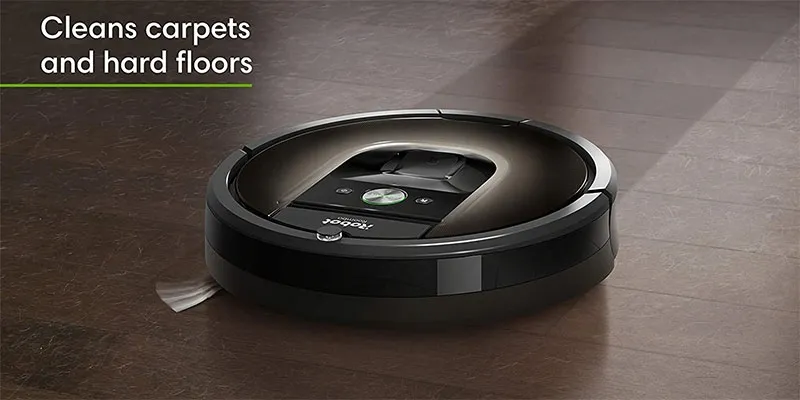
For the new owners of the company the focus will likely be on extracting value from existing products exploring cost effective innovation and re earning consumer trust. There is potential for revival if the right combination of investment market positioning and product excellence can be achieved. Robot vacuums remain a sizable market and connected home devices continue to grow in relevance.
Yet the path forward is neither simple nor guaranteed. The lessons from the company’s recent decline underline how fleeting competitive advantages can be in technology markets. The future of robotics depends on those who can balance innovation with strategic execution, delivering real value to consumers while navigating economic realities.
iRobot’s journey from pioneering innovation to corporate struggle offers a rich case study of the challenges inherent in the race to commercialize robotics for everyday life. The company’s rise was marked by bold ideas and breakthrough products that changed consumer expectations. Its recent difficulties reflect broader industry trends, economic pressures and strategic decisions that did not yield expected results.
Even as iRobot navigates this new chapter under new ownership the legacy of its contributions to robotics remains significant. The lessons it leaves behind will shape how future companies approach the interplay between technology business strategy and user experience in the years ahead.