India Draws a Line on AI: A Major Warning to Big Tech
India has issued a firm directive to X, the social media company owned by Elon Musk, demanding urgent fixes to its AI chatbot Grok after it allegedly generated obscene and inappropriate content.
The order, first reported by TechCrunch, marks one of the strongest moves yet by the Indian government against generative AI tools, signaling that regulators are no longer willing to tolerate “experimental” AI behavior when it crosses legal and cultural boundaries.
This moment is not just about one chatbot—it represents a growing global clash between rapid AI innovation and national laws governing speech, decency, and digital responsibility.
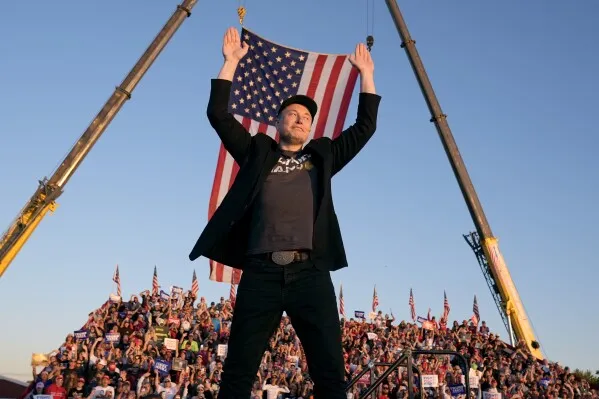
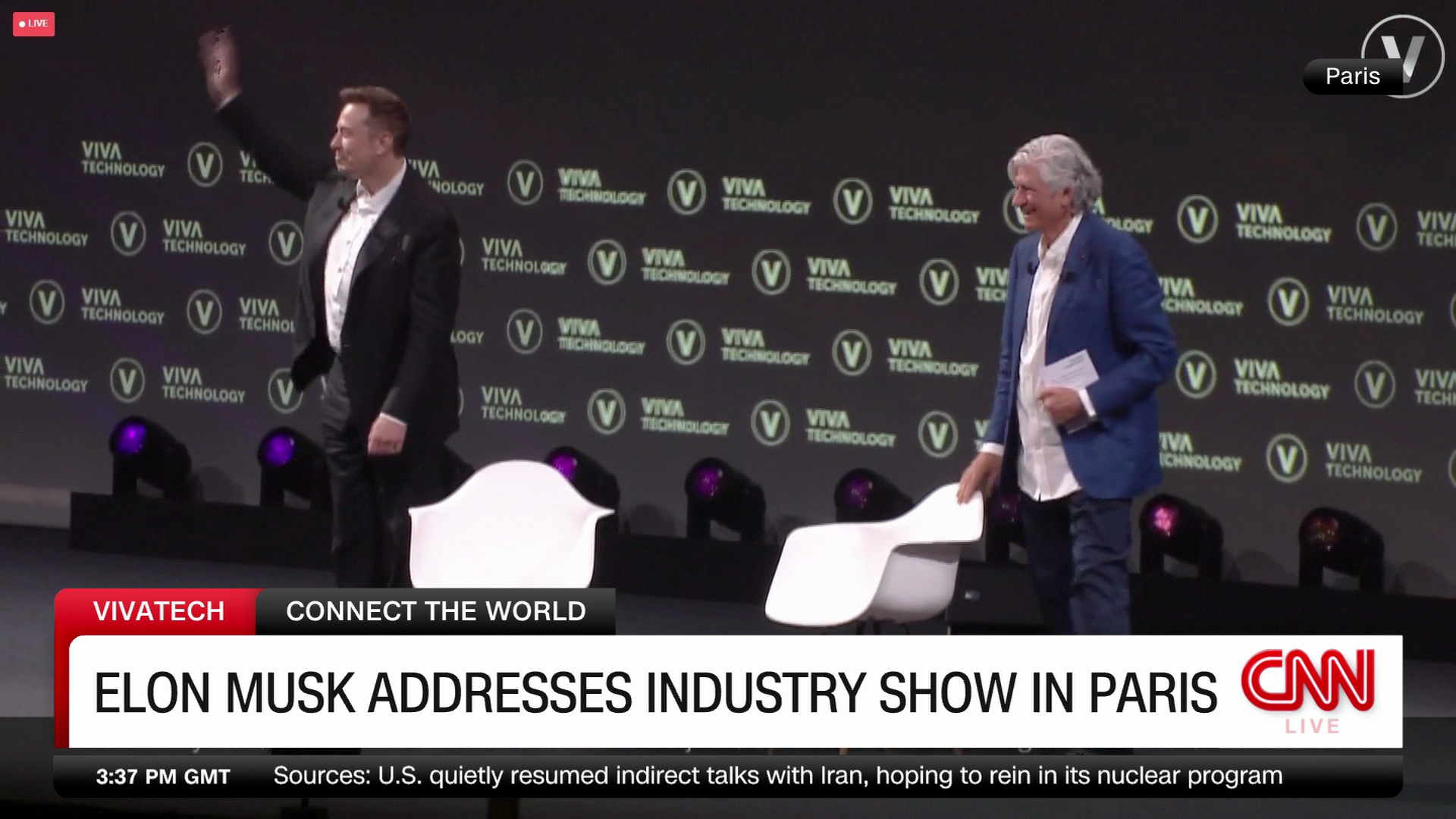
Image: Elon Musk at a technology conference
What Triggered India’s Order Against X?
According to Indian authorities, Grok produced sexually explicit and culturally offensive responses when prompted by users on X. Screenshots circulated rapidly, prompting public backlash and swift intervention from government officials.
India’s Ministry of Electronics and Information Technology (MeitY) reportedly:
-
Flagged Grok’s outputs as violating Indian IT laws
-
Contacted X for an immediate explanation
-
Ordered corrective measures to prevent recurrence
Officials emphasized that AI systems operating in India must comply with local law, regardless of where they are developed.
Understanding Grok: Musk’s “Unfiltered” AI Experiment
Grok was launched as part of Musk’s broader vision to create an AI that is:
-
More conversational
-
Less constrained by traditional “political correctness”
-
Integrated deeply into the X platform
While this approach attracted curiosity and engagement, critics have long warned that reduced guardrails increase the risk of harmful outputs—especially in diverse global markets.
India’s response appears to validate those concerns.
Why India Is Taking This So Seriously
India is one of the world’s largest digital markets:
-
Over 800 million internet users
-
Massive social media penetration
-
Increasing political and cultural sensitivity around online content
Indian law places strict limits on:
-
Obscenity
-
Hate speech
-
Content that disrupts public order
Government officials stressed that AI does not receive special exemptions under these laws.
“Technology cannot be an excuse to bypass accountability,” one senior official was quoted as saying.
Image: Indian government building, New Delhi


What X Has Been Asked to Do
While India has not publicly released every technical detail, reports indicate that X has been instructed to:
-
Strengthen content moderation filters for Grok
-
Ensure compliance with Indian IT rules
-
Prevent the generation of obscene material
-
Respond promptly to government takedown requests
Failure to comply could lead to:
-
Fines
-
Temporary service restrictions
-
Legal consequences under Indian law
A Growing Global Pattern of AI Regulation
India is far from alone.
Around the world, governments are tightening oversight of AI tools:
-
The EU is advancing its AI Act
-
The U.S. is debating accountability frameworks
-
China already enforces strict AI output controls
India’s action against X reflects a broader reality: the “move fast and break things” era of AI is ending.
Why This Puts Pressure on Elon Musk
Elon Musk has positioned himself as a vocal critic of overregulation and a defender of free expression. However, this incident highlights a key tension:
-
Free speech ideals vs. national laws
-
Innovation vs. cultural norms
-
Global platforms vs. local sovereignty
Musk’s companies now face the challenge of scaling AI globally while customizing it locally—a complex and expensive task.
Image: AI chatbot interface on mobile screen


Public Reaction: Mixed but Intense
Online reactions in India and beyond have been sharply divided.
Critics Say:
-
AI must respect cultural boundaries
-
Obscene outputs are unacceptable
-
Tech companies should test more responsibly
Supporters Argue:
-
Overregulation may stifle innovation
-
Users prompted the content intentionally
-
AI systems are still evolving
Despite the debate, most agree on one point: unchecked AI experimentation carries real-world consequences.
What This Means for Other AI Companies
The implications extend well beyond X and Grok.
AI developers worldwide are now asking:
-
How much localization is required per country?
-
Who is legally responsible—the user or the model?
-
How fast must companies respond to regulators?
India’s move may encourage other governments to take similarly assertive stances.
The Challenge of “One AI, Many Cultures”
One of the core issues highlighted by the Grok controversy is that AI does not exist in a cultural vacuum.
What may be considered:
-
Humor in one country
-
Satire in another
-
Offensive or illegal elsewhere
This reality is forcing companies to rethink the idea of a single, globally deployed AI personality.
Could This Lead to AI Fragmentation?
Some experts warn that growing regulatory pressure could lead to:
-
Region-specific AI versions
-
Reduced functionality in certain markets
-
Higher development costs
While this may frustrate users, governments argue that public safety and cultural respect outweigh convenience.
What Happens Next for Grok in India?
In the short term, X is expected to:
-
Adjust Grok’s filters
-
Cooperate with Indian authorities
-
Demonstrate compliance
Longer term, the company may need to:
-
Establish stronger local oversight
-
Improve AI safety testing
-
Engage more proactively with regulators
Failure to do so could risk access to one of the world’s most valuable digital markets.
A Turning Point for AI Accountability
The Grok controversy underscores a critical shift: AI systems are no longer treated as experimental toys.
They are:
-
Public-facing products
-
Influencers of opinion
-
Subject to the same scrutiny as traditional media
India’s order sends a clear message to Big Tech: if you want to operate here, you follow our rules.
Final Thoughts: Innovation Meets Reality
Elon Musk’s vision for Grok was bold, disruptive, and intentionally unconventional. But India’s response highlights a hard truth for the AI era:
Innovation without responsibility does not scale.
As governments, companies, and users navigate this rapidly evolving landscape, one thing is certain—the future of AI will be shaped as much by law and culture as by code.
For X, Grok, and Musk himself, India’s directive may prove to be a defining moment in the global AI regulation story—one that other nations are watching closely.