
India’s Startup Funding Reaches $11 Billion in 2025



India’s startup ecosystem raised nearly $11 billion in funding in 2025, according to a TechCrunch report, underscoring both resilience and caution in one of the world’s fastest-growing tech markets. While the headline figure remains strong, the year marked a noticeable shift in investor behavior: fewer deals, tighter scrutiny, and a clear preference for quality over quantity.
Venture capital firms, angel investors, and institutional backers continued to deploy capital, but they did so with far greater selectivity than during the boom years earlier in the decade. The result was a funding environment that rewarded startups with solid fundamentals while leaving speculative or unproven ideas struggling to raise money.
Fewer Deals, Concentrated Capital
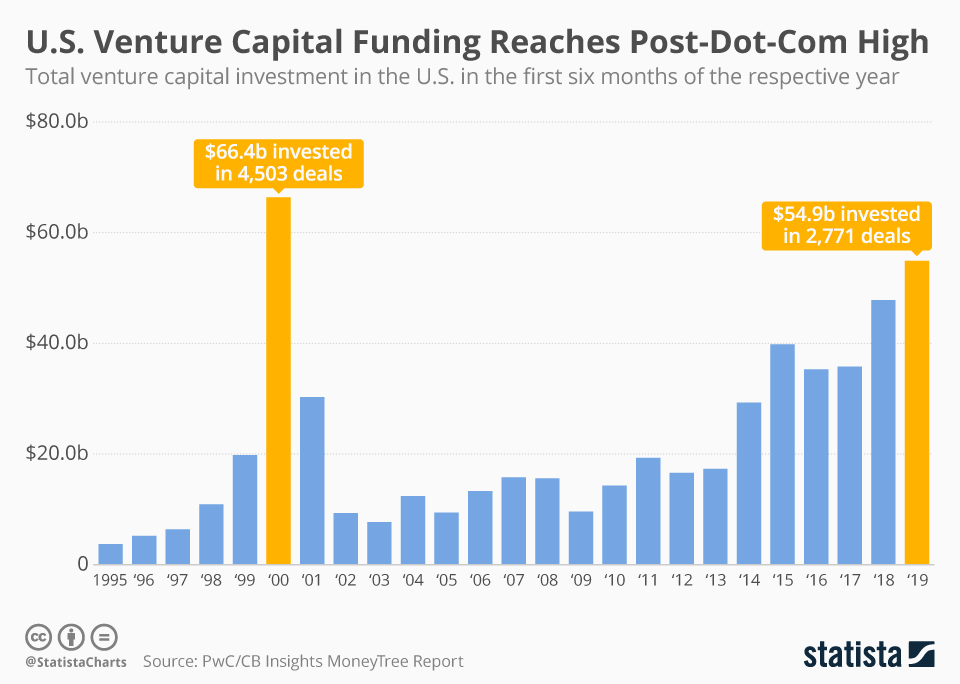

Although total funding hovered around $11 billion, the number of deals dropped sharply compared with previous years. Analysts estimate deal volume fell by nearly 40 percent year-over-year, signaling a major recalibration in how investors approach the Indian market.
Instead of spreading capital across hundreds of early-stage bets, investors concentrated funds into fewer, larger rounds for startups that demonstrated:
-
Clear revenue streams
-
Strong unit economics
-
Proven market demand
-
Experienced founding teams
This pattern mirrors a broader global trend, where venture capital has become more cautious amid economic uncertainty and higher expectations for returns.
Why Investors Became More Selective
Several factors explain why 2025 became a year of discipline rather than exuberance.
First, global venture funding cooled, especially outside the U.S. mega-AI deals. Limited partners pushed funds to prioritize capital efficiency and long-term value creation rather than aggressive growth at all costs.
Second, India did not experience the same AI investment explosion seen in Silicon Valley. While Indian AI startups did raise money, funding levels remained modest compared with U.S. counterparts, reflecting a preference for application-driven products rather than capital-intensive foundational AI research.
Finally, valuation corrections from previous years made investors more cautious, forcing startups to justify pricing with performance rather than potential alone.
Early-Stage vs. Late-Stage Funding



The selective environment affected stages differently:
-
Seed and early-stage rounds became harder to secure unless startups showed rapid traction or unique differentiation.
-
Late-stage funding also slowed, as investors avoided overpaying amid uncertain exit timelines.
-
Growth-stage companies with revenue visibility fared best, attracting the bulk of deployed capital.
This dynamic pushed founders to focus more heavily on sustainability, profitability, and customer retention rather than purely growth metrics.
Sector Winners in 2025


Despite tighter capital, several sectors continued to attract strong interest:
Consumer Internet & Quick Commerce
India’s massive consumer base continued to support e-commerce, logistics, and on-demand delivery startups. Some high-profile companies even began preparing for IPOs, signaling confidence in long-term demand.
Fintech & Payments
Startups focused on lending, payments, and financial infrastructure remained attractive, particularly those serving underbanked populations.
Deep Tech & Manufacturing
Investors increasingly backed startups in manufacturing tech, climate solutions, and industrial innovation—areas where India holds strategic advantages and faces less global competition.
Role of Domestic Capital and Government Support
A notable trend in 2025 was the growing influence of domestic investors. Indian venture funds and family offices played a larger role as some global investors pulled back or shifted focus elsewhere.
Meanwhile, government initiatives—including a multi-billion-dollar fund-of-funds program and expanded R&D incentives—helped stabilize the ecosystem. These measures reassured investors that innovation remains a long-term national priority.
Exits, IPOs, and Market Maturity
While fundraising slowed, exit activity improved. India saw a rise in IPO filings and mergers, providing liquidity for investors and validating business models that survived the funding slowdown.
This marks a sign of ecosystem maturity: fewer startups chasing funding, but more companies building toward sustainable exits.
What This Means for 2026
Looking ahead, analysts expect India’s startup landscape to remain disciplined rather than explosive. Capital will likely continue flowing—but selectively—to founders who demonstrate execution, efficiency, and scale potential.
For entrepreneurs, the message is clear: fundraising alone is no longer the goal—building a real business is.
Conclusion
India’s $11 billion in startup funding for 2025 tells a story of evolution, not decline. As investors grow more selective, the ecosystem is shifting toward durability and depth rather than speed and volume. This transformation may ultimately strengthen India’s position as one of the world’s most important startup hubs—built not on hype, but on fundamentals.