
A Lawsuit That’s Shaking the Venture Capital World
One of the most influential names in global venture capital, Insight Partners, is facing a high-profile lawsuit filed by its former vice president, Kate Lowry.
The legal action, first reported by TechCrunch, has quickly become a flashpoint in conversations about workplace culture, internal governance, and power dynamics within elite investment firms.


While lawsuits are not uncommon in the corporate world, this case stands out because of Insight Partners’ stature and the broader implications it may carry for the venture capital ecosystem.
Who Is Insight Partners — and Why This Case Matters
Founded in the mid-1990s, Insight Partners has grown into a powerhouse in technology investing, managing tens of billions of dollars and backing some of the world’s most successful software and internet companies.



The firm’s influence extends far beyond finance:
-
It shapes startup leadership teams
-
Influences corporate governance standards
-
Helps define Silicon Valley norms
That influence is precisely why allegations involving internal conduct draw such intense scrutiny.
Who Is Kate Lowry?
Kate Lowry served as a vice president at Insight Partners, a role that placed her within the firm’s professional leadership ranks. According to public information and reporting, she was deeply involved in investment-related work and operated in close proximity to senior decision-makers.


Her lawsuit is notable not only because of her title, but because it comes from inside the firm — not from a junior or external party.
What the Lawsuit Alleges
⚠️ Important context: The claims described below are allegations contained in a legal complaint. They have not been adjudicated, and Insight Partners has not been found liable for any wrongdoing.
According to the lawsuit, Lowry alleges that:
-
She was subjected to unfair treatment within the firm
-
Internal mechanisms failed to address her concerns
-
Her professional standing and career trajectory were negatively impacted


The suit reportedly centers on issues of workplace conduct, retaliation, and accountability — themes that have increasingly surfaced across the tech and finance industries.
The Broader Context: Venture Capital Under the Microscope
This lawsuit arrives at a time when venture capital is facing unprecedented scrutiny.
Over the past decade, critics have pointed to:
-
Concentrated power among a small group of partners
-
Limited transparency in decision-making
-
Weak internal accountability structures



Cases like this resonate because they challenge the long-standing perception that elite VC firms operate beyond meaningful oversight.
Why Power Dynamics Matter in VC Firms
Unlike large public corporations, venture capital firms often operate as private partnerships with:
-
Minimal public disclosure
-
Informal HR structures
-
Significant authority concentrated at the top



This structure can make it difficult for employees — even senior ones — to raise concerns without fear of professional consequences.
Legal Experts: Why This Case Is Unusual
Employment attorneys note that lawsuits against venture capital firms are relatively rare compared to cases involving startups or public companies.


Why?
-
VC firms are small and tightly controlled
-
Disputes are often settled quietly
-
Reputation management is a high priority
A public lawsuit signals that internal resolution may have failed — or that the issues raised were considered too significant to resolve privately.
Insight Partners’ Response So Far
As of the time of reporting, Insight Partners has not publicly detailed its full response to the allegations. In situations like this, firms typically emphasize:
-
Disagreement with the claims
-
Confidence in internal policies
-
Intent to defend themselves in court


Legal proceedings will ultimately determine how the claims are evaluated.
What This Means for the Venture Capital Industry
Even if the case never reaches trial, its impact may already be felt.
Potential Ripple Effects:
-
Increased internal reviews at VC firms
-
Stronger HR and compliance processes
-
Greater willingness of executives to speak up
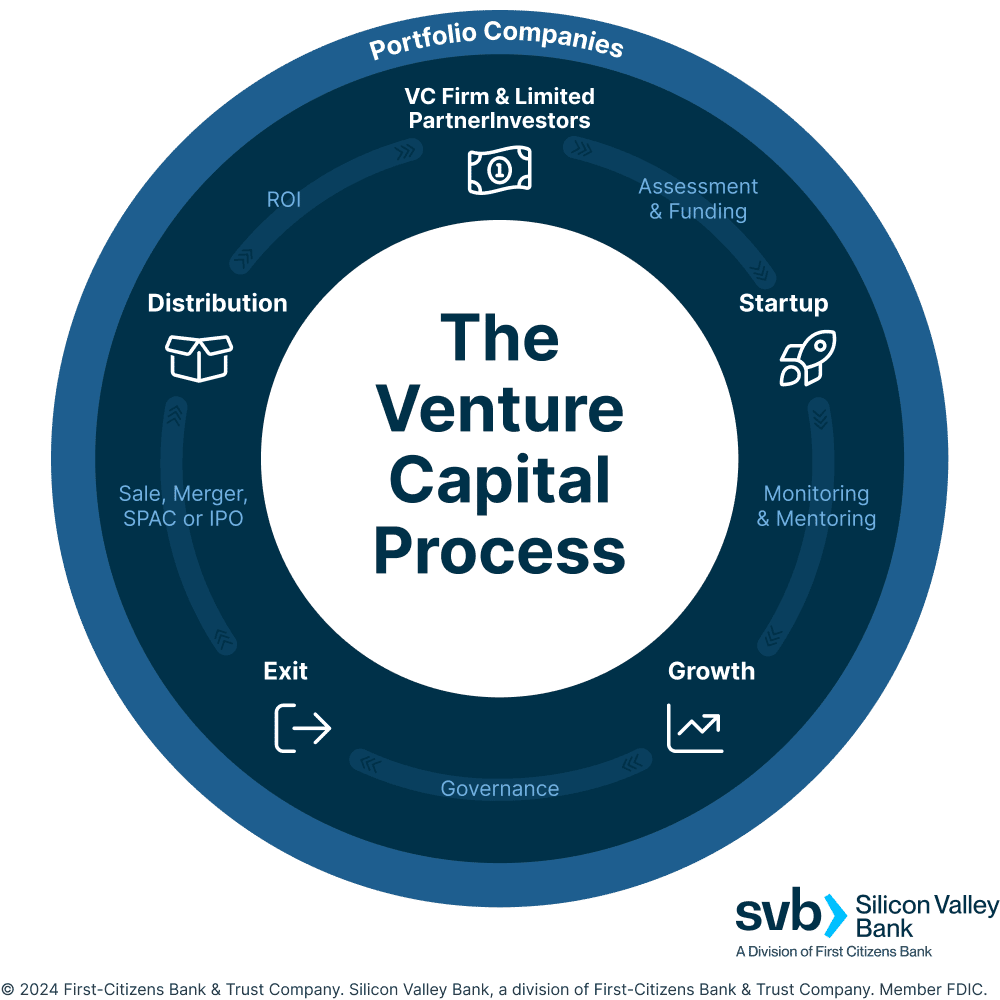


In recent years, similar lawsuits have prompted entire industries to reevaluate how power is exercised behind closed doors.
A Pattern Emerging in Tech and Finance
This lawsuit fits into a broader pattern of legal challenges reshaping elite professional environments.

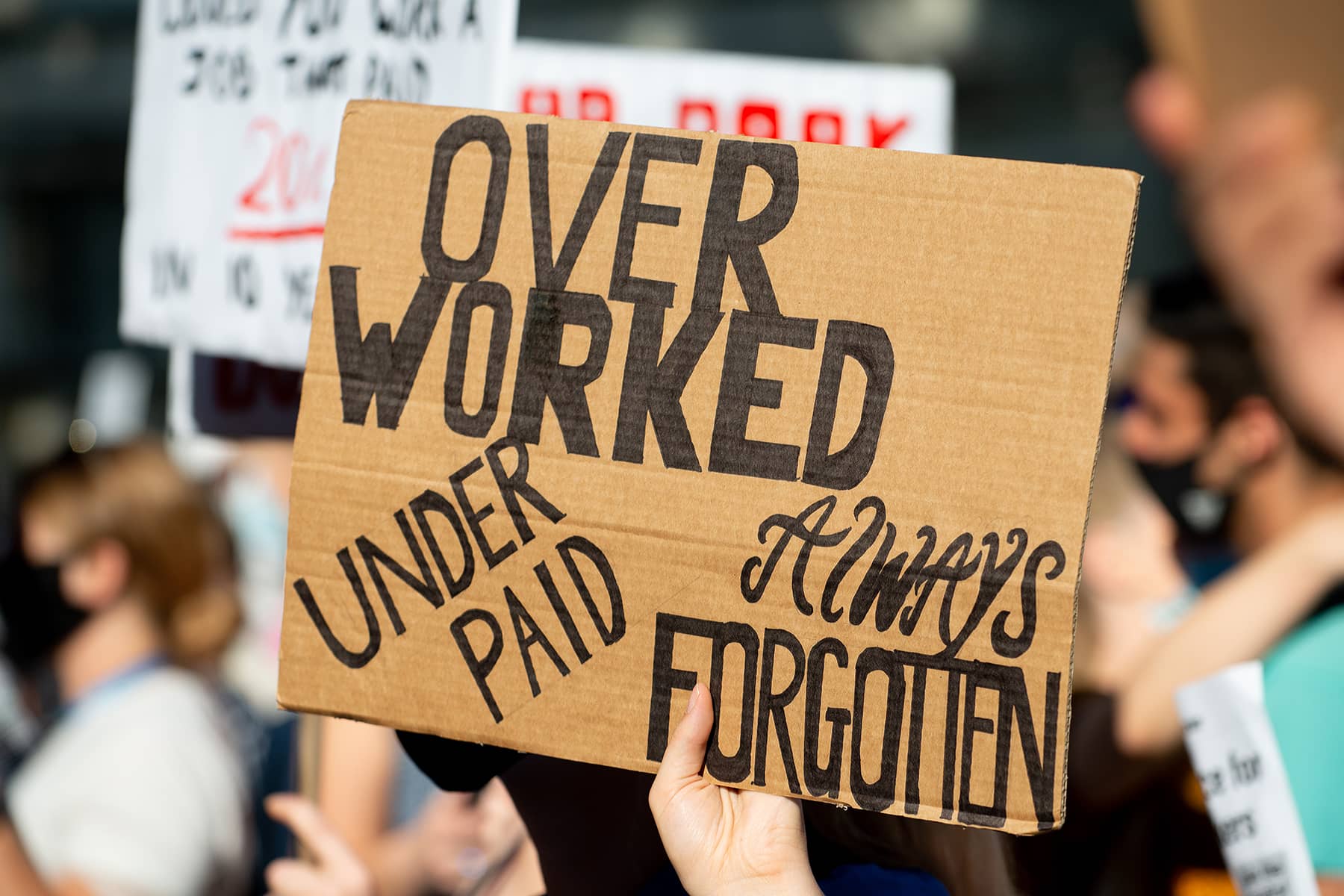
From startups to Wall Street, employees at all levels are increasingly:
-
Using legal systems to seek accountability
-
Challenging opaque internal practices
-
Forcing cultural conversations into the open
Why This Case Resonates Beyond Insight Partners
For many observers, the lawsuit is less about one firm and more about a system.
Questions being asked include:
-
How are disputes handled in private partnerships?
-
Do senior employees have meaningful recourse?
-
What protections exist when power is highly concentrated?
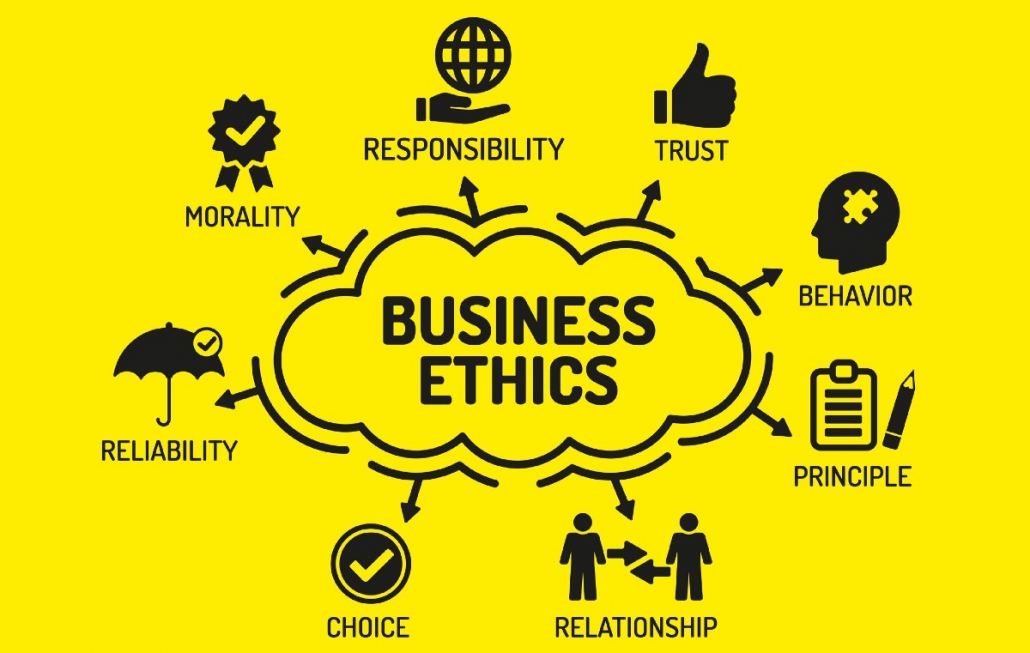


These questions extend across venture capital, private equity, and even startup boards.
Possible Outcomes — and What Comes Next
There are several paths this case could take:
-
Dismissal: The court could rule the claims insufficient
-
Settlement: A private resolution could be reached
-
Trial: Allegations could be examined publicly
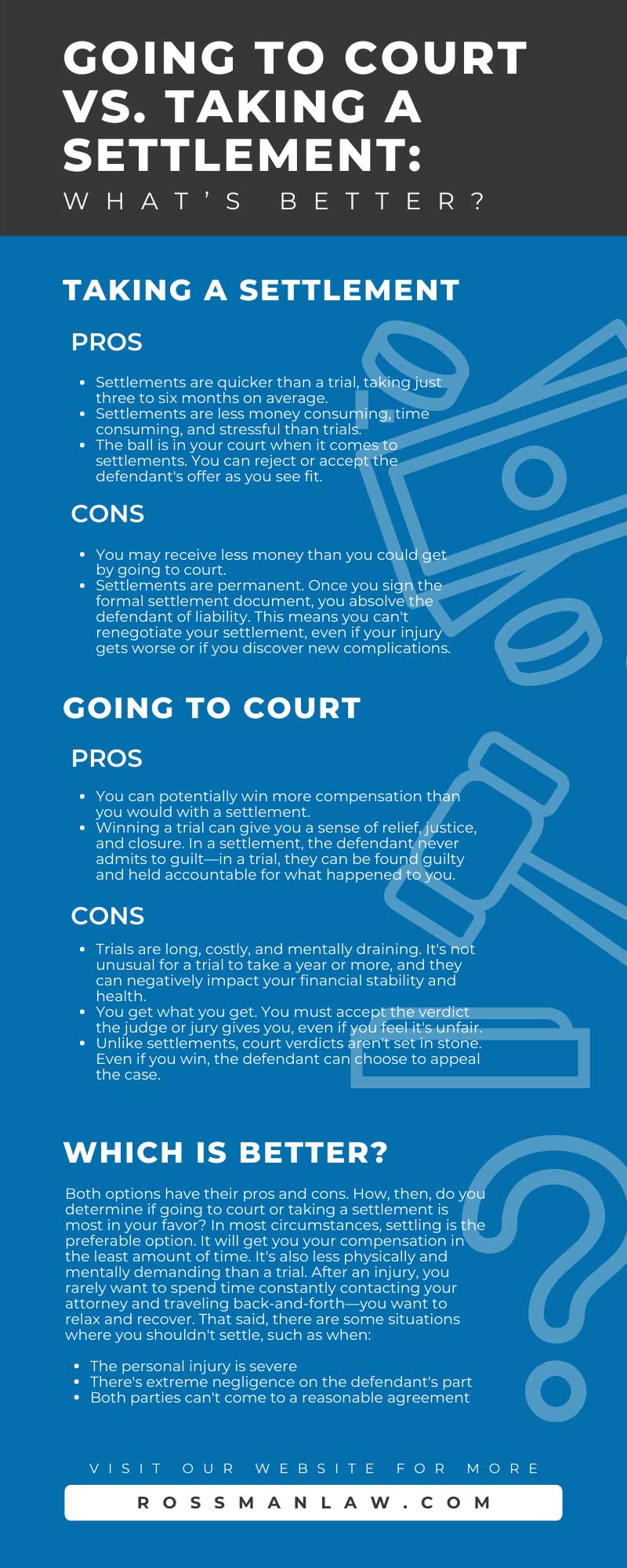


Each outcome carries different implications — not just for the parties involved, but for the industry watching closely.
Impact on Talent and Recruitment
Top-tier venture capital firms rely on reputation to attract elite talent.


Even unresolved lawsuits can:
-
Influence recruitment conversations
-
Affect internal morale
-
Change how firms communicate values
Transparency, once optional, is increasingly becoming a competitive necessity.
The Human Side of the Story
Beyond legal arguments and institutional impact lies a deeply human element.



For individuals involved, lawsuits like this often represent:
-
Career disruption
-
Emotional toll
-
A last-resort effort to be heard
That human dimension is why these cases resonate far beyond courtrooms.
A Test of Accountability in a Powerful Industry
The lawsuit filed by Kate Lowry against Insight Partners serves as a reminder that no sector is immune from scrutiny — not even one that funds innovation across the global economy.
Whether the claims are upheld or contested, the case underscores a shifting reality:
power without accountability is increasingly being challenged.



Final Thoughts: More Than a Legal Dispute
This lawsuit is not just about Insight Partners or Kate Lowry. It reflects a broader reckoning taking place across venture capital and tech — one where culture, governance, and responsibility are no longer side issues, but central ones.
As the case unfolds, it will be closely watched not only by lawyers, but by founders, investors, and executives across the industry.
Because the outcome may help define what accountability looks like in the next era of venture capital.