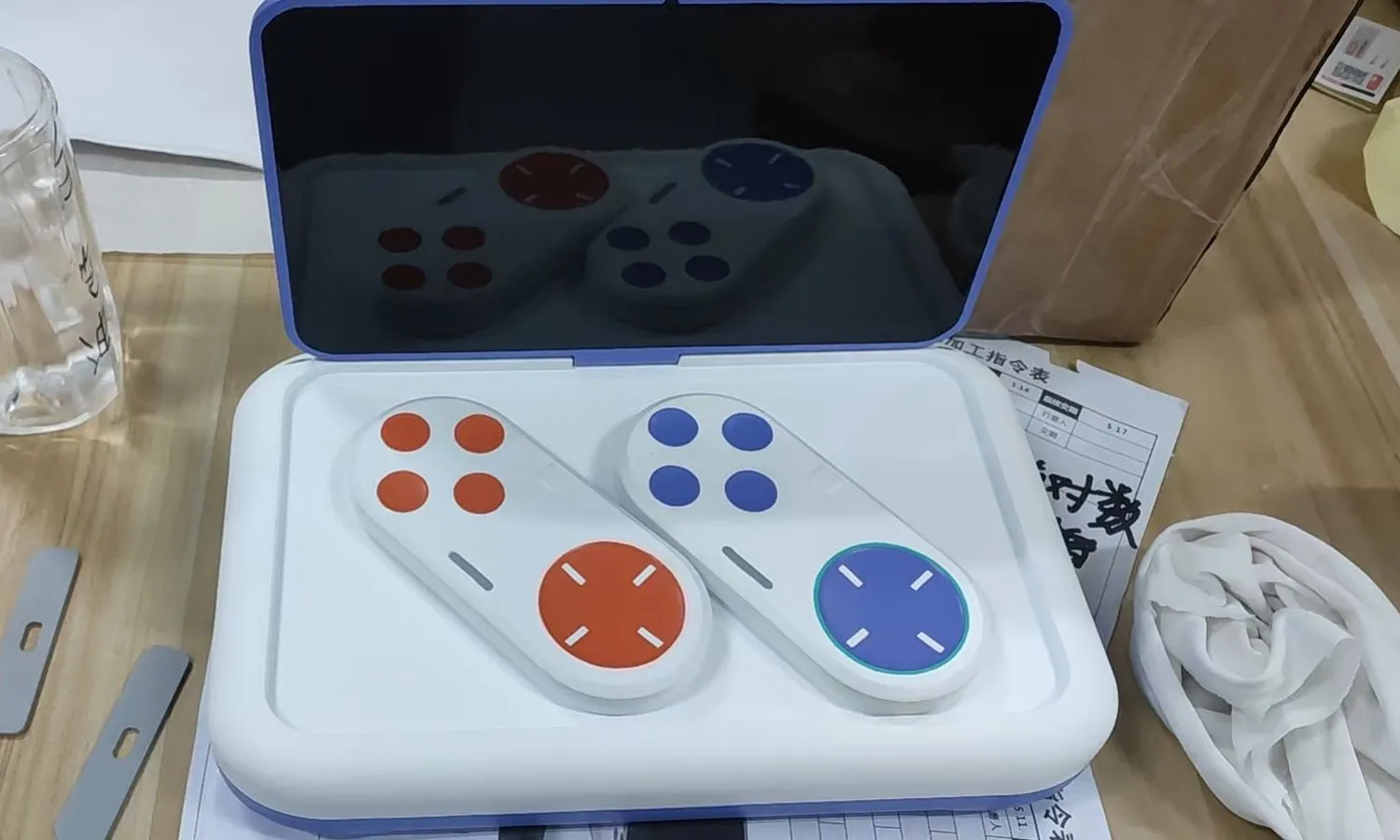
Introduction: Intel’s Next Big Play Is in Your Hands
The handheld gaming market has exploded over the past few years, transforming from a niche category into one of the most competitive spaces in consumer technology. Now, Intel is preparing to make its most direct move yet.
According to reports, Intel is actively building a handheld gaming platform of its own—complete with a dedicated chip designed specifically for portable gaming. The initiative marks a significant shift for a company historically focused on CPUs for desktops, laptops, and data centers. It also signals that Intel sees handheld gaming not as a side trend, but as a long-term growth opportunity.
This article breaks down what Intel is building, why it matters, how it could reshape the portable gaming market, and what it means for gamers and competitors alike.

Intel’s Handheld Gaming Platform: What We Know So Far
A Purpose-Built Device, Not Just a Reference Design
Unlike past efforts where Intel primarily supplied chips to third-party manufacturers, this project represents a more vertically integrated approach. Intel is not just enabling handheld gaming—it is helping define the platform itself.
Key elements reportedly include:
-
A custom-designed Intel chip optimized for handheld gaming
-
Tight integration between hardware and software
-
A focus on balancing performance, battery life, and thermal efficiency
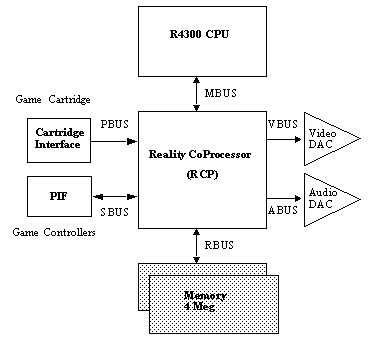
This approach mirrors strategies used by successful console makers, where silicon and system design evolve together.
Why a Dedicated Chip Changes Everything
Optimized for Gaming, Not General Computing
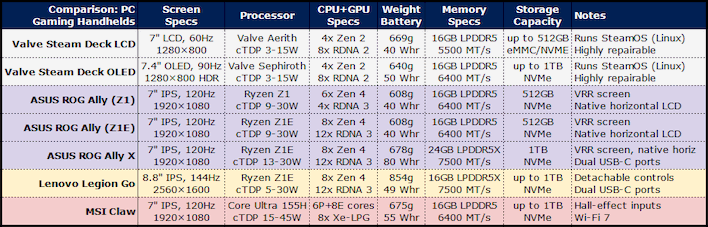
Traditional handheld gaming PCs rely on laptop-class processors adapted for smaller devices. While powerful, those chips are not designed with sustained handheld gaming as their primary use case.
Intel’s dedicated chip aims to:
-
Deliver consistent frame rates under tight power limits
-
Improve thermal behavior in compact form factors
-
Optimize graphics performance for modern game engines
By designing silicon specifically for this category, Intel could unlock better efficiency than repurposed laptop CPUs.



Why Intel Is Making This Move Now
The Handheld Gaming Boom
Portable gaming has surged thanks to devices that bridge the gap between consoles and PCs. Gamers increasingly want:
-
Full PC libraries on the go
-
High-end performance without a desktop
-
Flexibility across gaming ecosystems
Intel’s leadership believes this demand is not temporary. By investing early in a dedicated platform, the company is positioning itself for sustained relevance.
Competing in a Crowded Market
Entering a Space With Strong Players
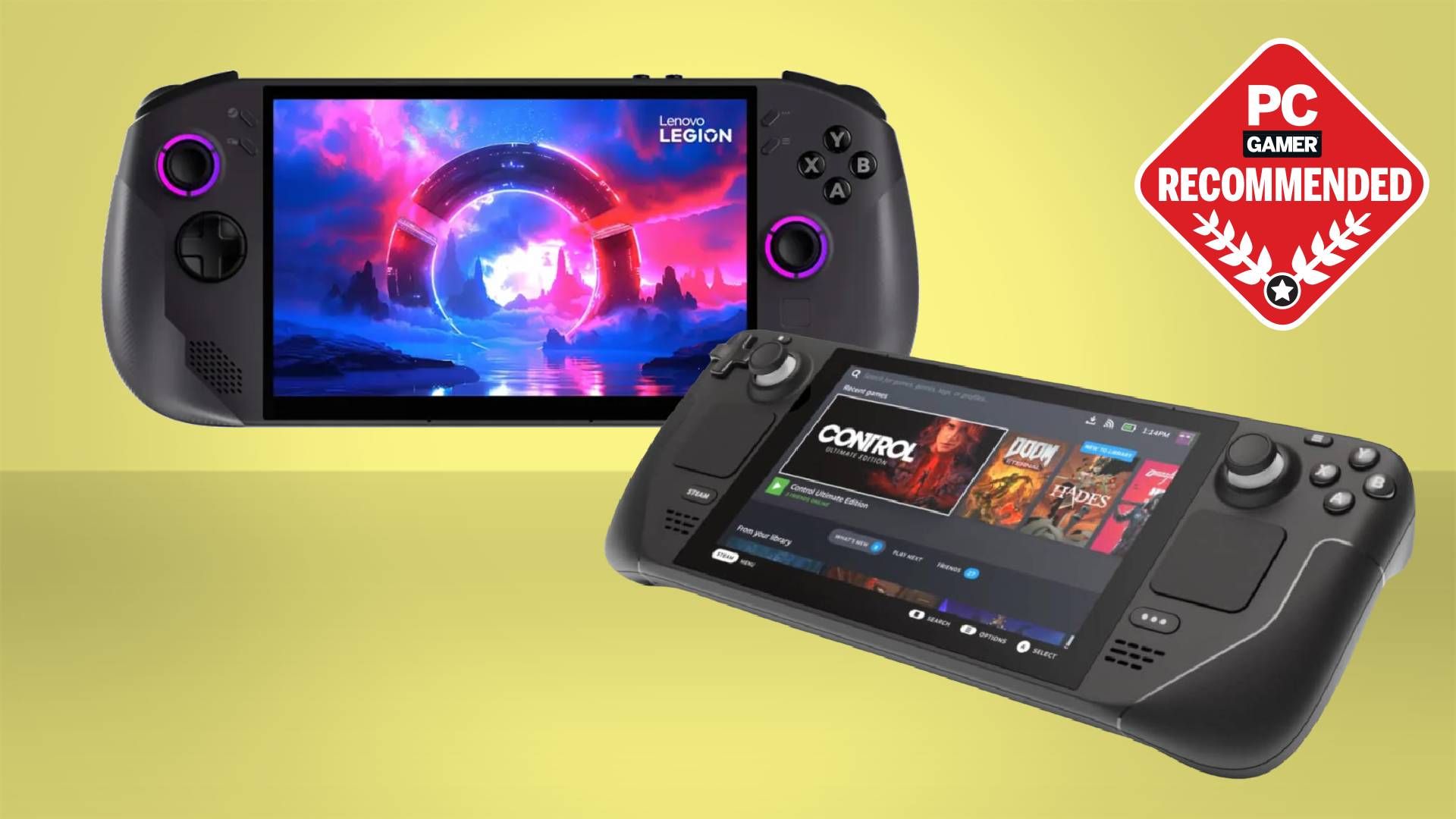
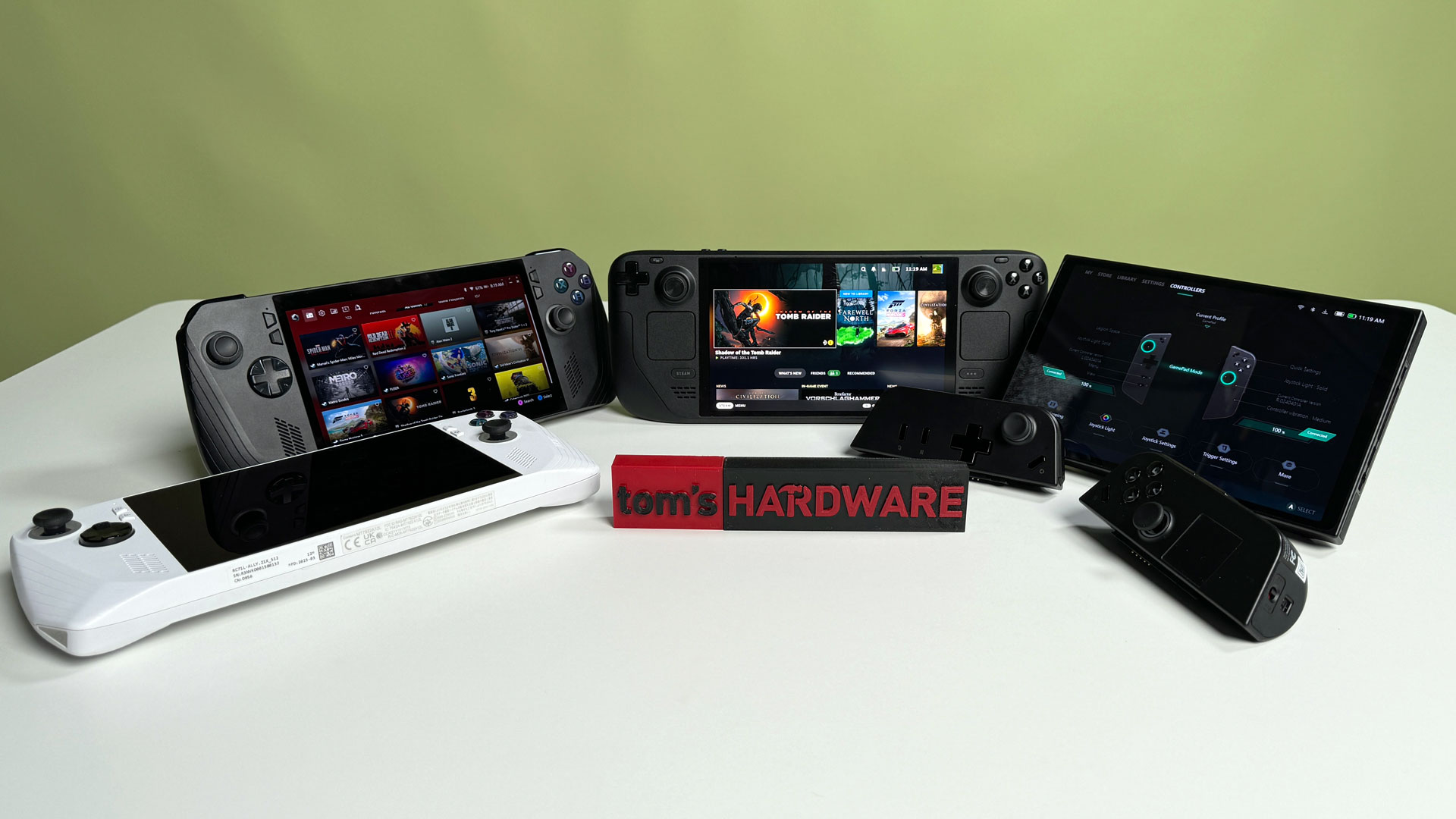
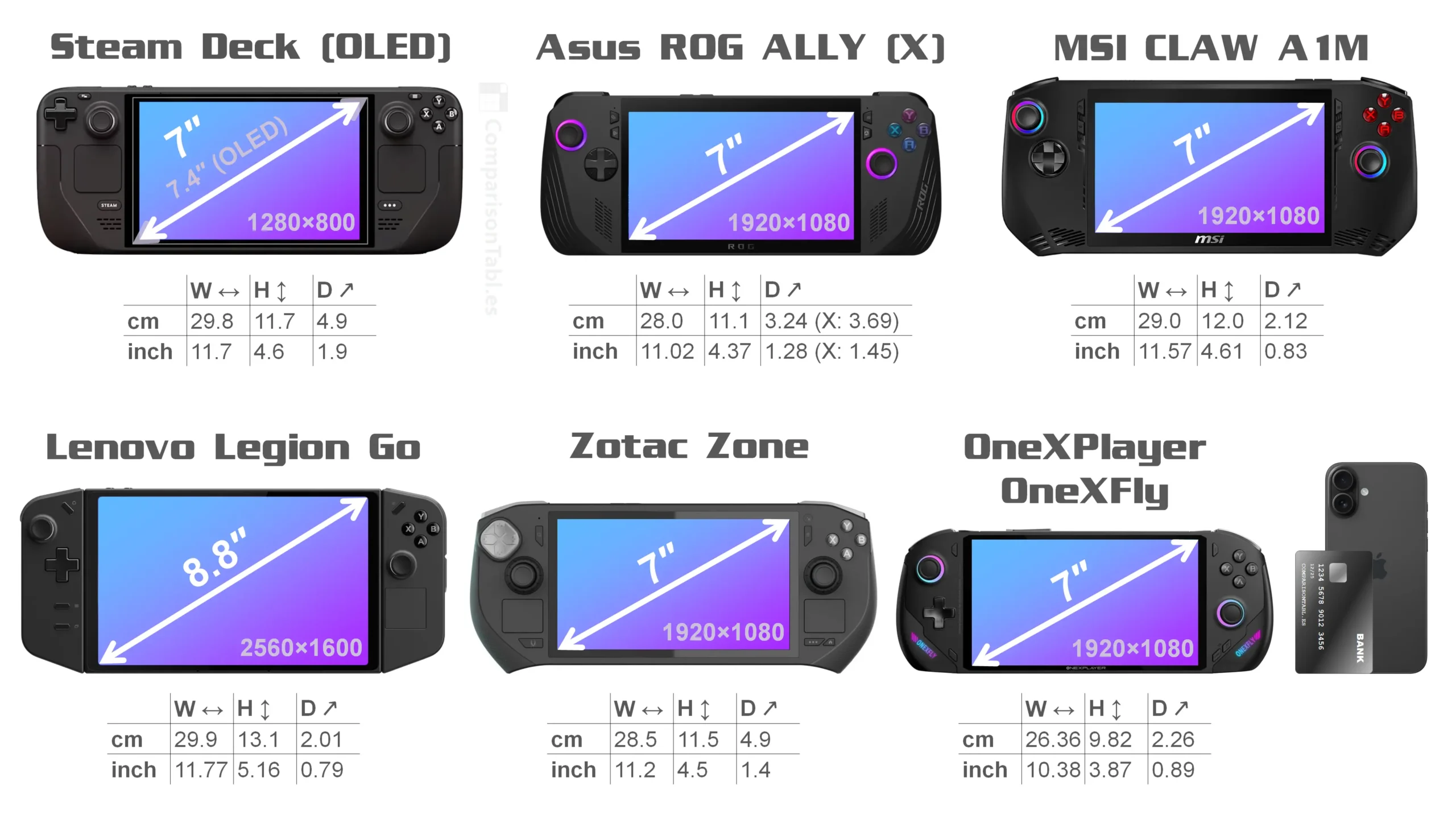
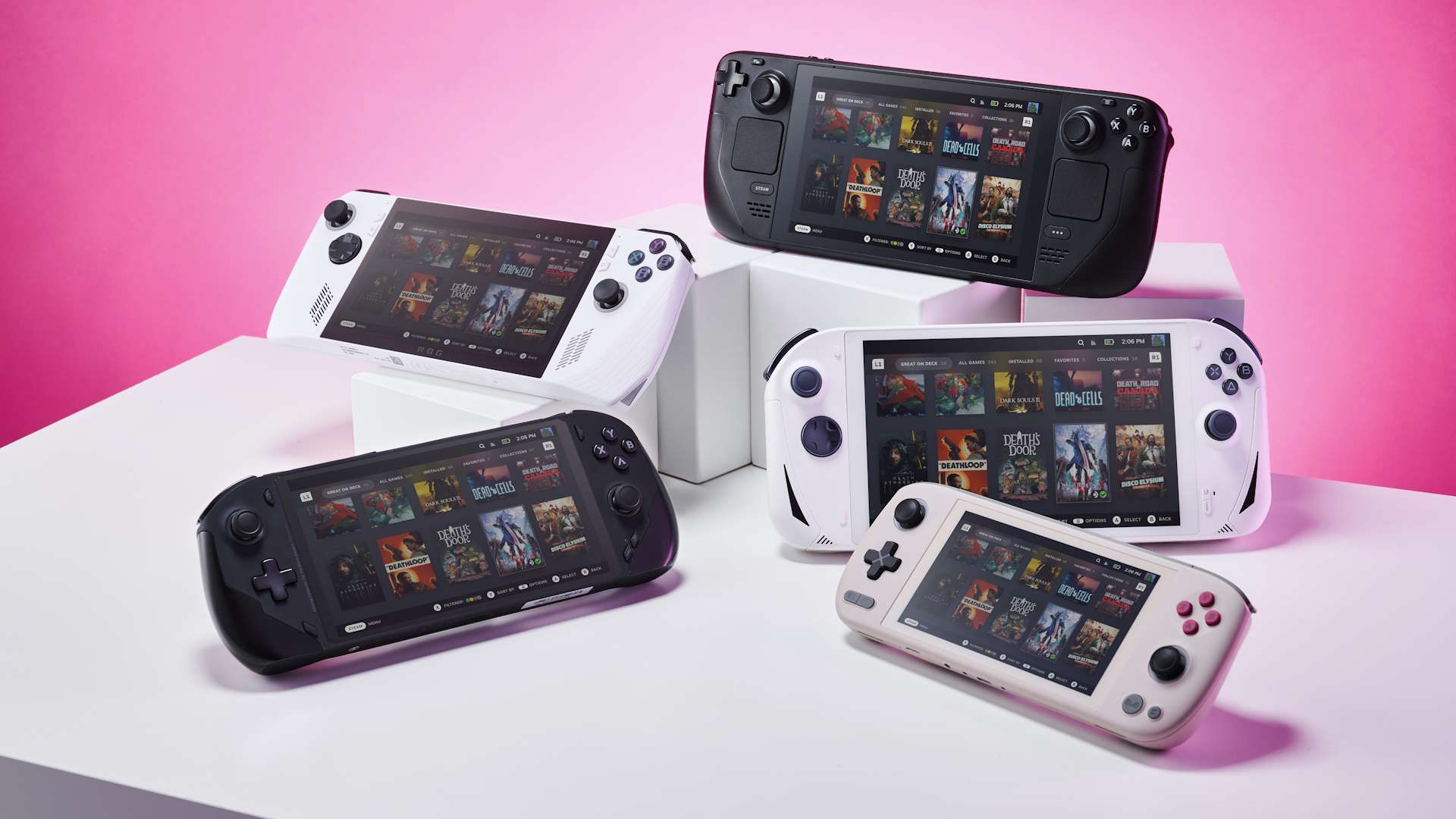
Intel’s handheld platform will inevitably be compared to existing portable gaming systems. What differentiates Intel is its control over the processor roadmap.
Potential competitive advantages include:
-
Faster iteration cycles for gaming silicon
-
Deep experience in graphics drivers and optimization
-
Strong relationships with PC game developers
Rather than replacing other platforms, Intel appears focused on setting a new baseline for handheld PC gaming.

Software and Ecosystem: The Silent Battleground
More Than Just Hardware
A successful handheld gaming platform depends as much on software as silicon. Intel’s strength lies in its long-standing presence in the PC ecosystem.
Likely priorities include:
-
Seamless compatibility with existing PC games
-
Optimized drivers for popular game engines
-
Tools for developers to target handheld performance profiles
Intel’s involvement could reduce friction that currently exists across different handheld devices.
Battery Life and Thermal Design: The Real Test
Where Handhelds Win or Lose
Performance alone won’t define success. Gamers care deeply about:
-
Battery longevity during long sessions
-
Comfortable device temperatures
-
Quiet operation
A chip designed specifically for handheld use gives Intel a chance to improve efficiency at every level—from silicon to system firmware.


What This Means for PC Gaming
Portable Gaming as a First-Class Citizen
Intel’s move reinforces a broader shift: PC gaming is no longer tied to desks and towers. By treating handheld devices as a primary gaming platform, Intel validates the idea that portable systems deserve the same optimization and investment as desktops.
This could lead to:
-
Better handheld performance in AAA titles
-
New design targets for PC games
-
Greater emphasis on scalable graphics and power profiles
Developers Are Watching Closely
A New Target Platform
Game developers are increasingly interested in platforms that offer:
-
Predictable performance envelopes
-
Large, engaged user bases
-
Long-term hardware stability
If Intel commits to a clear roadmap, its handheld platform could become an attractive development target rather than an afterthought.
Risks and Challenges Ahead
Execution Will Matter
Despite the excitement, Intel faces real challenges:
-
Hardware manufacturing complexity
-
Competing expectations from gamers
-
Software polish and user experience
The handheld market is unforgiving—small compromises in ergonomics or reliability can quickly define public perception.
How This Fits Into Intel’s Bigger Strategy
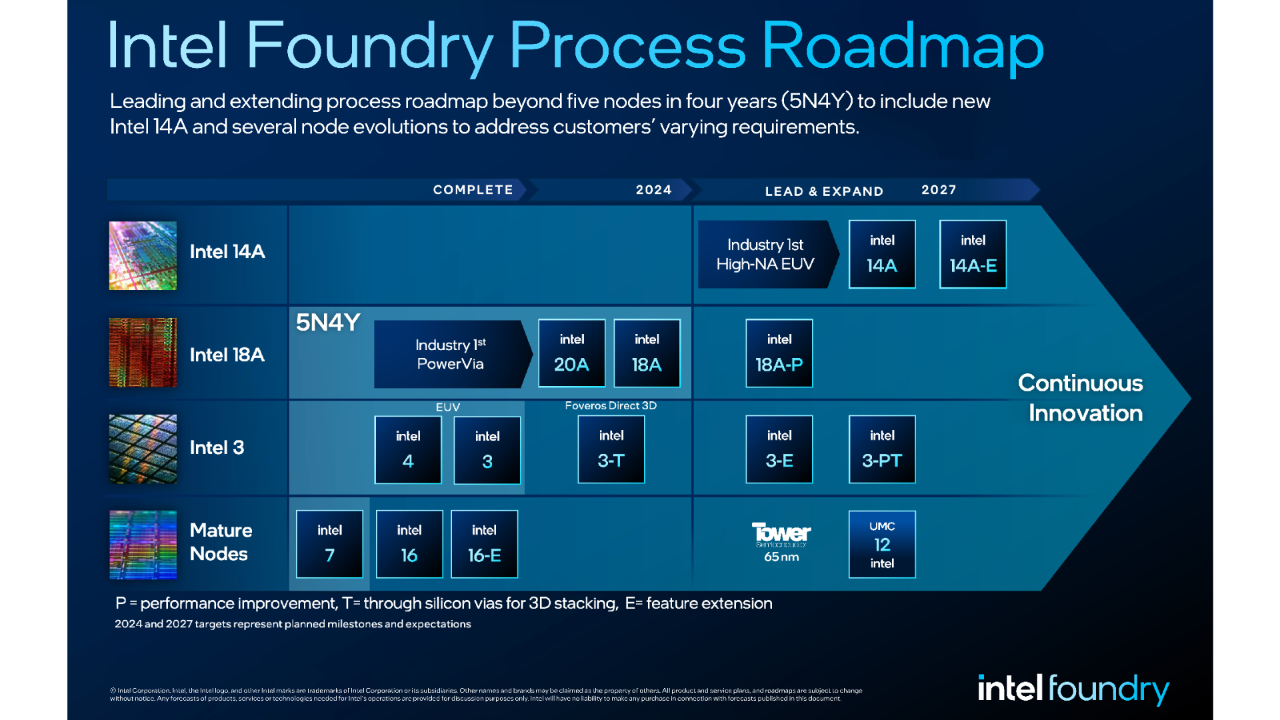
Beyond CPUs
This initiative aligns with Intel’s broader push to expand its identity beyond traditional processors. By entering gaming hardware more directly, Intel strengthens its presence across:
-
Consumer devices
-
Graphics technology
-
End-user experiences
The handheld platform may serve as a showcase for Intel’s future silicon ambitions.


When Could Gamers See It?
Still Early, But Momentum Is Building
Intel has not announced a release date or final specifications. However, industry observers suggest that:
-
Prototypes are already in development
-
Partnerships with manufacturers are likely
-
Public demos could appear within the next year
The company appears committed to taking the time needed to get it right.
Conclusion: Intel Is Betting Big on Gaming in Your Hands
Intel’s decision to build a handheld gaming platform with a dedicated chip is more than a product announcement—it’s a statement of intent. The company believes portable gaming is not a side market, but a cornerstone of the future of PC gaming.
If Intel delivers on performance, efficiency, and ecosystem support, its handheld platform could redefine expectations for portable play. And in doing so, it may reshape how gamers think about where—and how—PC gaming truly lives.
For an industry hungry for innovation, Intel’s next move might just fit in the palm of your hand.