
As California intensifies debate over a proposed wealth tax aimed at the state’s richest residents, one of Silicon Valley’s most influential figures is reportedly rethinking his relationship with the Golden State.
Larry Page, the billionaire co-founder of Google, has quietly loosened his business and personal ties to California, according to recent reporting. While Page has long maintained a low public profile, the move is drawing fresh attention to a broader question facing the tech industry: how far will wealthy founders go when tax policy shifts?
The development underscores growing tension between progressive state-level tax proposals and the mobility of ultra-high-net-worth individuals whose wealth and influence are increasingly global.
What Is California’s Proposed Wealth Tax?



At the center of the controversy is a proposal that would impose a tax on accumulated wealth, not just annual income, targeting California’s richest residents.
While versions of the proposal have evolved, key ideas include:
-
Annual taxes on net worth above a high threshold
-
Potential “exit taxes” on residents who leave the state
-
Increased revenue earmarked for social programs and public services
Supporters argue that California’s extreme wealth inequality justifies aggressive measures. Critics counter that such taxes are difficult to enforce, constitutionally questionable, and likely to push capital—and people—out of the state.
Larry Page’s Reported Shift Away From California




According to reports, Page has taken steps that suggest reduced reliance on California as his primary base of operations. These include:
-
Reorganizing or relocating certain business entities
-
Spending more time outside the state
-
Structuring personal and corporate affairs to limit exposure
Importantly, there is no indication that Page has publicly criticized California officials or commented directly on the tax proposal. The shift appears quiet and strategic rather than confrontational.
That silence itself is telling. For founders of Page’s stature, relocation decisions often function as policy signals—whether intended or not.
Why Larry Page’s Moves Matter




Larry Page is not just another wealthy resident. As one of the architects of the modern internet economy, his choices carry symbolic and practical weight.
His reported pullback matters because:
-
It reinforces concerns about a Silicon Valley talent and capital drain
-
It may influence how other founders assess long-term risk
-
It highlights how quickly wealth can be repositioned
Even if Page remains deeply connected to U.S. technology leadership, reduced California ties raise questions about the state’s future competitiveness.
A Broader Trend Among Tech Billionaires
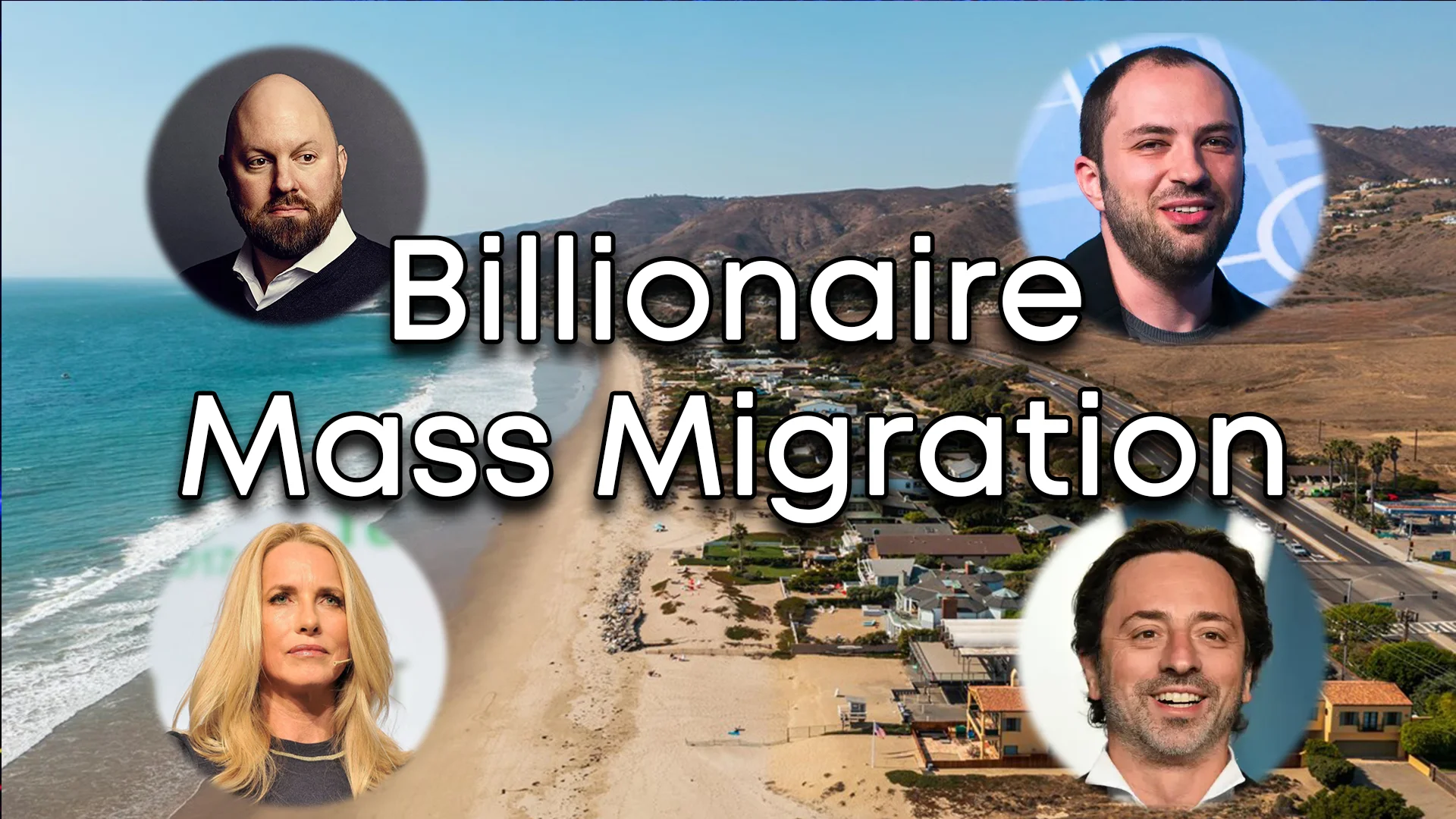

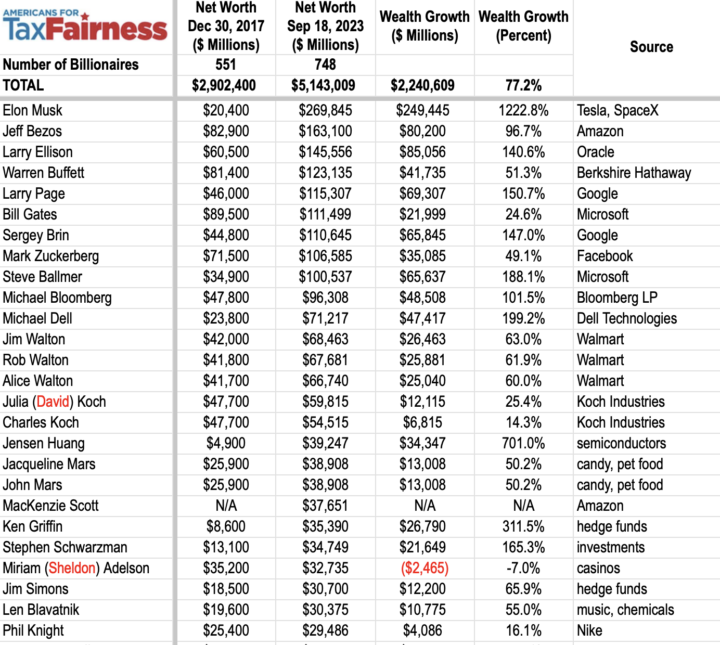

Page’s reported move fits a broader pattern. In recent years, multiple high-profile tech figures have:
-
Shifted residency to lower-tax states
-
Expanded operations abroad
-
Diversified legal and financial structures
While not all relocations are tax-driven, policy uncertainty often accelerates decisions among those with the means to move easily.
Critics of wealth taxes argue this proves their point: capital is mobile, and states compete not just on innovation—but on tax climate.
Supporters Say the Tax Is Working as Intended


Advocates of the wealth tax see Page’s reported distancing differently.
They argue:
-
The tax targets inequality, not individual loyalty
-
California should prioritize residents who cannot relocate
-
Public investment matters more than billionaire convenience
From this perspective, the departure—or partial departure—of a few ultra-wealthy individuals is an acceptable tradeoff for broader social equity.
The Legal and Practical Challenges of Wealth Taxes


Wealth taxes face steep hurdles beyond politics.
Experts warn of:
-
Complex asset valuation
-
Enforcement difficulties across jurisdictions
-
Constitutional challenges related to interstate commerce
-
Risk of prolonged litigation
California’s proposal has not yet cleared these barriers, but even the prospect of such a tax appears sufficient to influence behavior.
Why California Is at a Crossroads



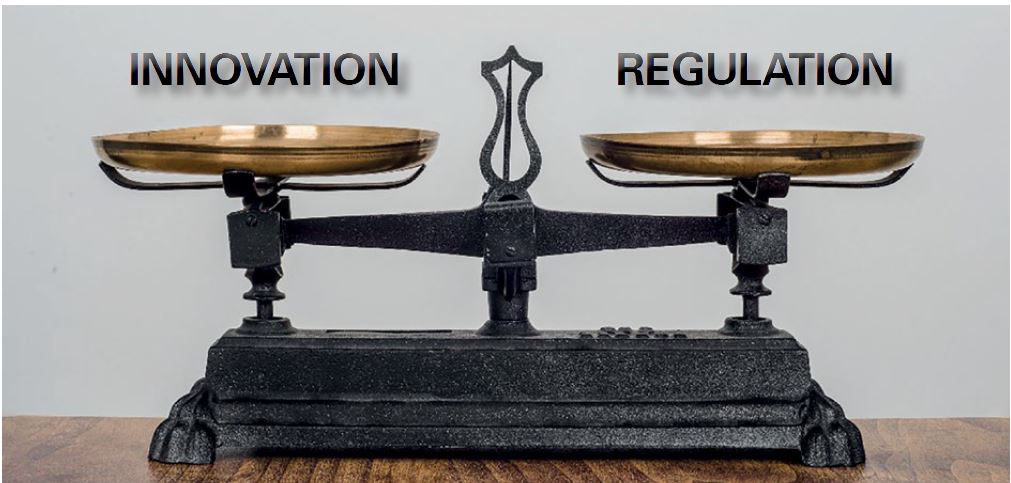
California remains the world’s most powerful tech ecosystem—but it is no longer unchallenged.
Rising costs, regulatory complexity, and tax uncertainty have created an environment where:
-
Loyalty is tested
-
Long-term planning becomes harder
-
Alternatives look increasingly viable
Larry Page’s reported pullback does not signal Silicon Valley’s collapse—but it does illustrate how fragile dominance can become when policy and perception diverge.
What Larry Page’s Silence Signals




Page has long avoided public political engagement, preferring to focus on long-term technological ambitions. His lack of comment on California’s wealth tax proposal aligns with that approach.
Yet actions often speak louder than statements.
By quietly restructuring his ties, Page demonstrates how modern power operates through flexibility rather than confrontation—a lesson policymakers cannot ignore.
What Happens Next
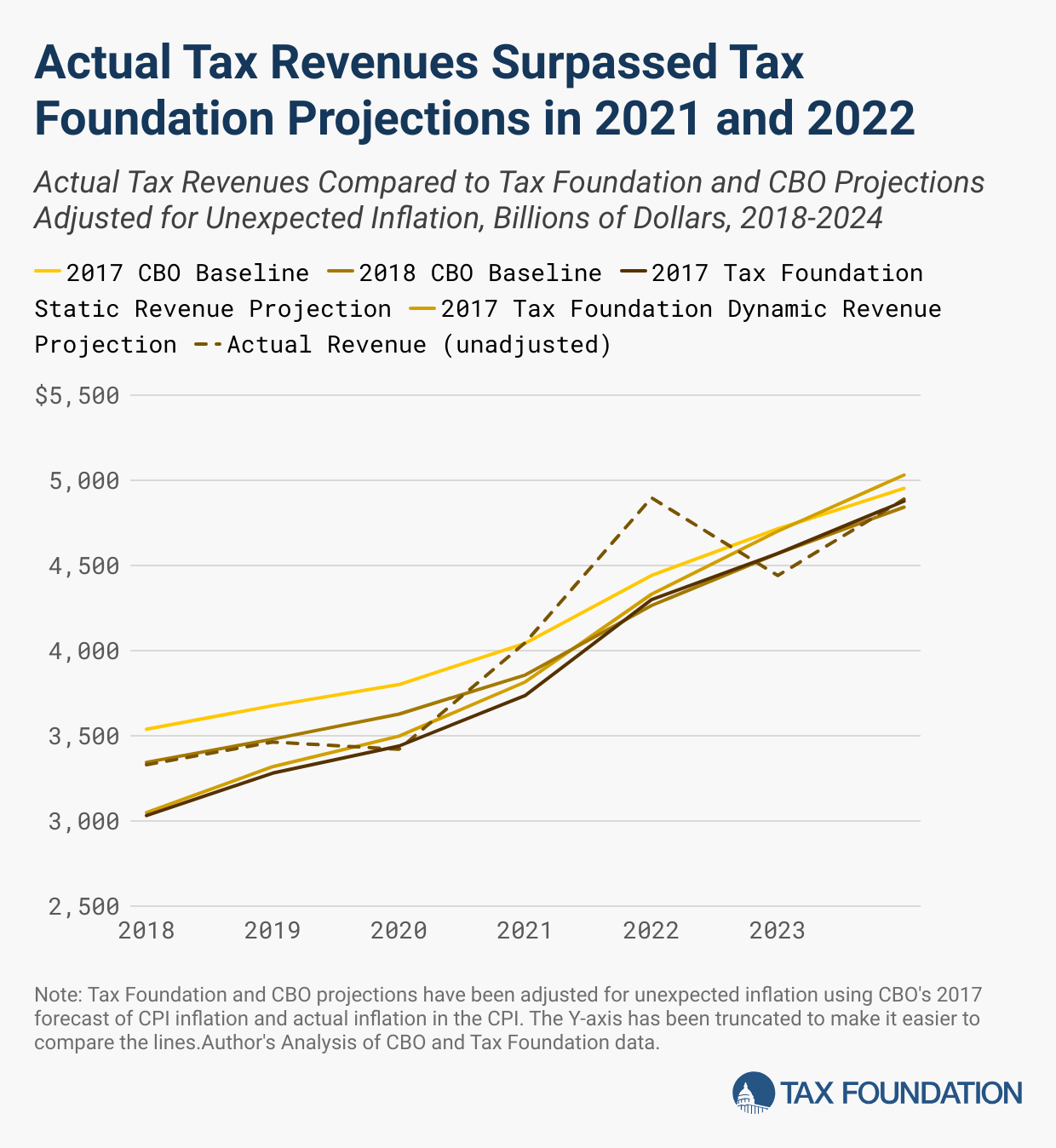

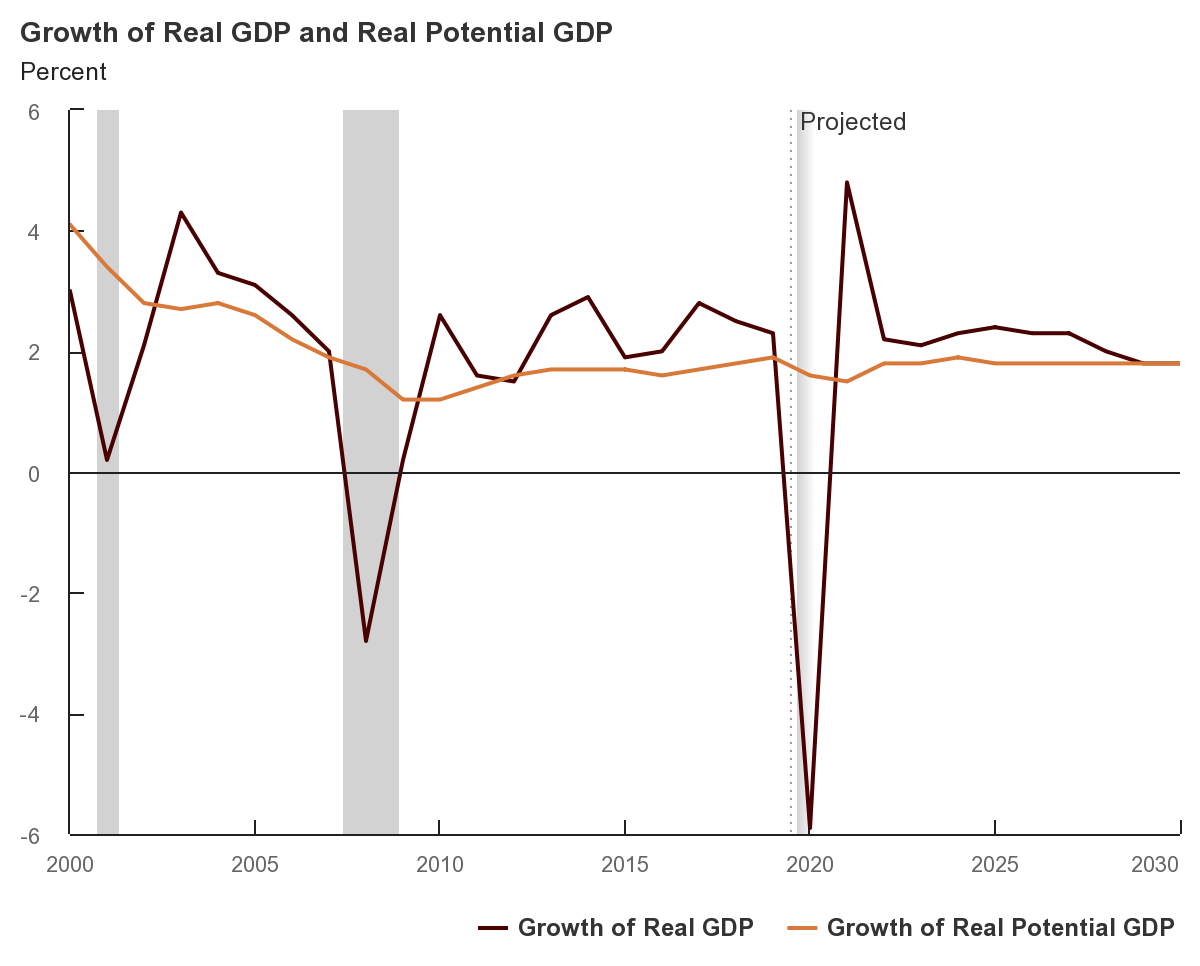

Much remains uncertain:
-
Whether California’s wealth tax will pass
-
How aggressively it would be enforced
-
How many other tech leaders might follow Page’s example
For now, the message is clear: policy signals matter, even before laws are finalized.
Final Takeaway
Larry Page’s reported decision to loosen his California ties highlights a defining challenge of modern governance: how to tax extreme wealth without driving it away.
For California, the debate is not just about revenue—it’s about identity. Can the state remain a global innovation hub while aggressively reshaping its tax structure?
Page’s quiet move suggests that the answer is still very much in question.