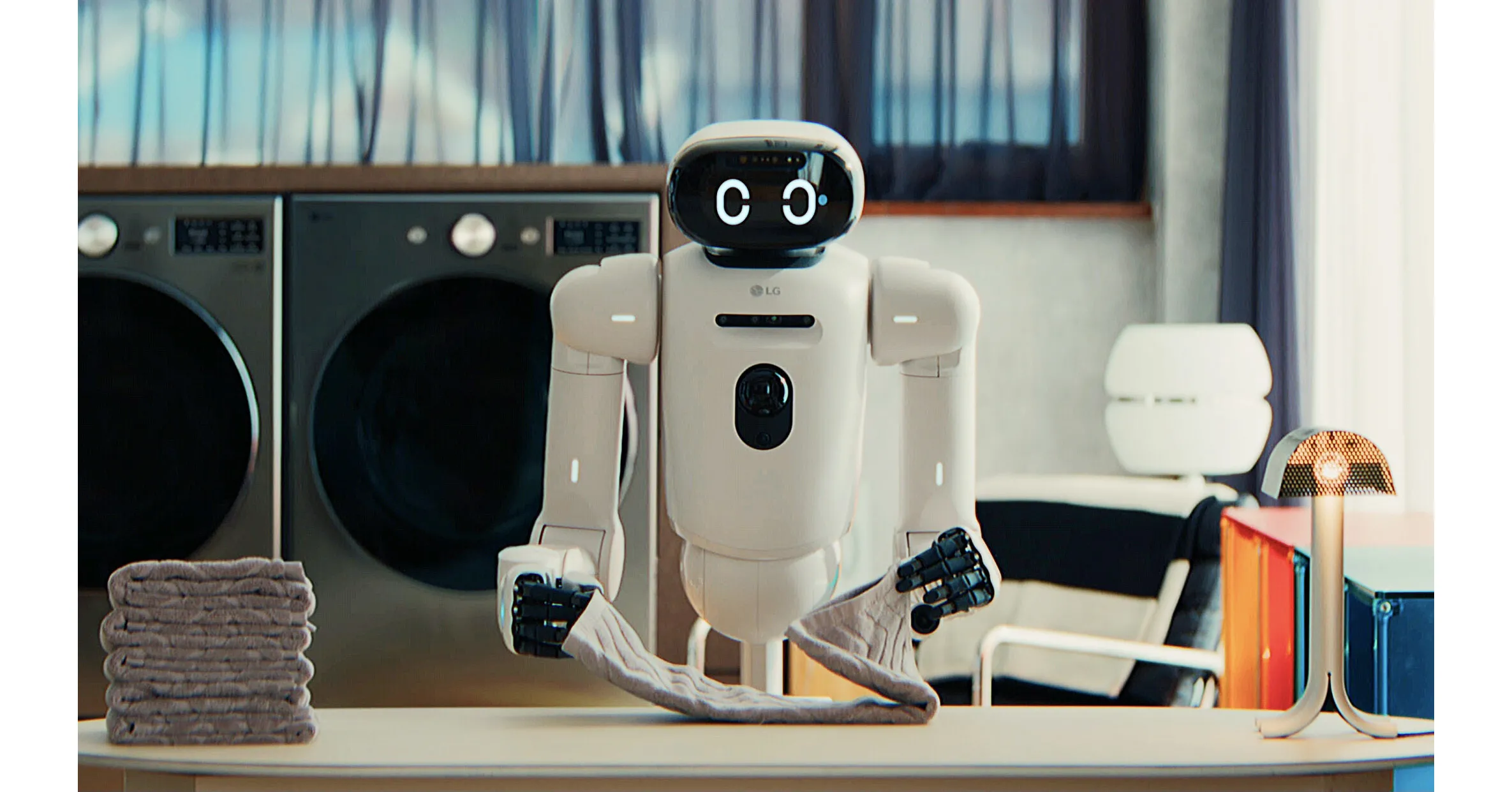
The idea of a robot folding your laundry has lived in the realm of science fiction for decades. Now, it’s stepping cautiously into reality.
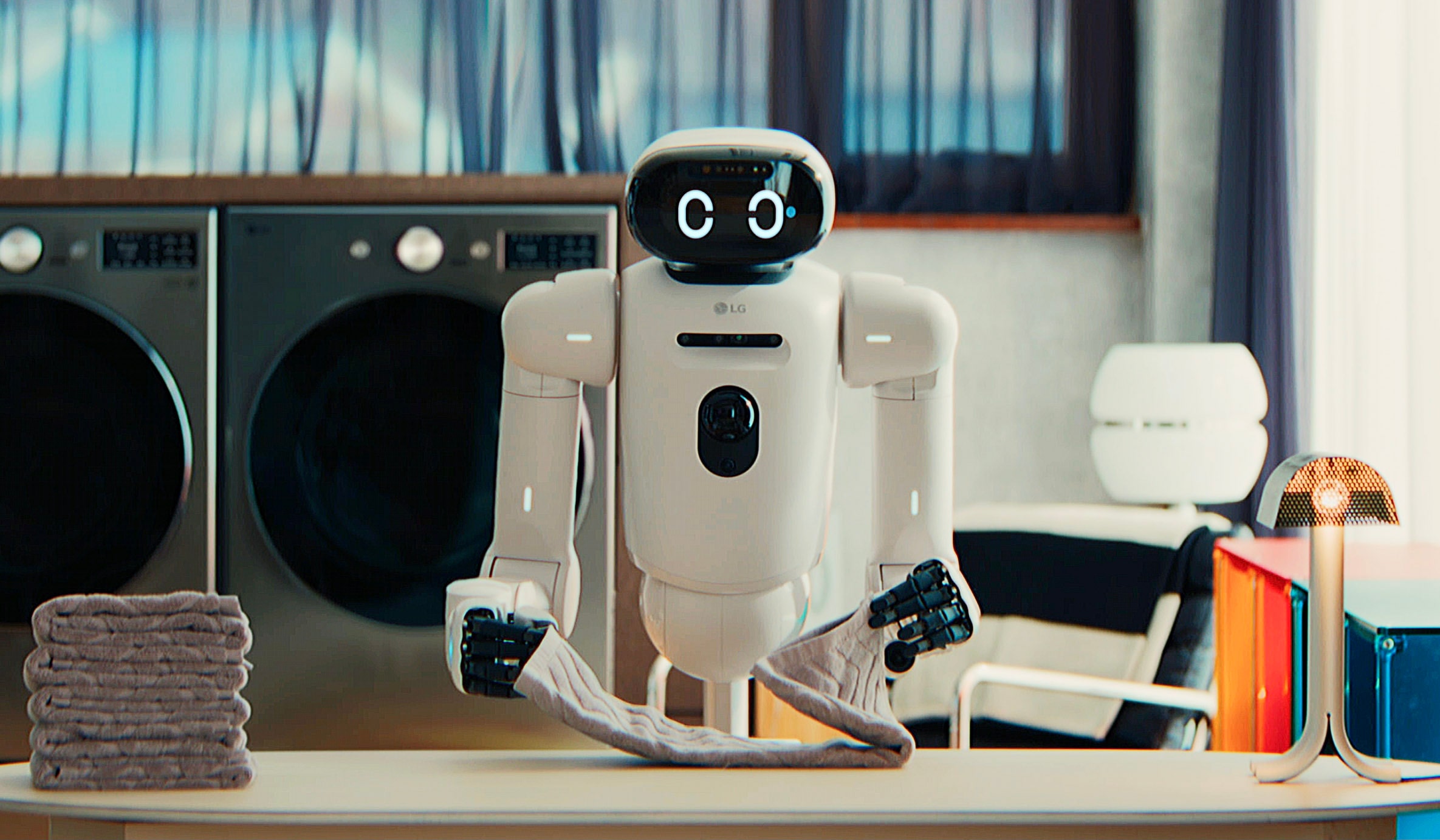
At CES and beyond, LG has been quietly positioning itself at the forefront of consumer robotics. Its latest creation, a home robot called Cloid, promises to handle one of the most tedious household chores: laundry.
According to a recent hands-on report by TechCrunch, Cloid can already load, move, and manage laundry tasks. But after watching the robot in action, one conclusion became clear: this technology is impressive—but it’s not without serious questions.
What Is LG’s Cloid Home Robot?


 Cloid is LG’s vision of a general-purpose household robot, designed not as a novelty gadget, but as a functional helper integrated into everyday home life.
Key features include:
-
A mobile base for navigating homes
-
Robotic arms capable of grasping clothes
-
AI-powered object recognition
-
Integration with LG smart appliances
Rather than focusing on companionship or entertainment, Cloid is built around physical labor—a crucial distinction in the robotics world.
Watching a Robot Do Laundry: What Actually Happened
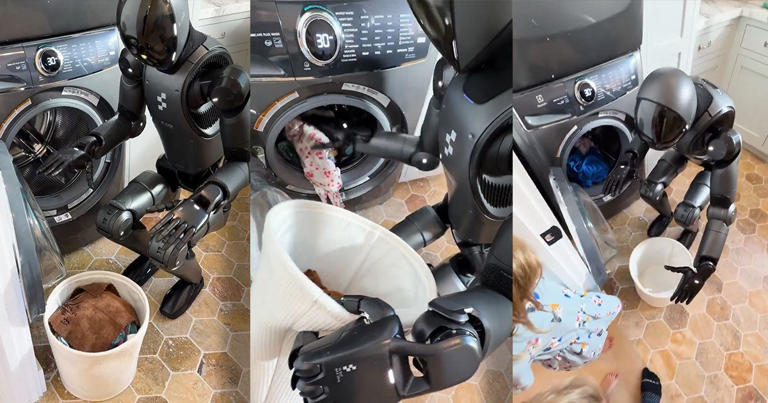

 In demonstrations observed by TechCrunch, Cloid was able to:
-
Pick up clothing items from a basket
-
Identify which items belonged in the washer
-
Load and unload laundry machines
-
Move garments to appropriate locations
From a technical standpoint, this represents a major leap. Laundry has long been considered one of the hardest household tasks for robots due to fabric variability, fine motor control, and unpredictable environments.
Why Laundry Is a Robotics Nightmare


 Unlike dishes or floors, laundry is:
-
Soft and deformable
-
Different in size, texture, and weight
-
Difficult to grasp consistently
-
Easy to damage
For years, robotics researchers joked that “laundry is harder than surgery” for machines. Cloid’s ability to even partially manage the task signals real progress in AI perception and motor control.
The Impressive Part: Perception and Movement
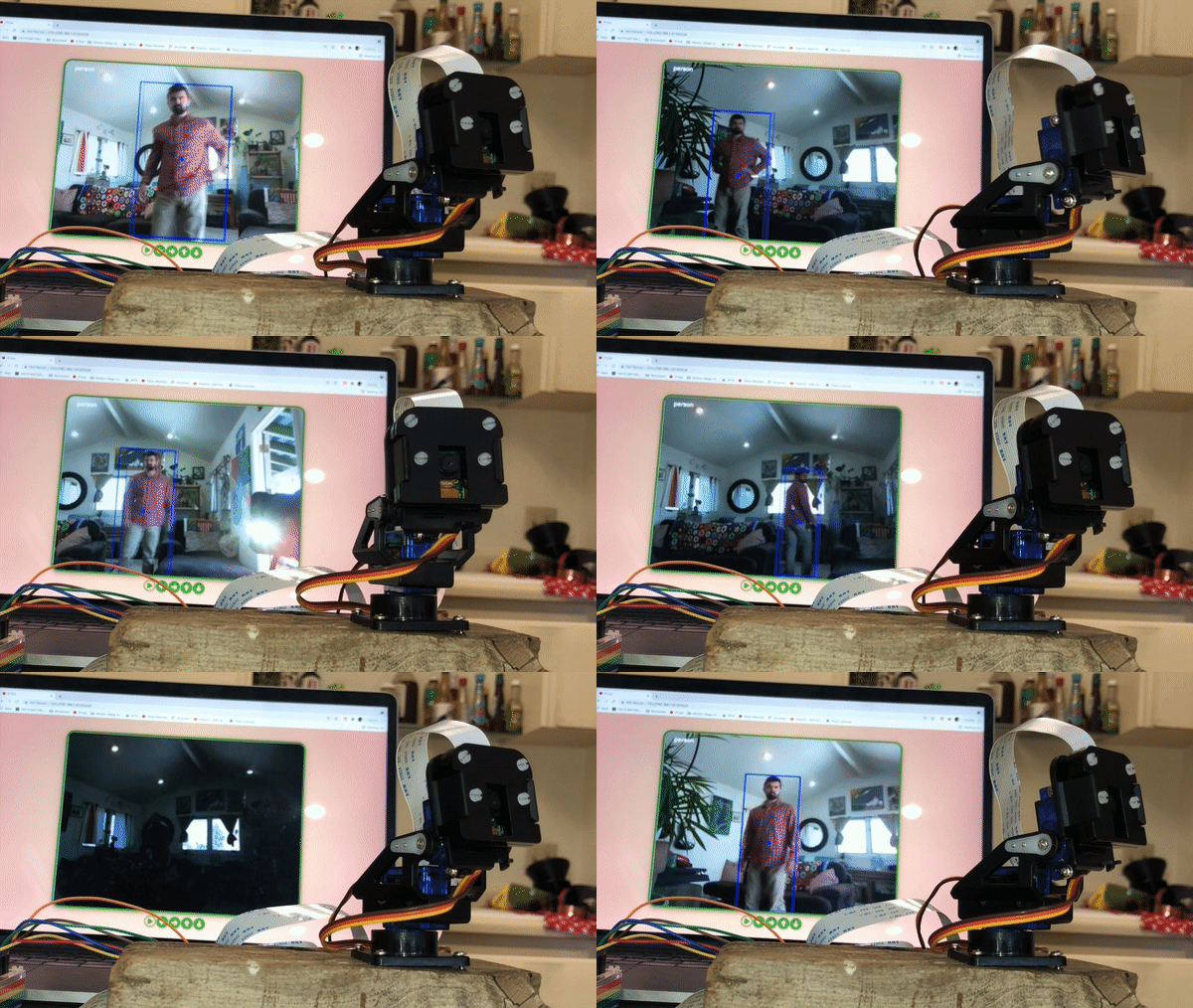
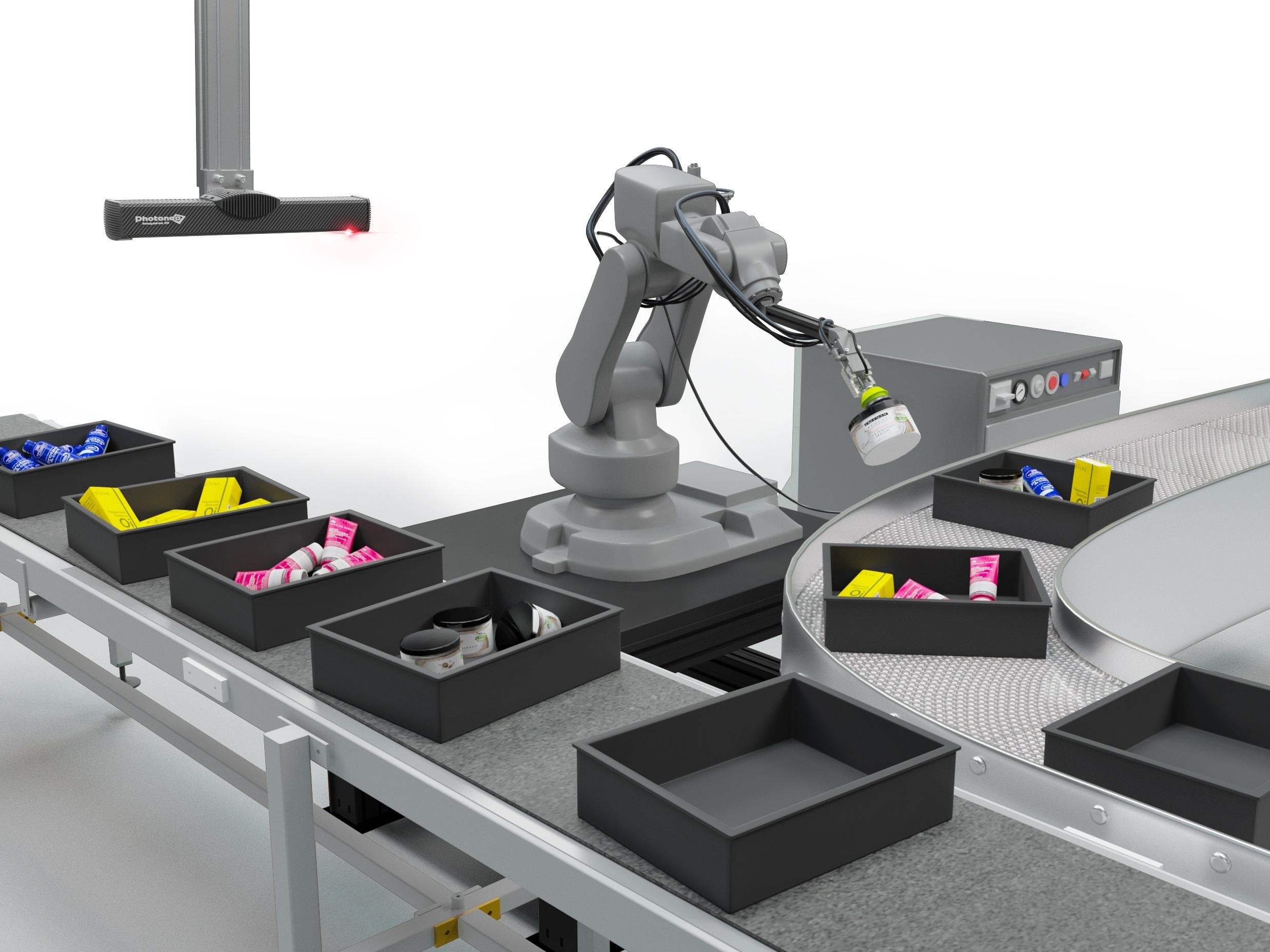
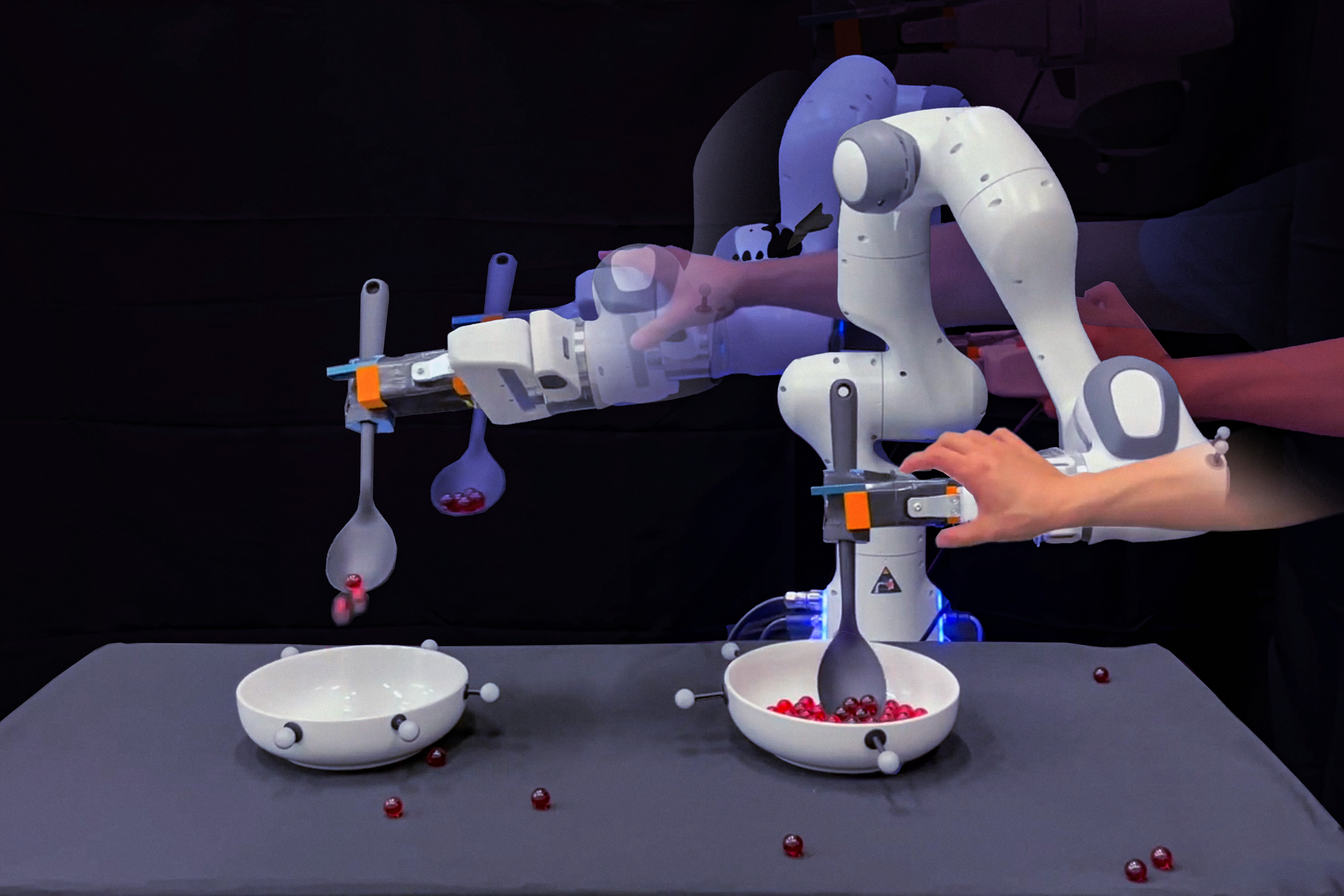
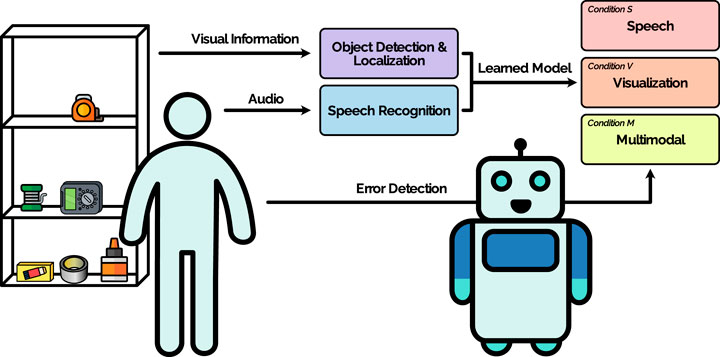
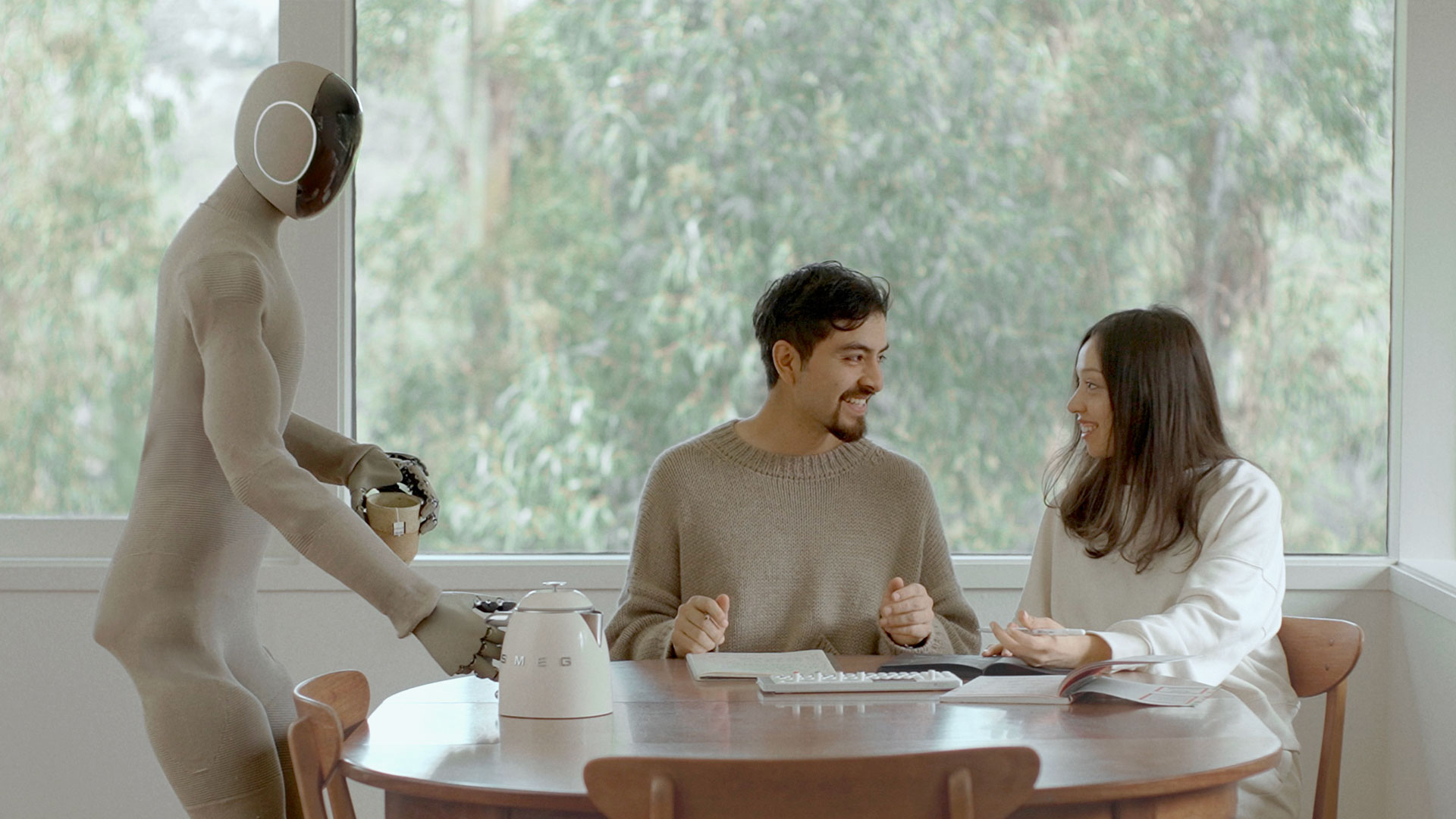 Cloid’s strength lies in its perception stack.
Using a combination of:
-
Computer vision
-
Depth sensors
-
Machine learning models
The robot can distinguish between towels, shirts, and pants—adjusting its grip accordingly. This adaptive behavior is what separates Cloid from earlier, rigid automation attempts.
But Here’s the Catch: Reliability Still Matters

 As impressive as the demo was, TechCrunch’s report raised a crucial concern: consistency.
Robots don’t need to be perfect—but in the home, “mostly works” isn’t good enough. A single mistake could mean:
-
Damaged clothing
-
Broken appliances
-
Safety risks
For widespread adoption, Cloid must operate with near-human reliability in unpredictable environments.
Trust: The Biggest Barrier to Home Robots
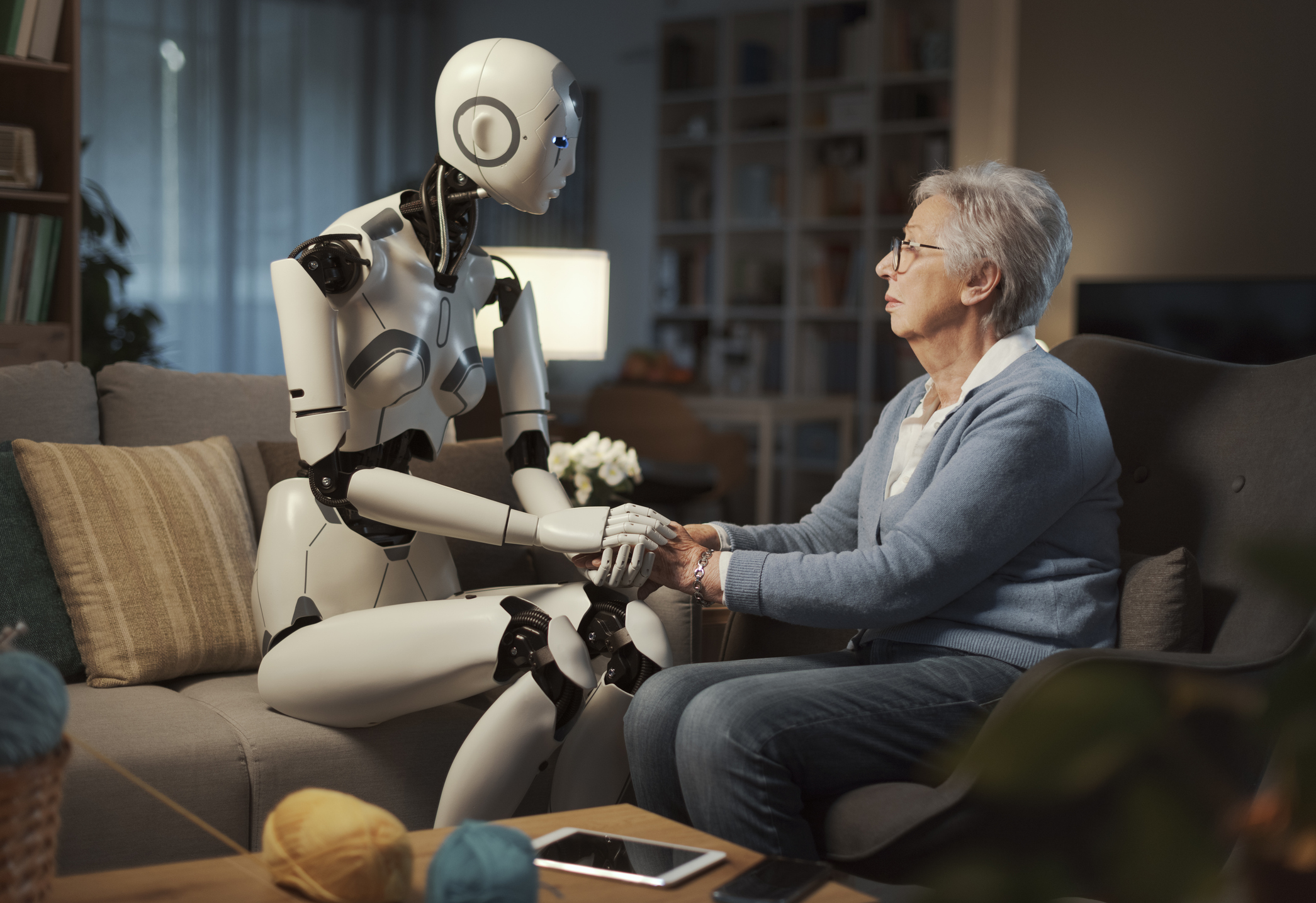

 Letting a robot handle your laundry isn’t just about convenience—it’s about trust.
Home robots raise sensitive questions:
-
Can they operate safely around children or pets?
-
What happens when something goes wrong?
-
Who is liable for damage?
Until consumers trust robots the way they trust washing machines, adoption will remain slow.
Privacy Concerns: A Robot That Sees Everything

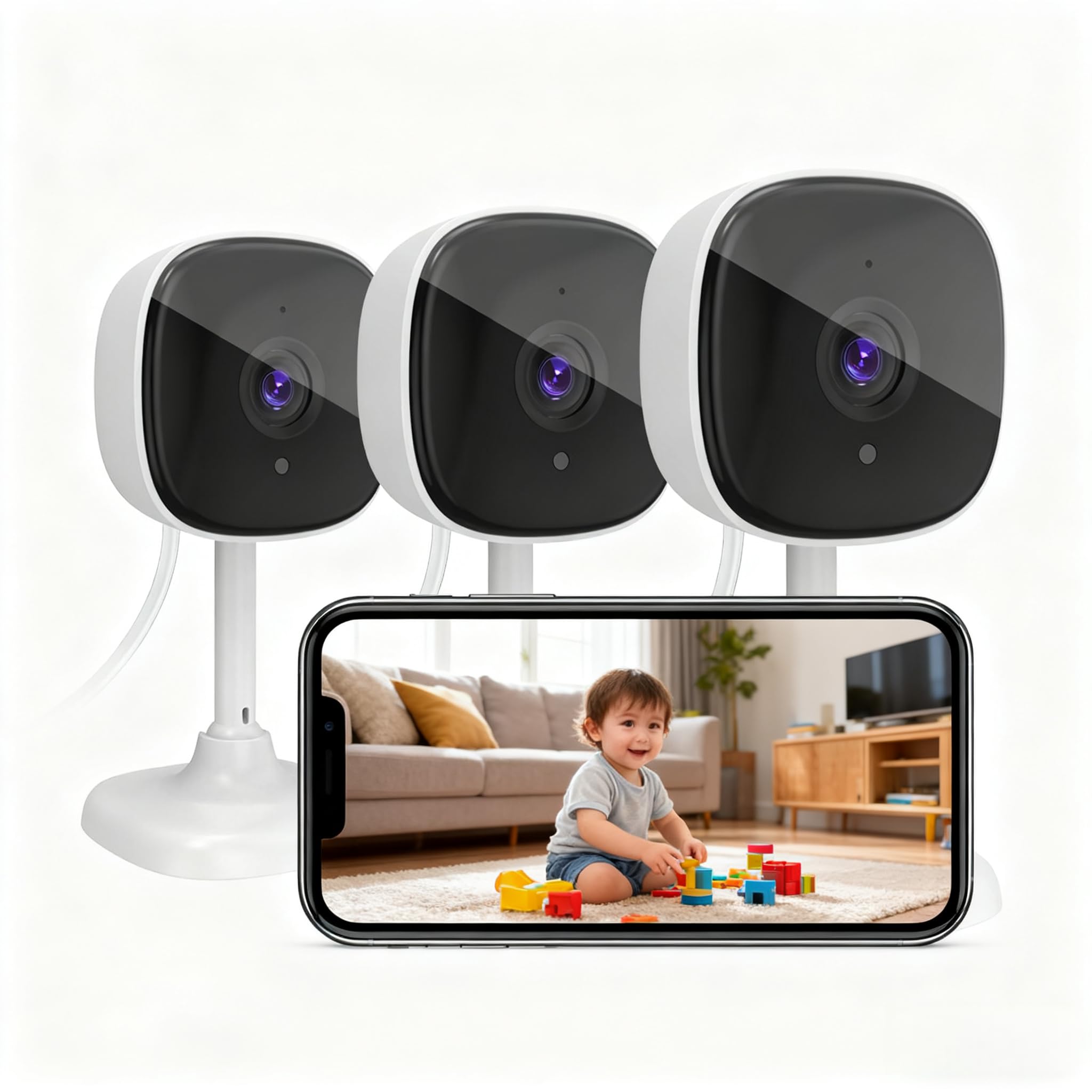
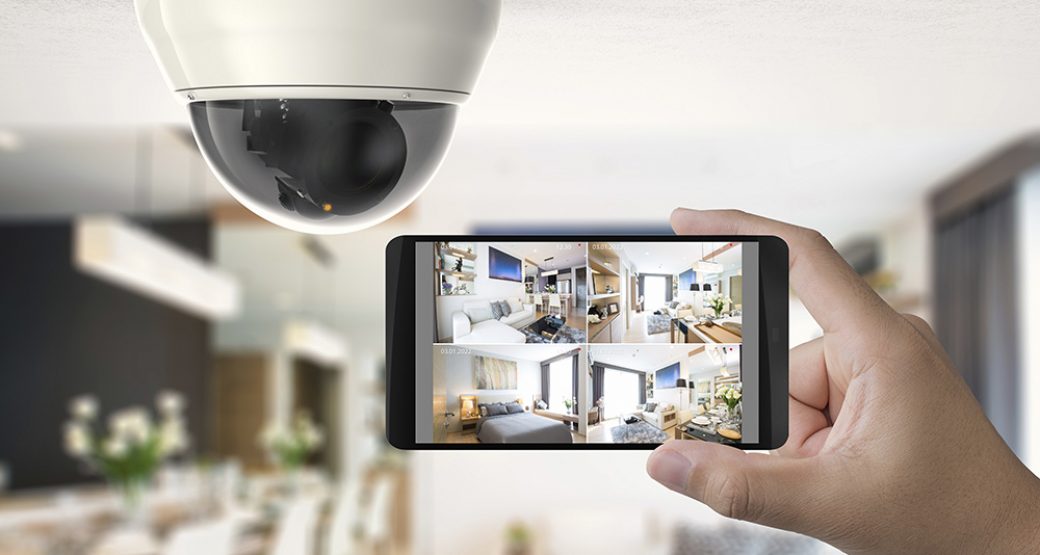 Cloid relies heavily on cameras and sensors—meaning it effectively sees inside your home.
This raises valid concerns:
-
Where is visual data processed?
-
Is footage stored or transmitted?
-
How secure are these systems?
LG has emphasized privacy safeguards, but as with all smart devices, consumer confidence will depend on transparency.
Why LG Is Betting on Robots Now
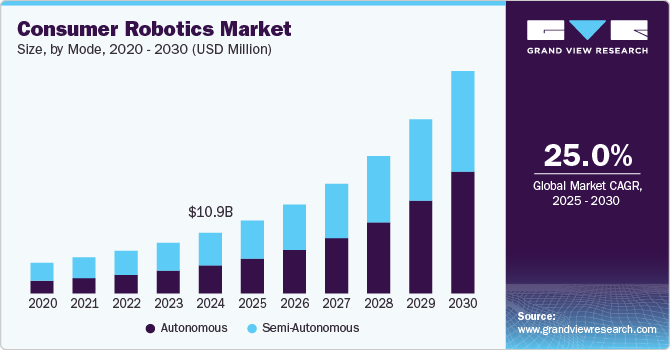 LG’s interest in home robotics isn’t sudden.
The company sees:
-
Aging populations needing assistance
-
Growing labor shortages
-
Rising demand for automation
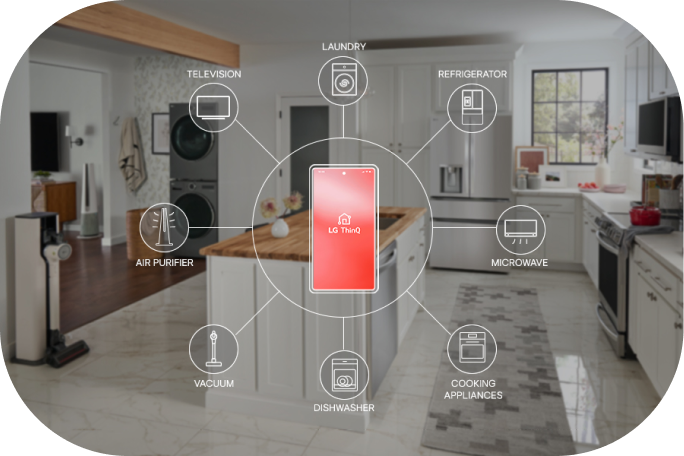
Cloid fits into a long-term strategy where robots complement appliances—turning the home into an integrated system rather than a collection of devices.
How Cloid Compares to Other Home Robots

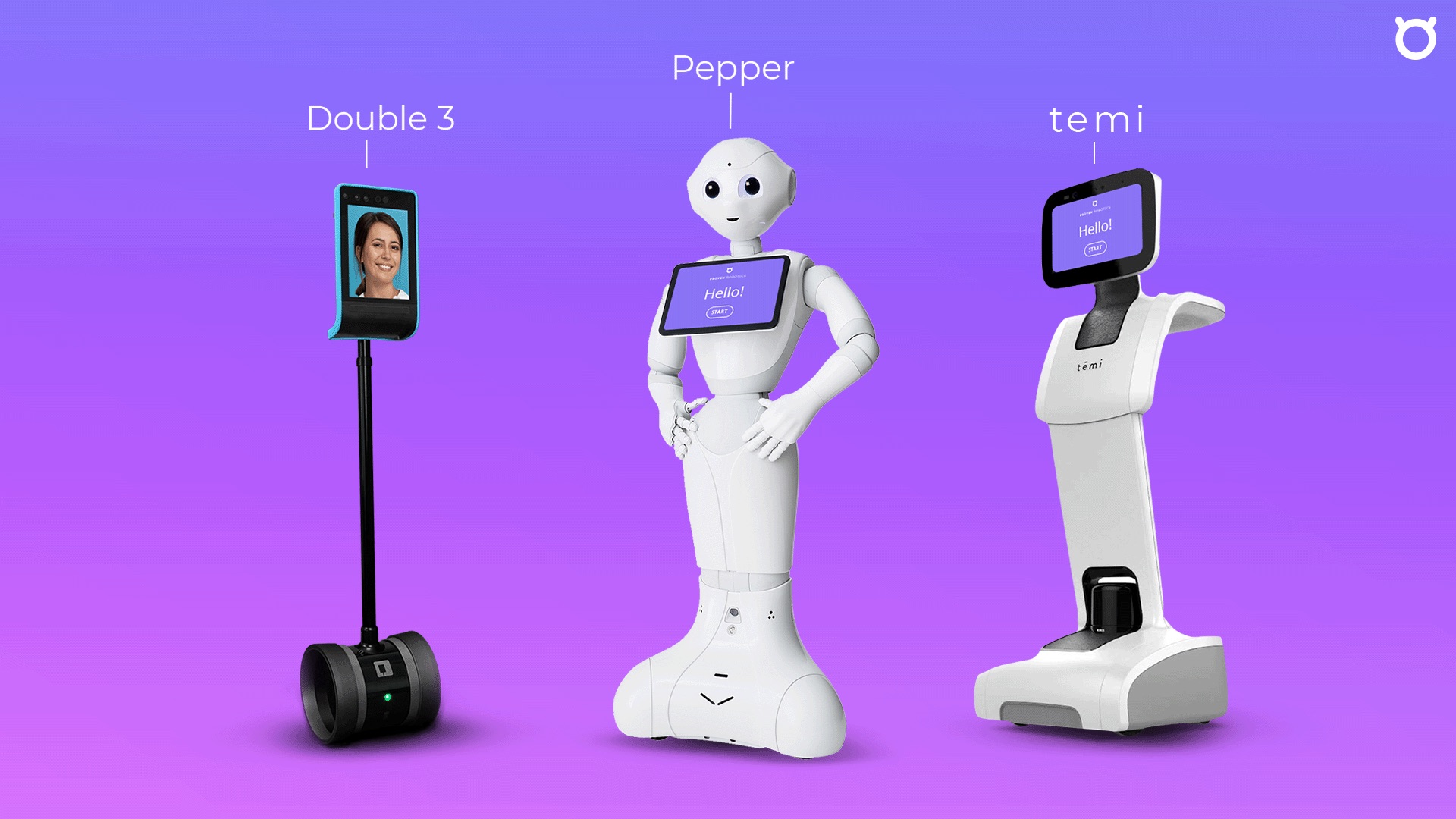
Most consumer robots today fall into two categories:
-
Single-purpose (vacuums, mops)
-
Social/assistant bots with limited physical ability
Cloid aims for a third category: general-purpose physical assistance, a space few companies have successfully entered.
Is This a Product—or a Prototype?
 One of the biggest unanswered questions is timing.
LG hasn’t announced:
-
A commercial release date
-
Pricing
-
Consumer-ready specifications
This suggests Cloid is still a technology preview, designed to demonstrate capability rather than signal immediate availability.
What Needs to Improve Before Cloid Is Ready

 For Cloid to succeed in real homes, it must:
-
Improve speed and efficiency
-
Reduce error rates
-
Handle edge cases gracefully
-
Offer simple user control and override options
Without these, it risks becoming an expensive novelty.
The Bigger Picture: Are We Ready for Home Robots?
Cloid forces a broader conversation:
-
Do we want robots doing intimate household tasks?
-
How much autonomy is too much?
-
Where do humans draw the line between help and dependence?
Technology may be advancing faster than social comfort.
Why This Moment Still Matters

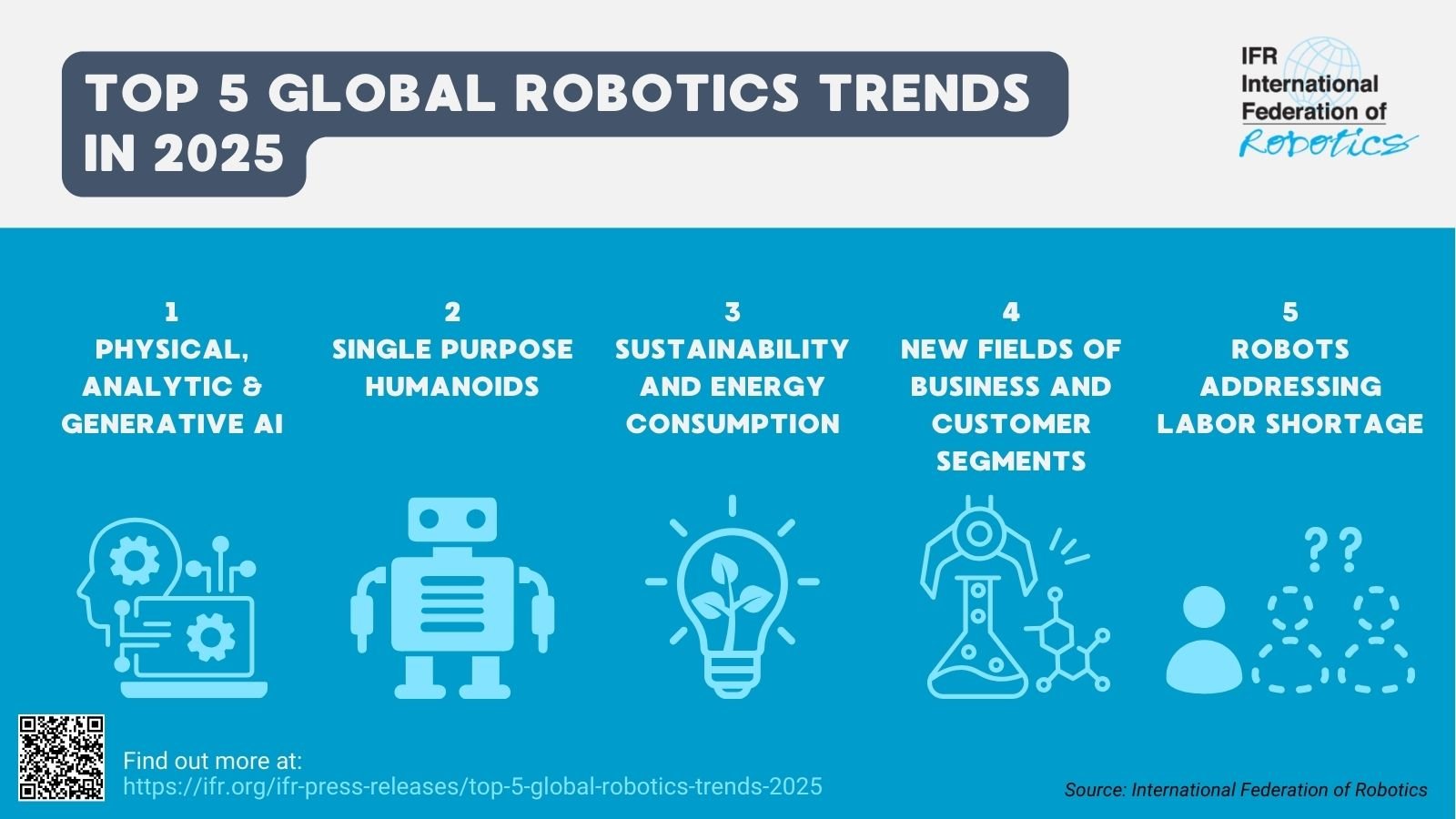
Even with unanswered questions, Cloid represents something important:
-
Proof that general-purpose home robots are possible
-
A signal that major companies are serious about robotics
-
A glimpse of a future where household labor looks very different
This isn’t the end of the journey—it’s the beginning.
Final Takeaway
LG’s Cloid robot folding laundry isn’t just a flashy demo—it’s a statement.
The technology works well enough to impress, but not well enough to eliminate doubt. And that tension—between capability and trust—defines the current moment in consumer robotics.
Cloid shows us what’s coming. The real question is how soon we’ll be ready to let it in our homes.