
When Mark Zuckerberg talks about the future of technology, markets listen—and competitors take notes. His latest announcement may be one of the most consequential yet: Meta is launching its own AI infrastructure initiative, a move that could fundamentally reshape how artificial intelligence is built, trained, and deployed across the tech industry.
The decision signals more than a technical upgrade. It represents a strategic shift in how Meta plans to compete in an era increasingly defined by AI dominance.
Why Meta Is Going All-In on AI Infrastructure
Artificial intelligence has become the backbone of modern technology—from recommendation engines and advertising systems to generative AI and immersive virtual environments. But building advanced AI systems at scale requires something most people never see: massive infrastructure.
Until recently, many tech companies relied heavily on:
-
Third-party cloud providers
-
Shared data-center ecosystems
-
External hardware roadmaps
Meta’s new initiative suggests the company wants full control of the AI stack, from silicon to software.
What “AI Infrastructure” Really Means
AI infrastructure isn’t just about faster computers. It includes:
-
Custom AI chips optimized for training and inference
-
Hyperscale data centers designed for extreme power efficiency
-
High-speed networking to move massive datasets
-
AI-optimized storage systems
-
Software frameworks tailored to Meta’s models
By building its own infrastructure, Meta can optimize every layer for its specific workloads—something generic cloud platforms can’t fully offer.
Zuckerberg’s Vision: Owning the Full Stack
In recent years, Zuckerberg has repeatedly emphasized the importance of long-term bets. This initiative fits that philosophy perfectly.
Owning AI infrastructure allows Meta to:
-
Reduce dependence on external vendors
-
Control costs as AI workloads explode
-
Innovate faster without waiting on suppliers
-
Customize hardware for Meta-specific models
In essence, Meta isn’t just building AI—it’s building the factory that makes AI.
How This Positions Meta in the AI Arms Race
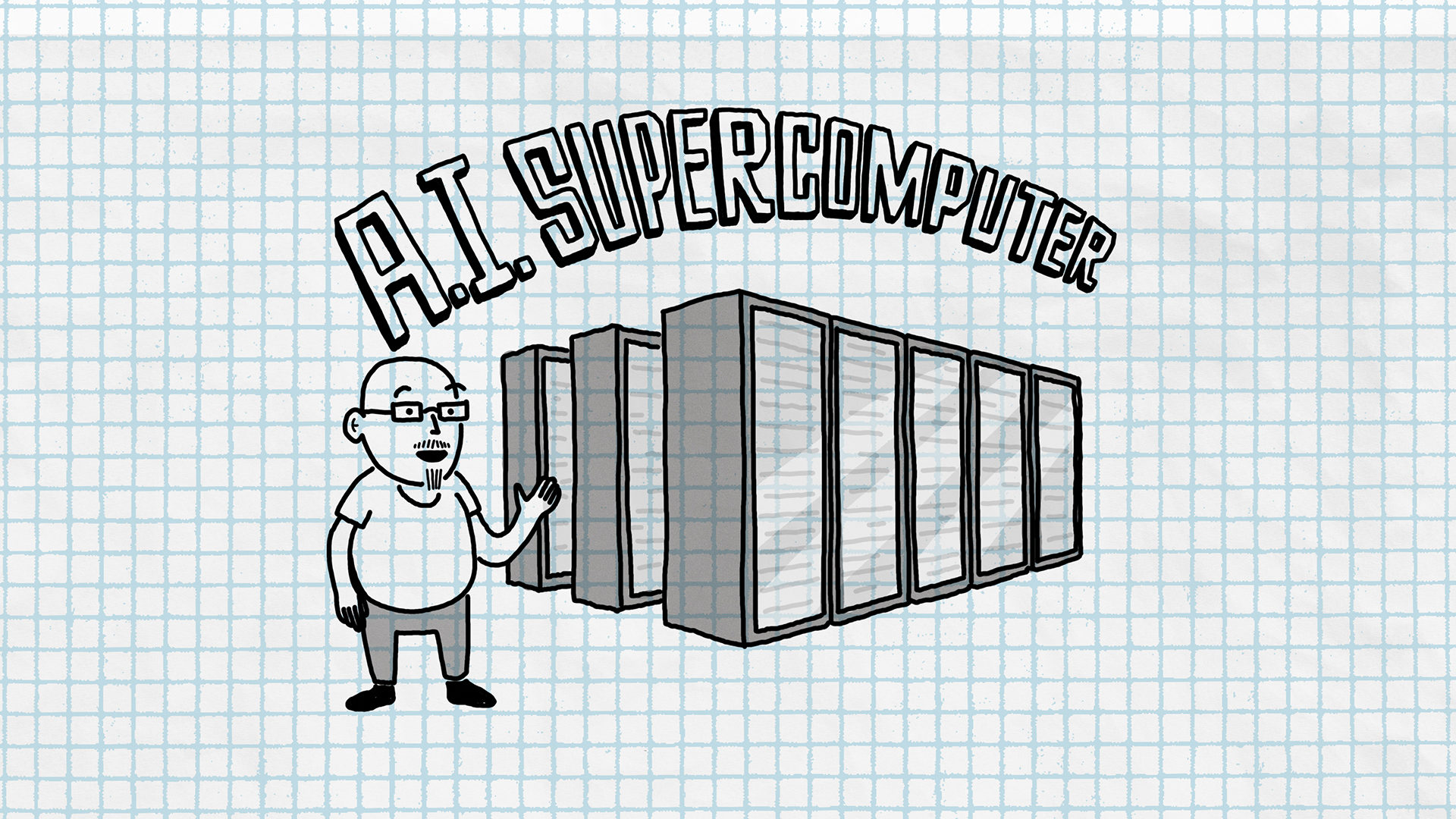



The race to dominate AI isn’t just about who has the smartest model. It’s about who can train, run, and scale AI the fastest and cheapest.
By launching its own infrastructure initiative, Meta is positioning itself alongside:
-
Companies designing custom AI chips
-
Firms building private AI supercomputers
-
Organizations reducing reliance on public cloud providers
This move narrows the gap between Meta and infrastructure-heavy rivals, leveling the competitive field.
The Cost Factor: Expensive, but Strategic
Building AI infrastructure from scratch is extraordinarily expensive. Analysts estimate that:
-
A single large AI data center can cost billions of dollars
-
Power and cooling are now among the largest operational expenses
-
Hardware refresh cycles are accelerating
So why do it?
Because over the long term, owning infrastructure can be cheaper than renting it, especially at Meta’s scale. With billions of users and rapidly expanding AI features, the math increasingly favors ownership.
What This Means for Meta’s Products
Meta’s AI ambitions touch nearly every product it operates, including:
-
Social content recommendations
-
Advertising optimization
-
Generative AI tools
-
Virtual and augmented reality systems
Custom infrastructure enables:
-
Faster model training
-
Lower latency for users
-
More sophisticated real-time AI features
In practical terms, users may soon experience smarter, more responsive AI across Meta’s ecosystem.
AI and the Metaverse Connection
Although the term “metaverse” has faded from headlines, it hasn’t disappeared from Meta’s roadmap.
Advanced AI infrastructure supports:
-
Real-time avatar intelligence
-
AI-generated virtual environments
-
Natural language interaction in immersive worlds
Zuckerberg’s infrastructure push suggests Meta still sees AI and immersive computing as deeply intertwined.
A Signal to Investors and Developers
This initiative sends a strong message:
-
Meta is thinking long-term
-
AI is central to its future identity
-
The company is willing to invest aggressively
For developers, it hints at:
-
More powerful AI tools
-
Deeper integration opportunities
-
Faster innovation cycles
For investors, it signals confidence—but also patience, as returns may take years.
Risks and Challenges Ahead
No bold move comes without risk. Meta faces several challenges:
1. Execution Risk
Building and operating AI infrastructure at scale is complex. Mistakes can be costly.
2. Regulatory Scrutiny
Large data centers and AI systems attract regulatory attention, particularly around energy use and data governance.
3. Rapid Hardware Evolution
AI hardware evolves quickly. Infrastructure built today must remain relevant tomorrow.
How Meta’s Approach Differs from Traditional Cloud Models
Unlike general-purpose cloud providers, Meta can:
-
Design hardware specifically for its models
-
Eliminate unnecessary features
-
Optimize for predictable workloads
This specialization can deliver efficiency gains that generic platforms struggle to match.
Industry Implications: A New Trend?
Meta’s move may encourage:
-
Other tech giants to deepen vertical integration
-
More companies to invest in private AI infrastructure
-
A shift away from fully outsourced AI compute
If successful, this could redefine how large-scale AI is built across the industry.
What Comes Next
While Meta hasn’t revealed every technical detail, expectations include:
-
New AI-optimized data centers
-
Continued development of custom chips
-
Expanded AI research capabilities
The initiative will likely unfold over several years, with incremental milestones rather than a single launch moment.
Why This Moment Matters
Mark Zuckerberg’s announcement isn’t just about servers and chips. It’s about control, independence, and long-term competitiveness.
In an AI-driven future, the companies that own their infrastructure may ultimately shape:
-
How fast AI evolves
-
Who can afford to innovate
-
Which platforms dominate global markets
Final Thoughts
By launching its own AI infrastructure initiative, Meta is making a clear statement: AI is not a feature—it’s the foundation.
This bold bet reinforces Mark Zuckerberg’s reputation as a leader willing to invest heavily in the future, even when the payoff isn’t immediate. If successful, Meta won’t just run AI models—it will help define how the next generation of artificial intelligence is built from the ground up.
For the tech world, this is more than a company announcement. It’s a sign that the AI infrastructure era has truly begun.