What Is Gizmo?
Gizmo is a social platform built around <strong>interactive mini apps</strong>—small, lightweight experiences that users can scroll through and engage with instantly.
Instead of traditional content formats like:
-
short videos
-
photos
-
memes
-
text posts
Gizmo’s feed delivers mini apps that might include:
-
simple games
-
interactive quizzes
-
creative tools
-
tiny simulations
-
AI-generated experiences
-
playful utilities
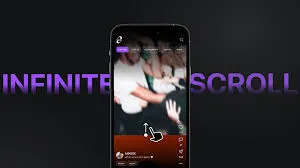
The core concept is simple: <strong>scroll like TikTok, but interact like a game or app store.
Why Gizmo Is Being Called “TikTok for Mini Apps”
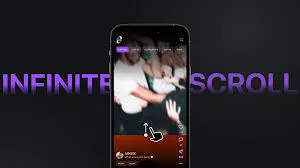
TikTok popularized the idea that the feed itself is the product. You don’t search—you just scroll and discover.
Gizmo uses the same addictive formula:
-
endless vertical scrolling
-
instant loading experiences
-
algorithm-driven discovery
-
fast dopamine feedback loops
But it swaps passive watching for active interaction.
That difference could be huge.
Because while videos entertain, mini apps invite participation—and participation drives deeper engagement.

The Rise of “Vibe Coding” and Why It Matters
Gizmo’s platform is tied to the growing trend of <strong>vibe coding</strong>—a term that’s exploded in tech culture as AI coding tools become more powerful.
Vibe coding is the idea that people can create software by:
-
describing what they want
-
tweaking outputs
-
remixing existing templates
-
iterating with AI assistance
Instead of traditional programming, it’s closer to “creative directing” code.
That means creators don’t need to be engineers anymore. They just need ideas—and the ability to experiment.
Gizmo is betting that vibe coding will lead to an explosion of tiny apps, similar to how TikTok led to an explosion of short-form video creators.
Why Mini Apps Could Be the Next Viral Content Format
Mini apps sit at a unique intersection of:
-
entertainment
-
gaming
-
creativity
-
personalization
-
social sharing
A TikTok video might make you laugh. A mini app can make you:
-
compete
-
customize
-
explore
-
build something
-
test yourself
That makes mini apps more emotionally sticky.
And when content becomes interactive, it becomes more shareable. People don’t just say “watch this”—they say “try this.”

What Kind of Mini Apps Can You Find on Gizmo?
While Gizmo is still emerging, the platform concept supports a wide variety of mini app experiences, including:
Fun and Viral Mini Games
Think quick challenges like:
-
tapping games
-
reaction tests
-
maze puzzles
-
score-based mini competitions
Interactive Personality Quizzes
The type of content that thrives on social media:
-
“What’s your villain era?”
-
“Which city matches your vibe?”
-
“What’s your AI spirit animal?”
Mini Tools and Generators
Small utilities that feel magical:
-
outfit generators
-
random story creators
-
aesthetic mood boards
-
emoji-based planners
Interactive Story Experiences
Users could tap through branching narratives, making choices that change outcomes.
The possibilities are endless—and that’s the point.
Why Gizmo’s Timing Is Perfect
If Gizmo launched five years ago, it might have struggled.
But in 2026, AI has dramatically lowered the cost of building software. Tools can generate:
-
code
-
visuals
-
logic
-
animations
-
sound effects
-
UI components
That means a creator can build a mini app in hours instead of months.
And when creation becomes easy, content ecosystems explode—just like TikTok and YouTube did when smartphones made video creation accessible.
Gizmo is arriving at the exact moment when “everyone can build” is becoming reality.

Gizmo vs. TikTok: A New Kind of Attention Economy
TikTok is built on passive consumption. The user watches.
Gizmo is built on active engagement. The user participates.
That difference matters because participation increases:
-
time spent per post
-
emotional investment
-
repeat usage
-
social competition
Instead of liking a video, users may replay a mini app multiple times to beat a score or get a different outcome.
This could make Gizmo’s engagement levels extremely strong—if the platform gets traction.
How Gizmo Could Reshape the Creator Economy
The creator economy is built around:
-
views
-
sponsorships
-
affiliate links
-
subscriptions
-
brand partnerships
But interactive mini apps could introduce new monetization models such as:
-
microtransactions
-
in-app purchases
-
premium app upgrades
-
branded interactive experiences
-
interactive ads
Imagine a sneaker brand sponsoring a mini game where users design shoes and share them. That’s not an ad—it’s an experience.
If Gizmo scales, it could offer creators more direct value creation than short videos alone.
The Viral Potential: Why People Will Share Gizmos
The internet spreads content that feels like:
-
“You have to try this”
-
“This is weirdly addictive”
-
“This is so me”
-
“I can’t believe this exists”
Mini apps naturally trigger those reactions because they’re interactive.
A 10-second clip might entertain you once.
A 10-second mini game might hook you for 10 minutes.
That’s viral fuel.
Challenges Gizmo Will Have to Overcome
As promising as the concept is, Gizmo faces serious obstacles.
1. Moderation Complexity
Moderating video is hard. Moderating interactive apps is harder.
Mini apps can contain:
-
inappropriate content
-
hidden messages
-
scams
-
malicious code-like behavior
-
misleading AI outputs
The platform will need strong safety systems to avoid becoming a playground for abuse.
2. Quality Control
If the feed fills with low-quality mini apps, users may lose interest quickly.
TikTok succeeded because the algorithm surfaced great content. Gizmo will need the same discovery magic.
3. Technical Performance
Mini apps must load instantly. If they lag, the user scrolls away.
Speed will be everything.
4. Monetization Without Ruining the Experience
Too many ads or paywalls could kill the vibe. Gizmo must balance creativity with sustainability.
The Bigger Trend: Social Media Is Becoming Interactive
Gizmo isn’t appearing in isolation. It fits into a broader trend where social platforms are evolving beyond static content.
We’ve already seen:
-
Instagram adding interactive stickers
-
TikTok leaning into filters and games
-
Snapchat building AR-based experiences
-
YouTube experimenting with interactive features
Gizmo takes this trend to its logical extreme: interaction becomes the content itself.
What Gizmo Could Look Like in One Year
If Gizmo gains momentum, the platform could evolve into a full ecosystem where:
-
creators build mini apps daily
-
trending mini games dominate the feed
-
brands compete to create viral experiences
-
users follow “mini app creators” like influencers
-
AI tools make building effortless
It could become an “App Store meets TikTok” model—where apps are disposable, viral, and endlessly remixable.
Why Gizmo Might Be the Next Big Thing—or the Next Big Experiment
The truth is, Gizmo is either:
-
the beginning of a new internet format
or -
a fascinating idea that won’t reach mass adoption
But its core concept is strong because it matches modern attention behavior:
-
short bursts of entertainment
-
immediate feedback
-
endless discovery
-
creative remix culture
And now that AI is making app creation easier, the idea of scrolling through “micro apps” suddenly feels not just possible—but inevitable.
Final Thoughts: Gizmo Could Turn the Scroll Into a Playground
Gizmo is betting on a bold idea: the future of social media isn’t just watching. It’s playing, tapping, experimenting, and building.
By combining TikTok-style discovery with interactive vibe-coded mini apps, Gizmo could unlock a new era of digital creativity—one where the average person isn’t just a viewer, but a participant in endless micro-experiences.
If TikTok defined the era of short-form video, Gizmo is aiming to define the era of short-form software.
And if it succeeds, the next viral trend might not be a dance.
It might be an app you can play in three seconds flat.