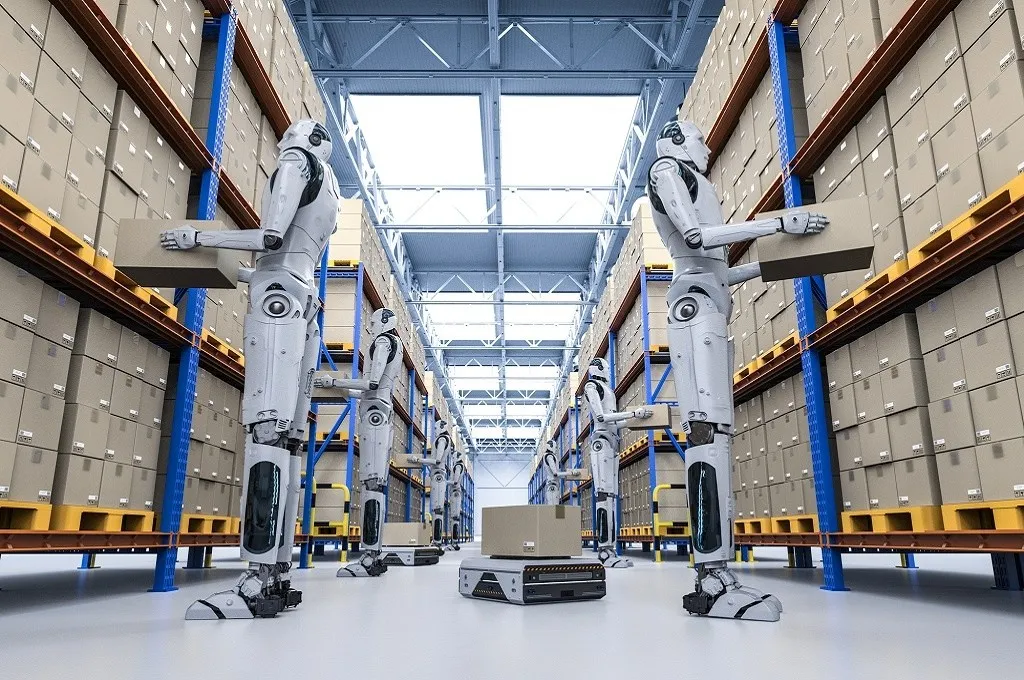
Introduction: A Surprising Turn for an Autonomous Driving Giant
For years, Mobileye has been synonymous with autonomous driving technology—computer vision, driver-assistance systems, and AI-powered mobility at scale. But in early 2026, the company made a move that surprised much of the tech world: a $900 million acquisition of humanoid robot startup Mentee Robotics.
The deal marks one of the most significant humanoid robotics acquisitions to date and signals a strategic pivot that goes far beyond cars. It suggests Mobileye sees its future not just on roads, but in warehouses, factories, and everyday physical environments where intelligent machines work alongside humans.
This article explores what Mentee Robotics brings to the table, why Mobileye made the move now, and what the acquisition could mean for the future of robotics and automation.


The Deal at a Glance
A $900 Million Statement of Intent
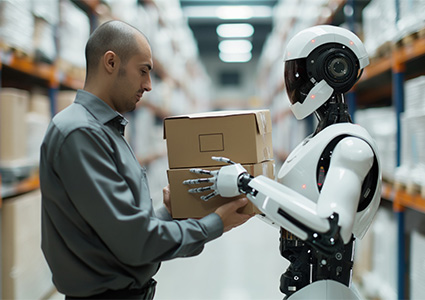
According to reports, Mobileye will acquire Mentee Robotics in a deal valued at approximately $900 million, combining cash and equity. While the companies have not disclosed all financial terms, the valuation alone underscores how seriously Mobileye is taking humanoid robotics.
Key takeaways from the acquisition:
-
One of the largest humanoid robotics deals to date
-
Signals expansion beyond automotive autonomy
-
Positions Mobileye as a broader AI and robotics platform company
Rather than being a side experiment, the purchase places humanoid robotics at the center of Mobileye’s long-term strategy.
Who Is Mentee Robotics?
A Startup Focused on Human-Centered Machines
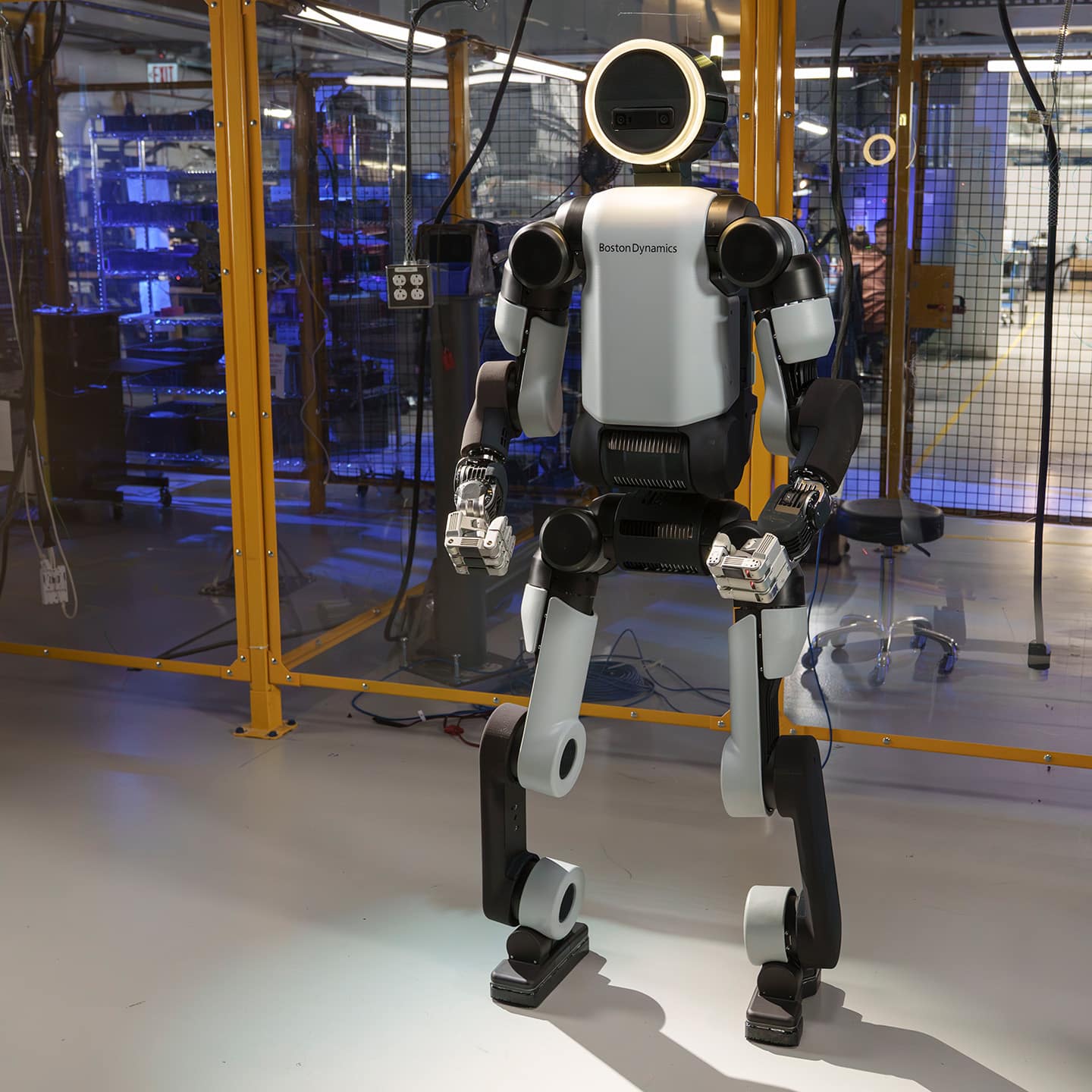
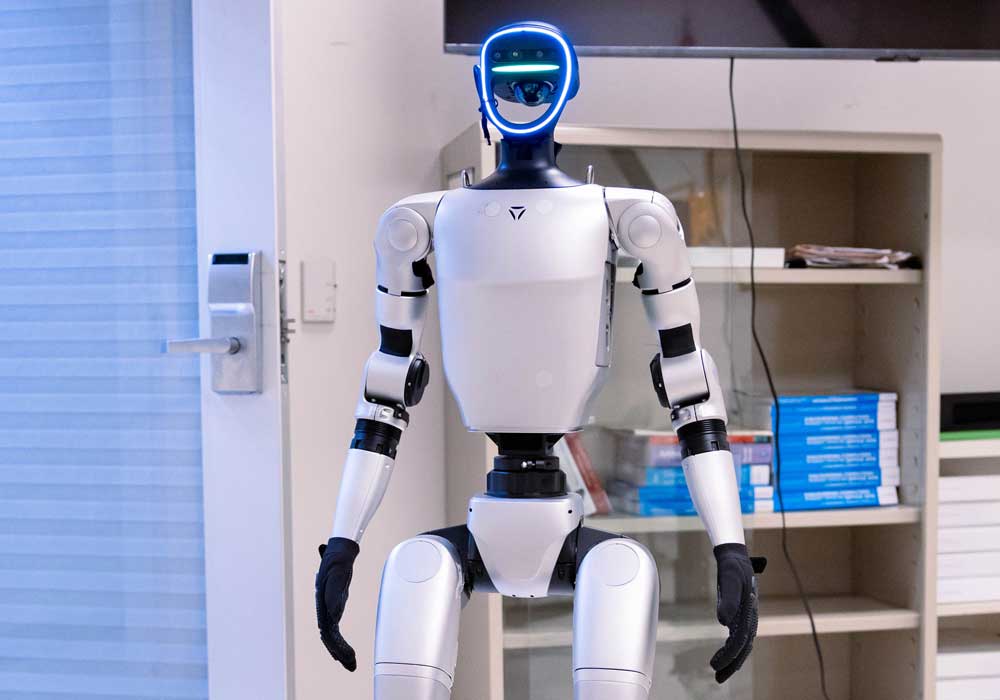
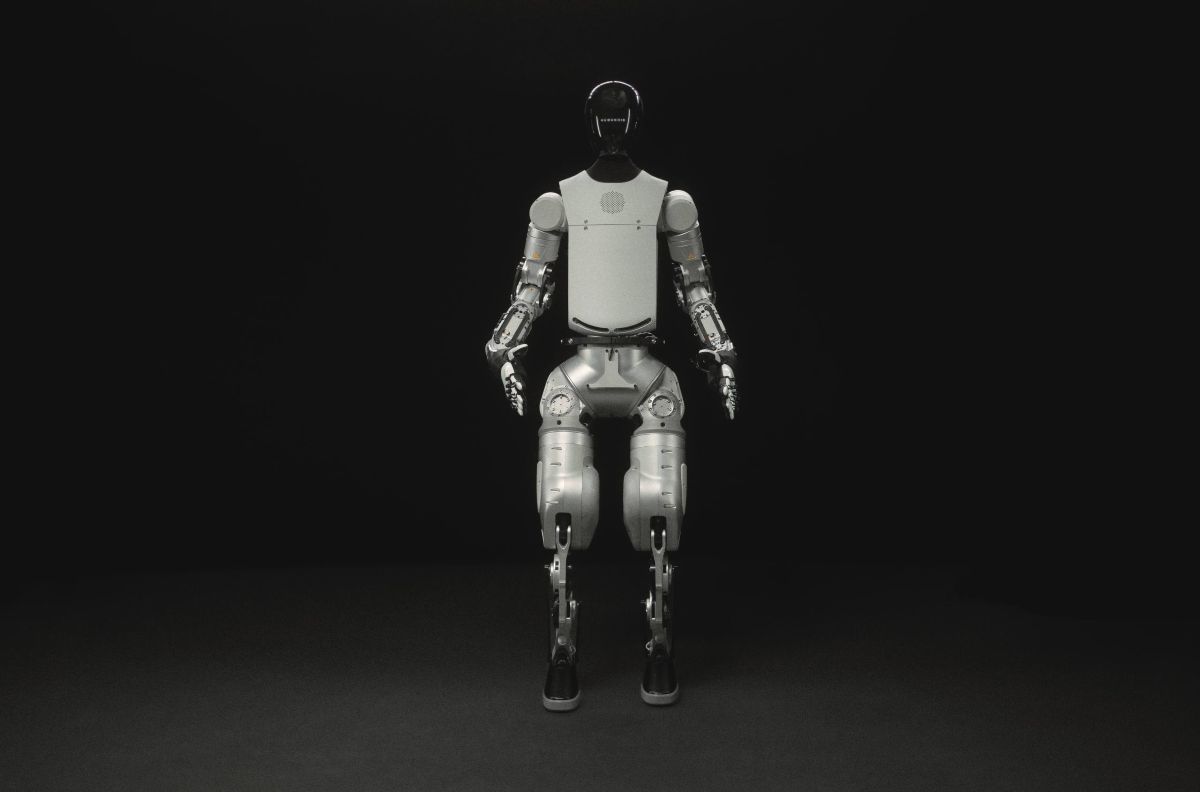
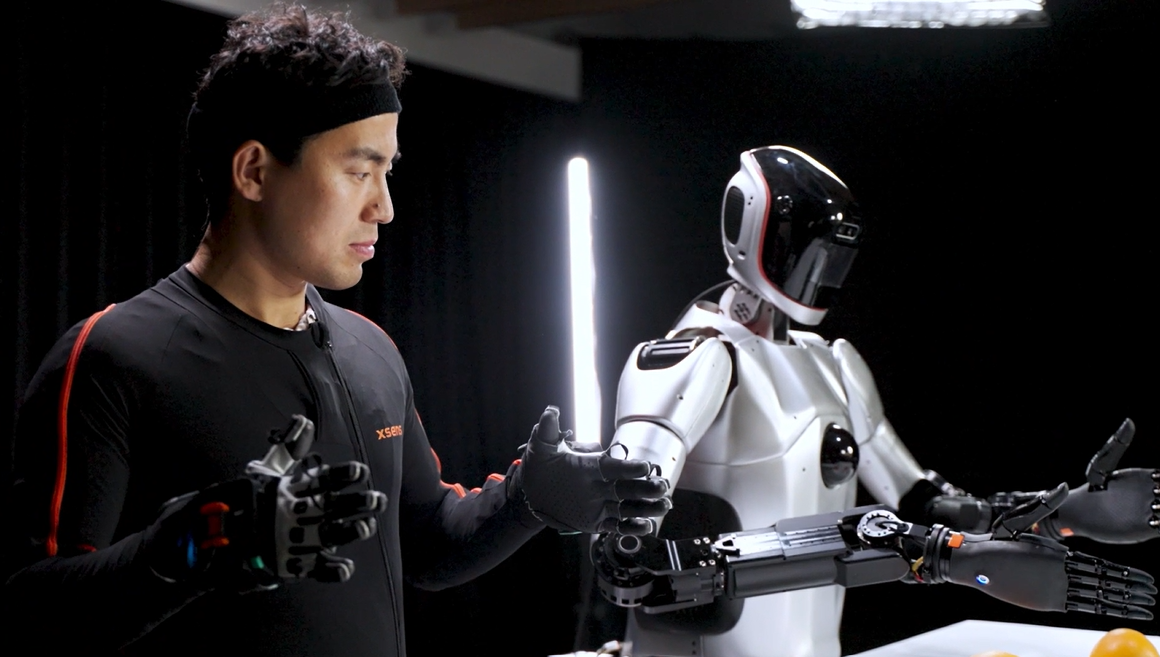
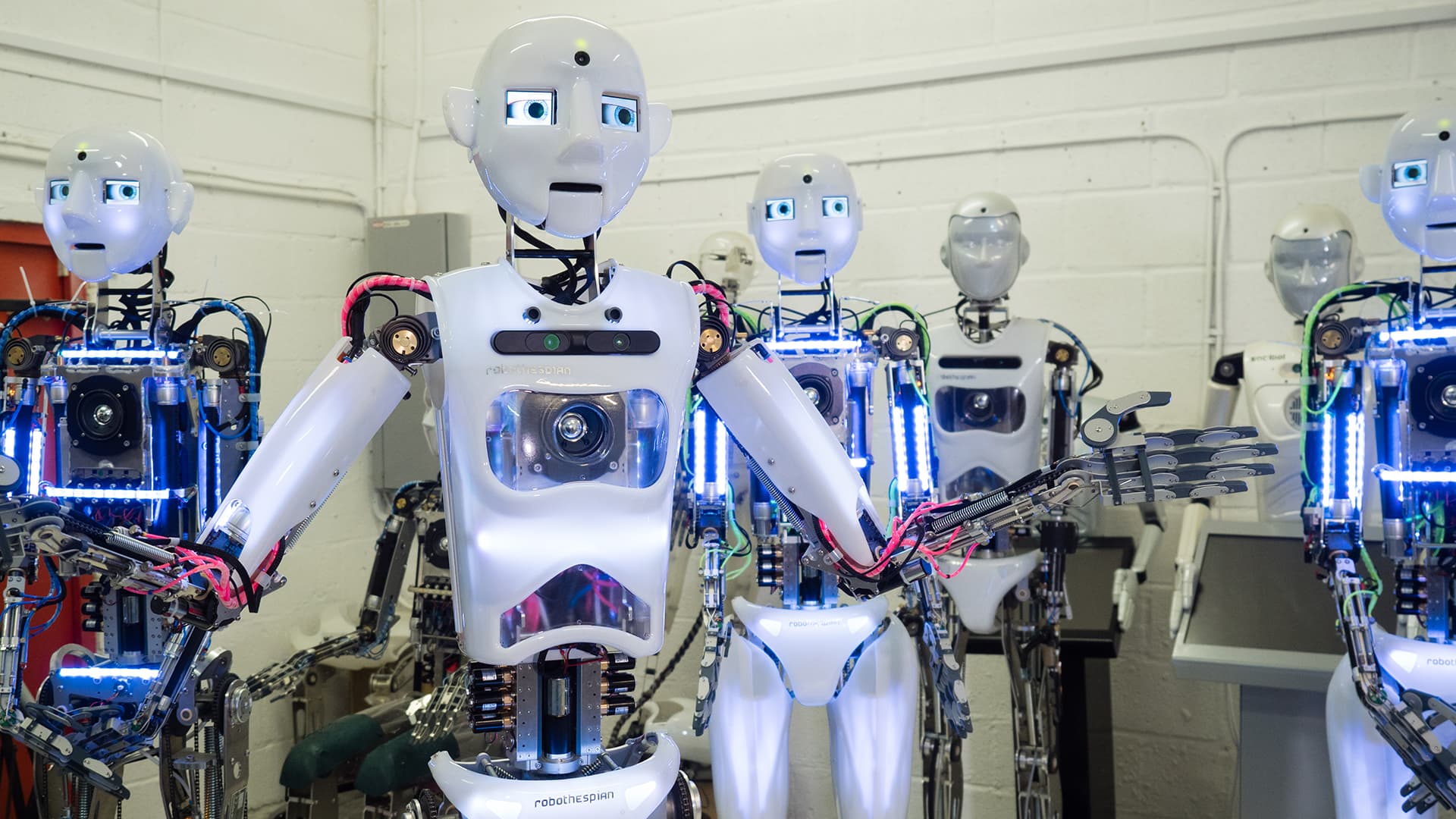
Mentee Robotics has built its reputation around developing humanoid robots designed to operate in environments built for humans—a crucial distinction in robotics.
Instead of redesigning spaces for machines, Mentee focuses on robots that can:
-
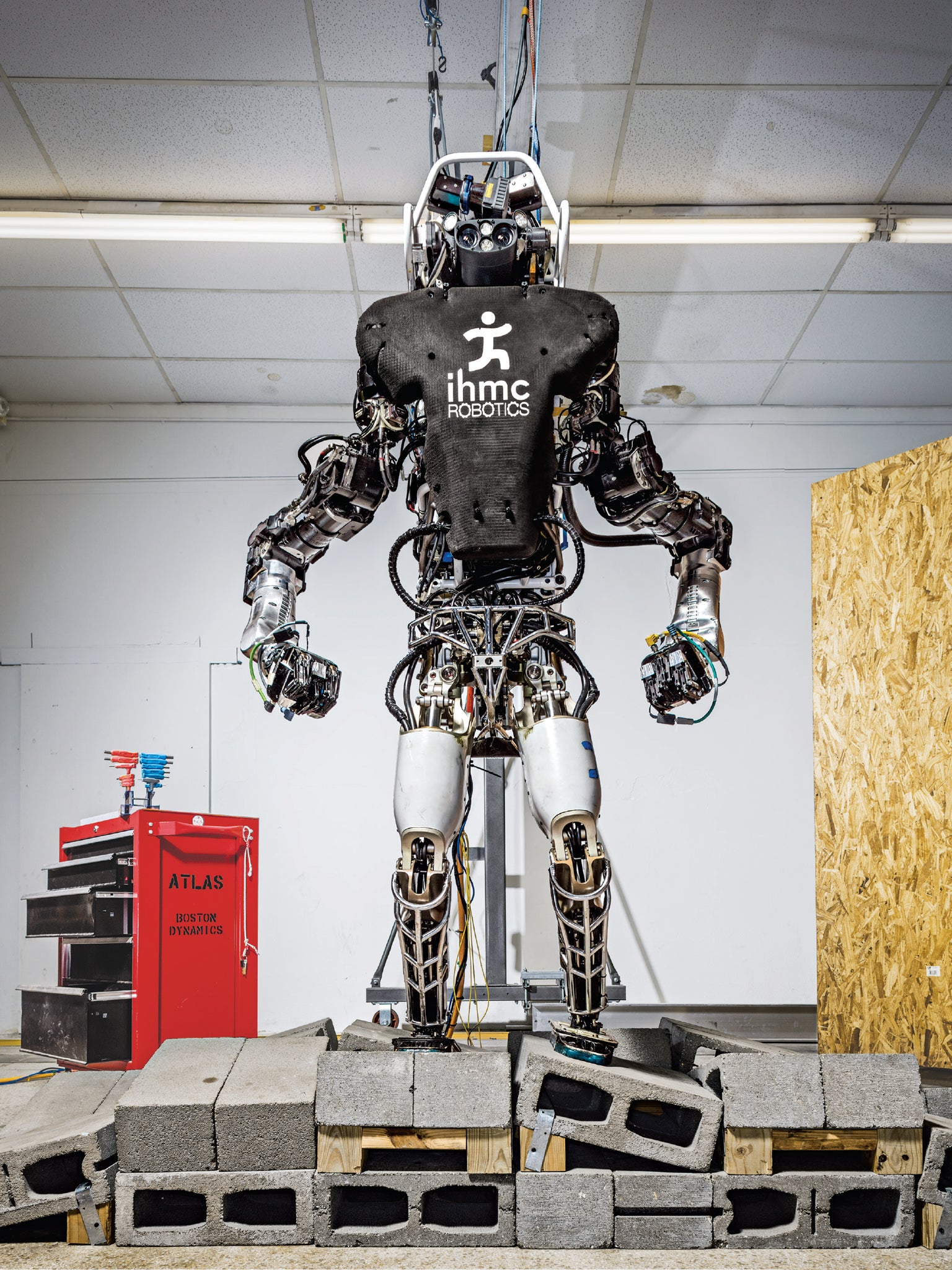
Walk, balance, and manipulate objects
-
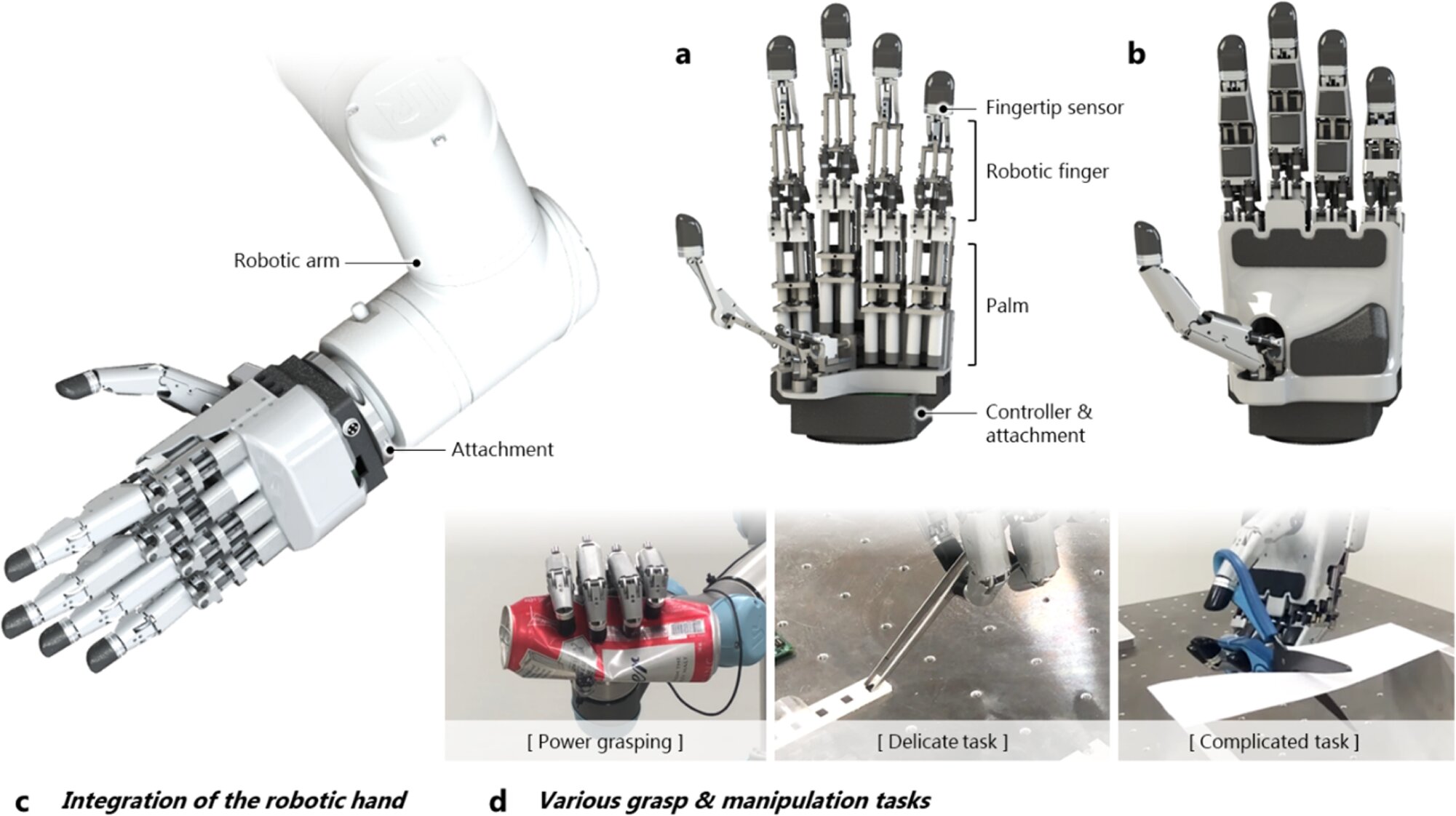
Use hands designed for human tools
-
Learn tasks through demonstration and reinforcement
This approach makes humanoid robots particularly attractive for logistics, manufacturing, and service roles where retrofitting infrastructure would be costly or impractical.


Why Mobileye Wants Humanoid Robots
Beyond Cars: A Natural Extension of Autonomy
At first glance, humanoid robots may seem far removed from self-driving cars. In reality, the overlap is significant.
Mobileye’s core strengths include:
-
Computer vision and perception
-
Real-time decision-making in complex environments
-
Safety-critical AI systems
These same capabilities are essential for humanoid robots navigating unpredictable, human-centered spaces.
By acquiring Mentee Robotics, Mobileye can apply its proven autonomy stack to a much broader set of physical-world problems.
The Strategic Timing of the Acquisition
Why Now?
The robotics industry is reaching an inflection point. Advances in AI models, sensors, and compute power have made humanoid robots more viable than ever before.
Several trends converged to make this deal timely:
-
Labor shortages in logistics and manufacturing
-
Rapid progress in AI perception and control
-
Growing investor confidence in physical AI systems
Mobileye’s move positions it ahead of competitors that are still treating humanoid robotics as experimental rather than foundational.
How Mentee Fits Into Mobileye’s Technology Stack
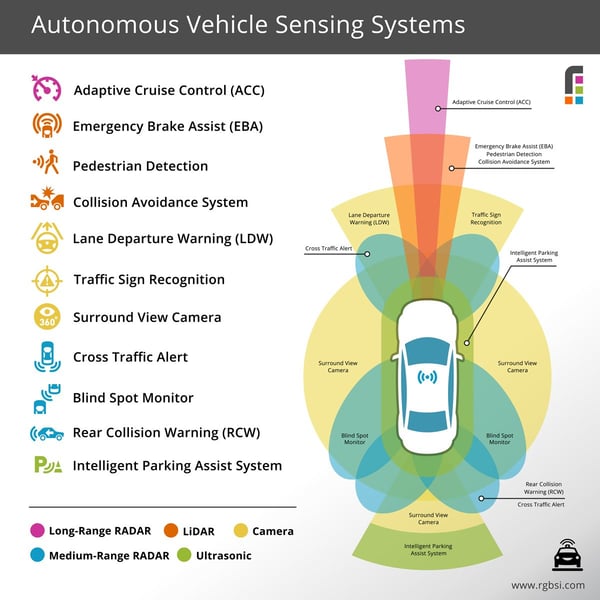
A Shared Language of Perception
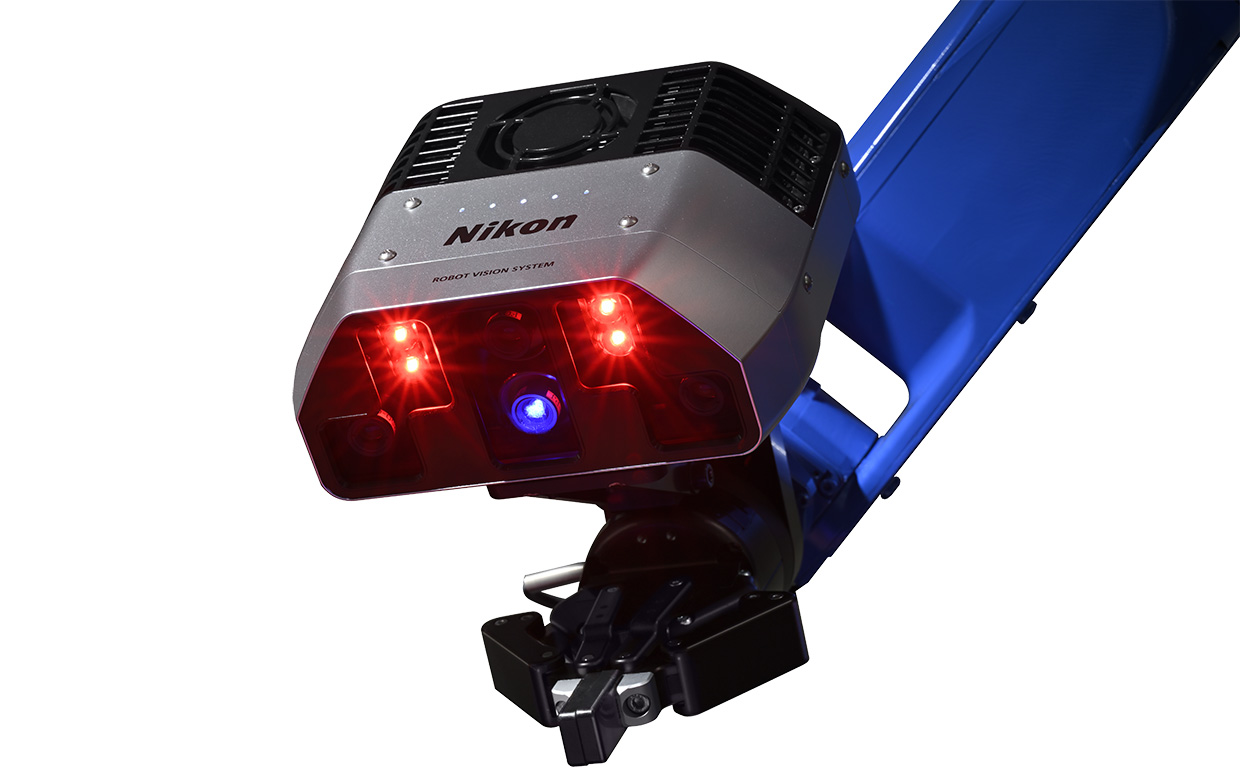
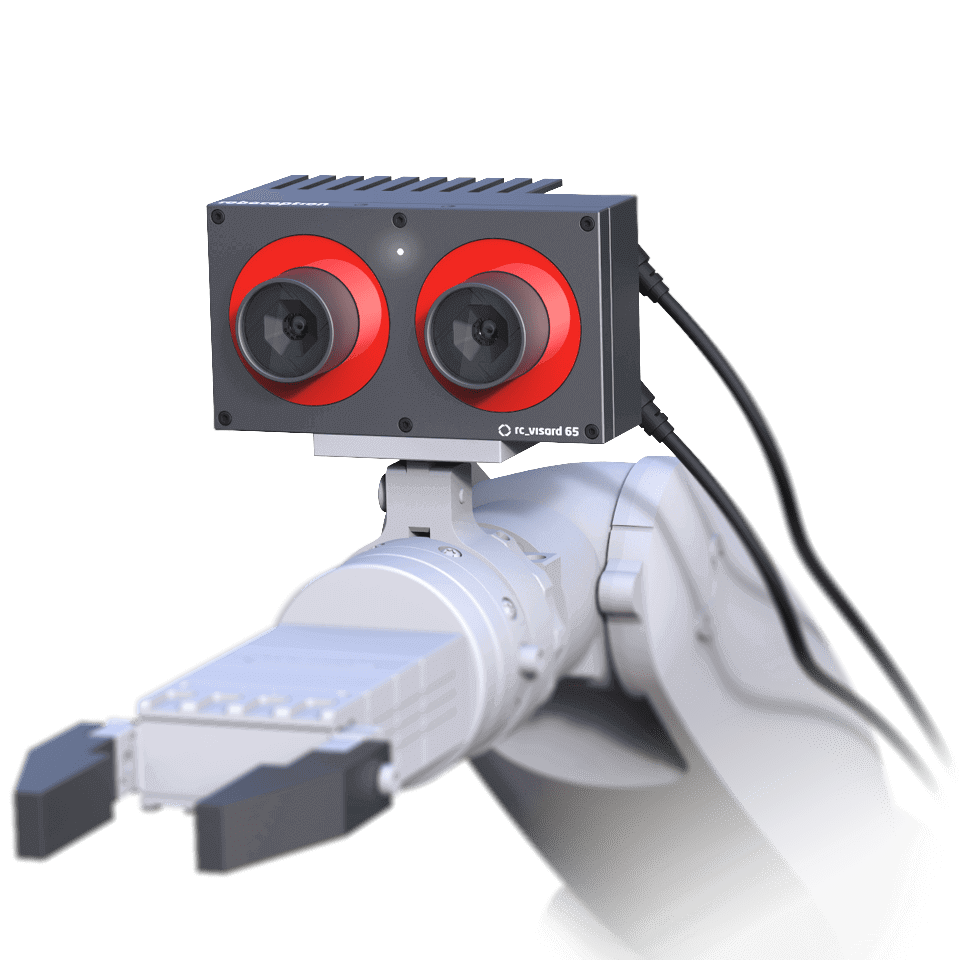
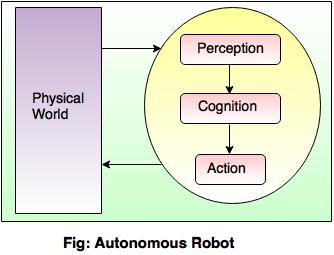
One of the most compelling aspects of the acquisition is how cleanly Mentee’s work aligns with Mobileye’s existing technology.
Both companies emphasize:
-
Vision-first perception systems
-
Learning-based decision-making
-
Safety and redundancy
Mobileye’s experience deploying autonomy at scale—millions of vehicles worldwide—could give Mentee’s robots a faster path from lab prototypes to real-world deployment.


What This Means for the Robotics Industry
Validation of Humanoid Robots
Humanoid robots have long been criticized as impractical or overly complex. A $900 million acquisition by a major autonomy company challenges that skepticism.
The deal suggests:
-
Humanoid robots are moving toward commercial viability
-
Major players see long-term economic value
-
The market is shifting from demos to deployment
This could accelerate funding, partnerships, and talent migration into the humanoid robotics space.
Potential Use Cases: Where These Robots Could Work
From Warehouses to Everyday Environments
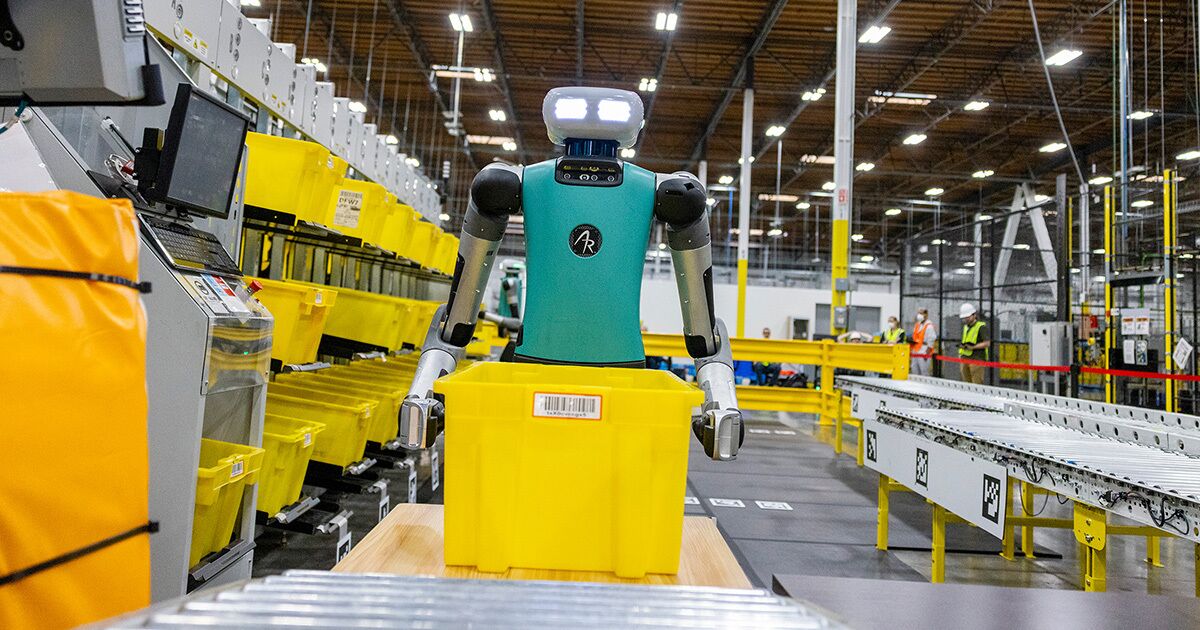
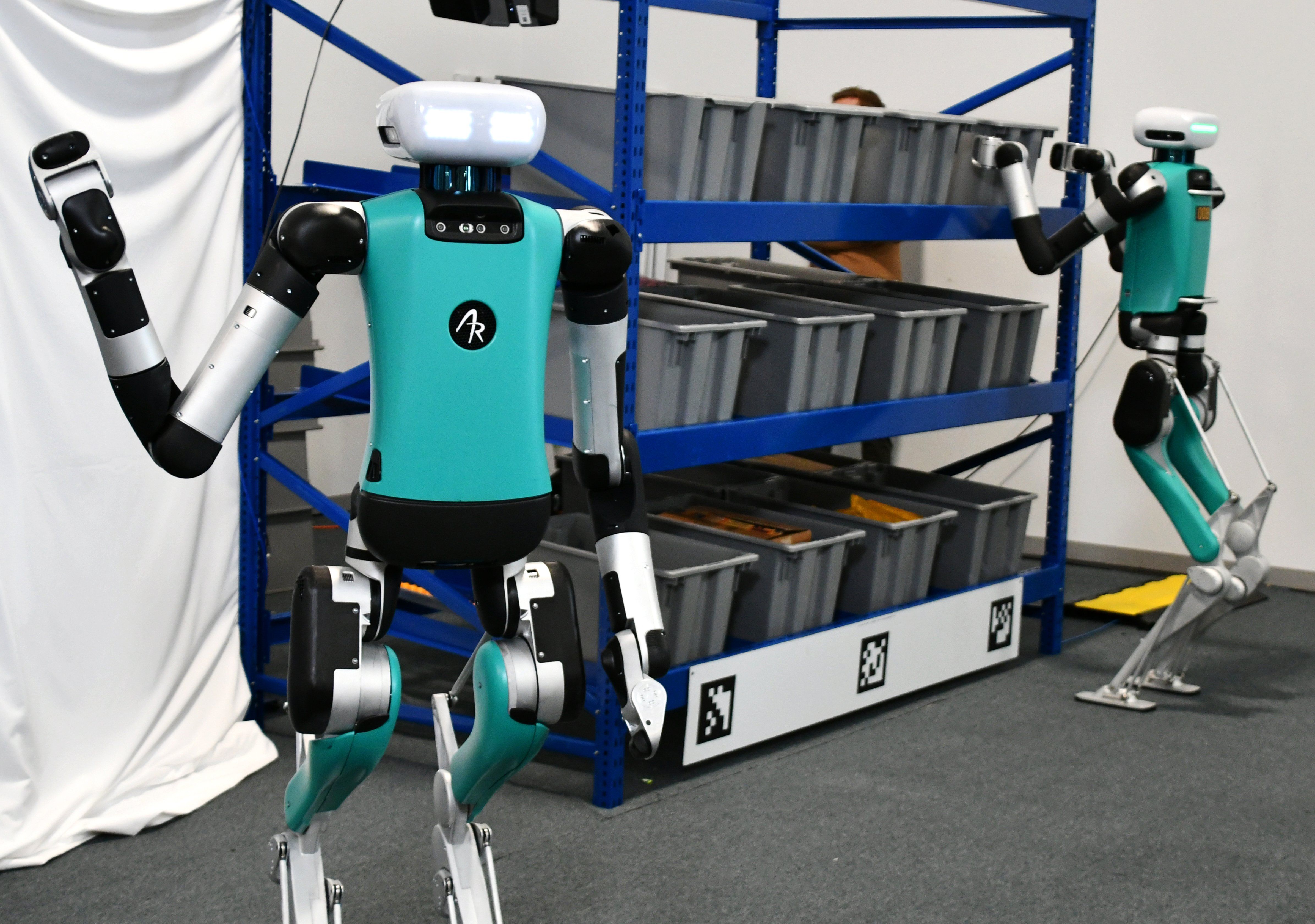
While neither company has announced specific deployment timelines, analysts expect initial applications to focus on controlled environments.
Likely use cases include:
-
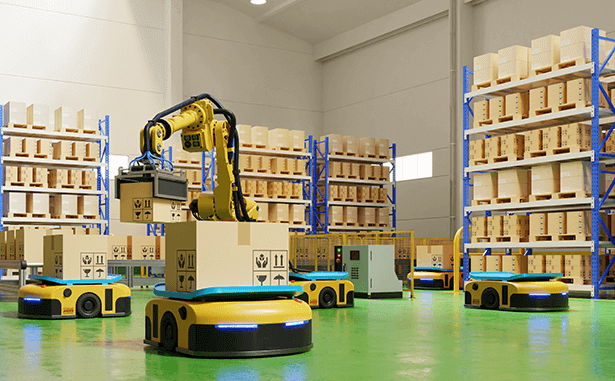
Warehouses and fulfillment centers
-
Manufacturing and assembly lines
-
Infrastructure maintenance
-
Eventually, service and assistance roles
Humanoid form factors allow robots to operate existing tools, stairs, and workstations without costly redesigns.



Competition Is Heating Up
Mobileye Joins a Crowded Field
Mobileye’s acquisition places it in direct or indirect competition with companies exploring humanoid robotics across the globe. The difference is Mobileye’s track record of scaling autonomy safely.
Where many robotics startups struggle to move beyond prototypes, Mobileye brings:
-
Industrial-grade safety processes
-
Regulatory experience
-
Deployment at massive scale
This combination could prove decisive.
Risks and Challenges Ahead
Humanoid Robotics Is Still Hard
Despite the optimism, challenges remain:
-
High hardware costs
-
Energy efficiency and battery life
-
Reliability in unstructured environments
-
Public trust and safety concerns
Even with Mobileye’s resources, commercial humanoid robots are unlikely to become ubiquitous overnight.
Investor and Market Reaction
Reading Between the Lines
The size of the deal suggests strong internal confidence in Mentee’s technology. For investors, it signals that:
-
Physical AI is entering a consolidation phase
-
Strategic acquisitions may replace early-stage experimentation
-
Robotics is no longer niche—it’s infrastructure
Market watchers expect similar moves from other autonomy and AI leaders in the coming years.
A Broader Vision: Mobileye Beyond Mobility
Redefining the Company’s Identity
This acquisition hints at a broader transformation. Mobileye may be positioning itself not just as an automotive company, but as a general autonomy platform for the physical world.
In that vision:
-
Cars are one deployment surface
-
Robots are another
-
AI perception and decision-making are the core product
Humanoid robots become a natural extension of that philosophy.





What Comes Next?
Integration and Execution
The success of the deal will depend on how effectively Mobileye integrates Mentee Robotics’ team and technology. Key questions include:
-
How quickly will products reach real deployments?
-
Will Mobileye keep Mentee as a standalone unit or fully integrate it?
-
How will safety and regulation be addressed?
Answers will emerge over the next few years—but the direction is now clear.
Conclusion: A $900 Million Signal About the Future
Mobileye’s acquisition of Mentee Robotics is more than a headline-grabbing deal. It’s a signal that humanoid robots are moving from science fiction toward industrial reality.
By combining world-class autonomous driving expertise with human-centered robotics, Mobileye is betting that the next frontier of AI isn’t just digital—it’s physical.
If the bet pays off, this acquisition may one day be remembered as the moment when autonomous systems truly stepped off the road and into the wider world.