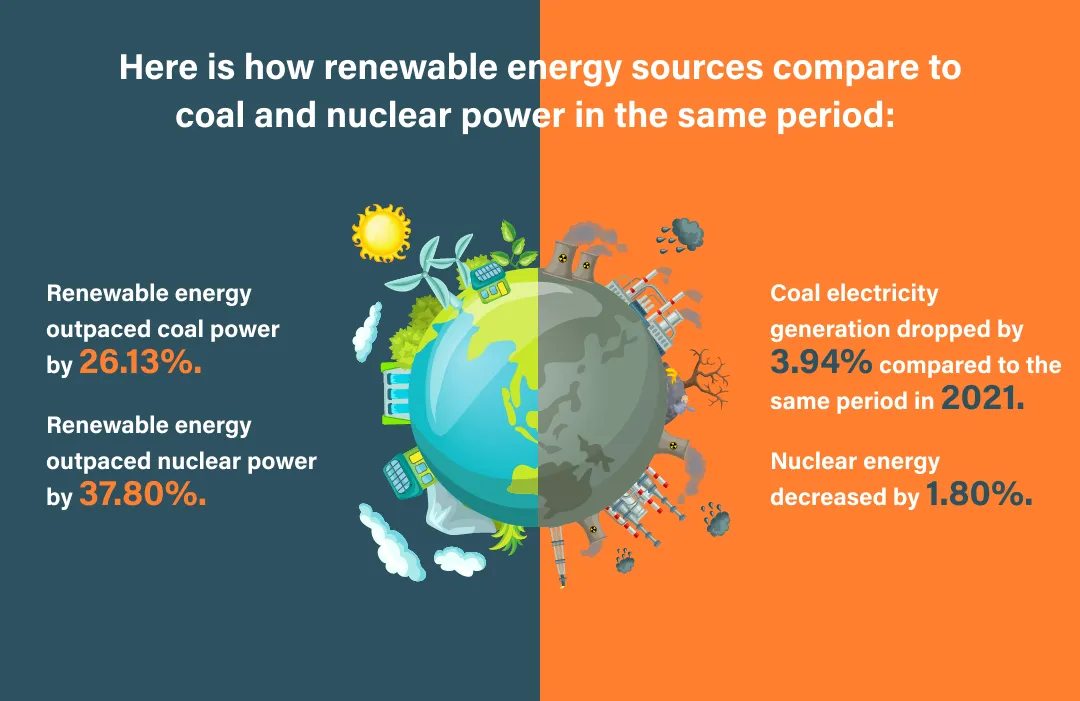
For years, nuclear power seemed stuck in the past—expensive, controversial, and overshadowed by renewables like wind and solar. But a new wave of nuclear startups is rapidly changing that narrative. Armed with small modular reactors (SMRs) and advanced designs, these companies are once again capturing investor attention, government support, and climate-driven urgency.
Yet for all the renewed excitement, the path forward is anything but simple.
This is the story of why nuclear startups are back in vogue—and the formidable technical, regulatory, and financial challenges that still stand in their way.
Why Nuclear Energy Is Having a Moment Again


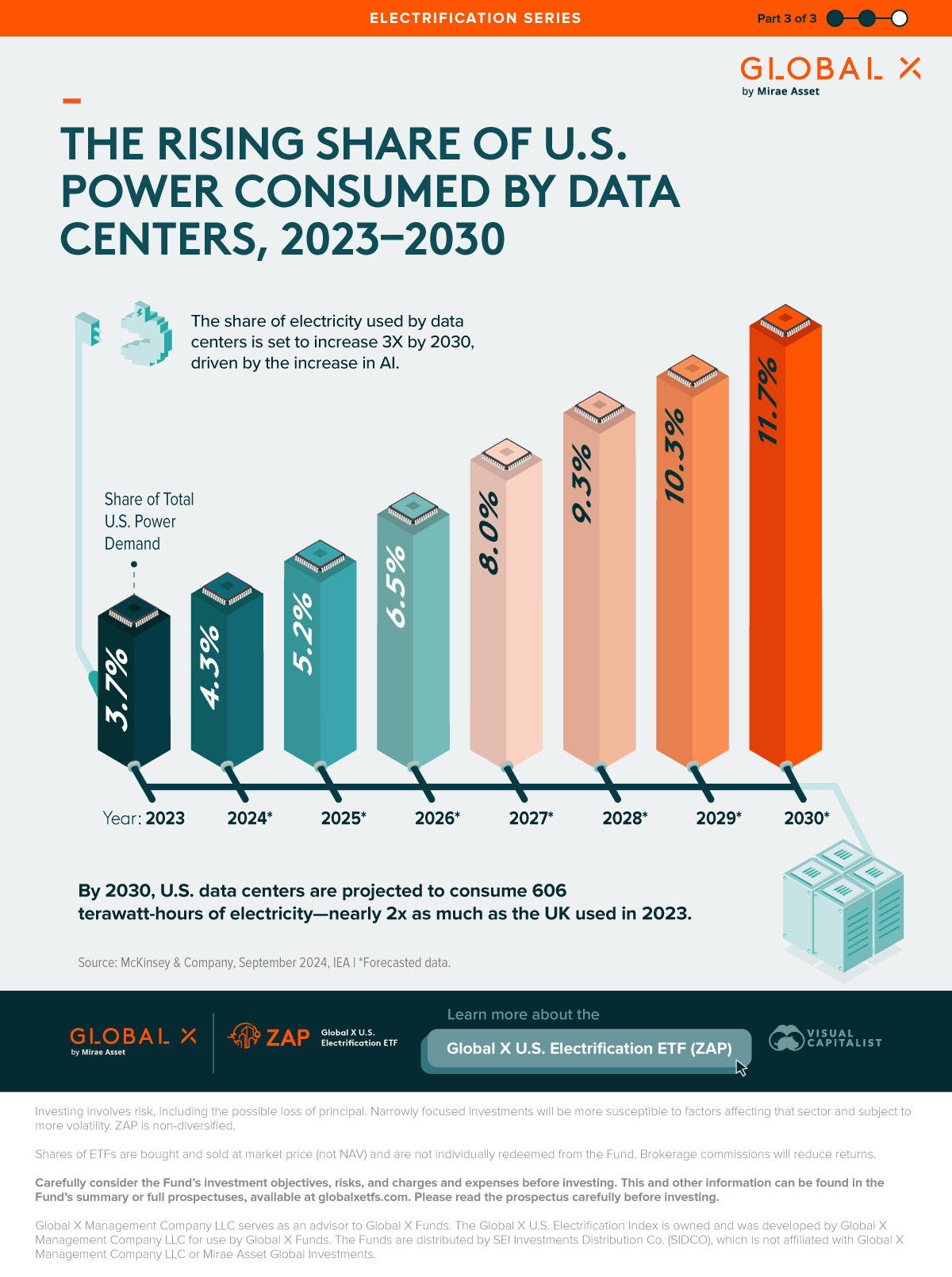
Several forces have converged to bring nuclear energy back into the spotlight:
-
Climate pressure: Governments need carbon-free, always-on energy sources
-
Grid reliability: Solar and wind are intermittent; nuclear is not
-
AI and data centers: Exploding power demand requires stable baseload electricity
-
Energy security: Nations want domestic, resilient power sources
Unlike fossil fuels, nuclear power produces near-zero operational emissions, making it increasingly attractive in net-zero roadmaps.
What Makes Small Modular Reactors Different
Traditional nuclear plants are massive, custom-built projects that often run billions of dollars over budget. Small modular reactors aim to flip that model.
Key Advantages of SMRs
-
Smaller physical footprint
-
Factory-based manufacturing
-
Faster deployment timelines
-
Lower upfront capital costs
-
Scalable power output
Instead of one giant plant, SMRs can be deployed incrementally—closer to where energy is needed.
Meet the New Nuclear Startup Ecosystem
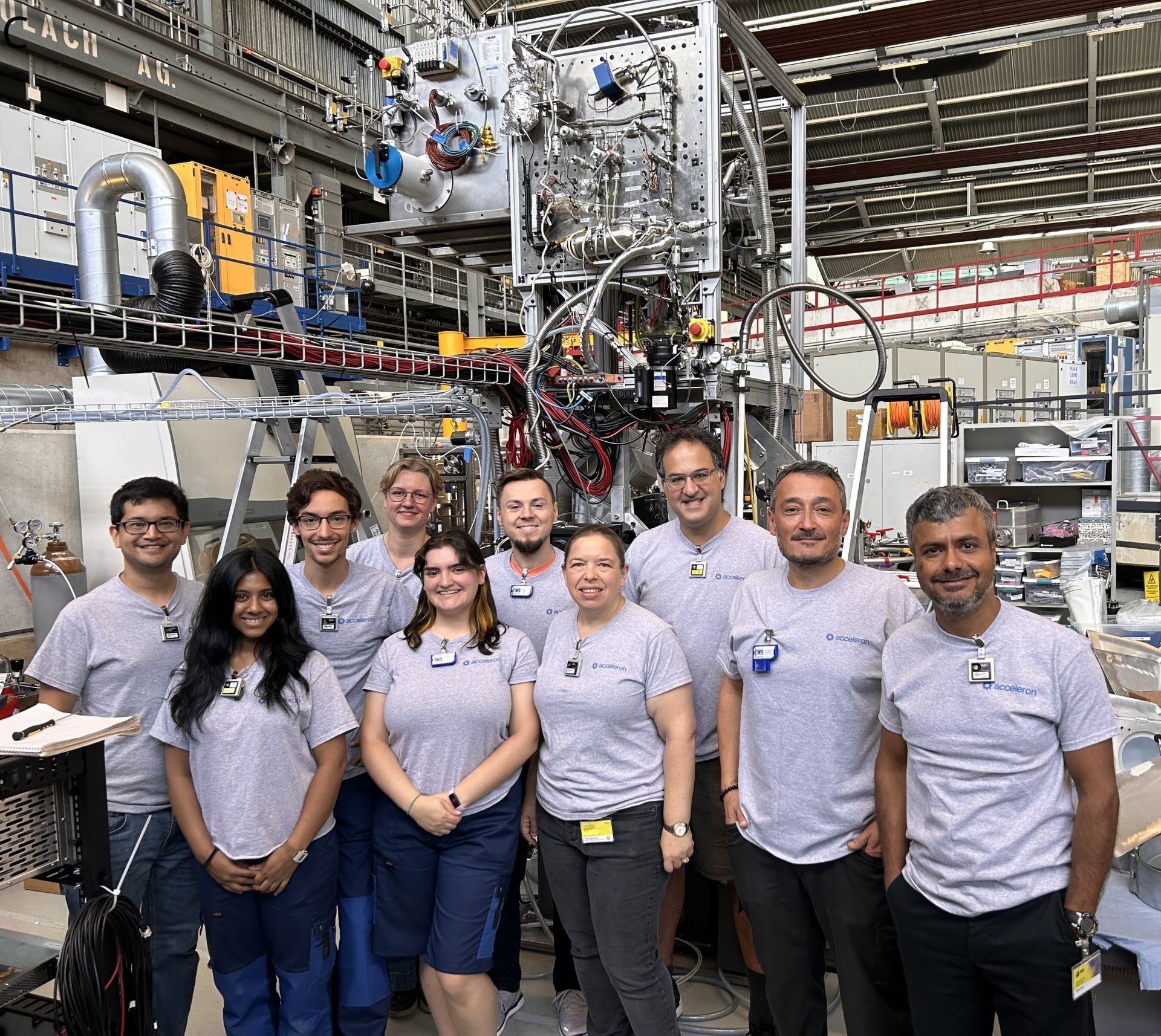


A growing ecosystem of startups is driving this revival, often staffed by veterans from national labs, aerospace firms, and the defense sector.
These companies are experimenting with:
-
Advanced fuel types
-
Passive safety systems
-
Molten salt and gas-cooled reactors
-
Long-life cores requiring less refueling
While approaches differ, the goal is the same: make nuclear safer, cheaper, and faster to deploy.
Why Investors Are Paying Attention Again
Venture capital historically avoided nuclear due to long timelines and regulatory risk. That’s changing.
Key reasons investors are returning:
-
Massive long-term energy demand
-
Government-backed loan guarantees
-
Strategic interest from utilities and hyperscalers
-
Growing belief that climate goals are unattainable without nuclear
Some startups are now attracting funding rounds once considered impossible for nuclear ventures.
Government Support Is a Major Catalyst

Governments are increasingly backing advanced nuclear development through:
-
Research grants
-
Pilot project funding
-
Regulatory modernization
-
Military and federal energy contracts
This public-sector support reduces risk and signals long-term commitment—crucial for capital-intensive technologies.
The Safety Question: Can Nuclear Win Public Trust?
Despite technological advances, nuclear still faces a perception problem.
How Startups Are Addressing Safety
-
Passive cooling systems that don’t require human intervention
-
Reactors designed to shut down safely on their own
-
Fuels that are less prone to meltdown
-
Underground or sealed containment designs
Startups argue these designs make modern reactors fundamentally different from legacy plants.
Regulation: Innovation’s Biggest Bottleneck
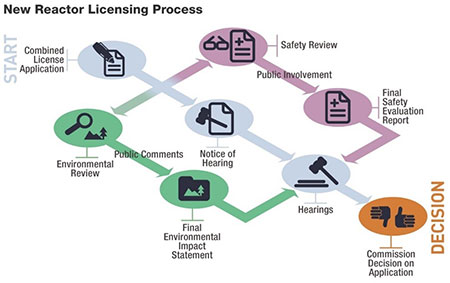

One of the biggest hurdles is regulation. Nuclear approval processes were designed decades ago for large reactors—not agile startups.
Challenges include:
-
Lengthy licensing timelines
-
High compliance costs
-
Uncertainty around new reactor types
-
Limited regulatory capacity
Even well-funded startups can struggle to survive years without revenue while awaiting approvals.
The Economics Still Need to Prove Themselves
While SMRs promise cost reductions, many designs are not yet commercially proven.
Open questions remain:
-
Can factory production really lower costs at scale?
-
Will utilities commit to long-term contracts?
-
How competitive will SMRs be against cheap renewables plus storage?
Until the first few reactors operate successfully, skepticism will persist.
Where SMRs Could Be Deployed First
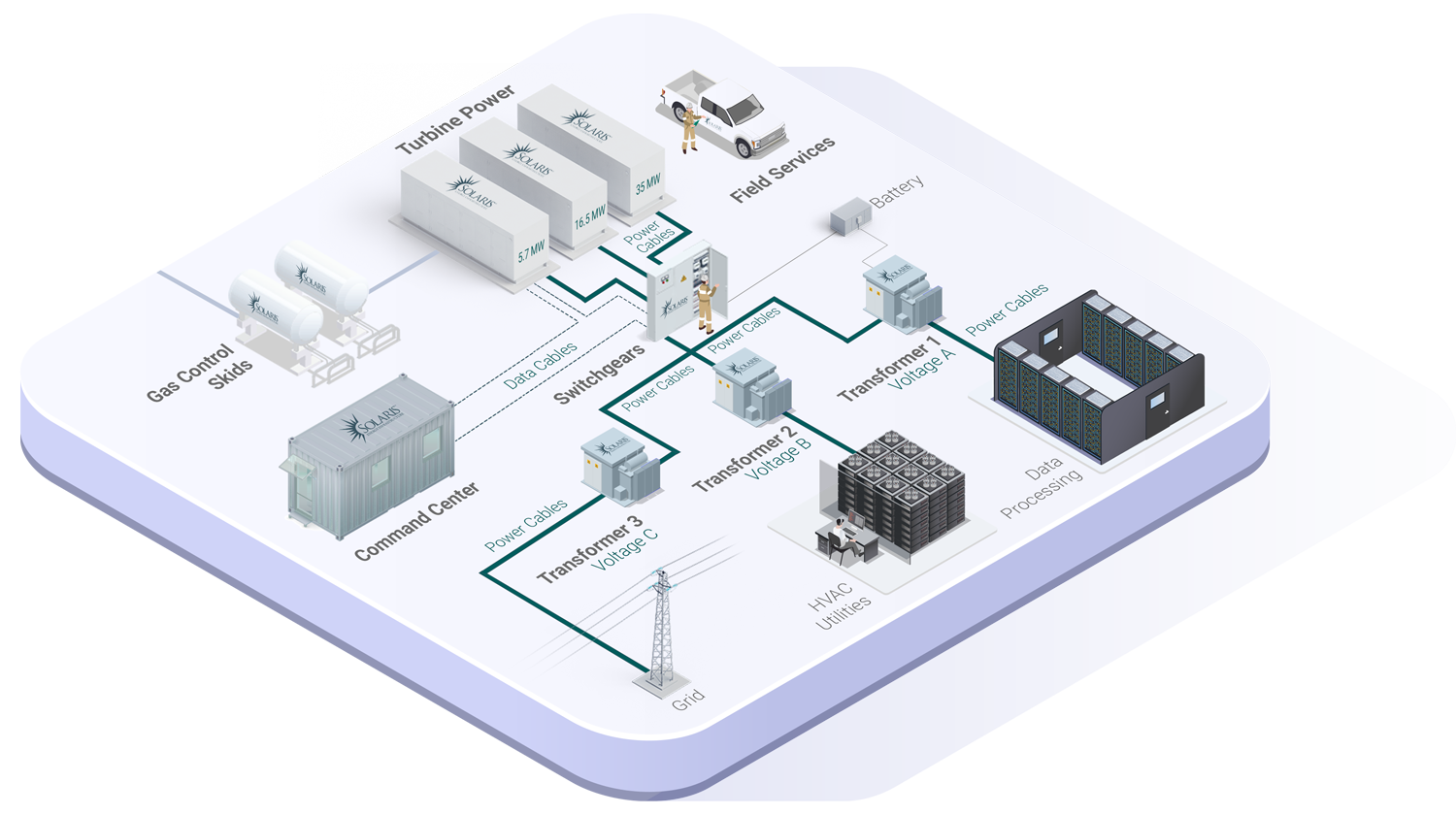
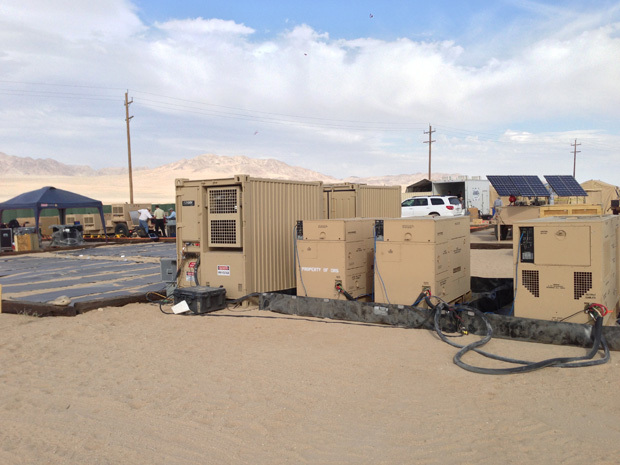
Early deployments are likely in niche but critical markets:
-
Remote or off-grid communities
-
Industrial facilities
-
Military bases
-
Data centers and AI clusters
These customers value reliability over the lowest possible cost—making them ideal early adopters.
Competition With Renewables: Rival or Partner?
Rather than competing directly with wind and solar, many experts see nuclear as a complement.
A future clean grid may rely on:
-
Solar and wind for low-cost energy
-
Nuclear for baseload stability
-
Batteries and storage for flexibility
SMRs could fill gaps where renewables alone fall short.
Public Perception and Political Risk
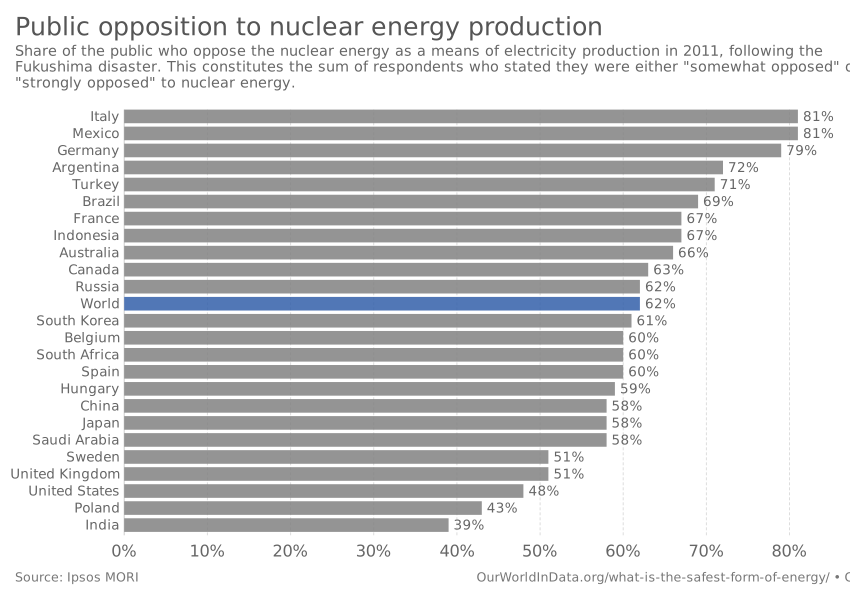
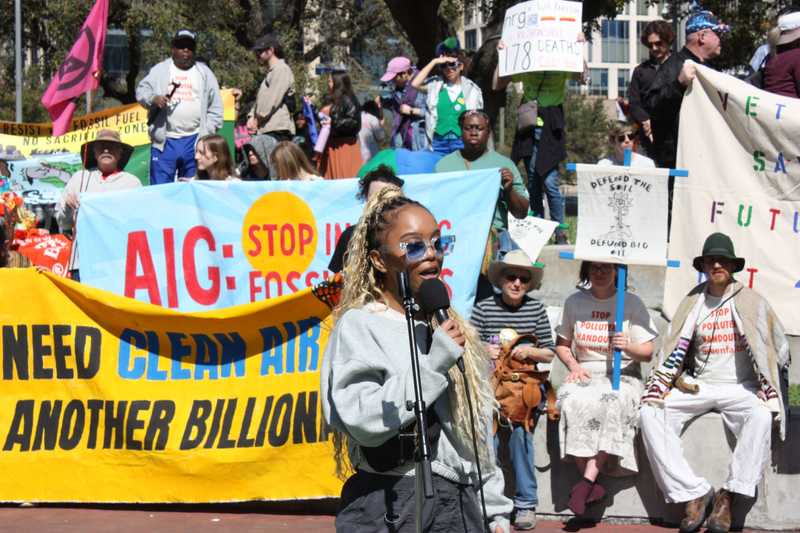

Public opinion remains divided. Accidents, waste disposal concerns, and political opposition can still derail projects.
Startups must:
-
Communicate transparently
-
Engage local communities early
-
Demonstrate safety and accountability
Winning social license may be just as important as winning regulatory approval.
What Success Would Look Like
For nuclear startups, success doesn’t require replacing all fossil fuels overnight.
Realistic milestones include:
-
One or two reactors operating on time and on budget
-
Clear regulatory pathways for replication
-
Cost curves trending downward
-
Long-term power purchase agreements
Even modest success could unlock massive scale over decades.
The Stakes Are High—for Climate and Energy Security
If nuclear startups fail, the world may struggle to meet climate goals without relying heavily on fossil fuels or unproven storage breakthroughs.
If they succeed, the payoff could be enormous:
-
Reliable clean power
-
Reduced emissions
-
Energy independence
-
A new industrial renaissance
Final Thoughts: A High-Risk, High-Impact Comeback
Nuclear startups are undeniably back in vogue—but enthusiasm alone won’t guarantee success. The road ahead is long, expensive, and politically complex.
Still, in a world hungry for clean, reliable energy, small modular reactors offer something rare: a credible path to scale without carbon.
Whether this nuclear renaissance becomes a revolution—or another false start—will depend on execution, regulation, and public trust. One thing is certain: the stakes have never been higher.