NVIDIA’s Next Big Ambition: Owning the Robotics Stack
For decades, NVIDIA has powered the most important computing revolutions of the modern era — from gaming graphics to data centers to the artificial intelligence boom. Now, the company has its sights set on an even more ambitious goal: becoming the Android of generalist robotics.
According to recent disclosures and executive commentary, NVIDIA wants to build a universal software and hardware platform that robotics developers across the world can use — much like how Android standardized smartphones. If successful, the move could fundamentally reshape the robotics industry.


This is not about making one robot. It’s about creating the ecosystem that all robots run on.
What Are “Generalist Robots”?
To understand NVIDIA’s vision, it’s crucial to understand what generalist robotics means.
Specialist vs. Generalist Robots
Most robots today are specialists:
-
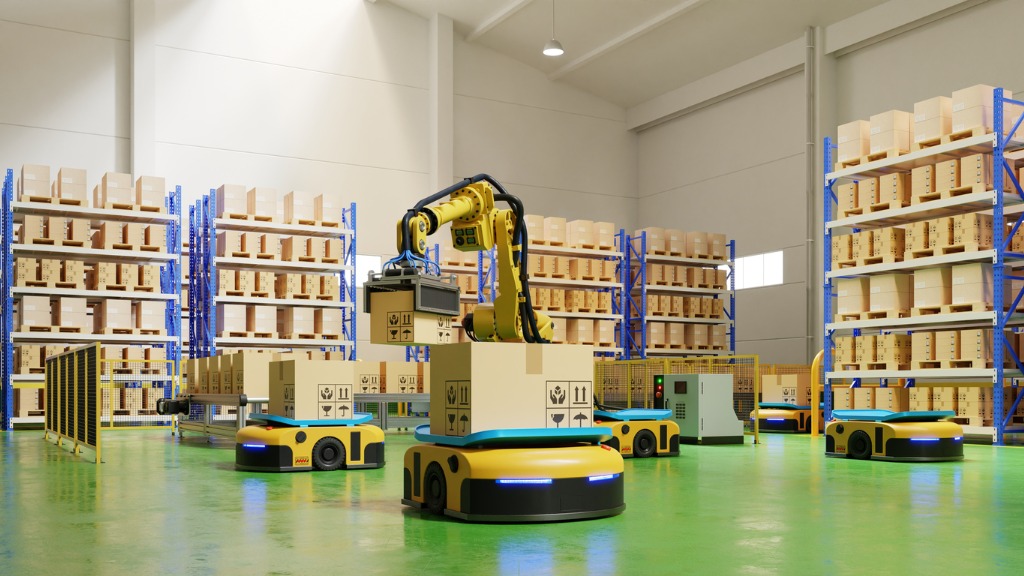
Warehouse robots that only move boxes
-
Factory arms that repeat a single task
-
Delivery robots trained for one environment
Generalist robots, by contrast, are designed to:
-
Learn new tasks without full reprogramming
-
Adapt to unfamiliar environments
-
Understand natural language instructions
-
Transfer skills from one task to another
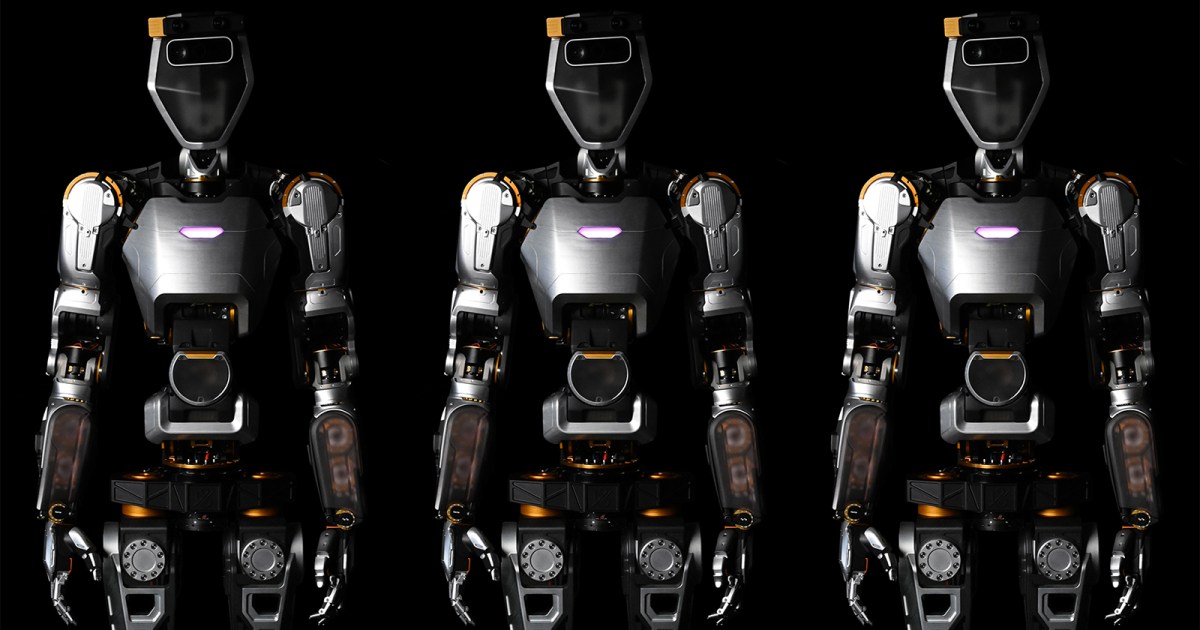
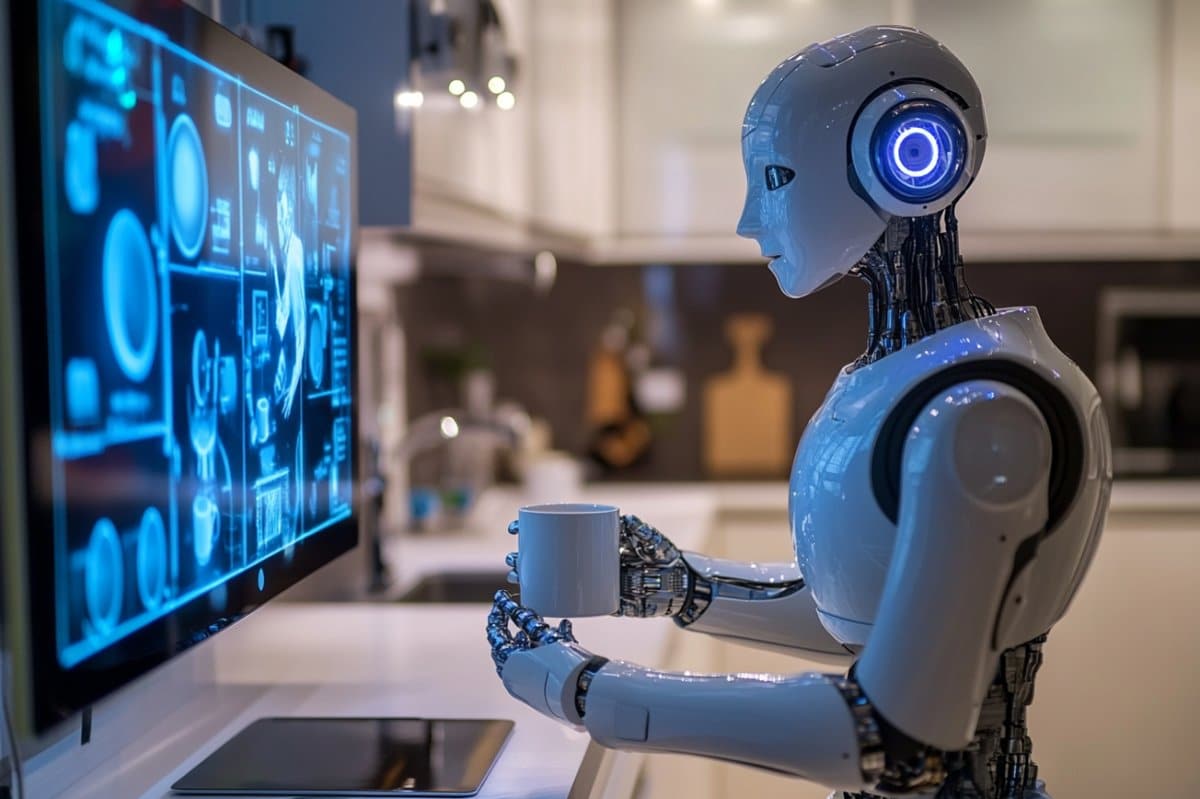
In short, generalist robots are closer to how humans work — flexible, adaptable, and context-aware.
Why NVIDIA Is Perfectly Positioned for This Race
NVIDIA’s advantage isn’t just its chips. It’s vertical integration.
The company already controls:
-
GPUs for training massive AI models
-
Accelerators for real-time inference
-
Simulation platforms for robotics training
-
AI frameworks used by most robotics labs
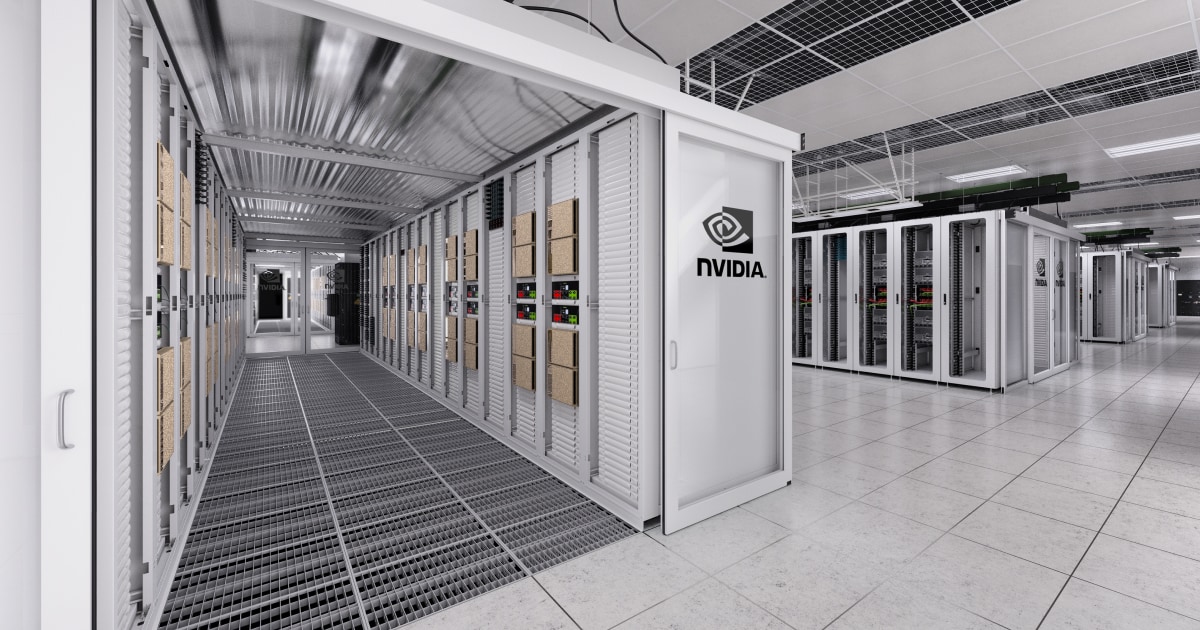
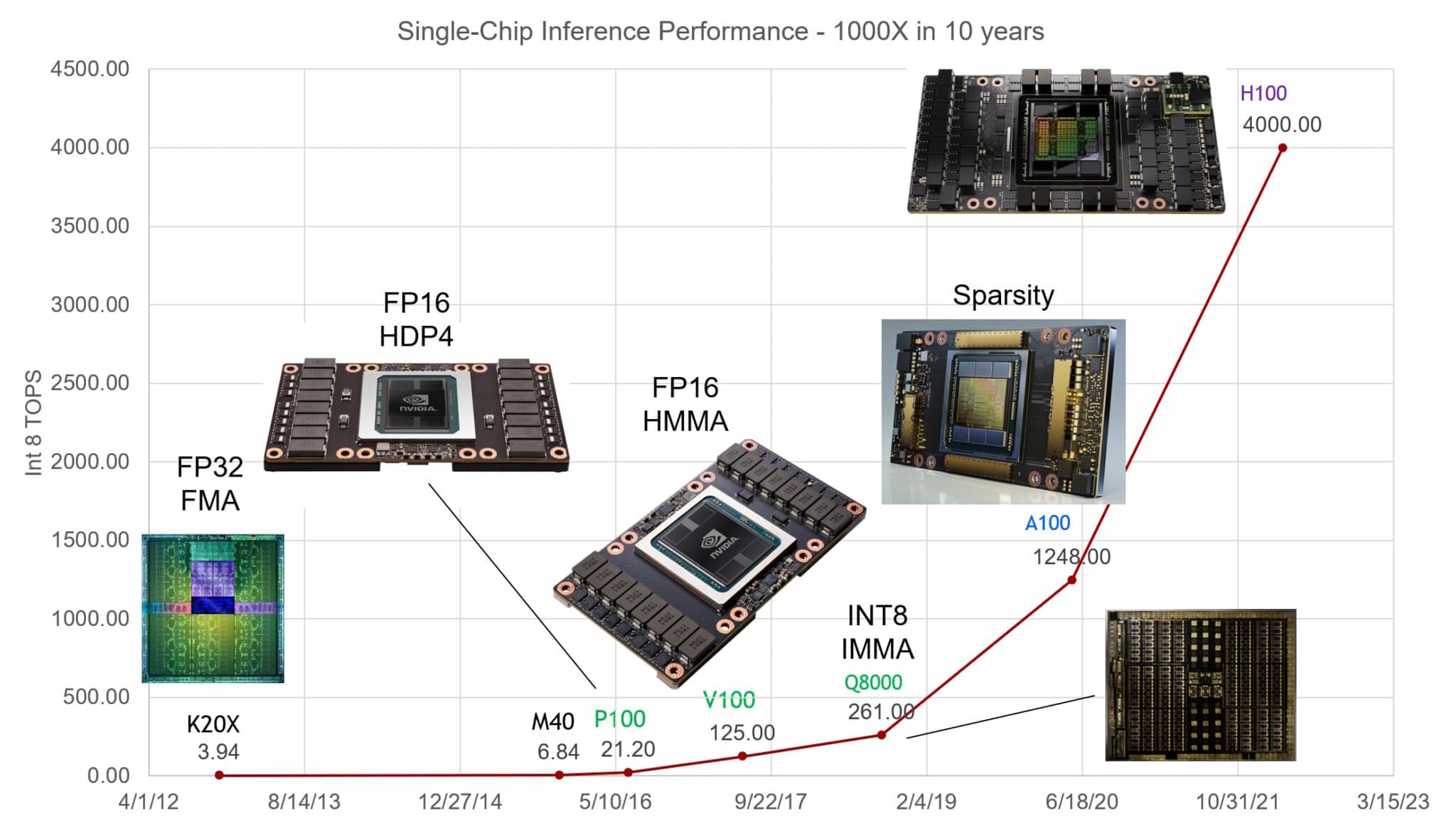

This makes NVIDIA uniquely capable of offering a full-stack robotics platform — from training to deployment.
The “Android of Robotics” Analogy Explained
When Android emerged, it didn’t dominate because it made the best phones. It won because it offered:
-
A common operating system
-
Open development tools
-
Hardware flexibility across manufacturers
NVIDIA wants to do the same for robots.
The Vision:
-
Robot makers build hardware
-
Developers build behaviors
-
NVIDIA provides the intelligence layer
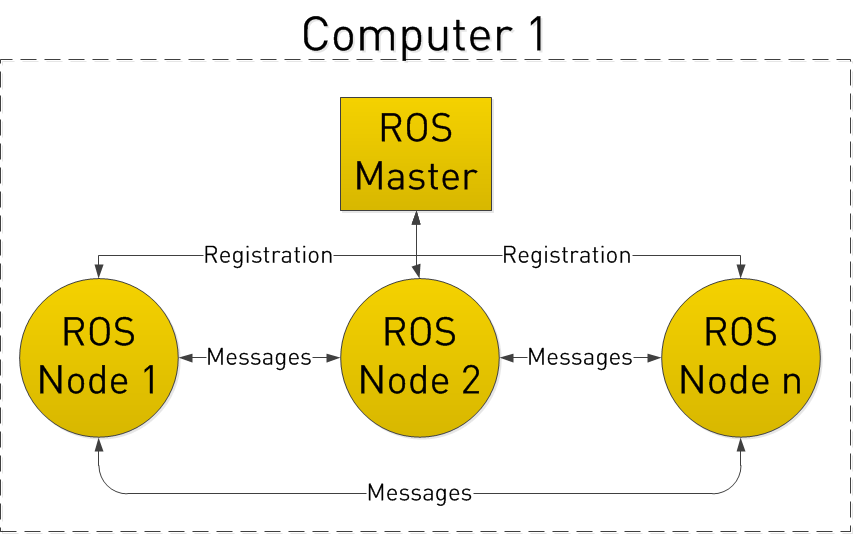

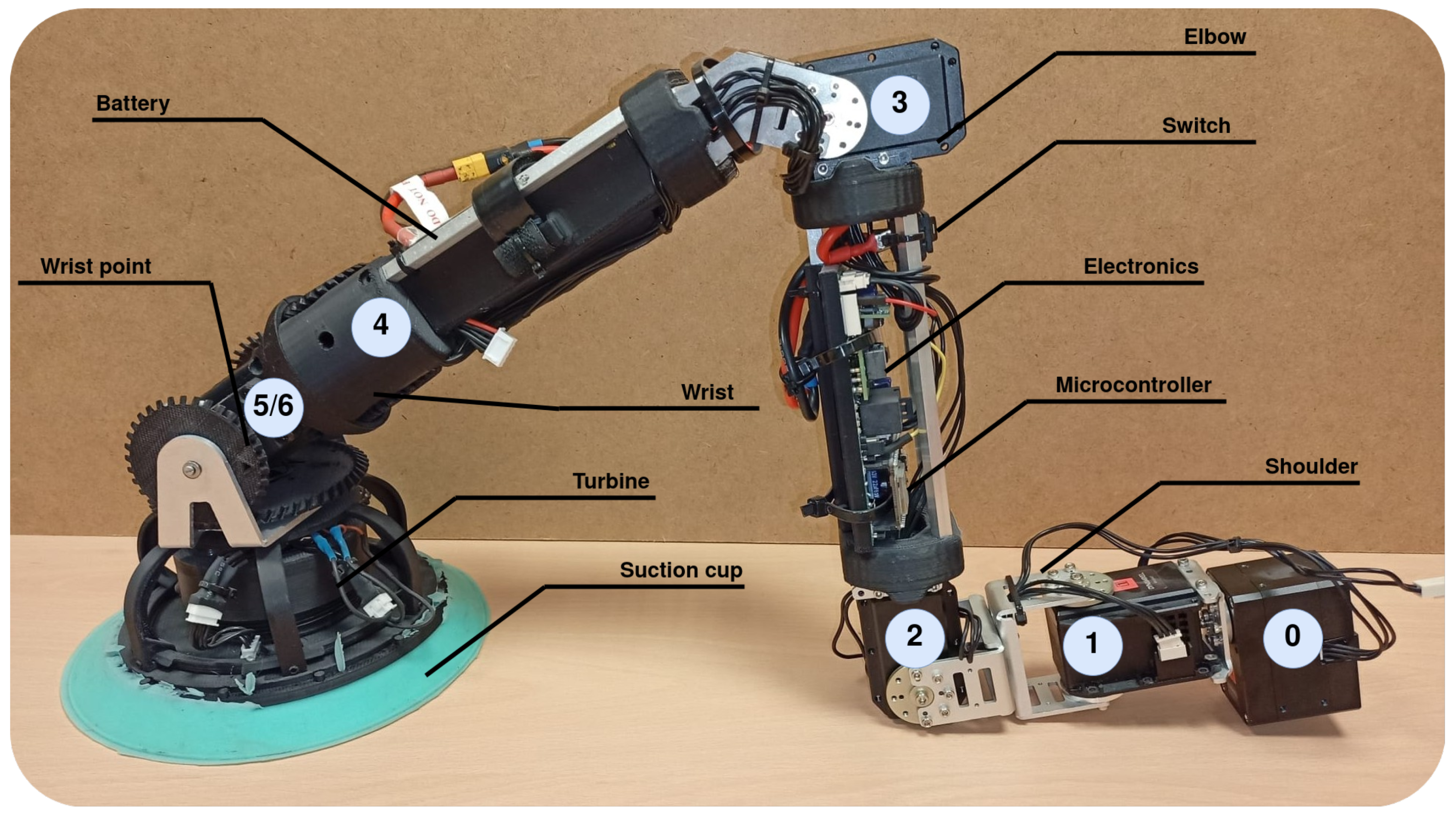
If Android standardized smartphones, NVIDIA wants to standardize robotic intelligence.
NVIDIA Isaac: The Core of the Strategy
At the center of this plan is NVIDIA Isaac, NVIDIA’s robotics development platform.
Isaac combines:
-
Physics-based simulation
-
AI training pipelines
-
Perception, navigation, and manipulation models
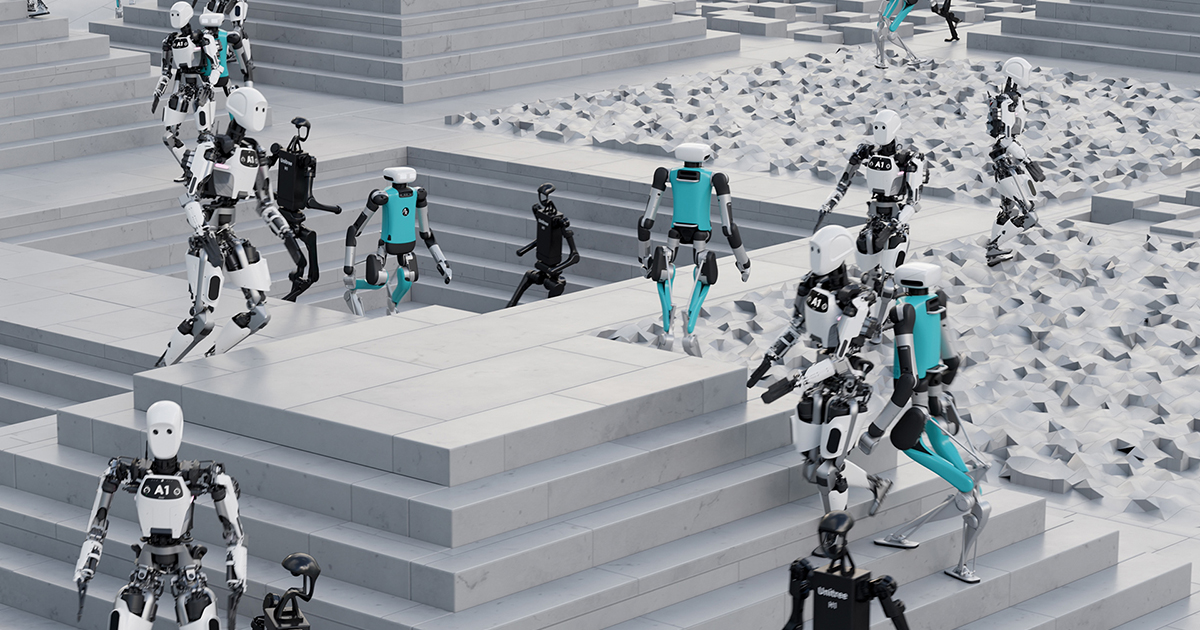


Instead of training robots only in the real world — which is slow and expensive — developers can train them in digital twins at massive scale.
Simulation Is the Secret Weapon
Robots need experience — and reality is costly.
NVIDIA’s approach relies heavily on:
-
Synthetic data generation
-
Physics-accurate simulations
-
Reinforcement learning at scale
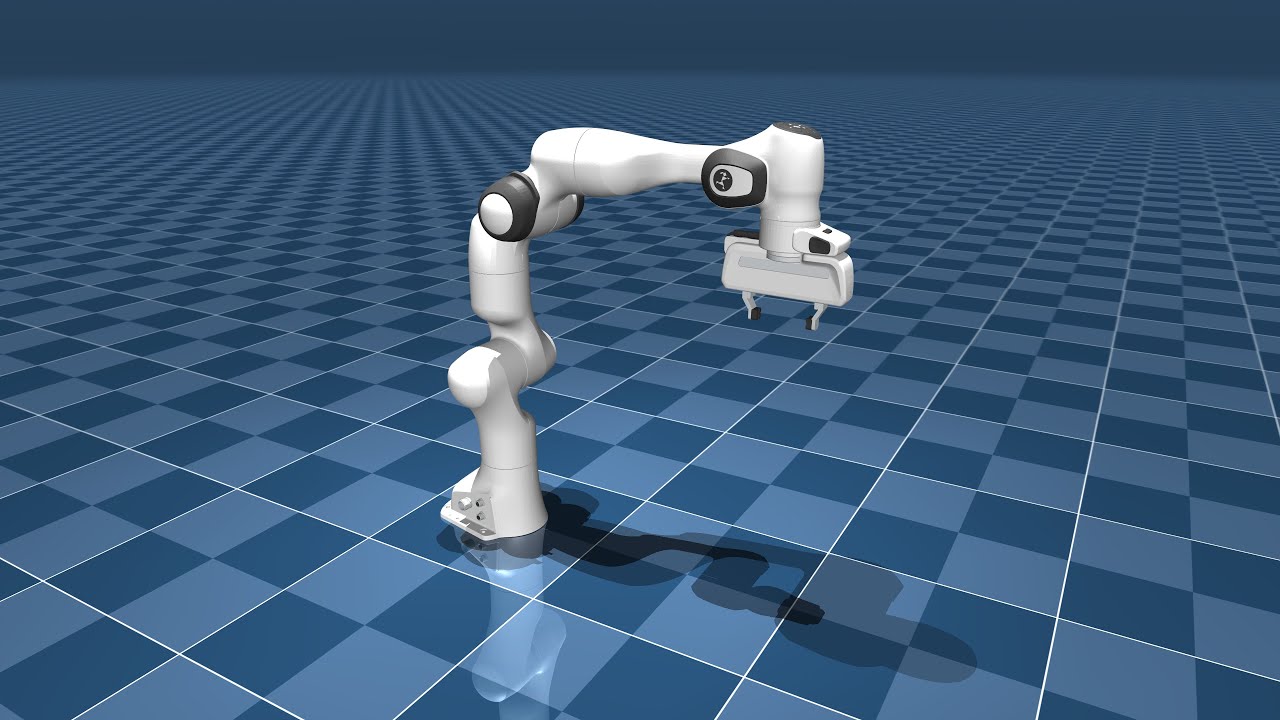
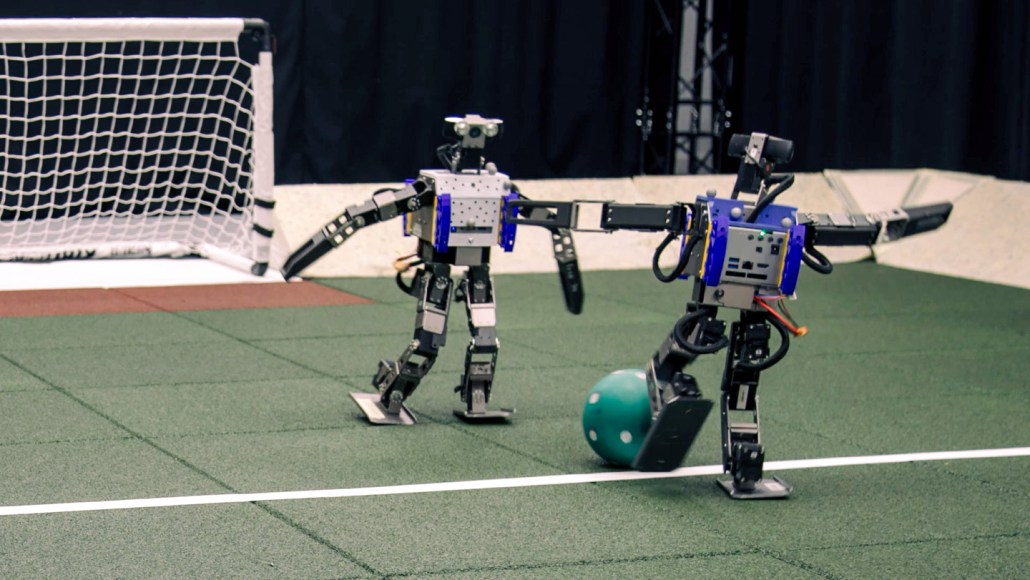
A robot can fail millions of times in simulation without breaking anything. When it enters the real world, it already “knows” what to do.
This mirrors how large language models are trained — but applied to physical intelligence.
Humanoid Robots Are the Ultimate Test Case
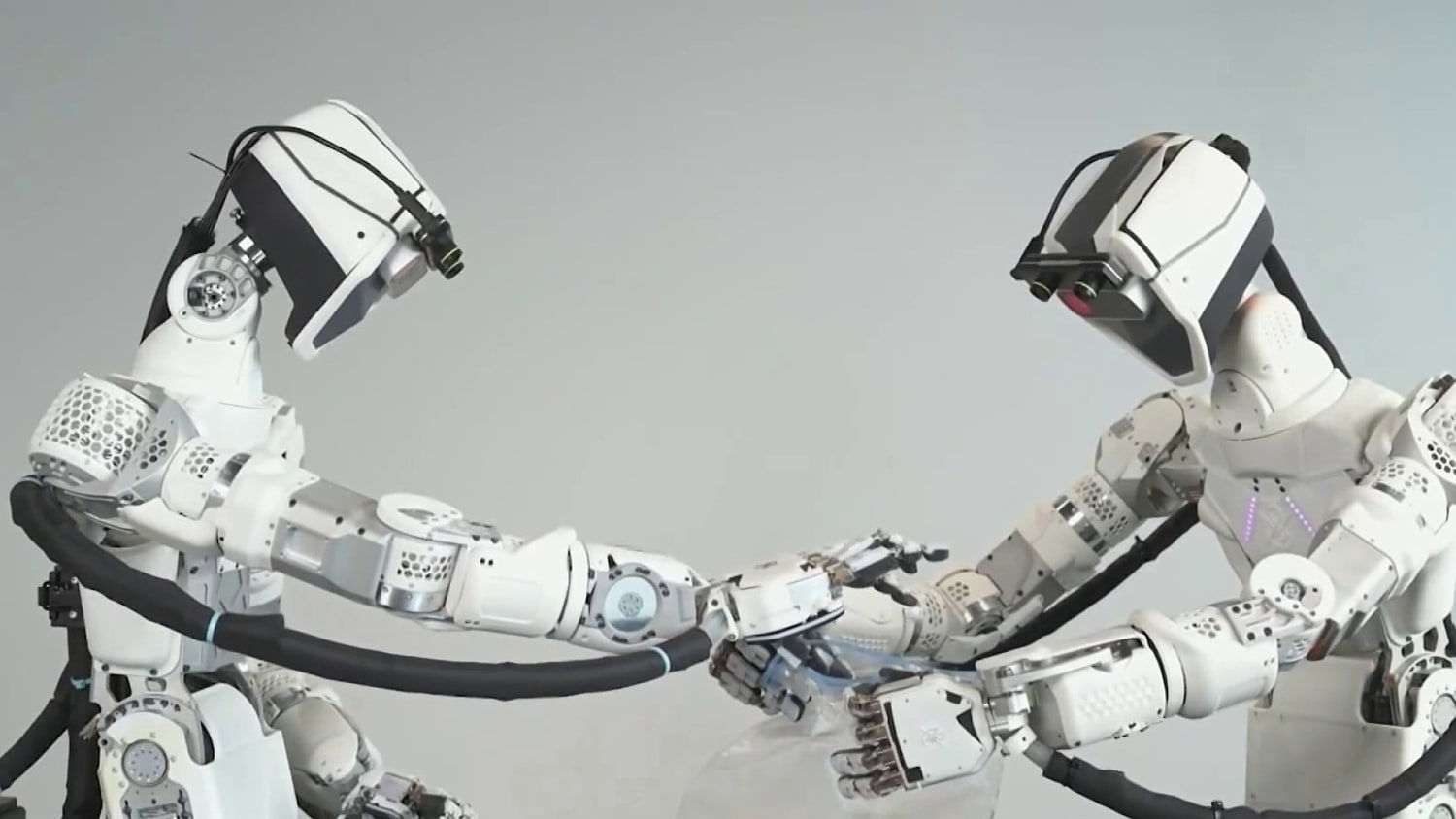
While NVIDIA is not building its own humanoid robot, its platform is increasingly being used to power them.
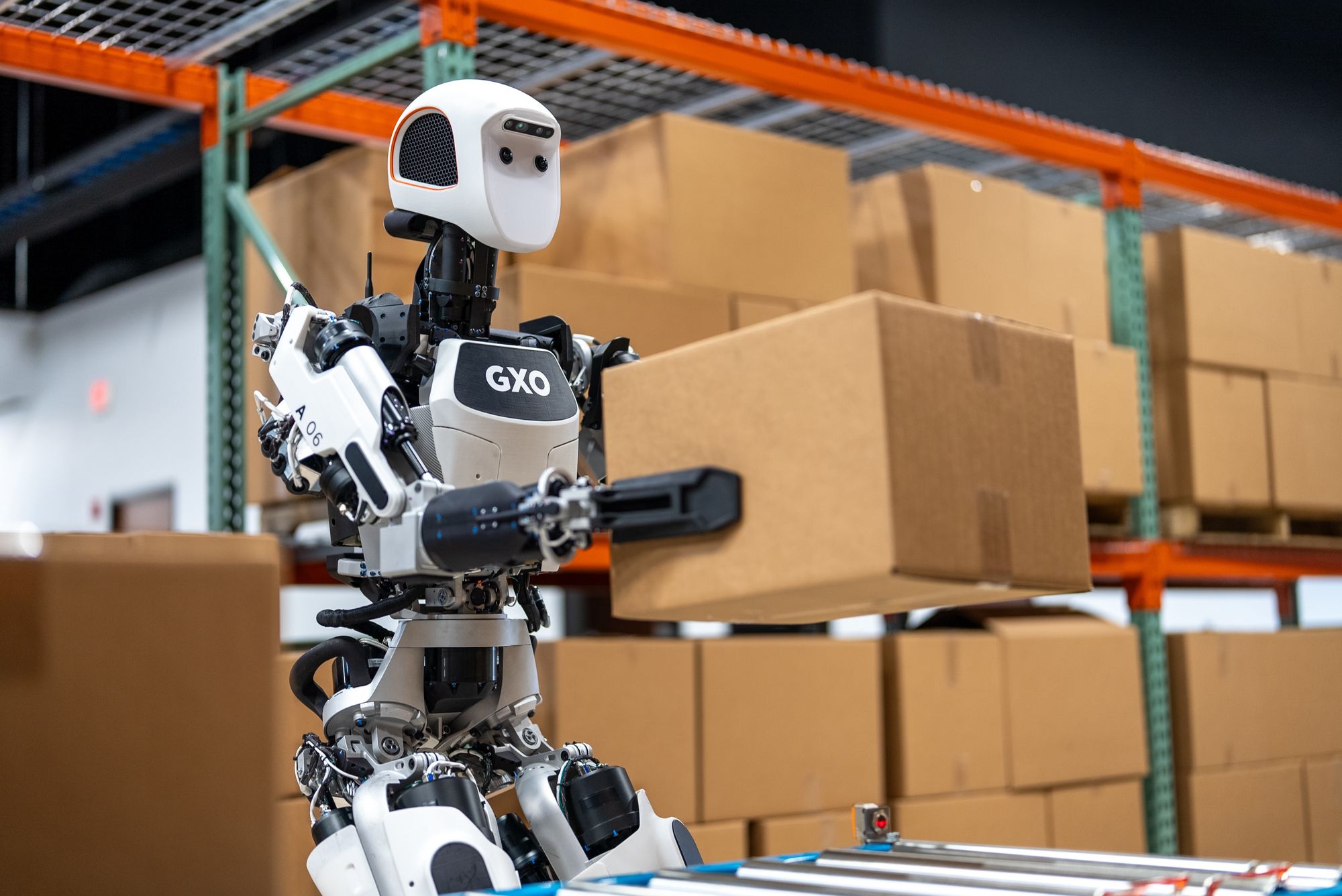
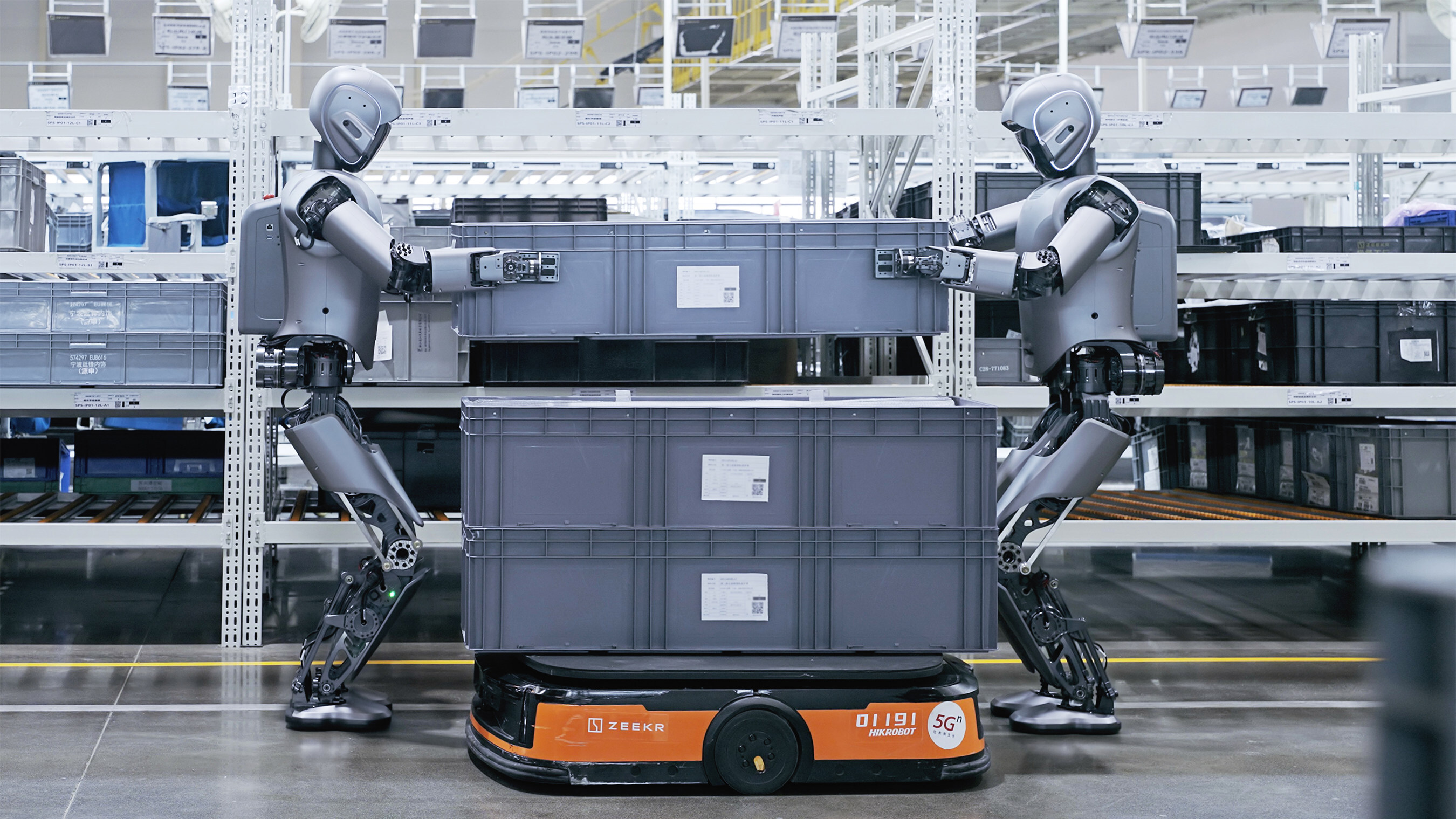

Humanoids are especially difficult because they require:
-
Balance and dexterity
-
Real-time perception
-
Fine motor control
-
Contextual reasoning
If NVIDIA’s platform can support humanoids, it can support almost anything.
Why the Timing Is Perfect
Three trends are converging:
-
AI Models Are Finally Capable Enough
Multimodal models can now see, reason, and plan. -
Compute Has Reached Critical Mass
Training physical intelligence is finally feasible at scale. -
Labor Shortages Are Accelerating Automation
Warehouses, logistics, healthcare, and manufacturing need robots — fast.


This creates a once-in-a-generation opportunity.
A Platform, Not a Product
NVIDIA’s leadership has made it clear: they don’t want to compete with robot manufacturers.
Instead, they want to enable:
-
Startups building niche robots
-
Enterprises automating logistics
-
Researchers developing new behaviors

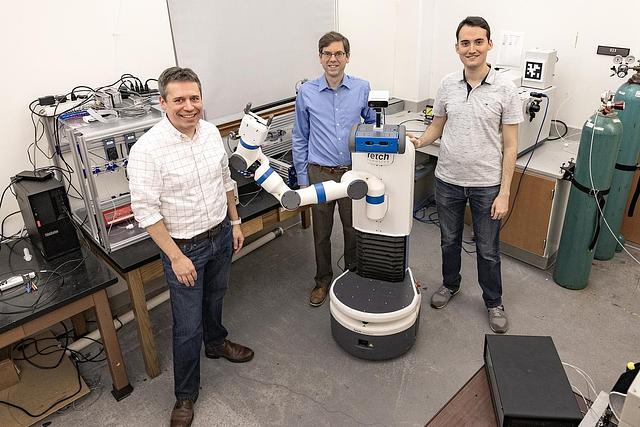
Just as Android empowered thousands of phone makers, NVIDIA wants to empower thousands of robot builders.
Competition Is Coming — Fast
NVIDIA isn’t alone in this race.
Key competitors include:
-
Big tech companies building closed robotics stacks
-
Open-source robotics frameworks
-
Cloud providers offering AI tooling
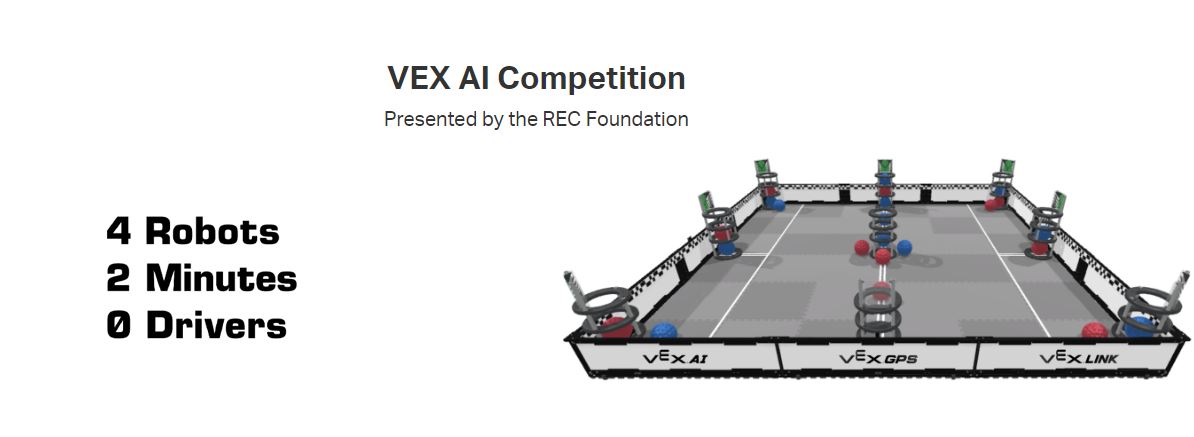

But NVIDIA’s differentiation lies in deep hardware-software co-design — something few rivals can match.
The Risk: Fragmentation vs. Control
Becoming the “Android of robotics” also carries risks.
Potential Challenges:
-
Fragmented standards
-
Vendor lock-in concerns
-
Regulatory scrutiny
-
Ethical concerns around automation
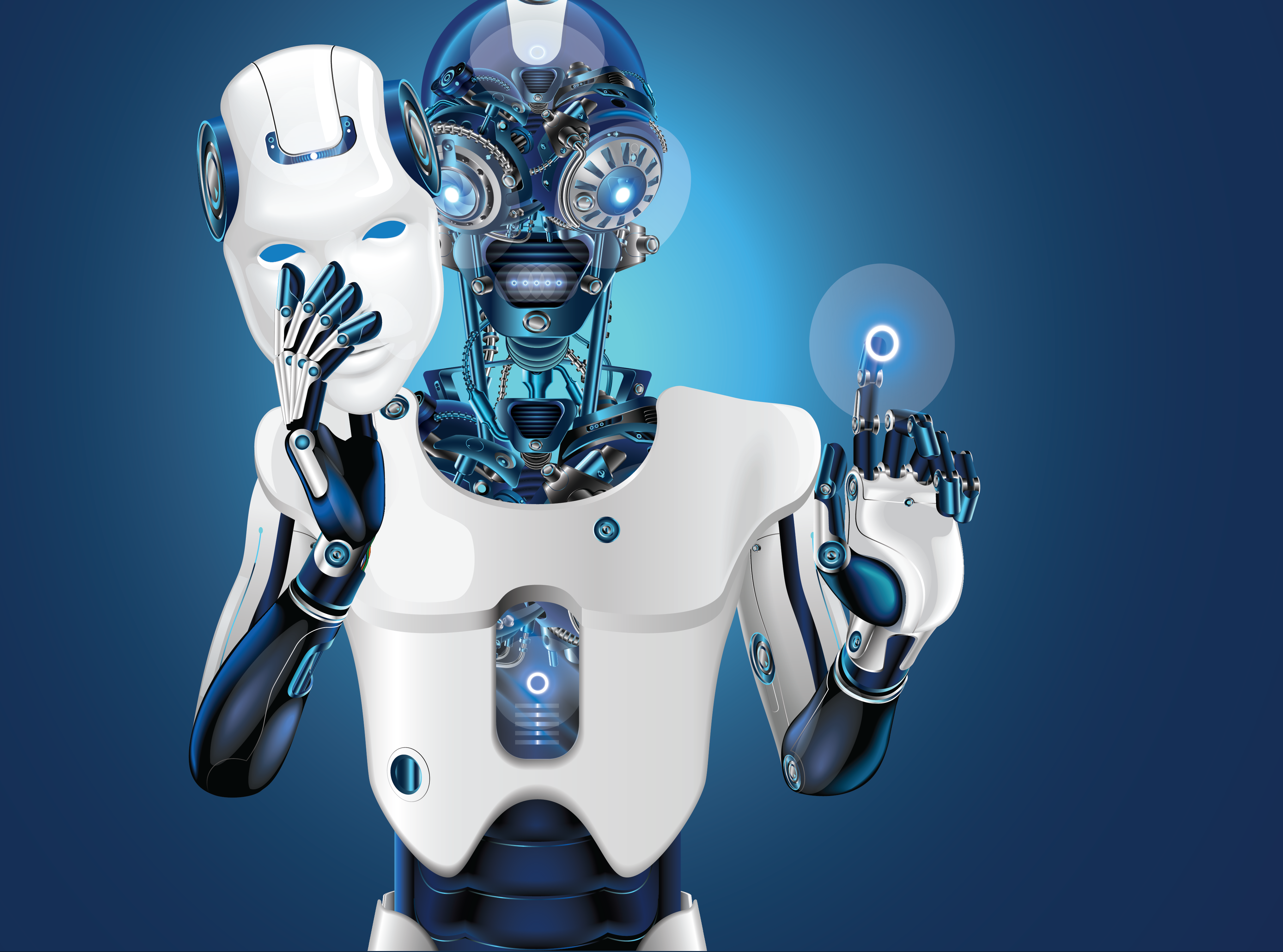
Robotics affects physical spaces and human safety — far more sensitive than smartphones ever were.
What This Means for Developers
For robotics developers, NVIDIA’s strategy could dramatically lower the barrier to entry.
Benefits include:
-
Faster prototyping
-
Reusable AI behaviors
-
Cross-robot compatibility
-
Access to cutting-edge models


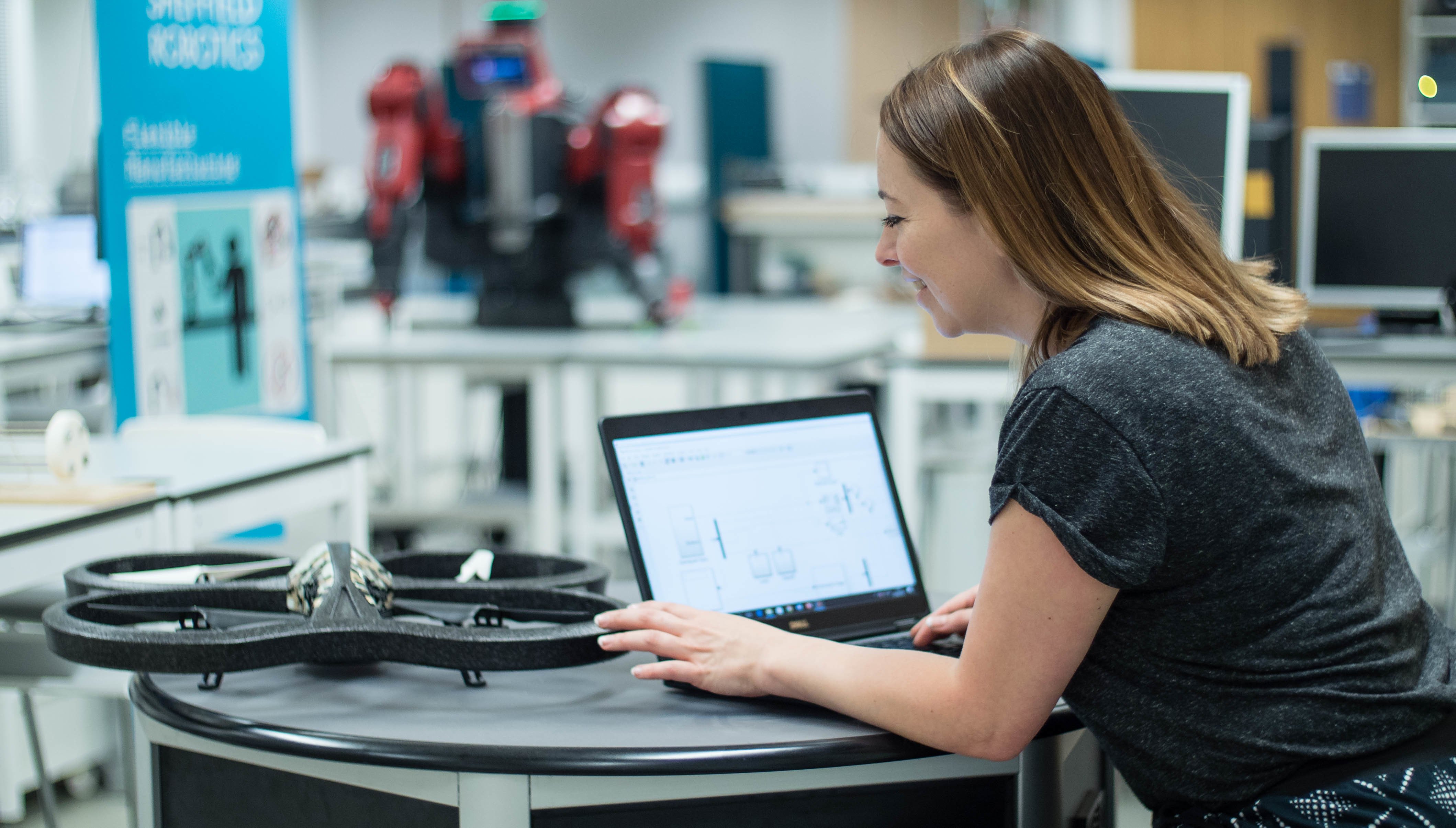
This could trigger an explosion of robotics startups similar to the mobile app boom.
What This Means for the Real World
If NVIDIA succeeds, generalist robots could move from demos to deployment much faster.
Possible applications:
-
Warehouses that reconfigure themselves
-
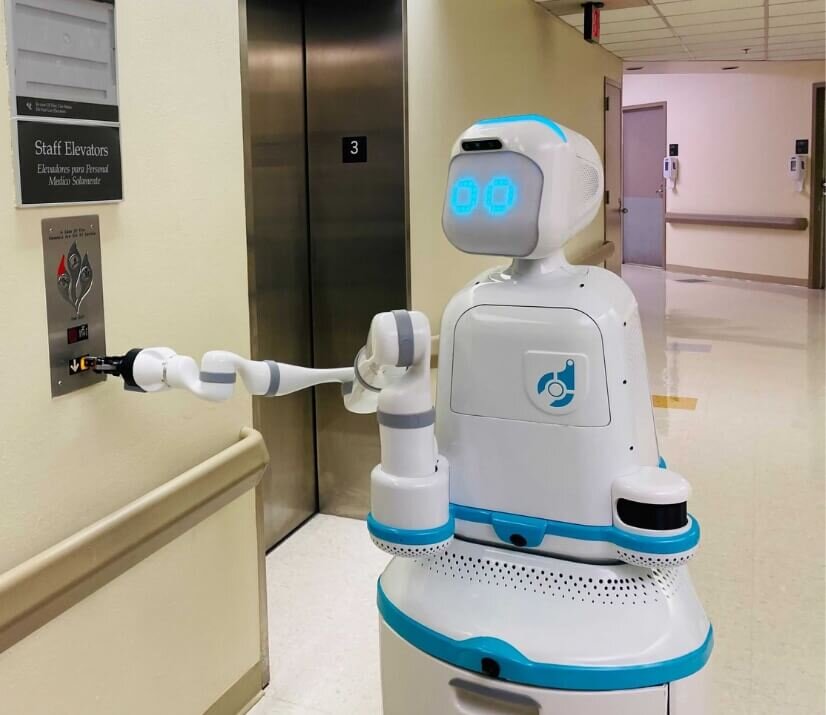
Hospitals with robotic assistants
-
Retail robots that adapt to stores
-
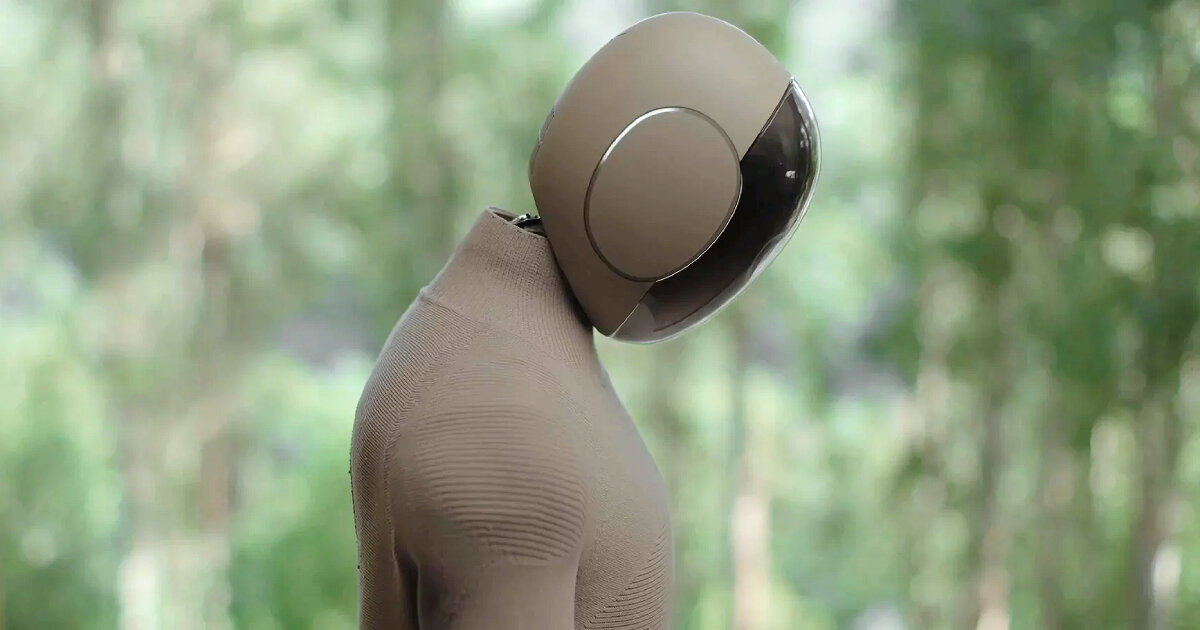
Homes with multipurpose helpers

The line between software intelligence and physical labor would blur.
A Bet as Big as GPUs for AI
NVIDIA’s AI dominance didn’t happen by accident — it happened by betting early and building platforms before demand exploded.
Robotics appears to be the next frontier.
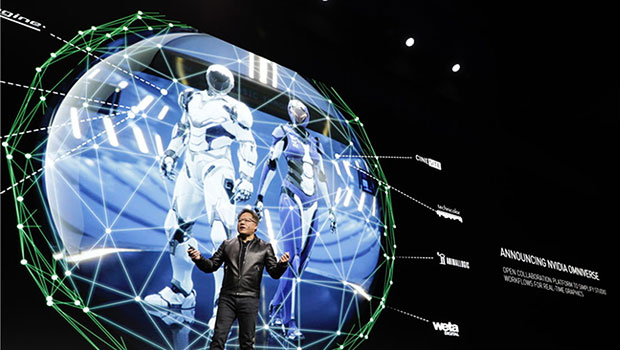


If large language models were the brain revolution, generalist robots could be the body.
Final Thoughts: The Android Moment for Robotics?
NVIDIA’s ambition to become the Android of robotics is bold — and risky — but perfectly aligned with its history.
By focusing on platforms rather than products, and intelligence rather than hardware alone, NVIDIA is positioning itself at the center of the next automation wave.
If the strategy works, future robots may differ in shape, size, and purpose — but many of them could think, learn, and move using NVIDIA’s brain.
And just like smartphones before them, robotics may soon shift from bespoke machines to a standardized ecosystem — one update at a time.