The line between human intelligence and artificial intelligence just became significantly thinner.
In a move that has electrified Silicon Valley and reignited debates about the future of human cognition, OpenAI has invested in Merge Labs, a brain-computer interface (BCI) startup closely linked to Sam Altman. The investment marks one of the most ambitious steps yet toward a future where humans don’t just use AI—but interface with it directly through the brain.
This isn’t science fiction anymore. It’s strategy.
What Is Merge Labs?
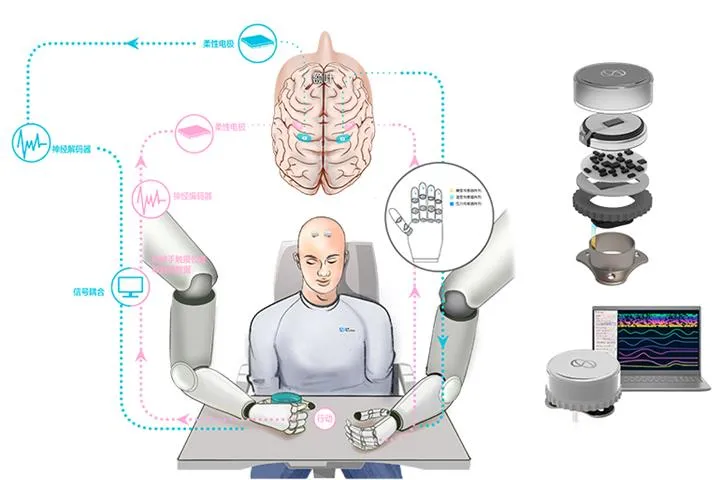
Merge Labs is a brain-computer interface startup focused on developing neural technologies that allow the human brain to communicate directly with machines. Unlike consumer AI tools that rely on keyboards, screens, or voice commands, BCIs aim to bypass traditional interfaces entirely.
In simple terms:
-
Your brain sends signals
-
Sensors interpret those signals
-
Software translates them into actions or data
Merge Labs’ vision reportedly centers on non-invasive or minimally invasive neural interfaces, a critical distinction that separates it from more controversial implant-heavy approaches.
Why OpenAI’s Investment Is a Big Deal
OpenAI has historically focused on software-based AI systems—large language models, generative tools, and AI safety research. Investing in a neural hardware-adjacent startup represents a major philosophical and strategic expansion.

What This Signals
-
OpenAI sees human-AI integration as inevitable
-
The future of AI may depend on bandwidth between humans and machines
-
Neural interfaces could solve limitations of current input methods
As Sam Altman has repeatedly warned, AI is advancing faster than humans can adapt. BCIs may be one way to close that gap.
Sam Altman’s Long-Standing Interest in Neurotechnology
This investment didn’t come out of nowhere.
Sam Altman has publicly discussed the idea that humans need new tools to remain relevant in a world of superintelligent AI. In multiple interviews and essays, he’s suggested that direct brain interfaces could help humans:
-
Keep pace with advanced AI systems
-
Enhance learning and memory
-
Expand cognitive capabilities
Merge Labs appears to be one of the most concrete expressions of that belief.
Brain-Computer Interfaces: A Quick Primer
What Is a BCI?
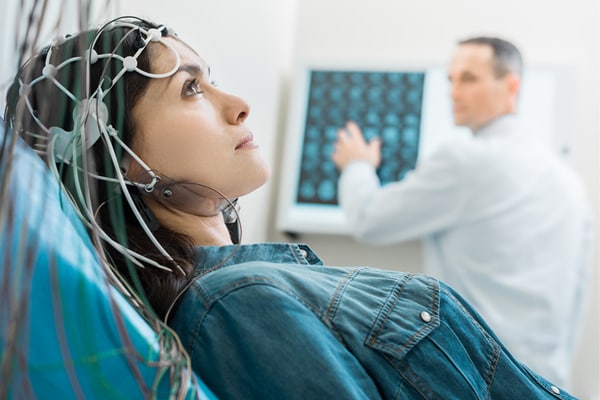
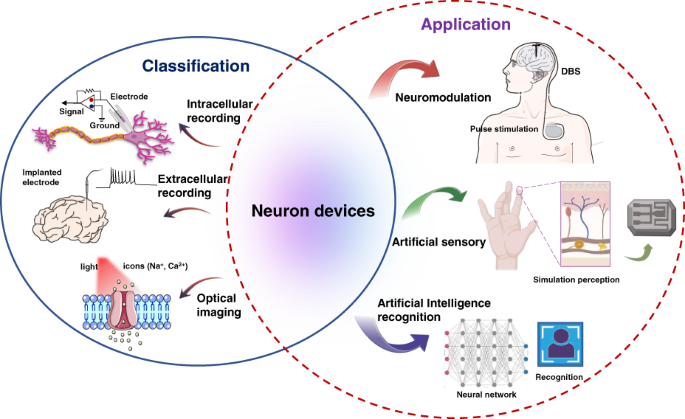
A brain-computer interface is a system that:
-
Reads neural activity
-
Decodes brain signals
-
Translates them into digital outputs
Current Applications
-
Medical rehabilitation (paralysis, stroke recovery)
-
Assistive communication tools
-
Experimental gaming and research
Merge Labs aims to push BCIs beyond medical use into everyday cognitive augmentation—carefully and ethically.
How Merge Labs Differs From Other BCI Companies
While the BCI space includes well-known players, Merge Labs appears to be carving out a distinct path.
Key Differentiators (Reported)
-
Focus on AI-native integration, not standalone hardware
-
Emphasis on scalability and safety
-
Less invasive design philosophy
-
Alignment with AI alignment and ethics research
This approach fits naturally with OpenAI’s broader mission of ensuring advanced AI benefits humanity.
Why AI and BCIs Are Converging Now
The convergence of AI and neurotechnology isn’t accidental. Several trends are colliding:
1. AI Is Outpacing Human Input
Typing and speaking are slow compared to machine processing.
2. Neural Signal Decoding Has Improved
AI models can now interpret noisy biological data with far greater accuracy.
3. Demand for Cognitive Enhancement Is Growing
From productivity to healthcare, interest in brain augmentation is rising.
Together, these forces make BCIs a logical next frontier.
Potential Use Cases of Merge Labs’ Technology

Near-Term Possibilities
-
Hands-free control of digital devices
-
Enhanced accessibility for disabled users
-
Faster human-AI collaboration in research
Long-Term Possibilities
-
Thought-based communication
-
Accelerated learning and skill acquisition
-
AI-assisted memory recall
These applications are transformative—but also ethically complex.
Ethical Questions and Concerns
Any technology that touches the human brain raises serious questions.
Key Concerns
-
Data privacy of neural signals
-
Cognitive autonomy and consent
-
Potential misuse or coercion
-
Societal inequality between enhanced and non-enhanced humans
OpenAI’s involvement suggests these issues will be taken seriously, but public scrutiny will be intense.
OpenAI’s Strategic Advantage
By investing early in Merge Labs, OpenAI gains:
-
Insight into next-generation interfaces
-
Influence over ethical development standards
-
A potential pathway for AI systems designed specifically for neural use
This could shape not just products—but the architecture of future intelligence itself.
How This Could Redefine Human-AI Interaction
Today, humans interact with AI like this:
-
Ask a question
-
Wait for a response
-
Interpret output
With BCIs, interaction could become:
-
Continuous
-
Context-aware
-
Nearly instantaneous
This would fundamentally change how humans think, work, and create.
Comparison to Other Neural Interface Efforts
While other companies pursue invasive implant strategies, Merge Labs appears more cautious.
Why That Matters
-
Lower medical risk
-
Broader adoption potential
-
Easier regulatory approval
This makes Merge Labs’ approach more compatible with consumer-scale deployment—if successful.
Investor Confidence and Market Impact
OpenAI’s investment serves as a powerful signal to:
-
Venture capital firms
-
Research institutions
-
Governments and regulators
It validates BCIs as a serious technological category, not a fringe experiment.
What Comes Next for Merge Labs?
While the company remains relatively quiet about timelines, likely next steps include:
-
Expanded research partnerships
-
Human trials under strict oversight
-
Integration testing with AI systems
Commercial products are likely years away—but groundwork is clearly being laid.
Broader Implications for Society
If successful, brain-computer interfaces could:
-
Redefine disability and accessibility
-
Change education and workforce training
-
Alter how humans perceive identity and selfhood
This is why investments like this matter far beyond the tech world.
A Glimpse Into the Post-Interface Era


We are entering an era where the question is no longer “Can AI think?” but “How closely should it be connected to us?”
Merge Labs represents a cautious yet bold attempt to answer that question.
Final Thoughts: A Quiet but Historic Investment
OpenAI’s backing of Sam Altman’s brain-computer interface startup is not just another venture deal. It’s a philosophical statement about the future of intelligence.
Rather than fearing AI’s growth, this investment suggests a different strategy:
If machines are getting smarter, humans should get closer to them—carefully, ethically, and intentionally.
Whether Merge Labs succeeds or not, one thing is clear:
the future of AI will not stop at the screen.
And OpenAI is positioning itself at the center of that future.