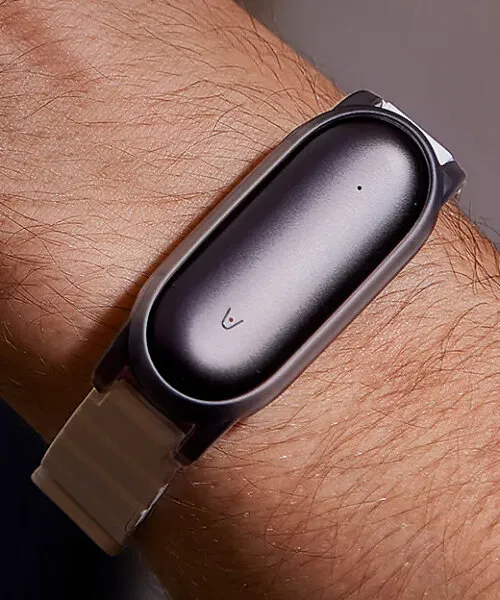
The Future of Note-Taking Just Got Smaller—and Smarter
The way we capture ideas, meetings, and conversations is undergoing a quiet revolution. This week, Plaud announced the launch of two new products: an upgraded AI Pin and a desktop meeting notetaker, both designed to remove friction from one of work’s most tedious tasks—taking notes.
Rather than relying on laptops, phones, or manual transcription, Plaud is betting on ambient, always-ready AI that listens, understands context, and delivers clean summaries when you need them. It’s a bold move in an increasingly crowded AI productivity space, and one that signals a shift toward hardware-software ecosystems built specifically for real-world workflows.
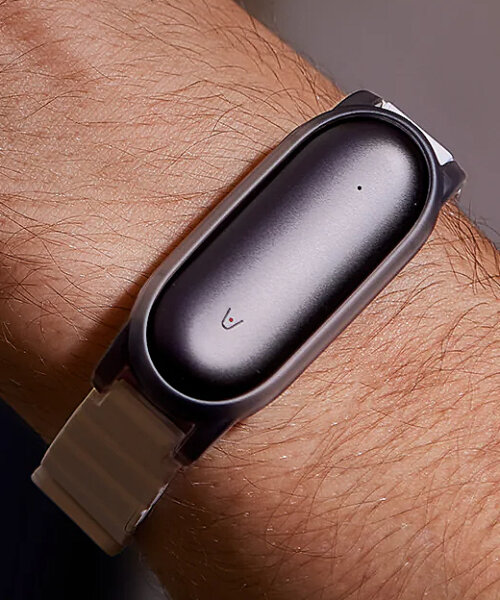
Image: Plaud AI pin and desktop meeting notetaker product shots


What Plaud Just Announced
Plaud’s announcement centers on two complementary products:
-
A new AI Pin, designed to be worn discreetly on clothing
-
A desktop meeting notetaker, intended for conference rooms, home offices, and shared workspaces
Together, they form a system that captures conversations across environments—on the go or at your desk—without requiring users to constantly hit “record” or manage files manually.
The AI Pin: Wearable, Minimal, and Context-Aware
Designed for Real Life, Not Screens
The updated AI Pin is small, lightweight, and intentionally screenless. Unlike smartphones or smartwatches, it’s designed to fade into the background while quietly doing its job.
Key characteristics include:
-
Clip-on or magnetic attachment to clothing
-
Always-on listening (with clear user-controlled activation)
-
Cloud-based AI processing for transcription and summarization
-
Seamless sync with Plaud’s desktop and mobile apps
Rather than replacing your phone, the pin acts as an extension of your memory, capturing conversations, interviews, brainstorming sessions, or spontaneous ideas as they happen.
The Desktop Meeting Notetaker: Built for Teams
A Physical Presence in the Room
Plaud’s desktop meeting notetaker is a dedicated device meant to sit in the middle of a table or on a desk. Think of it as a purpose-built AI participant in your meetings.
Its role is simple but powerful:
-
Listen to multi-person conversations
-
Identify speakers
-
Generate structured summaries, action items, and highlights
Unlike software-only solutions that rely on laptops or video calls, this device is optimized for in-person meetings, a category that has been underserved despite the return to offices.
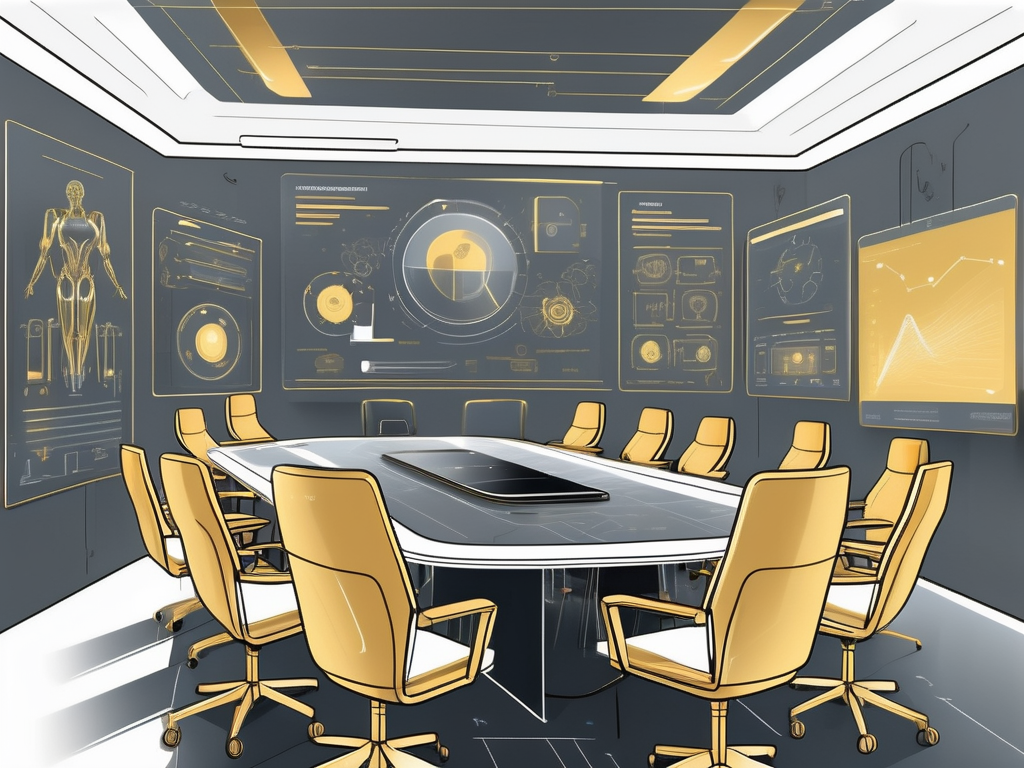
Image: AI meeting device placed in a conference room


How Plaud’s AI Actually Works
From Audio to Insight
At the core of both products is Plaud’s AI stack, which focuses on understanding context, not just transcribing words.
The system typically follows this flow:
-
Audio capture via the pin or desktop device
-
Speech-to-text transcription in near real time
-
Contextual analysis, identifying topics, decisions, and tasks
-
Structured output, including summaries, bullet points, and follow-ups
Users can then review, edit, and export notes into tools like calendars, task managers, or document platforms.
Why Hardware Matters in an AI-First World
Most AI productivity tools today are software-only—apps layered on top of existing devices. Plaud is taking a different approach by building dedicated hardware designed specifically for AI interaction.
Advantages of Dedicated AI Devices
-
Better microphones and audio positioning
-
Lower friction (no app switching or manual setup)
-
Clear privacy indicators through physical controls
-
Consistent performance across environments
This mirrors a broader industry trend: as AI becomes more ambient, form factor matters just as much as algorithms.
Privacy and Trust: The Big Question
Any device that listens raises immediate privacy concerns—and Plaud is addressing them head-on.
According to the company, key safeguards include:
-
User-controlled activation (no always-on recording without consent)
-
Visual or physical indicators when recording is active
-
Encrypted data storage and transmission
-
Options to delete recordings permanently
In workplaces especially, trust will be a deciding factor in whether tools like this gain widespread adoption.
Real-World Use Cases
Who Is This For?
Plaud’s products are aimed at professionals who spend a significant portion of their day in conversations.
Common scenarios include:
-
Executives juggling back-to-back meetings
-
Journalists conducting interviews in the field
-
Consultants capturing client discussions
-
Remote workers summarizing hybrid meetings
-
Students and researchers recording lectures or discussions
Instead of writing notes during a meeting, users can stay present—and review clean summaries afterward.
A Day in the Life With Plaud
Imagine this workflow:
-
You clip the AI Pin onto your jacket before heading to work
-
It captures a hallway conversation with a colleague about a new project
-
Later, in a conference room, the desktop notetaker records your team meeting
-
By the end of the day, you receive structured summaries with action items and deadlines
No typing. No scrambling for notes. Just retrievable context when you need it.
How Plaud Stands Out in a Crowded Market
AI note-taking isn’t new. Software tools already offer transcription and summaries. What sets Plaud apart is its hardware-first philosophy.
Key Differentiators
-
Wearable and desktop devices instead of apps only
-
Focus on in-person conversations, not just video calls
-
Minimalist design that reduces cognitive load
-
Integrated ecosystem rather than standalone features
This positions Plaud closer to the future vision of ambient computing, where technology adapts to humans—not the other way around.
Challenges Ahead
Despite the promise, Plaud faces real hurdles:
-
Convincing users to adopt new hardware
-
Competing with free or built-in AI features from big platforms
-
Navigating workplace privacy policies
-
Scaling manufacturing and support
Success will depend on whether users see enough value to justify another device in their daily lives.
The Bigger Picture: AI Moves Off the Screen
Plaud’s launch reflects a broader shift in AI development. Instead of chat windows and dashboards, the next wave of AI is physical, contextual, and invisible.
We’re moving toward tools that:
-
Listen instead of wait for prompts
-
Summarize instead of overwhelm
-
Support humans rather than distract them
In that sense, Plaud isn’t just launching products—it’s testing a new way of interacting with AI at work.
Image: Wearable AI pin clipped to clothing in everyday setting


Final Thoughts: A Small Device With Big Implications
Plaud’s new AI Pin and desktop meeting notetaker may look simple, but they represent a significant idea: AI should work quietly in the background, not demand attention.
If Plaud can balance privacy, usability, and real-world value, its devices could become as common in offices as notebooks once were—only far smarter.
As 2026 unfolds, one thing is clear: the future of productivity isn’t just about better software. It’s about rethinking how—and where—AI shows up in our lives.