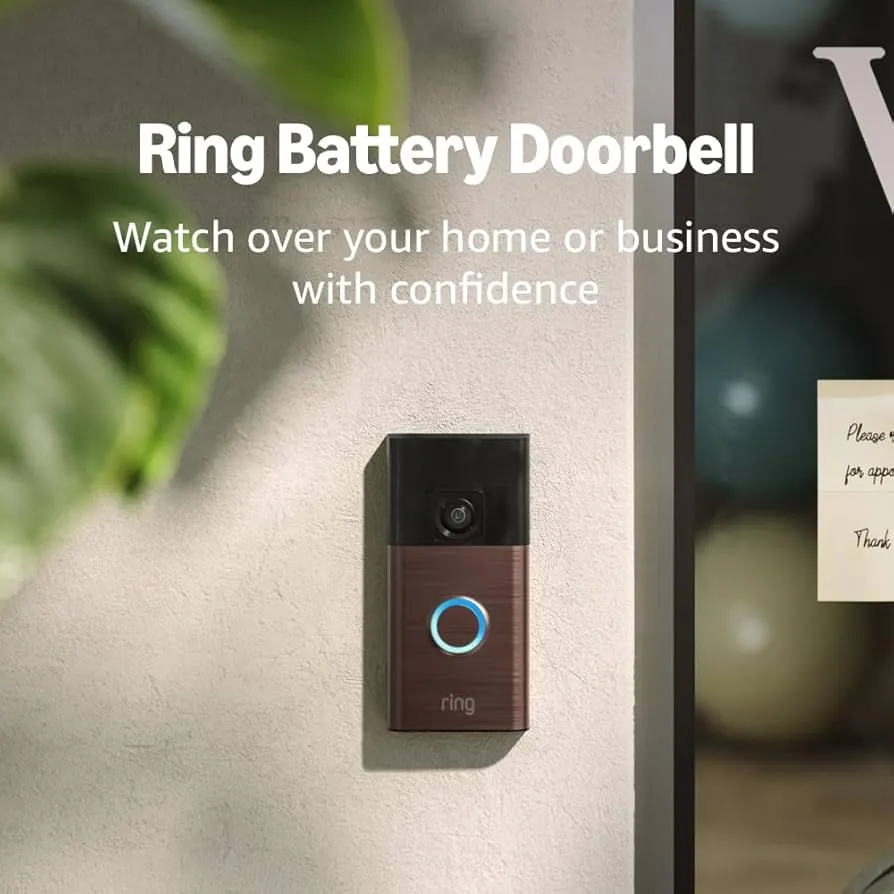
The smart home revolution is entering a new phase—and according to the founder of Ring, it’s no longer just about who’s at the door.
In a new vision for the future of home security, Ring’s leadership says cameras are evolving into intelligent assistants that don’t just record events, but actively understand, predict, and help homeowners respond to them. This shift represents a major leap from passive surveillance to proactive protection, powered by artificial intelligence.
As AI becomes deeply embedded into everyday technology, Ring’s next chapter signals a broader transformation across the entire smart home ecosystem.
From Doorbell Cameras to Intelligent Guardians
When Ring first launched, its value proposition was simple: give homeowners visibility at their front door. But according to its founder, that model is rapidly becoming outdated.
Today’s users expect more than motion alerts. They want systems that:
-
Understand context
-
Reduce false alarms
-
Offer meaningful insights
-
Act as a digital extension of the homeowner
This evolution is what Ring describes as its “intelligent assistant era.”
What Does an Intelligent Security Assistant Actually Mean?
Rather than acting like a passive camera, Ring’s future systems are designed to behave more like a helpful assistant—one that learns patterns and adapts over time.
Key Capabilities Include:
-
Differentiating between people, pets, vehicles, and packages
-
Understanding routine vs. unusual activity
-
Prioritizing alerts based on urgency
-
Offering actionable recommendations, not just notifications
For example, instead of sending dozens of motion alerts per day, an AI-powered system might only notify you when something genuinely unusual happens.
Reducing Alert Fatigue with Smarter AI



One of the biggest complaints about smart security devices is alert overload. Ring’s founder acknowledges this as a critical problem AI is uniquely positioned to solve.
By learning household routines—such as when family members leave for work or when deliveries typically arrive—AI can filter out noise and surface what truly matters.
This shift transforms the experience from reactive monitoring to intelligent awareness.
AI That Learns Your Home, Not Just Watches It
Unlike traditional security systems that apply generic rules, Ring’s next-generation AI is designed to learn your home.
Over time, the system can recognize:
-
Familiar faces
-
Common delivery times
-
Typical movement patterns
-
Neighborhood-specific behavior
This personalization allows the assistant to make smarter decisions, reducing false positives while increasing confidence in real alerts.
Privacy and Trust in the AI Era
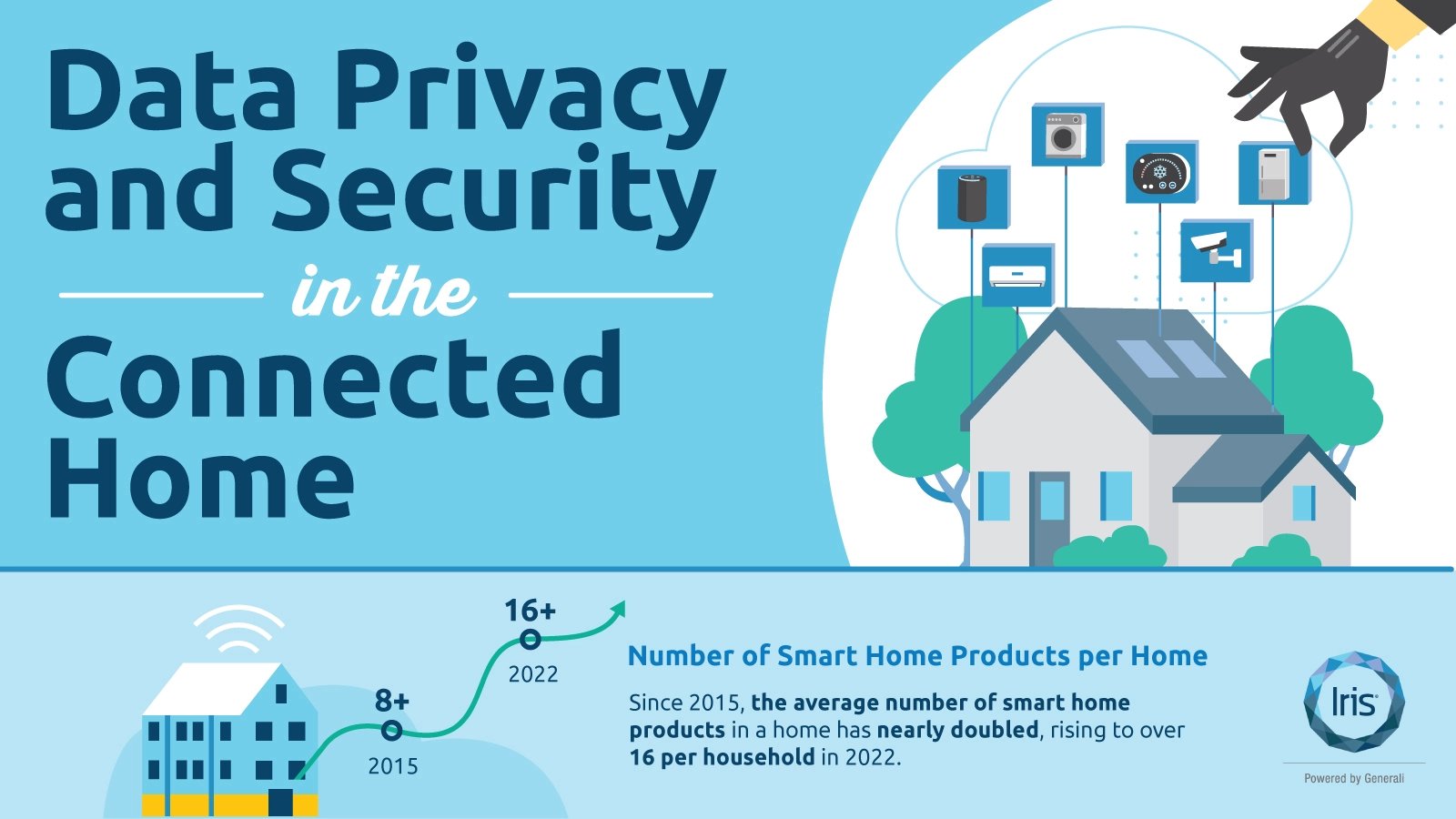


With greater intelligence comes greater responsibility—and Ring is acutely aware of the privacy concerns surrounding AI-powered cameras.
The company emphasizes:
-
User control over data
-
Transparent AI behavior
-
Clear opt-in features
-
Strong encryption and security safeguards
According to Ring’s leadership, trust is foundational. Without it, even the most advanced AI will fail to gain widespread adoption.
Why Ring Sees AI as an Assistant, Not an Authority
A critical distinction in Ring’s strategy is that AI is meant to support, not replace, human decision-making.
The intelligent assistant:
-
Suggests actions
-
Provides context
-
Highlights important events
But final decisions—calling authorities, engaging neighbors, or reviewing footage—remain firmly in human hands.
This approach mirrors broader trends in AI adoption across industries, emphasizing collaboration over automation.
Smarter Cameras, Better Neighborhoods

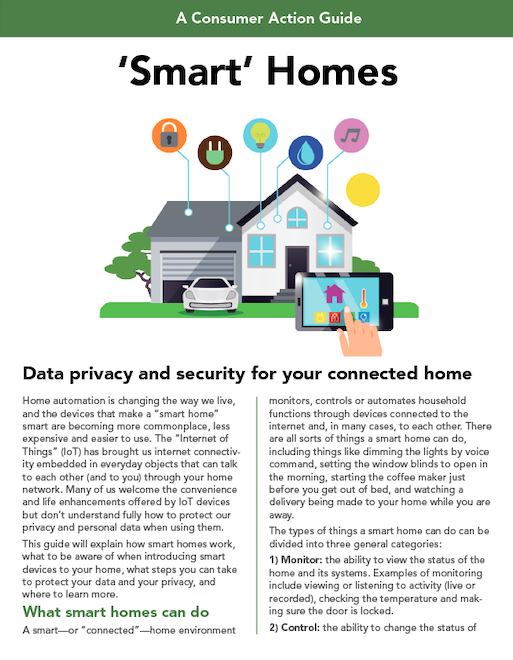

Ring’s vision extends beyond individual homes. With proper safeguards, intelligent assistants could help improve neighborhood-level safety by identifying trends and shared risks—without exposing personal data.
Potential benefits include:
-
Faster response to suspicious activity
-
Better coordination between neighbors
-
Improved emergency awareness
Ring argues that when used responsibly, AI can strengthen communities rather than isolate households.
The Role of Generative AI in Home Security
Generative AI opens the door to more natural interactions with security systems.
In the future, homeowners may be able to:
-
Ask their camera questions in plain English
-
Request summaries of activity
-
Receive explanations instead of raw footage
For example: “Did anything unusual happen while I was away today?”
Instead of scrolling through video clips, the assistant could provide a concise, intelligent response.
Balancing Innovation with Regulation
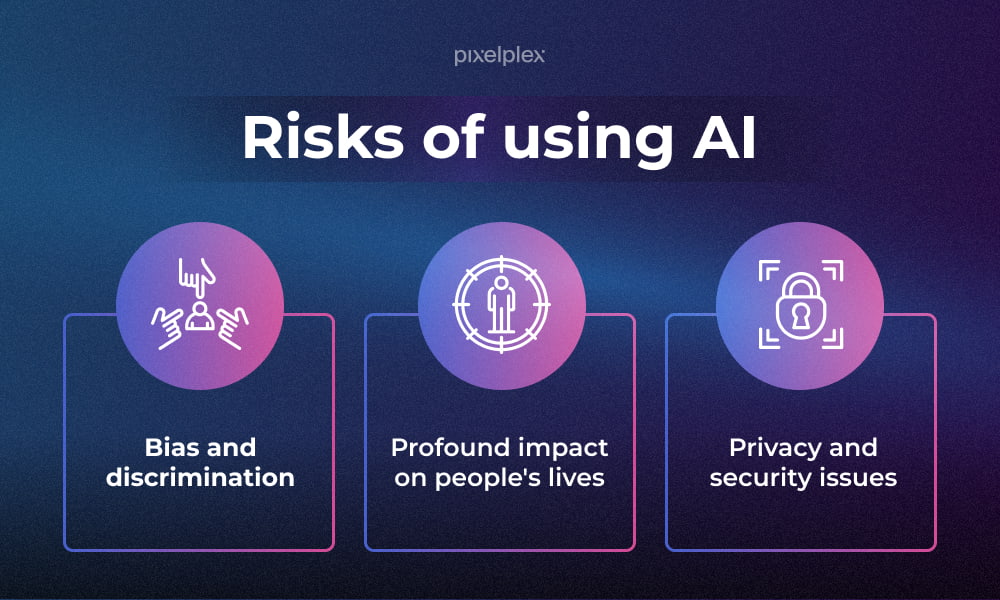
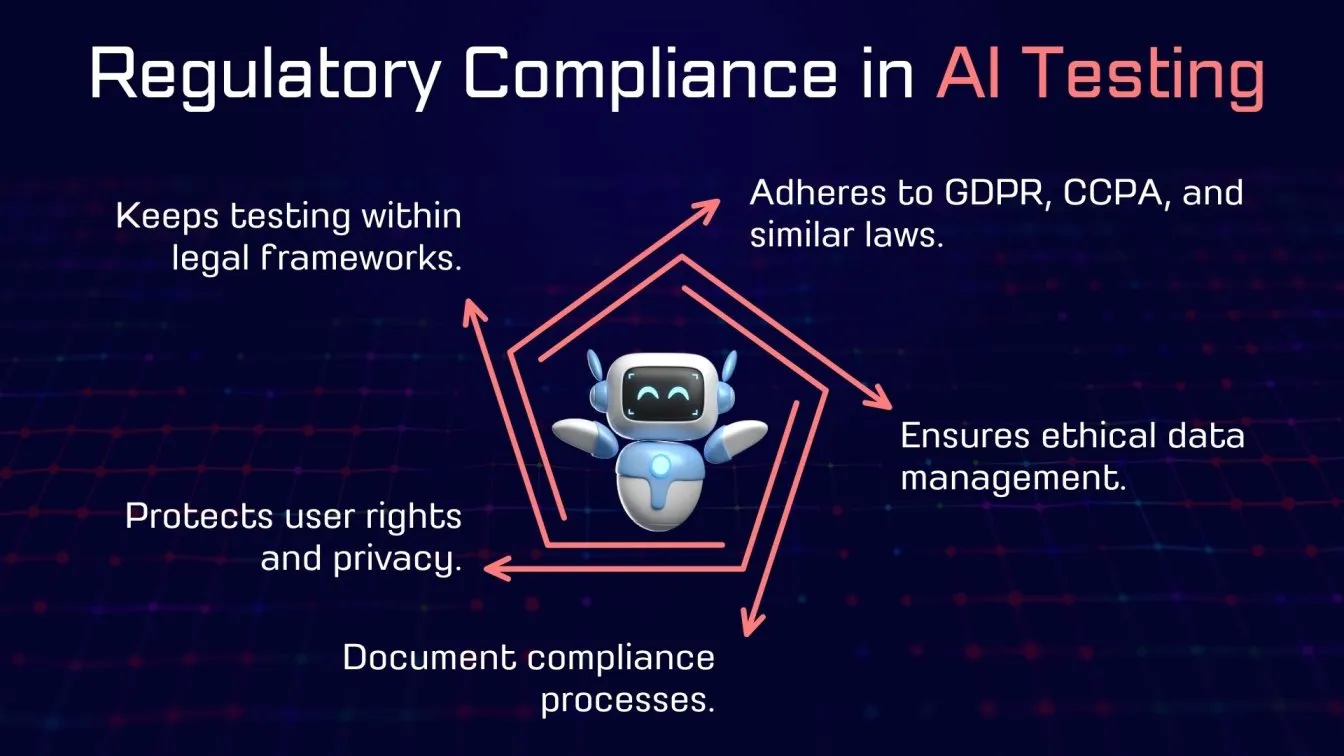

As AI capabilities expand, regulation becomes unavoidable. Ring acknowledges that smart security sits at the intersection of technology, privacy, and public trust.
Key challenges include:
-
Data ownership
-
Facial recognition boundaries
-
Law enforcement access
-
Ethical AI deployment
Ring’s leadership suggests proactive collaboration with regulators is essential to ensure innovation does not outpace accountability.
Why Cameras Alone Are No Longer Enough
The founder argues that hardware differentiation has limits. Nearly every camera today offers HD video, night vision, and motion detection.
What sets the next generation apart is intelligence:
-
Understanding intent
-
Reducing friction
-
Enhancing peace of mind
In this sense, Ring is shifting from being a camera company to becoming an AI-driven security platform.
How This Fits into the Broader Smart Home Ecosystem
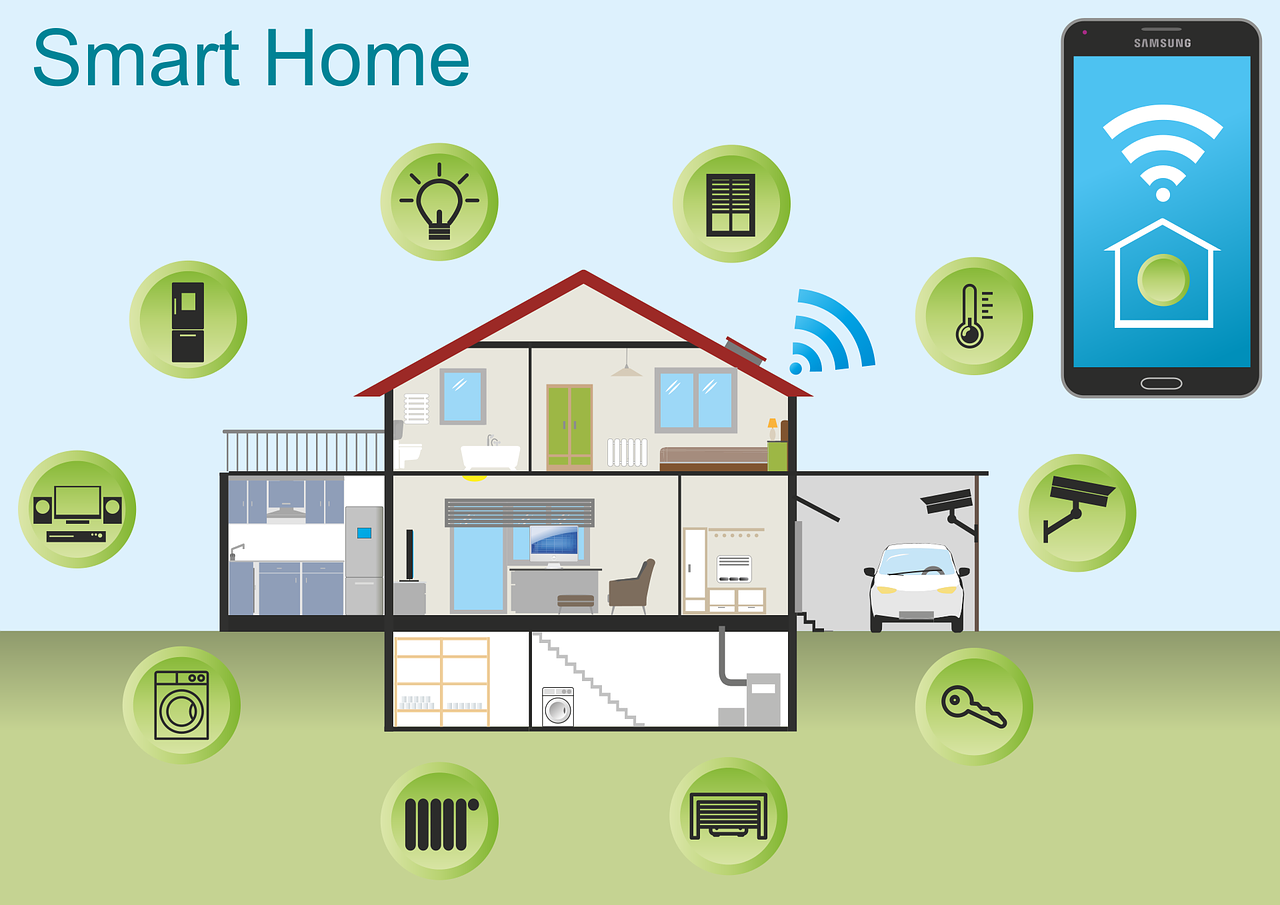
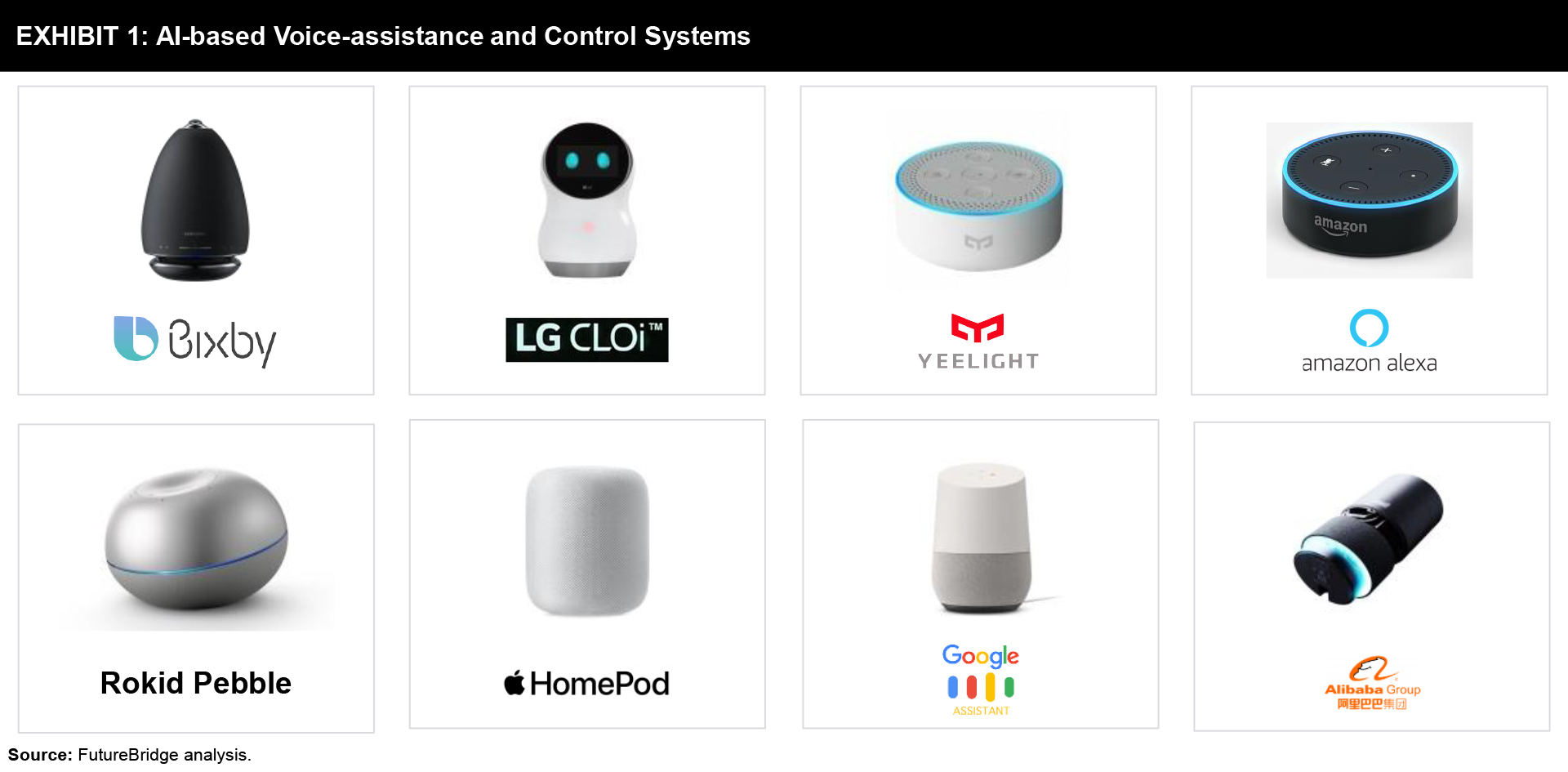

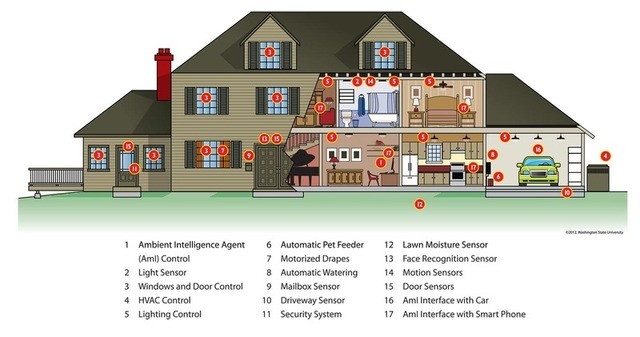
Ring’s intelligent assistant vision aligns closely with the broader smart home movement.
In the long run, security systems could:
-
Communicate with smart lighting
-
Coordinate with alarms and locks
-
Integrate with voice assistants
-
Adjust based on user presence
This holistic approach transforms security from a standalone product into a seamless home experience.
Challenges Ahead: AI Accuracy and Bias
Despite optimism, Ring acknowledges that AI systems are not perfect.
Key challenges include:
-
Avoiding biased recognition
-
Ensuring accuracy across diverse environments
-
Preventing over-reliance on automation
Continuous training, testing, and human oversight remain critical components of responsible deployment.
The Future: Calm Technology That Works in the Background
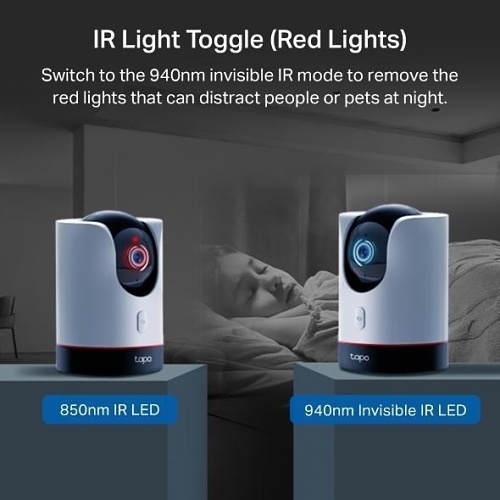
Ultimately, Ring’s founder envisions a future where home security technology fades into the background.
The best intelligent assistant:
-
Rarely interrupts
-
Only speaks when necessary
-
Makes life simpler, not noisier
This philosophy—sometimes called calm technology—aims to reduce cognitive load while increasing safety.
Final Thoughts: A New Chapter for Home Security
Ring’s intelligent assistant era reflects a broader truth about modern technology: people don’t want more devices—they want better ones.
By moving beyond cameras and embracing AI as a thoughtful, supportive assistant, Ring is betting on a future where home security is:
-
Smarter
-
Quieter
-
More personal
If executed responsibly, this shift could redefine what it truly means to feel safe at home—not through constant monitoring, but through intelligent understanding.
The doorbell may still ring—but in the future, it might also think.