Rivian CEO RJ Scaringe Says the Robotics Industry Is “Doing It All Wrong” — Here’s What He Thinks the Future Should Look Like
The robotics industry is moving at an extraordinary pace, fueled by advances in artificial intelligence, computing power, and automation. Companies around the world are racing to build the next generation of robots—from humanoid assistants to autonomous delivery machines.
But according to one of the most influential leaders in the electric vehicle industry, the robotics world might be focusing on the wrong priorities.
RJ Scaringe, the founder and CEO of Rivian, believes that the way many companies approach robotics development misses a crucial point. Instead of building machines that truly solve real-world problems, he argues, much of the industry is chasing flashy demonstrations that look impressive but offer limited practical value.
His perspective is sparking new conversations about what the future of robotics should actually look like.
A Different Perspective From an EV Pioneer
RJ Scaringe is best known for leading Rivian, an electric vehicle company focused on building adventure-ready trucks and SUVs.
Under his leadership, the company has become one of the most closely watched players in the EV market.
While Rivian’s main focus remains electric vehicles, Scaringe has long been interested in automation and robotics.
He believes the lessons learned from building complex electric vehicles can apply directly to robotics development.
Both industries involve integrating advanced hardware, software, sensors, and artificial intelligence into systems that must operate safely in unpredictable real-world environments.
Why Scaringe Thinks Robotics Is Being Misguided
Scaringe’s critique centers on what he sees as a disconnect between robotics research and practical application.
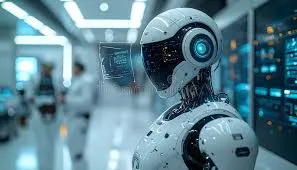
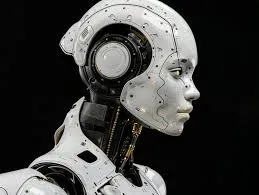
Many robotics companies today are investing heavily in humanoid robots designed to mimic human movement.
These robots can walk, balance, and manipulate objects—skills that are technologically impressive.
However, Scaringe questions whether building robots that resemble humans is the best path forward.
He suggests that trying to replicate the human body introduces unnecessary complexity.
Instead, robotics engineers should focus on designing machines specifically optimized for the tasks they need to perform.
The Problem With Humanoid Robots
Humanoid robots have captured public imagination for decades.
They appear frequently in science fiction films and futuristic demonstrations.
Companies around the world are currently developing human-like robots capable of walking, lifting objects, and interacting with people.
Yet Scaringe believes this approach may be inefficient.
Human bodies evolved through millions of years of biological adaptation.
Trying to recreate that design mechanically is extraordinarily difficult.
Robots built specifically for particular tasks—such as moving packages, cleaning floors, or assembling products—may be far simpler and more effective.
A Lesson From the Automotive Industry
The automotive world offers an interesting comparison.
When engineers design vehicles, they do not try to mimic animals or human movement.
Instead, they create machines optimized for transportation.
Cars have wheels, aerodynamic shapes, and carefully engineered systems that maximize efficiency.
Scaringe believes robotics should follow a similar philosophy.
Instead of trying to build robots that look human, developers should focus on what machines can do best.
This means designing robots around their purpose, not their appearance.
Where Robotics Is Already Thriving
While humanoid robots attract headlines, many successful robotics applications already exist.
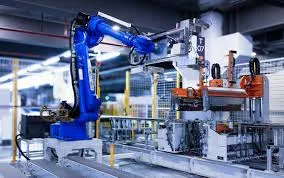
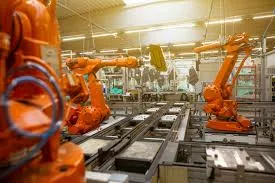
Industrial automation has transformed manufacturing over the past several decades.
Robots perform tasks such as:
-
welding automotive parts
-
assembling electronics
-
packaging products
-
moving heavy materials
These robots rarely resemble humans.
Instead, they are specialized machines designed to perform specific actions with precision and speed.
According to Scaringe, this practical approach should guide the next generation of robotics innovation.
The Role of Artificial Intelligence in Robotics
One of the biggest breakthroughs enabling modern robotics is artificial intelligence.
AI allows robots to process data from sensors, cameras, and environmental inputs.
This capability enables machines to make decisions and adapt to changing conditions.
In recent years, advances in machine learning have dramatically improved robotic perception and navigation.
For example, robots can now:
-
recognize objects in complex environments
-
map unfamiliar spaces
-
avoid obstacles in real time
These improvements are making robots more useful in everyday situations.
Robotics and the Future of Logistics
One area where robotics is rapidly expanding is logistics.
Warehouses and distribution centers are increasingly relying on automated systems to move goods efficiently.
Autonomous robots can transport packages across massive facilities with remarkable speed.
These machines reduce human labor requirements while improving accuracy and efficiency.
Scaringe believes logistics automation demonstrates the power of practical robotics design.
Instead of trying to replicate human workers exactly, these robots perform specialized tasks extremely well.
How Rivian’s Technology Could Influence Robotics
Although Rivian is primarily focused on electric vehicles, the technologies used in EV development have surprising parallels with robotics.
Modern electric vehicles rely heavily on:
-
advanced sensors
-
real-time software systems
-
complex battery management
-
autonomous driving technologies
These components are similar to those required for mobile robots.
In fact, autonomous vehicles themselves can be considered a form of robotics.
Both involve machines navigating real-world environments while responding to unpredictable conditions.
The Challenge of Building Real-World Robots
Developing robots that work reliably outside laboratory environments is extremely difficult.
Real-world settings are unpredictable.
Lighting changes, objects move, surfaces vary, and humans behave unpredictably.
This complexity makes robotics one of the most challenging engineering fields.
Some of the biggest obstacles include:
-
reliable perception systems
-
energy-efficient power sources
-
safe interaction with humans
-
adaptable software systems
Companies must solve these challenges before robots can operate widely in homes and cities.
Why Practical Design Matters
Scaringe’s argument ultimately centers on practicality.
Rather than designing robots to impress audiences with human-like behavior, engineers should prioritize usefulness.
A robot designed specifically for one task may outperform a humanoid robot attempting to do many tasks.
Examples of practical robotics include:
-
automated delivery carts
-
warehouse sorting robots
-
agricultural harvesting machines
-
hospital service robots
These systems may not look futuristic, but they solve real problems efficiently.
The Broader Debate About Robotics
Scaringe’s comments highlight a growing debate within the technology industry.
Some researchers believe humanoid robots will eventually play important roles in society, performing household chores or assisting elderly individuals.
Others argue that such designs are unnecessarily complicated.
Instead, they advocate building specialized machines optimized for particular tasks.
Both perspectives have merit, and the future of robotics may ultimately include a combination of approaches.
What the Future of Robotics Could Look Like
If Scaringe’s philosophy gains influence, robotics development may shift toward practical solutions.
Future robots might be less humanoid and more purpose-built.
Examples could include:
-
delivery robots navigating city sidewalks
-
agricultural machines harvesting crops autonomously
-
maintenance robots inspecting infrastructure
These machines would not need to resemble humans to be effective.
Their value would come from solving real-world challenges.
A Technology Still Finding Its Direction
The robotics industry is still in its early stages.
While breakthroughs occur every year, engineers are still discovering the best ways to integrate machines into everyday life.
Debates like the one sparked by Scaringe are an important part of that process.
By questioning assumptions about robot design, industry leaders help shape the direction of future innovation.
The Vision Moving Forward
As artificial intelligence, sensors, and automation technologies continue to evolve, robotics will likely play an increasingly important role in society.
Whether those robots look human or take entirely new forms remains an open question.
But one thing is certain: the decisions engineers make today will shape how humans interact with machines for decades to come.
And according to Rivian’s CEO, the best path forward may not be copying humans—but building robots that do what machines do best.