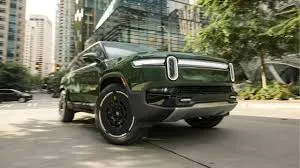
Rivian’s Bold Gamble: The EV Startup Racing Toward One of the Fastest Vehicle Launches in U.S. History
The electric vehicle race in the United States is intensifying, and Rivian is making one of the boldest bets yet.
The EV startup, once celebrated for its early success with electric trucks and SUVs, is now pushing forward with an ambitious strategy: launching its next generation of vehicles at a pace rarely seen in the American automotive industry.
If successful, Rivian could pull off one of the fastest EV rollouts in U.S. history, dramatically reshaping its future and strengthening its position in a fiercely competitive market dominated by established giants and emerging startups alike.
But with high stakes, tight timelines, and billions of dollars on the line, Rivian’s rapid launch strategy could determine whether the company thrives—or struggles—in the next phase of the electric vehicle revolution.
Rivian’s High-Stakes Moment
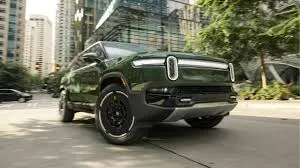
Rivian entered the EV scene with enormous excitement. Its electric pickup truck and SUV captured attention for combining off-road capability, adventure-focused branding, and cutting-edge electric technology.
However, building vehicles at scale has proven difficult for many EV startups.
The next phase of Rivian’s journey hinges on a new lineup of vehicles built on a more affordable platform, often referred to as the company’s next-generation EV architecture.
These new vehicles aim to:
-
Expand Rivian’s customer base
-
Reduce manufacturing costs
-
Compete directly with mass-market electric vehicles
But the timeline Rivian is pursuing is unusually aggressive.
Launching vehicles quickly in the automotive world is notoriously complex, requiring years of engineering, supply chain coordination, and regulatory approval.
Rivian’s leadership believes that speed is essential to survival.
Why the Next Rivian Models Matter So Much
The company’s future depends heavily on its upcoming lineup of vehicles.
Rivian’s early models were premium electric vehicles, appealing to a niche audience willing to pay high prices. While successful from a branding perspective, they were not designed to compete in the broader EV market.
The new generation aims to change that.
The upcoming vehicles are expected to:
-
Cost significantly less than Rivian’s current models
-
Target mainstream consumers
-
Increase production volume dramatically
This shift could open the door for Rivian to compete more directly with major EV players such as Tesla, Ford, and other emerging automakers.
However, achieving this goal requires launching new vehicles quickly and efficiently.
The Challenge of Speed in the Automotive Industry
Launching a new vehicle is one of the most complicated engineering and manufacturing processes in the world.
Traditional automakers typically spend four to five years developing a new model.
This process includes:
-
Design and engineering
-
Prototype testing
-
Safety validation
-
Supply chain coordination
-
Factory preparation
-
Regulatory approval
Trying to accelerate this timeline dramatically introduces risk.
Common problems include:
-
Supply chain disruptions
-
Manufacturing bottlenecks
-
Quality control issues
-
Software integration challenges
For Rivian, launching quickly while maintaining quality will be critical.
If the company can pull it off, it could gain a significant advantage in the rapidly evolving EV market.
Rivian’s Strategy: Move Fast, Scale Faster
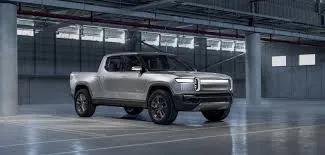
To achieve its ambitious goals, Rivian is focusing on simplifying vehicle architecture and streamlining production.
Some of the strategies reportedly include:
Modular Vehicle Platforms
The new platform is designed to support multiple vehicle types using shared components.
This reduces development time and manufacturing complexity.
Cost-Efficient Manufacturing
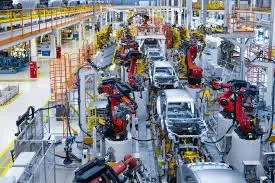
Rivian is redesigning its production process to lower costs and speed up assembly.
This may include:
-
Fewer parts
-
Simplified wiring systems
-
More automated production lines
Strategic Supply Chain Partnerships
Supply chain reliability has been one of the biggest obstacles for EV startups.
Rivian is working closely with suppliers to secure components like:
-
Battery cells
-
Semiconductor chips
-
Electric drivetrain parts
These changes are intended to help Rivian scale production rapidly while keeping costs under control.
Why the EV Market Is Getting Tougher
Rivian’s race to launch new vehicles comes at a time when the electric vehicle market is entering a more competitive phase.
In the early years of EV adoption, demand significantly outpaced supply.
Today, the landscape is changing.
Major automakers are investing billions of dollars into electric vehicles, and consumers now have more choices than ever.
Some of the key competitors include:
-
Tesla
-
Ford
-
General Motors
-
Hyundai
-
Volkswagen
-
New EV startups
This crowded market means Rivian must differentiate itself not only through innovation but also through speed and execution.
Rivian’s Brand Advantage
Despite the challenges, Rivian has several important advantages.
A Strong Brand Identity
Rivian has positioned itself as an adventure-focused EV brand, appealing to outdoor enthusiasts and environmentally conscious consumers.
Its vehicles emphasize:
-
Off-road capability
-
Sustainability
-
Premium design
-
Technology integration
This identity sets Rivian apart from traditional automakers entering the EV market.
Loyal Early Customers
Many early Rivian owners are passionate supporters of the brand.
Positive reviews of its electric trucks and SUVs have helped build credibility for future models.
Strategic Partnerships
Rivian has secured partnerships with major companies and investors, providing financial backing and business opportunities.
These relationships can play a crucial role in scaling production and expanding the company’s reach.

The Financial Pressure Behind the Push
Speeding up vehicle launches is not just about market opportunity—it’s also about financial survival.
Developing electric vehicles is extremely expensive.
EV companies must invest billions of dollars into:
-
Battery technology
-
Manufacturing facilities
-
Software development
-
Charging infrastructure
Rivian has already spent heavily building its production capabilities.
Launching the next generation of vehicles quickly could help the company:
-
Increase revenue
-
Improve economies of scale
-
Reduce manufacturing costs per vehicle
In other words, the faster Rivian can reach mass production, the better its chances of long-term financial stability.
Potential Risks of a Rapid Launch
While the strategy is ambitious, it is not without risks.
Moving too quickly could lead to serious problems.
Some potential challenges include:
Manufacturing Issues
Rapid scaling can cause unexpected production delays.
Quality Control Problems
If quality suffers, it could damage Rivian’s reputation.
Supply Chain Instability
Global shortages of components like batteries and chips could slow progress.
Market Uncertainty
Consumer demand for EVs can fluctuate based on economic conditions, government incentives, and charging infrastructure.
Managing these risks will require careful planning and execution.
The Future of Rivian and the EV Industry
The success or failure of Rivian’s rapid launch strategy could have broader implications for the EV industry.
If the company proves that new vehicles can be launched faster without sacrificing quality, it could reshape how automakers approach development timelines.
Other companies may adopt similar strategies to stay competitive.
On the other hand, if the rapid rollout encounters major obstacles, it could reinforce the traditional belief that vehicle development requires longer timelines to ensure reliability and safety.
Why Rivian’s Next Few Years Are Critical
The coming years will likely determine Rivian’s long-term position in the electric vehicle market.
Key milestones to watch include:
-
The official unveiling of the new vehicle lineup
-
Production ramp-up timelines
-
Pricing and consumer demand
-
Expansion of manufacturing capacity
If Rivian successfully launches its next generation of EVs at record speed, it could transform from a promising startup into a major force in the global automotive industry.
But if the rollout stumbles, competitors may seize the opportunity to capture the market Rivian hopes to dominate.
A Defining Gamble in the EV Revolution
The electric vehicle revolution is moving faster than anyone predicted just a decade ago.
Rivian’s strategy represents one of the boldest moves in this transformation.
By attempting one of the fastest EV launches in U.S. automotive history, the company is betting that speed, innovation, and execution can overcome the enormous challenges of building cars at scale.
Whether that gamble pays off will shape not only Rivian’s future—but potentially the trajectory of the entire EV industry.