Samsung Backs Island Startup to Reinvent Power Grids With Smart Software and Batteries
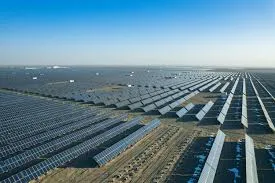
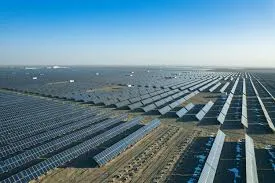
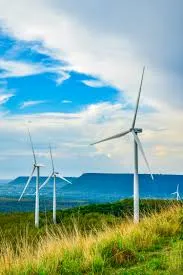
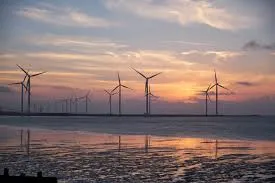
The global transition to renewable energy is accelerating faster than ever. Solar panels and wind turbines are now appearing everywhere—from rooftops in cities to massive wind farms across rural landscapes.
But as the world moves toward cleaner power sources, a major challenge is becoming impossible to ignore.
Renewable energy doesn’t always produce electricity when people need it.
Cloudy skies can reduce solar output, and calm weather can slow wind turbines. These fluctuations can destabilize power grids that were originally designed for predictable fossil-fuel generation.
Now a small startup from an island energy market believes it has a solution—and Samsung is betting on it.
The tech giant has backed a company developing software and battery systems designed to stabilize electricity networks in a renewable-powered world. If the technology succeeds, it could help transform how power grids operate globally.
The Hidden Challenge of Renewable Energy
Renewable energy sources offer enormous benefits.
They reduce carbon emissions, lower dependence on fossil fuels, and support long-term energy sustainability.
However, they also introduce unpredictability.
Unlike coal or gas power plants, renewable generators depend heavily on environmental conditions.
For example:
-
Solar panels generate electricity only during daylight
-
Wind turbines require sufficient wind speeds
-
Weather patterns can dramatically change output
This variability creates challenges for grid operators who must maintain a constant balance between electricity supply and demand.
Even small mismatches can cause voltage instability or power outages.
Why Grid Stability Matters
Modern society relies on stable electricity networks.
Hospitals, transportation systems, financial markets, and communication infrastructure all depend on uninterrupted power.
When grids become unstable, the consequences can be severe.
Potential impacts include:
-
regional blackouts
-
equipment damage
-
disrupted economic activity
-
safety risks for critical infrastructure
As renewable energy becomes a larger portion of electricity supply, maintaining stability becomes more complex.
This is where advanced grid management technologies come into play.
The Startup Samsung Is Betting On
Samsung’s investment focuses on a startup developing a new approach to grid management.
Instead of relying solely on physical infrastructure upgrades, the company combines software intelligence with battery storage systems.
The platform continuously analyzes electricity supply and demand across the grid.
Using real-time data, the software automatically decides when batteries should:
-
store excess renewable energy
-
release stored electricity
-
stabilize voltage fluctuations
-
respond to sudden demand spikes
This approach essentially turns battery systems into dynamic grid stabilizers.
Why Island Energy Systems Are Ideal Testing Grounds
The startup’s technology was originally developed in an island environment.
Island power systems face unique challenges.
Because they are geographically isolated, they often cannot rely on neighboring regions for backup electricity during shortages.
As a result, island grids must manage fluctuations internally.
This creates a strong incentive to innovate.
Many islands are also early adopters of renewable energy because imported fossil fuels can be extremely expensive.
These conditions make island markets ideal laboratories for developing advanced energy technologies.
The Role of Smart Grid Software
Traditional power grids were built decades ago.
They were designed around centralized power plants that generated electricity at predictable levels.
Modern grids must operate very differently.
Smart grid systems use advanced software platforms to analyze massive streams of energy data.
These platforms monitor:
-
electricity demand patterns
-
renewable energy production
-
battery storage capacity
-
grid frequency and voltage stability
Using predictive algorithms, the system can adjust energy flows across the network in real time.
This makes the grid far more flexible.
Batteries: The Backbone of Renewable Grid Stability
Energy storage is becoming one of the most important technologies in the clean energy transition.
Large battery installations can store surplus electricity generated during peak production periods.
For example, solar farms often produce the most energy during midday when demand may be lower.
Batteries capture this excess power and release it later when demand rises in the evening.
This ability transforms renewable energy into a more reliable power source.
Why Samsung Is Investing in Energy Technology
Samsung is best known for consumer electronics such as smartphones, televisions, and semiconductors.
But the company also has a growing interest in energy technologies.
Samsung produces advanced batteries used in electric vehicles and energy storage systems.
Investing in grid management startups allows the company to expand its influence in the clean energy ecosystem.
As renewable energy adoption accelerates globally, the demand for energy storage and smart grid solutions will grow dramatically.
Samsung’s investment positions it within this rapidly expanding market.
The Rise of Climate Tech Investments
Climate technology has become one of the fastest-growing sectors for venture capital.
Investors are increasingly funding startups developing solutions for:
-
renewable energy generation
-
carbon capture technologies
-
energy storage systems
-
grid modernization
The energy sector is undergoing one of the largest transformations in modern history.
Technologies that help manage renewable energy variability are especially valuable.
Smart grid software platforms are emerging as a critical part of that transition.
How Intelligent Grid Platforms Work
At the core of the startup’s technology is a sophisticated digital platform.
The software processes real-time data from sensors and grid infrastructure.
Using machine learning algorithms, it predicts energy supply and demand patterns.
For example, the system can anticipate:
-
sudden drops in solar production due to cloud cover
-
spikes in electricity consumption during peak hours
-
excess renewable generation during windy periods
Based on these predictions, the system automatically manages battery storage to maintain grid stability.
Benefits for Utilities and Grid Operators
Utilities operating renewable-heavy grids face growing operational complexity.
Smart grid platforms offer several advantages.
Key benefits include:
-
improved reliability during renewable fluctuations
-
reduced reliance on fossil-fuel backup plants
-
lower operational costs
-
better integration of distributed energy resources
These improvements can help utilities accelerate the shift toward cleaner electricity systems.
A Global Opportunity
Although the startup’s technology emerged in a smaller island market, its potential applications are enormous.
Countries worldwide are rapidly expanding renewable energy capacity.
Large-scale solar and wind installations are becoming central components of national energy strategies.
However, managing these systems efficiently requires smarter infrastructure.
Software-driven grid management platforms could help utilities worldwide handle this complexity.
Challenges Ahead
Despite its promise, grid modernization is not simple.
Utilities must overcome several challenges before adopting new technologies.
These include:
-
regulatory approvals
-
infrastructure compatibility
-
cybersecurity risks
-
long deployment timelines
Energy infrastructure upgrades often take years to implement.
Nevertheless, the urgency of climate goals is accelerating innovation in this space.
The Future of Energy Infrastructure
Experts believe the electricity grid of the future will look dramatically different from today’s systems.
Instead of centralized power plants dominating supply, the future grid will include millions of distributed energy resources.
These may include:
-
rooftop solar installations
-
home battery systems
-
electric vehicles
-
community microgrids
Coordinating such a complex network will require intelligent software capable of managing energy flows in real time.
Samsung’s Strategic Bet
Samsung’s backing of this startup highlights how technology companies are increasingly investing in energy innovation.
Clean energy is no longer just an environmental issue—it is a massive technological opportunity.
Companies that develop effective solutions for renewable grid management could play a major role in shaping the future of global energy systems.
By supporting startups working on smart grid technologies, Samsung is positioning itself at the intersection of electronics, batteries, and energy infrastructure.
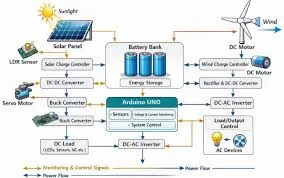
A Smarter Grid for a Renewable World
As renewable energy becomes the dominant source of electricity, power grids must evolve to keep pace.
Battery storage and intelligent software may hold the key to solving one of the biggest challenges of the clean energy transition.
The startup backed by Samsung believes its technology can do exactly that.
If successful, it could help utilities around the world build grids that are not only cleaner—but smarter, more resilient, and better prepared for the renewable energy future.