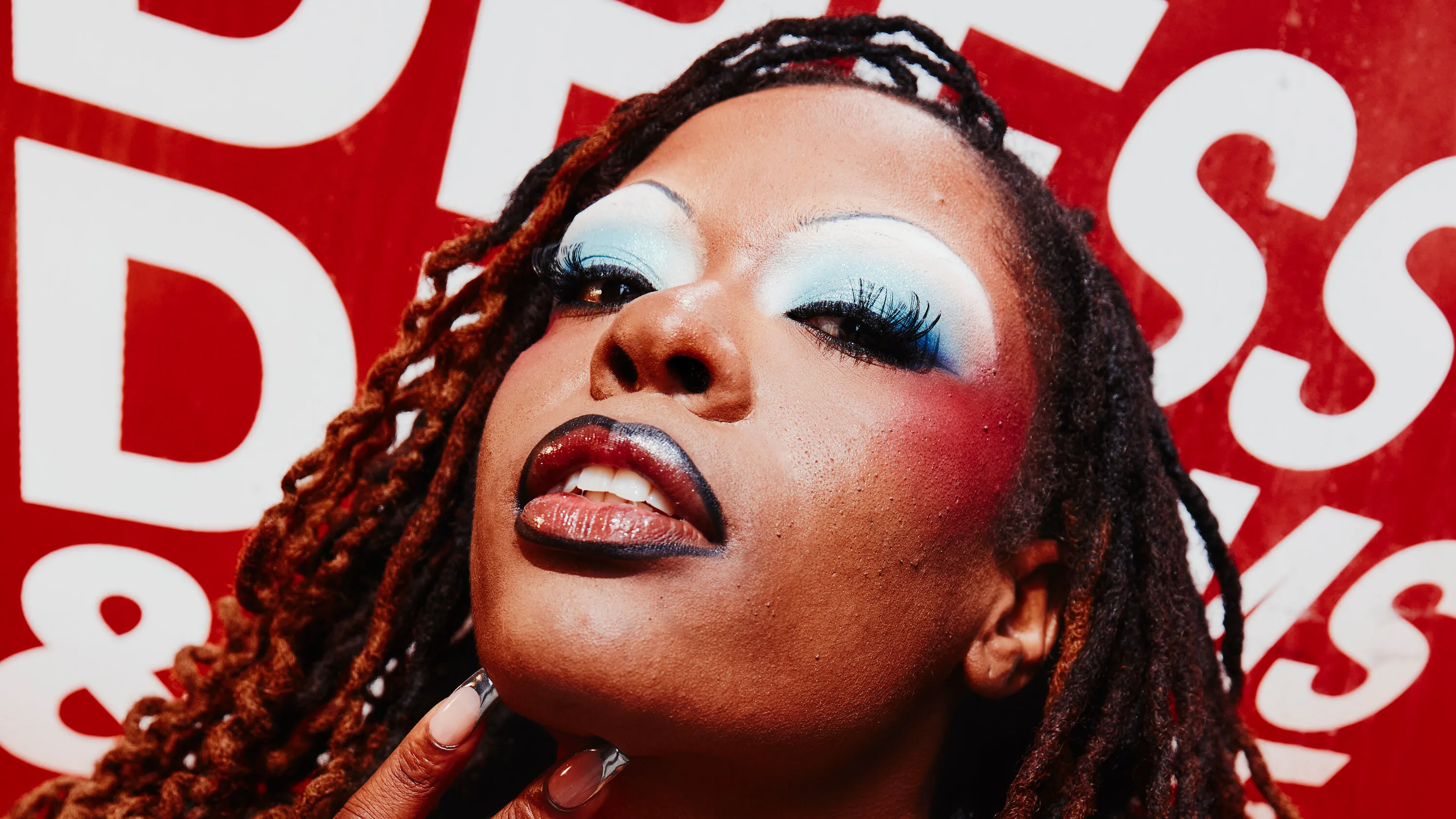
Sudan Archives has never been an artist interested in following predictable paths. From the moment she emerged with her early experimental recordings, it was clear that her relationship with sound would not be confined by genre or tradition. With The BPM, she takes one of her most daring steps yet, delivering an album that shifts her musical identity toward movement, rhythm, and physical energy without abandoning the emotional depth that has always defined her work.
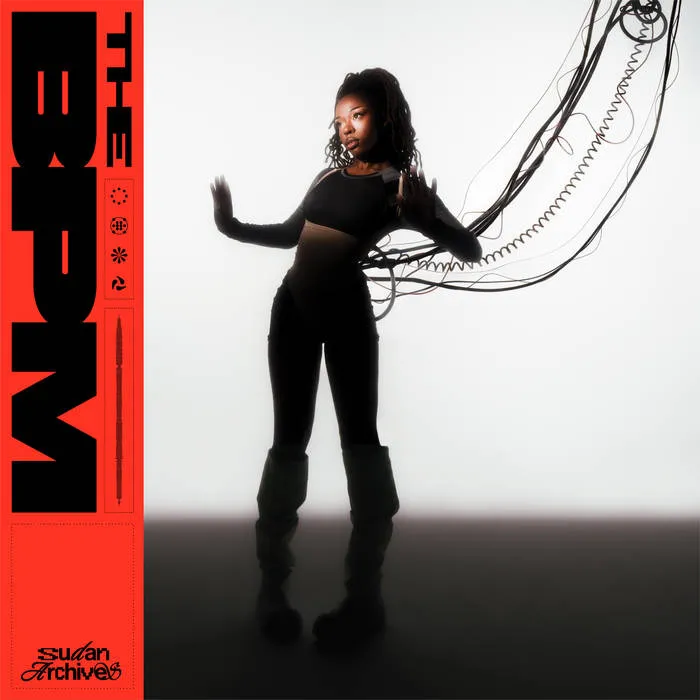
This album does not simply ask to be listened to. It asks to be felt. Built around tempo, pulse, and the instinctive need to move, The BPM reflects a creative turning point where classical training, electronic innovation, and dance culture intersect.
The Evolution of Sudan Archives
Born Brittney Parks, Sudan Archives grew up learning the violin outside of formal academic systems. She taught herself by ear, experimenting with melodies and textures rather than adhering strictly to classical rules. This unconventional foundation became the backbone of her artistic identity. Instead of separating classical instrumentation from contemporary music, she treated the violin as a living, flexible tool capable of adapting to any sound environment.
Her earlier releases explored ambient tones, lo fi textures, and experimental pop structures. These projects introduced listeners to an artist who valued atmosphere as much as melody and who used her instrument to express vulnerability and curiosity. Over time, rhythm began to take a more prominent role in her work, hinting at a future where movement would be just as important as mood.
The BPM represents the culmination of that evolution. It is the moment where rhythm takes the lead and where Parks embraces dance music not as a trend but as a language.
The Concept Behind The BPM
At its core, The BPM is an exploration of tempo as identity. The album revolves around beats per minute not just as a technical measurement but as an emotional driver. Every track feels intentionally paced, designed to evoke physical responses while maintaining a sense of narrative progression.
Rather than following a linear storyline, the album unfolds like a night spent moving through different spaces. Each track offers a new environment, from intimate moments that feel reflective to explosive sections built for crowded dance floors. The result is an album that feels immersive, inviting listeners into a world shaped by rhythm and motion.
This approach reflects Parks’ growing interest in how music functions socially. Dance music has long been a space for connection, release, and collective experience, and The BPM channels that energy through her distinct artistic lens.
Blending Violin With Dance Music
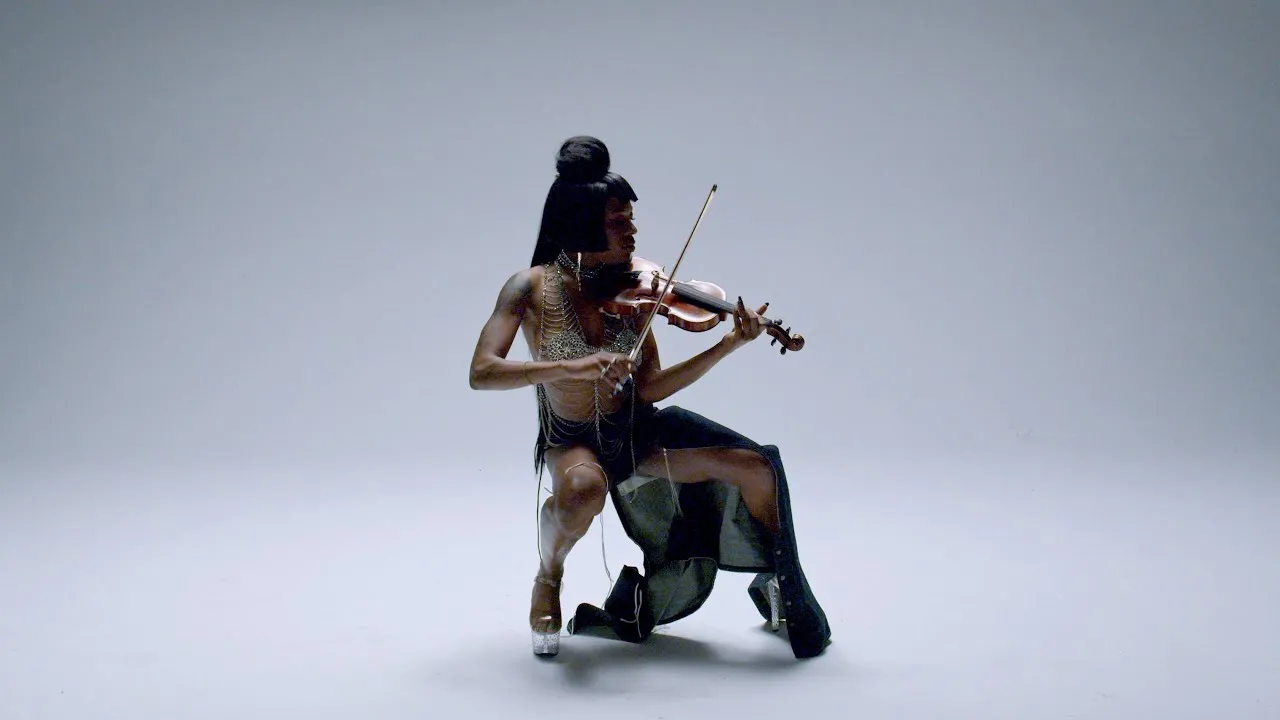
One of the most striking aspects of The BPM is how seamlessly the violin integrates into electronic production. Instead of treating the instrument as a decorative element, Parks uses it as a central voice. Sometimes it leads melodies, sometimes it echoes percussive patterns, and at other moments it dissolves into texture, blurring the line between organic sound and digital manipulation.
The violin becomes both familiar and unfamiliar. It carries emotional weight while also functioning as a rhythmic tool. This dual role reinforces the album’s theme of transformation, showing how traditional instruments can thrive within modern, beat driven contexts.
The production choices amplify this effect. Clean electronic drums, deep bass lines, and layered synths create a framework that allows the violin to move freely, adapting its role from track to track.
Sound Design and Production Choices
The production on The BPM is sharp and intentional. Each track feels carefully constructed, with attention paid to how sounds interact rather than how flashy they appear individually. Percussion is crisp, bass frequencies are controlled yet powerful, and transitions between sections feel fluid.
What sets the album apart is its willingness to experiment with structure. Some tracks shift tempo midway through, while others introduce unexpected breaks that disrupt conventional dance music patterns. These moments prevent the album from becoming predictable and reflect Parks’ ongoing interest in challenging listener expectations.
The sound design supports the album’s physicality. Low end frequencies create a sense of weight, while high end textures add brightness and movement. Together, they form a sonic environment that feels alive and constantly evolving.
Themes and Emotional Undertones
Despite its focus on rhythm, The BPM is not emotionally detached. Beneath the energetic beats are themes of self discovery, connection, and resilience. Parks’ vocals often feel intimate, as if she is speaking directly to the listener even while surrounded by club ready production.
There are moments of vulnerability scattered throughout the album, where melodies soften and rhythms pull back to make space for reflection. These contrasts enhance the album’s impact, reminding listeners that dance music can carry emotional depth alongside physical intensity.
Rather than presenting a singular emotional tone, the album embraces complexity. Joy exists alongside introspection, and celebration exists alongside contemplation.
Influence of Dance Culture
Dance culture plays a central role in shaping The BPM. Parks draws inspiration from cities known for their contributions to electronic music, particularly Detroit and Chicago. These influences are not copied directly but absorbed into her sound in subtle ways.
House and techno rhythms inform the album’s pacing and groove, while modern electronic elements push it forward into contemporary territory. This blend creates a sense of continuity between past and present, honoring dance music history while redefining its possibilities.
By engaging with these traditions, Parks positions herself within a broader cultural conversation about movement, space, and sound.
Track Highlights and Musical Range
Across the album, listeners encounter a wide range of sonic ideas. Some tracks are built around driving rhythms that demand motion, while others slow the pace to explore atmosphere and texture. This variation keeps the listening experience dynamic and engaging.
Opening tracks establish the album’s focus on tempo, gradually layering elements to build momentum. As the album progresses, experimentation becomes more pronounced, with unexpected shifts in tone and structure. These moments feel intentional rather than disruptive, contributing to the album’s overall sense of exploration.
Closing tracks often bring a sense of resolution, easing listeners out of the high energy environments and into quieter spaces. This arc gives the album a satisfying sense of completion.
Identity and Artistic Freedom
An important element of The BPM is the sense of artistic freedom it conveys. Parks appears fully comfortable pushing boundaries and redefining her sound. This confidence is evident in the album’s bold production choices and its refusal to conform to genre expectations.
Rather than positioning herself within a specific category, she embraces fluidity. The album exists at the intersection of electronic music, R&B, experimental pop, and classical influence, yet it remains cohesive through its focus on rhythm and emotion.
This freedom allows Parks to explore new creative personas and perspectives, adding depth to the album’s conceptual framework.
Audience Reception and Impact
Since its release, The BPM has resonated with listeners who appreciate innovative approaches to dance music. Fans have praised its energy, creativity, and emotional balance. Critics have highlighted its ability to challenge conventions while remaining accessible.
The album’s impact extends beyond individual tracks. It contributes to ongoing conversations about the future of dance music and the role of unconventional instruments within electronic production.
For many listeners, The BPM feels like a statement about where modern music can go when artists trust their instincts.
Live Performance Potential
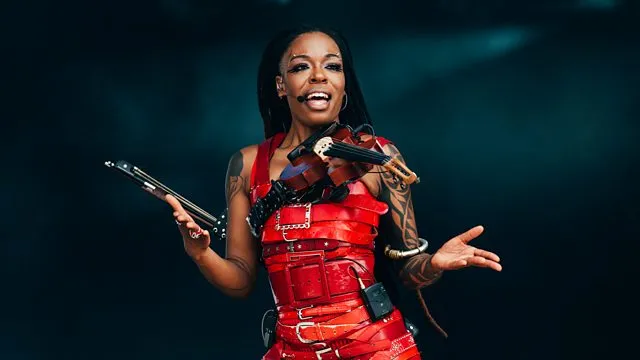
The album’s rhythmic focus makes it particularly suited for live performance. Parks’ ability to perform violin in real time while engaging with electronic elements creates a visually and sonically compelling experience.
Live renditions of the tracks emphasize their physicality, transforming recorded compositions into immersive events. Lighting, staging, and movement all play a role in bringing the album’s vision to life on stage.
These performances further reinforce the album’s connection to dance culture and communal experience.
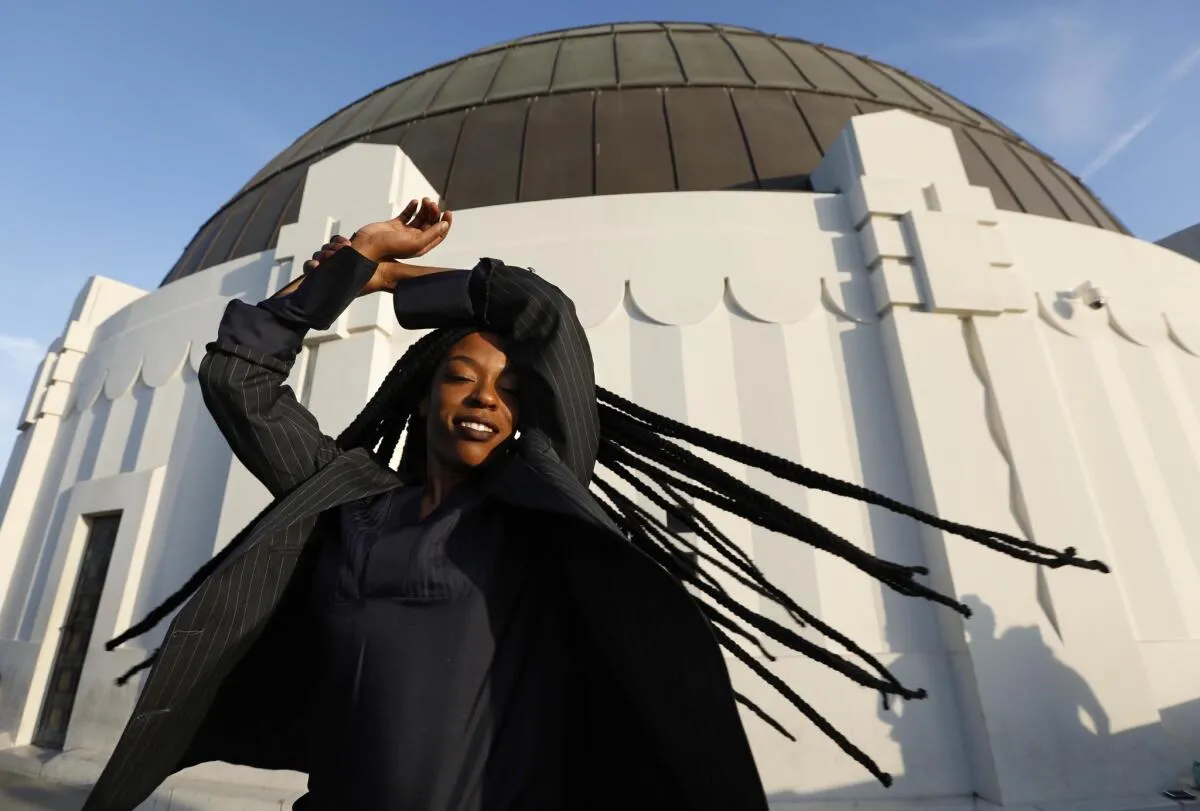
The BPM stands as one of Sudan Archives’ most confident and transformative works. It captures an artist embracing rhythm as a driving force while maintaining the emotional and experimental qualities that have always defined her music.
By blending violin, electronic production, and dance influences, Parks creates an album that feels both innovative and deeply human. It invites listeners to move, reflect, and engage with sound in new ways.
In a musical landscape often driven by repetition, The BPM offers something different. It is an album rooted in pulse, possibility, and creative freedom, marking a defining moment in Sudan Archives’ evolving artistic journey.