
The Startup Reset: How AI, Lean Teams, and Smart Capital Are Reshaping Tech in 2026
The global tech ecosystem is entering a new phase—one that feels less like a boom and more like a recalibration. According to insights frequently highlighted by TechCrunch, 2026 is shaping up to be a defining year where hype gives way to practicality, and innovation is measured not just by ambition but by execution.
From artificial intelligence becoming the backbone of modern startups to venture capitalists tightening their expectations, the industry is shifting toward efficiency, specialization, and real-world impact.
This is the startup reset—and it’s rewriting the rules of innovation.
AI Moves From Buzzword to Business Backbone
For years, artificial intelligence dominated headlines. In 2026, it’s no longer just a trend—it’s infrastructure.
Startups are no longer experimenting with AI as a feature; they are building entire companies around it. This transition marks a turning point where AI becomes as essential as cloud computing or mobile apps once were.
Experts predict that enterprises will significantly increase their AI budgets—but with a twist. Instead of spreading investments across dozens of tools, companies are consolidating spending into fewer, high-performing platforms.
This means startups face a new challenge: it’s no longer enough to be innovative—you must be indispensable.
At the same time, a major shift is happening in how AI systems are designed. Smaller, specialized models—often referred to as “SLMs”—are gaining traction over massive, general-purpose systems. These models are faster, cheaper, and more adaptable for specific business needs.
In practical terms, that means:
-
Customer service bots tailored to specific industries
-
AI tools optimized for legal, healthcare, or finance workflows
-
Highly efficient systems that outperform larger models in niche tasks
The result? AI is becoming less flashy—and far more useful.
The Rise of AI Agents and Autonomous Workflows
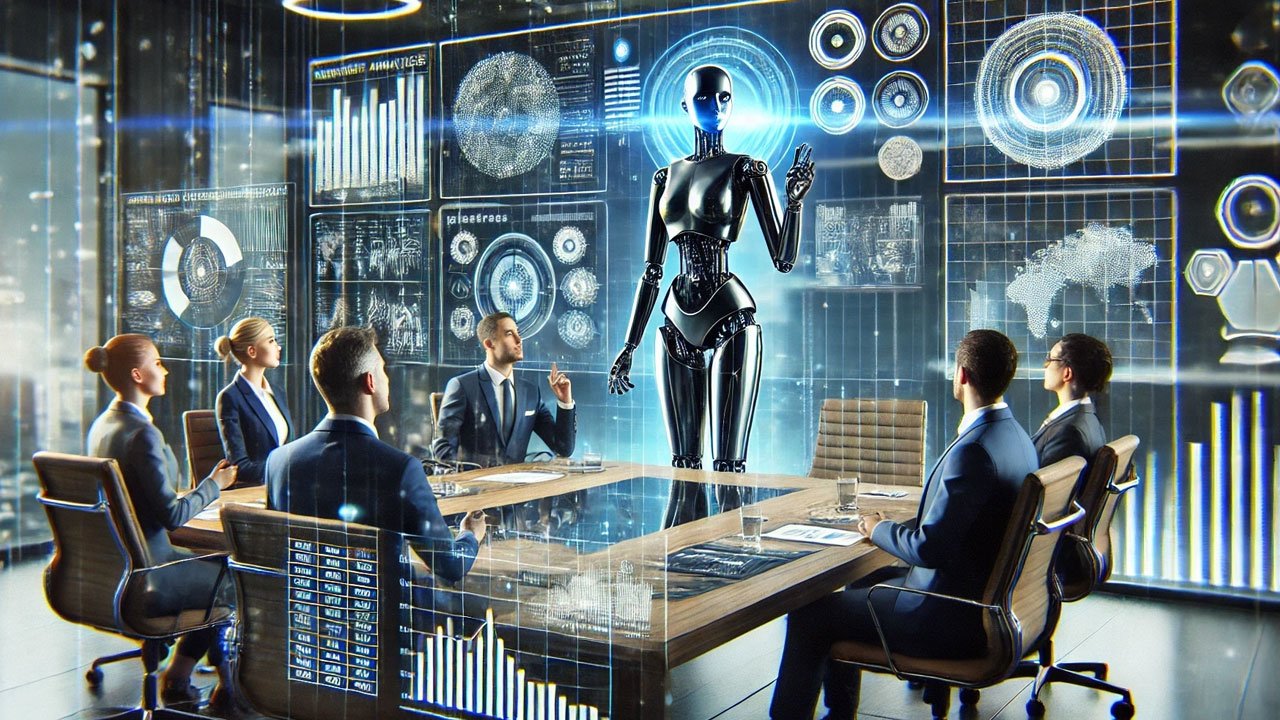
Another defining trend of 2026 is the shift from AI assistants to AI agents.
Instead of simply helping users complete tasks, these systems can now execute workflows independently. From managing customer support tickets to handling financial audits, AI agents are beginning to act more like digital employees than tools.
This evolution is driven by improved integration between AI and real-world systems. New frameworks allow AI to interact seamlessly with databases, APIs, and enterprise software—unlocking its full potential.
In the startup world, this creates massive opportunities:
-
SaaS platforms that automate entire departments
-
AI-powered operations replacing manual workflows
-
New business models built around “AI-first” execution
But it also raises the stakes. Startups must now prove that their AI doesn’t just assist—it delivers measurable outcomes.
Venture Capital Gets Smarter—and Tougher
If 2021–2022 was about rapid funding and sky-high valuations, 2026 is about discipline.
Venture capital firms are still investing heavily in tech—especially AI—but they’re doing so with far more scrutiny.
Data shows that AI startups continue to dominate funding rounds, with dozens of companies raising $100 million or more early in the year.
However, the rules have changed:
-
Investors prioritize profitability over growth-at-all-costs
-
Startups must demonstrate clear ROI
-
Funding is concentrated among fewer, stronger companies
This shift creates a “winner-takes-most” dynamic, where top-performing startups capture the majority of capital while weaker ones struggle to survive.
For founders, the message is clear: execution matters more than ever.
Lean Startups and the Era of Tiny Teams
One of the most surprising trends in 2026 is the rise of ultra-lean startups.
Thanks to AI tools, small teams can now achieve what once required hundreds of employees. Founders are building companies with fewer people—but greater output.
These “tiny teams” are:
-
Using AI to write code, design products, and automate operations
-
Launching faster with lower costs
-
Scaling efficiently without massive hiring
This model is not just a trend—it’s becoming a competitive advantage.
In some cases, startups with fewer than 20 employees are reaching significant revenue milestones, proving that size is no longer a limitation in the tech world.
The Shift From Experimentation to Real ROI
For years, companies experimented with emerging technologies. In 2026, that phase is ending.
Businesses are no longer asking, “What can AI do?”
They’re asking, “What value does it deliver?”
This shift is transforming the startup landscape:
-
Products must solve real, measurable problems
-
Features without clear ROI are being eliminated
-
Customers demand performance, not promises
As a result, the gap between successful and struggling startups is widening.
Those that can prove impact are scaling rapidly. Those that can’t are being left behind.

New Frontiers: Physical AI and Smart Devices
While software dominates headlines, hardware is quietly making a comeback—powered by AI.
In 2026, we’re seeing the rise of “physical AI,” where machine learning is embedded into real-world devices.
This includes:
-
Smart wearables that provide real-time insights
-
AI-powered robotics in manufacturing and logistics
-
Autonomous systems in transportation and delivery
These innovations are bringing AI out of the cloud and into everyday life.
Wearables, in particular, are gaining traction as a more accessible entry point for consumers, helping normalize AI as a constant presence in daily routines.
The Changing Nature of Work
Perhaps the most profound impact of these trends is on the workforce itself.
As AI becomes more capable, companies are reallocating resources—often shifting budgets from hiring to automation.
This doesn’t mean jobs are disappearing entirely, but it does mean:
-
Roles are evolving rapidly
-
Demand for AI-related skills is increasing
-
Companies are prioritizing efficiency over headcount
For workers, adaptability is key. For startups, it’s an opportunity to redefine how work gets done.
The Creator Economy Meets AI
Another major shift is happening at the intersection of AI and content creation.
Startups are building tools that generate video, audio, and written content at scale—fueling a new wave of creativity and entrepreneurship.
At the same time, audiences are becoming more selective. Authentic, human-driven content is gaining trust, even as AI tools become more powerful.
This creates a unique dynamic:
-
AI enhances creativity but doesn’t replace authenticity
-
Creators who combine both are seeing the most success
-
Startups must balance automation with human connection
In this space, innovation isn’t just about technology—it’s about storytelling.

What This Means for the Future of Startups
So what does all of this add up to?
In a word: maturity.
The tech industry is moving beyond its experimental phase and into a more disciplined, results-driven era.
Key takeaways for 2026 include:
-
AI is no longer optional—it’s foundational
-
Efficiency is replacing excess
-
Capital is becoming more selective
-
Innovation must deliver real value
For founders, this means building smarter, not just faster.
For investors, it means backing substance over hype.
And for users, it means better, more reliable technology.
Conclusion: A Smarter, Stronger Tech Ecosystem
The startup world of 2026 looks very different from just a few years ago.
It’s leaner.
It’s more focused.
And it’s far more demanding.
But it’s also more promising.
By prioritizing efficiency, embracing AI, and focusing on real-world impact, today’s startups are laying the foundation for a stronger, more sustainable tech ecosystem.
As TechCrunch continues to highlight, the future of innovation isn’t about doing more—it’s about doing what matters most.
And in 2026, that shift is finally taking hold.