
Tinder Bets on Real-Life Events and Virtual Speed Dating to Bring Users Back
Online dating transformed how people meet, flirt, and form relationships. For years, the swipe-based model popularized by Tinder shaped modern dating culture across the world.
But recently, something has changed.
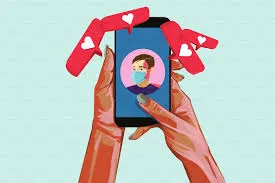
Many users report “swipe fatigue”—a feeling of burnout from endless profiles, short conversations, and matches that never turn into real-world connections.
In response, Tinder is experimenting with a new strategy designed to reignite excitement around dating apps: real-life events and virtual speed dating experiences.
The goal is simple but ambitious—help people move beyond the swipe and return to meaningful connections.
Why Dating Apps Are Facing a New Challenge
When Tinder first launched in 2012, it revolutionized online dating with a simple idea: swipe right to like, swipe left to pass.
The format proved wildly successful.
Millions of users joined the platform, and swiping quickly became a cultural phenomenon.
However, after more than a decade of similar app experiences, many users are now reporting frustration with the model.
Common complaints include:
-
endless scrolling through profiles
-
conversations that fade quickly
-
difficulty forming real-world connections
-
feeling overwhelmed by too many choices
This phenomenon—often called “dating app fatigue”—has pushed companies to rethink how digital dating should work.
Tinder’s New Strategy: Dating Beyond the Swipe
To address these challenges, Tinder is introducing features that bring dating closer to real-life interaction.
Two major initiatives are at the center of this strategy:
-
IRL (In Real Life) dating events
-
Virtual speed dating sessions
Together, these experiences aim to make online dating feel more human, interactive, and engaging.
Instead of relying only on messaging and profile browsing, users can now meet potential matches in structured environments designed for conversation.
What Are Tinder’s IRL Dating Events?
The company’s real-life dating events are designed to bring people together offline.
These gatherings may include:
-
themed social meetups
-
group activities
-
casual mixers for singles
-
community-based dating experiences
Participants sign up through the app and attend in-person events hosted in select cities.
The idea is to create a relaxed environment where singles can meet naturally, rather than relying solely on digital conversations.
These events may feel similar to traditional singles meetups—but with the added convenience of app-based matching and coordination.
The Return of Speed Dating—With a Digital Twist
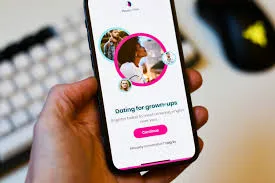
Alongside physical events, Tinder is also introducing virtual speed dating experiences.
Speed dating has been around for decades. Participants engage in short conversations with several potential matches during a single event.
Tinder’s version updates this concept for the digital age.
Through the app, users join scheduled sessions where they briefly interact with other participants through timed conversations.
After each interaction, participants can indicate whether they want to match.
Key features may include:
-
short timed video or text chats
-
curated participant groups
-
matching after sessions end
This format aims to make introductions faster and more interactive than traditional messaging.
Why Tinder Is Shifting Its Approach
The dating app industry has become highly competitive.
New platforms have emerged offering alternative experiences, including:
-
personality-based matching
-
slower-paced dating models
-
community-focused platforms
At the same time, younger users—particularly Gen Z—often prefer more authentic interactions.
Many are seeking connections that feel less transactional than endless swiping.
Tinder’s new features reflect this shift toward experiential dating.
Instead of focusing purely on algorithmic matches, the company is encouraging real-time interaction.
The Rise of “Swipe Fatigue”
One of the biggest reasons behind Tinder’s strategy is the growing conversation about swipe fatigue.
This term describes the exhaustion users feel after spending long periods browsing profiles without meaningful outcomes.
Symptoms of swipe fatigue include:
-
losing motivation to respond to messages
-
feeling overwhelmed by choices
-
deleting dating apps temporarily
For dating platforms, this trend presents a major challenge.
If users stop engaging with apps, growth and revenue can slow.
Creating new experiences—like events and live interactions—may help renew interest.
Why Real-Life Dating Experiences Matter
While technology has made meeting people easier, many singles still prefer face-to-face interactions when building real connections.
In-person meetings allow people to notice details that profiles cannot capture:
-
body language
-
tone of voice
-
shared humor
-
natural chemistry
By organizing real-life events, Tinder hopes to bridge the gap between digital introductions and authentic relationships.
Instead of waiting weeks to meet someone from an app, users can interact immediately in a social setting.
The Growing Trend of Social Dating
Tinder’s move also reflects a broader shift toward social dating experiences.
Several modern dating platforms now emphasize:
-
group activities
-
community events
-
shared interests
For example, some apps organize:
-
hiking meetups
-
cooking classes for singles
-
game nights or trivia events
These formats help reduce pressure and make dating feel more like socializing.

Virtual Dating’s Continued Evolution
While in-person events are gaining attention, virtual dating remains important.
Many people still prefer the convenience of meeting someone online before committing to a physical meetup.
Virtual speed dating offers several advantages:
-
quick introductions
-
reduced awkwardness
-
safety and privacy
Participants can evaluate compatibility in minutes rather than exchanging messages for days.
This format can make online dating feel more dynamic.
How Technology Is Changing Modern Relationships
Dating technology continues evolving rapidly.
Early online dating websites relied primarily on written profiles and messaging.
Today’s platforms include features such as:
-
video chat
-
AI-powered recommendations
-
real-time events
-
interest-based communities
These innovations aim to replicate the spontaneity of real-life encounters.
Tinder’s latest strategy shows that the future of dating apps may involve blending digital tools with real-world experiences.
Challenges Ahead for Tinder
While the new features sound promising, they also present challenges.
Organizing large-scale real-life events requires coordination, safety measures, and strong user participation.
Potential obstacles include:
-
geographic limitations
-
safety concerns at gatherings
-
ensuring balanced gender participation
Additionally, not every user is comfortable attending singles events.
For some, the anonymity of traditional online dating remains appealing.
Tinder will need to balance these preferences carefully.
What This Means for the Future of Dating Apps
The introduction of IRL events and virtual speed dating signals an important shift in how dating platforms operate.
Rather than replacing traditional swiping, these features expand the dating experience.
In the future, apps may function less like digital catalogs of profiles and more like social ecosystems for meeting people.
Possible developments include:
-
location-based dating events
-
collaborative activities for matches
-
AI-guided introductions during live sessions
These changes could transform dating apps into something closer to social networks for relationships.

A New Chapter for Online Dating
For more than a decade, swiping defined the online dating experience.
But as user expectations evolve, dating platforms must adapt.
Tinder’s move toward real-life events and virtual speed dating represents an attempt to reconnect technology with human interaction.
If successful, these features could help revive excitement around online dating—and perhaps remind users why they downloaded the app in the first place.
In the end, the goal remains the same as it always has been: helping people meet someone special.
The difference now is that the path to that connection may involve more conversation, more interaction, and maybe even fewer swipes.