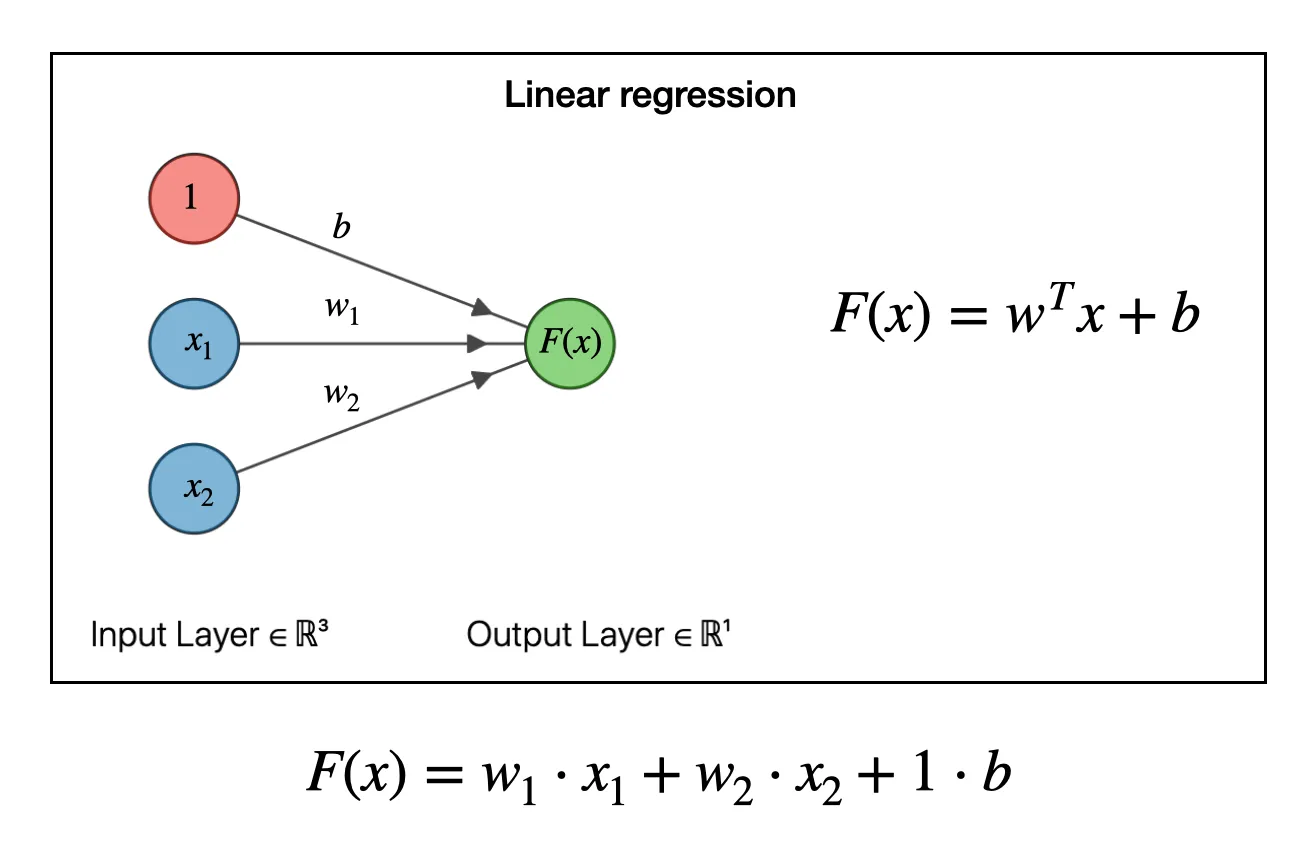
For decades, high-level mathematics has been one of the most stubborn barriers separating artificial intelligence from true human-level reasoning. While AI systems have long excelled at pattern recognition, language translation, and even creative writing, abstract mathematical reasoning—especially proofs and multi-step logic—has remained frustratingly out of reach.
That barrier is now starting to crack.
According to recent research and industry reporting, new generations of AI models are beginning to solve advanced math problems, including competition-level questions, graduate-level proofs, and symbolic reasoning tasks that previously confounded machines. While these systems are far from replacing mathematicians, their progress signals a profound shift in what AI may soon be capable of.
Why Advanced Math Has Always Been So Hard for AI
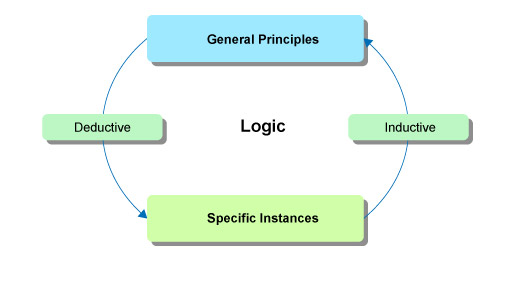
Mathematics is not just about calculation. At higher levels, it requires:
-
Abstract reasoning
-
Long chains of logical inference
-
Understanding definitions, assumptions, and constraints
-
Creativity in constructing proofs
Traditional AI systems struggled because they relied heavily on statistical pattern matching. That works well for recognizing images or predicting the next word in a sentence, but advanced math often demands deep conceptual understanding, not just surface-level patterns.
For example:
-
A calculus proof may require referencing multiple theorems introduced pages earlier
-
A number theory problem may hinge on a subtle property that isn’t explicitly stated
-
A single error early in a proof invalidates the entire solution
This is why, for years, AI systems performed well on arithmetic but failed spectacularly when faced with Olympiad-level or university-level mathematics.
What Changed: The New Generation of AI Models
Recent breakthroughs stem from a combination of scale, training strategy, and architecture improvements.
1. Massive Model Scale
Modern AI models are trained on vastly larger datasets and use far more parameters than earlier systems. This allows them to internalize complex relationships between concepts—including mathematical ones.
2. Specialized Math Training
Instead of treating math as just another language task, researchers now train models on:
-
Formal proofs
-
Step-by-step solutions
-
Synthetic datasets designed specifically for reasoning
This helps models learn not just answers, but how to reason their way toward them.
3. Chain-of-Thought Reasoning
One of the most important innovations is prompting models to show their work. By explicitly generating intermediate reasoning steps, AI systems can:
-
Catch their own mistakes
-
Maintain logical consistency
-
Solve problems requiring many sequential steps
This approach mirrors how humans solve math—and it works surprisingly well.
What Kind of Math Are AIs Solving Now?
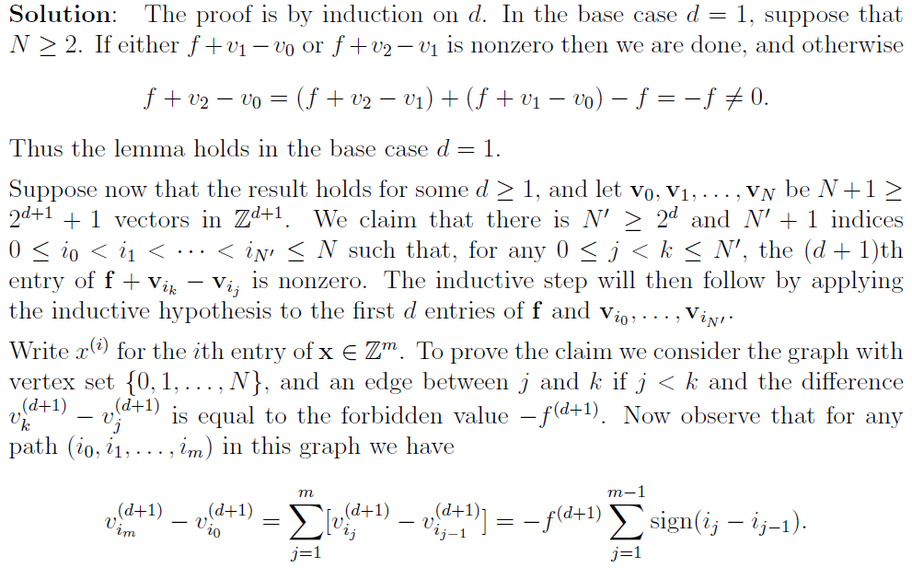
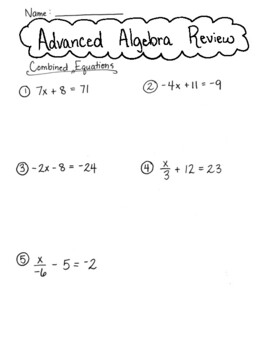
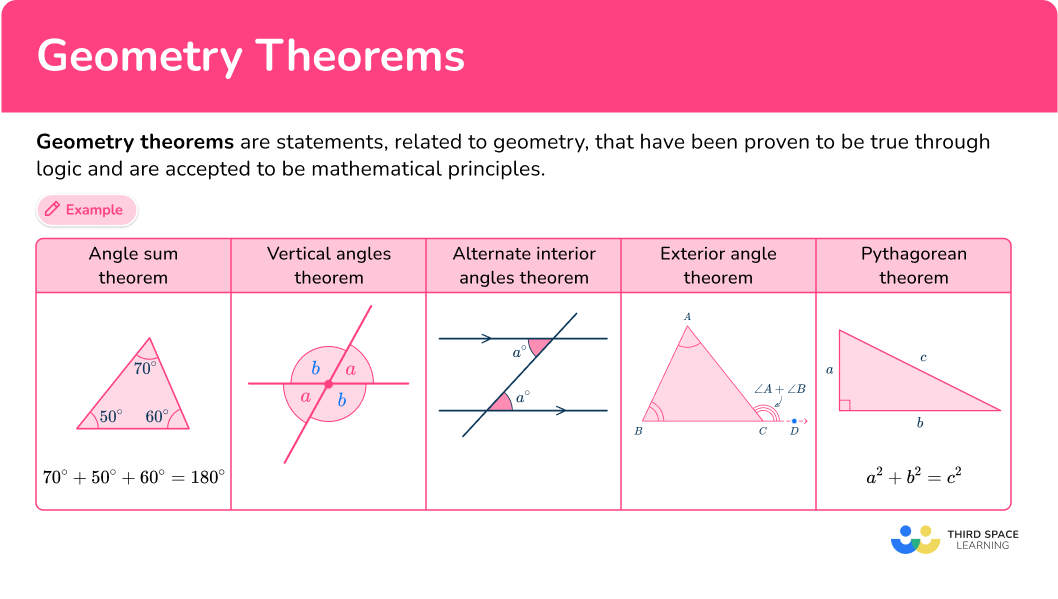
AI models are not just getting better at basic math. They are now showing competence in areas such as:
• Algebra and Calculus
Including symbolic manipulation, limits, integrals, and differential equations.
• Geometry and Trigonometry
Solving multi-step geometric proofs and spatial reasoning problems.
• Discrete Mathematics
Handling combinatorics, graph theory, and logic puzzles.
• Competition-Level Problems
Some models can now solve a meaningful portion of questions from:
-
International math competitions
-
University entrance exams
-
Graduate-level problem sets
While performance is inconsistent, the trend line is unmistakably upward.
Why This Matters Beyond Mathematics
At first glance, solving hard math problems may seem like a niche achievement. In reality, it has enormous implications across science and technology.
Accelerating Scientific Discovery
Many fields depend heavily on advanced mathematics:
-
Physics
-
Engineering
-
Economics
-
Cryptography
AI systems capable of mathematical reasoning could:
-
Explore hypotheses faster
-
Check proofs at scale
-
Assist researchers with complex derivations
Improving AI Reliability
Math reasoning is closely tied to logical consistency. Progress here suggests AI systems may become:
-
Less prone to hallucinations
-
Better at verifying their own outputs
-
More trustworthy in high-stakes applications
Enabling New Tools
From automated theorem provers to AI-assisted education platforms, improved math reasoning opens the door to entirely new classes of software.
The Limits: Why Humans Still Matter
Despite the excitement, experts caution against overhyping these breakthroughs.
AI Still Makes Subtle Errors
Models can:
-
Arrive at correct answers using flawed reasoning
-
Miss edge cases
-
Fail catastrophically on slightly altered problems
In mathematics, being almost right is still wrong.
Lack of True Understanding
AI does not “understand” math in a human sense. It does not grasp meaning or intent—only patterns and procedures learned from data.
Creativity and Insight Remain Human Strengths
Many mathematical breakthroughs come from:
-
Intuition
-
Novel perspectives
-
Years of deep specialization
AI may assist, but it does not replace the creative spark of human mathematicians.
Real-World Scenarios: How AI Might Be Used


Imagine the following near-future scenarios:
-
A graduate student uses AI to verify steps in a complex proof before submitting a paper
-
Engineers rely on AI to sanity-check advanced equations in safety-critical systems
-
Educators deploy AI tutors that explain math problems step-by-step, tailored to each learner
In each case, AI acts as a powerful collaborator, not a replacement.
What Researchers Are Saying
Many researchers describe this moment as a turning point.
Some highlight that math reasoning serves as a benchmark for general intelligence. If AI continues to improve here, it may signal progress toward systems capable of more generalized reasoning across domains.
Others urge caution, emphasizing that:
-
Benchmarks can be gamed
-
Real-world reasoning is messier than test problems
-
True intelligence involves more than symbolic manipulation
Both perspectives can be true at the same time.
Implications for Education
Advanced AI math capabilities raise important questions for schools and universities.
Potential Benefits
-
Personalized tutoring at scale
-
Immediate feedback on problem-solving steps
-
Increased access to high-quality math education
Potential Risks
-
Overreliance on AI tools
-
Reduced development of independent reasoning skills
-
Academic integrity challenges
Educators will need to adapt curricula to ensure students learn how to think, not just how to get answers.
How This Fits Into the Bigger AI Picture

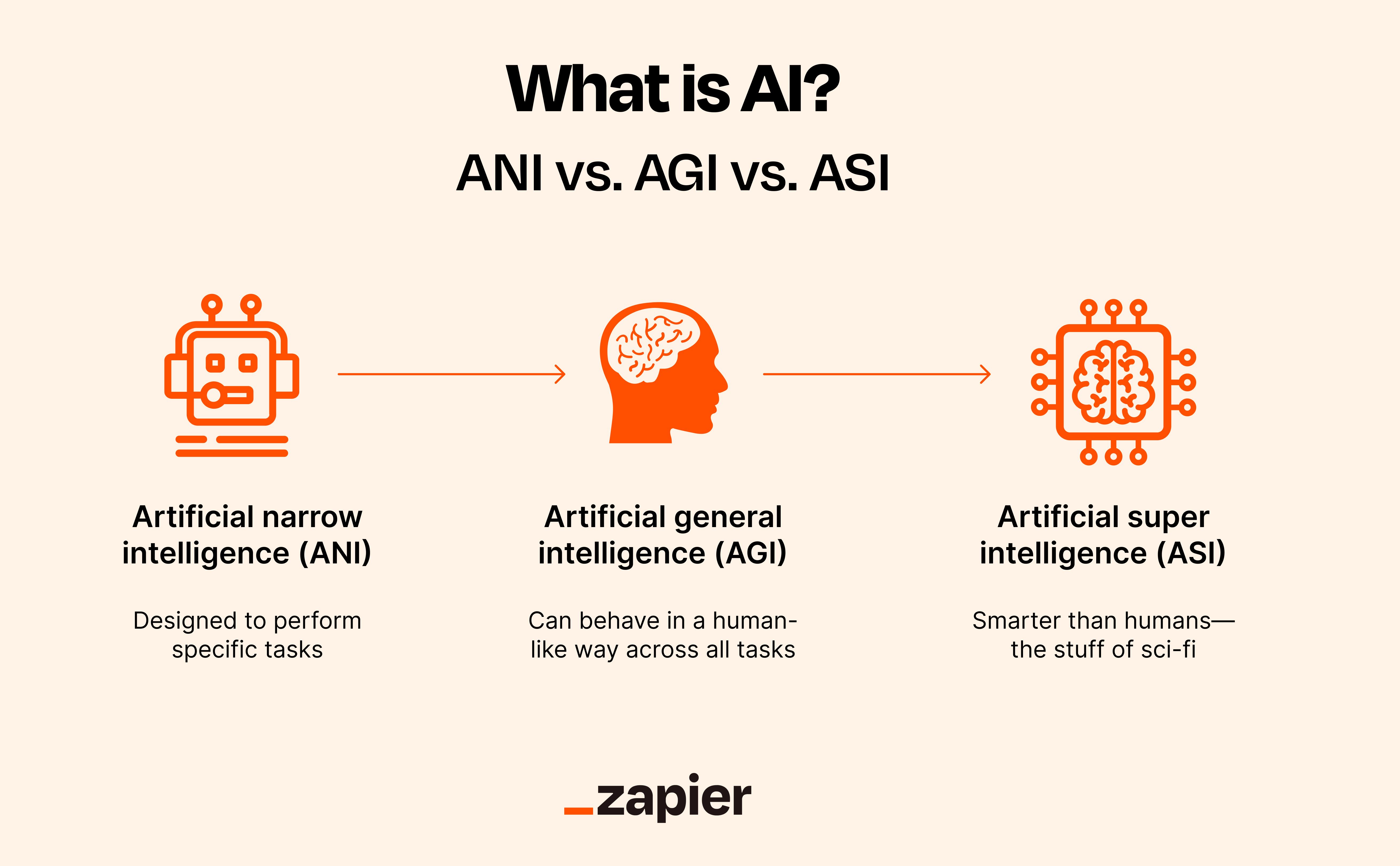
The ability to solve high-level math problems is often seen as a stepping stone toward more general-purpose AI.
Math demands:
-
Planning
-
Memory
-
Precision
-
Logical structure
Progress here suggests that AI systems are beginning to master skills once thought uniquely human. However, intelligence is multifaceted, and success in math does not automatically translate to wisdom, ethics, or emotional understanding.
The Road Ahead
Looking forward, researchers are focusing on:
-
More robust reasoning architectures
-
Better verification methods
-
Hybrid systems combining symbolic logic with neural networks
These approaches aim to reduce errors and improve reliability—key requirements before AI can be trusted with mission-critical mathematical tasks.
Final Thoughts
AI solving advanced math problems is more than a technical milestone—it is a signal that machine reasoning is evolving.
While machines are not becoming mathematicians overnight, they are rapidly becoming capable assistants, capable of navigating abstract reasoning spaces that once belonged exclusively to humans.
If this progress continues, the next decade could redefine how we do science, teach math, and understand intelligence itself. The chalkboard is no longer just for humans—and that may be one of the most important shifts in modern technology.