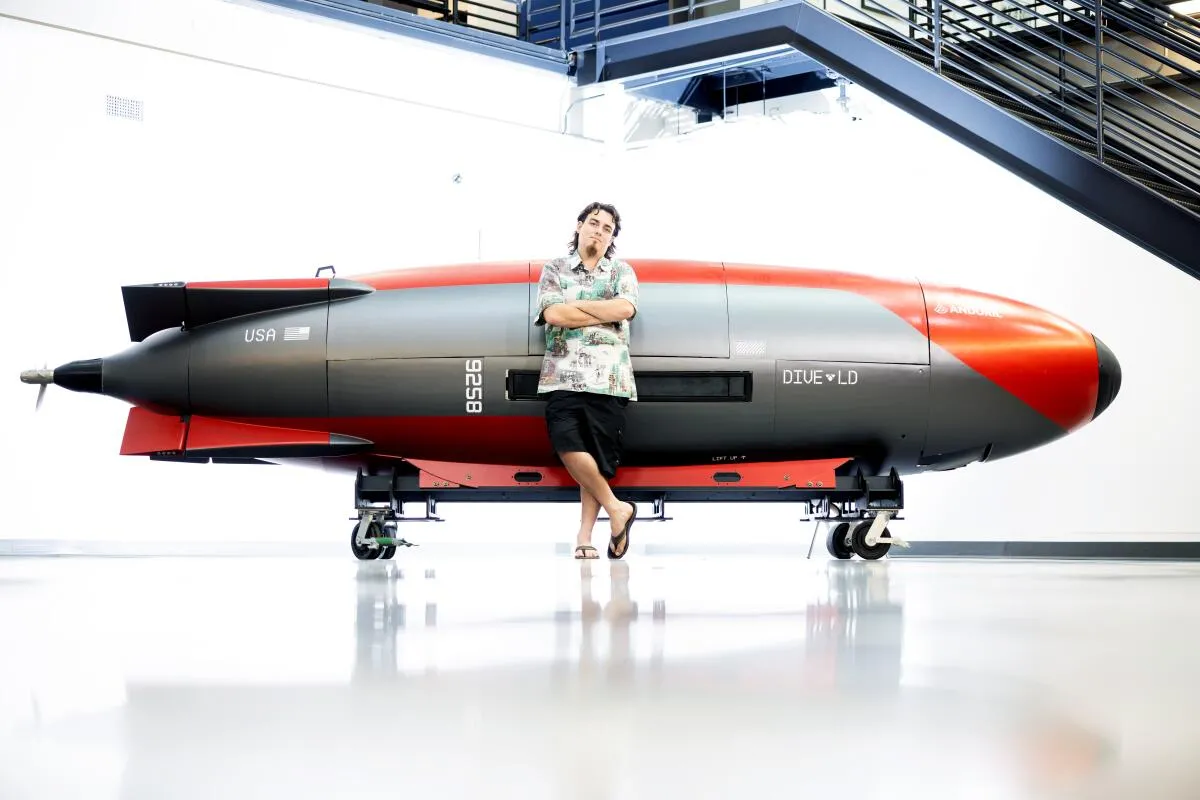
In an era dominated by AI hype, cloud platforms, and abstract software promises, Palmer Luckey is offering a sharp—and controversial—counterargument.
The founder of Anduril Industries believes that the future of technology doesn’t lie in chasing the newest trend. Instead, he argues it lies in relearning the lessons of the past—when engineers built real things, moved fast, and prioritized outcomes over optics.
Speaking to TechCrunch, Luckey laid out a philosophy that challenges Silicon Valley’s prevailing wisdom—and may help explain why Anduril has become one of the most influential defense tech startups in the world.
Who Is Palmer Luckey—and Why His Voice Matters


 Palmer Luckey is no stranger to disrupting industries.
Before Anduril, he:
-
Founded Oculus VR in his early 20s
-
Helped spark the modern virtual reality boom
-
Sold Oculus to Facebook in a landmark deal
Unlike many founders who pivoted into pure software, Luckey doubled down on hardware, founding Anduril to build autonomous defense systems—radars, drones, and AI-powered sensors that exist firmly in the physical world.
That background shapes his skepticism toward today’s tech trends.
“The Future of Tech Is in the Past”: What Luckey Really Means


 When Luckey says the future of tech is in the past, he isn’t being nostalgic for nostalgia’s sake.
He’s pointing to an earlier era when:
-
Engineers shipped physical products quickly
-
Hardware and software were tightly integrated
-
Companies focused on solving concrete problems
-
Failure was expected—and iteration was fast
In contrast, Luckey argues that modern tech culture often prioritizes:
-
Decks over devices
-
Buzzwords over build quality
-
Venture optics over operational reality
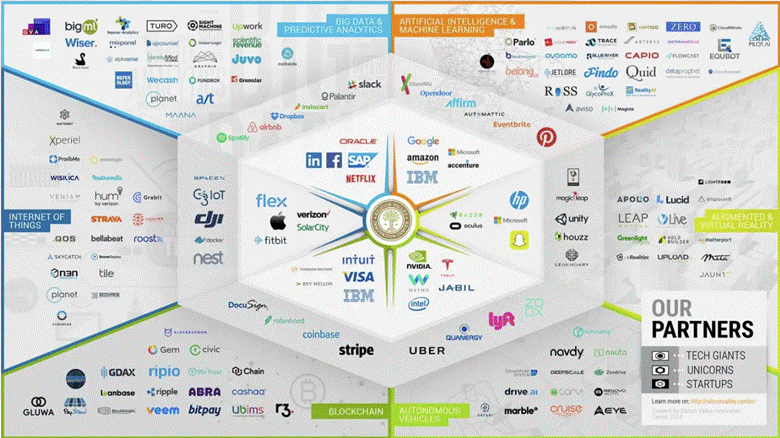
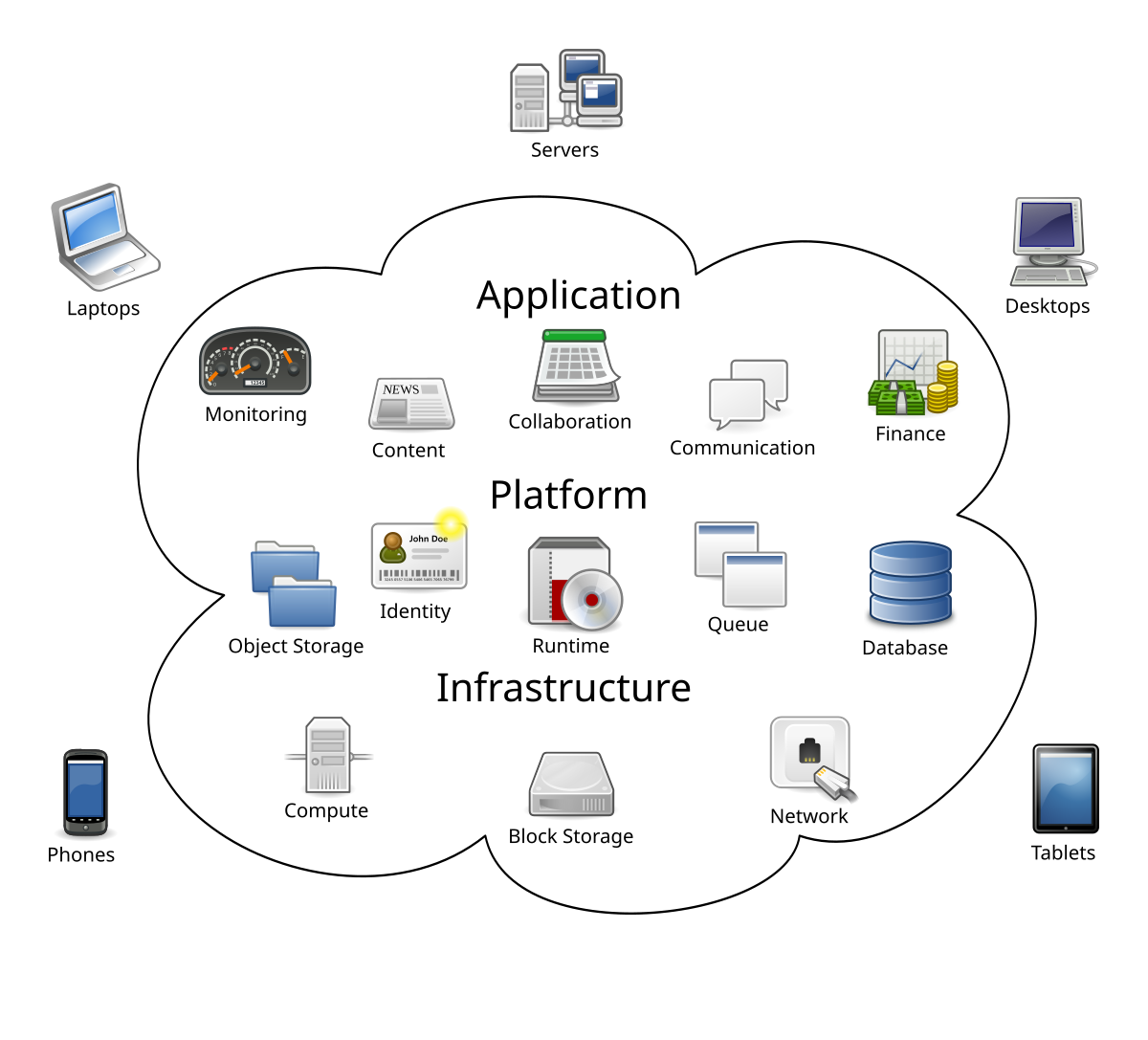
Silicon Valley’s Shift Away From Hardware
-
Software-as-a-service
-
AI models and platforms
-
Consumer apps with minimal physical footprint
Why? Because software:
-
Scales faster
-
Requires less capital
-
Fits venture economics neatly
Luckey argues this shift has left critical industries—like defense, manufacturing, and infrastructure—underserved and misunderstood.
Why Anduril Chose Defense Tech Over Consumer Software

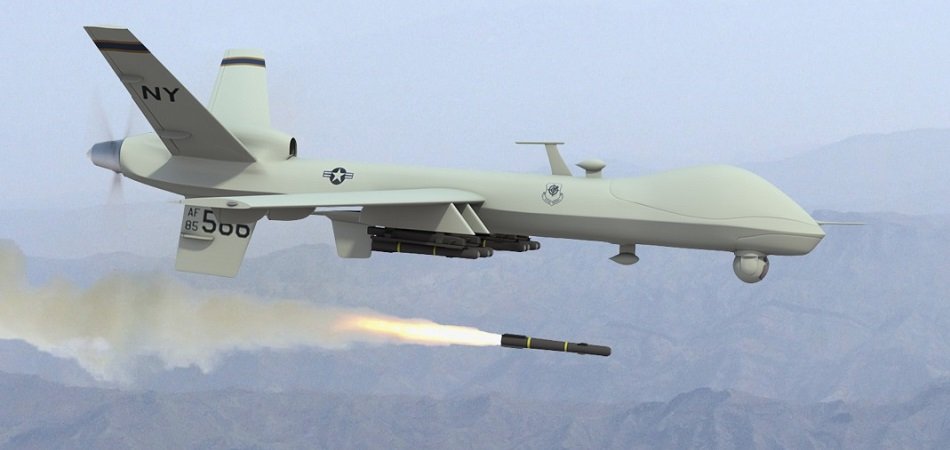
 Defense technology is notoriously difficult:
-
Long sales cycles
-
Heavy regulation
-
Complex hardware requirements
So why choose it?
Luckey believes defense is precisely where real technological leverage exists. Instead of incremental software updates, Anduril focuses on:
-
Autonomous systems
-
Edge computing
-
Integrated hardware-software stacks
This mirrors how earlier tech giants built foundational infrastructure—not just apps.
Old Ideas, Modern Execution


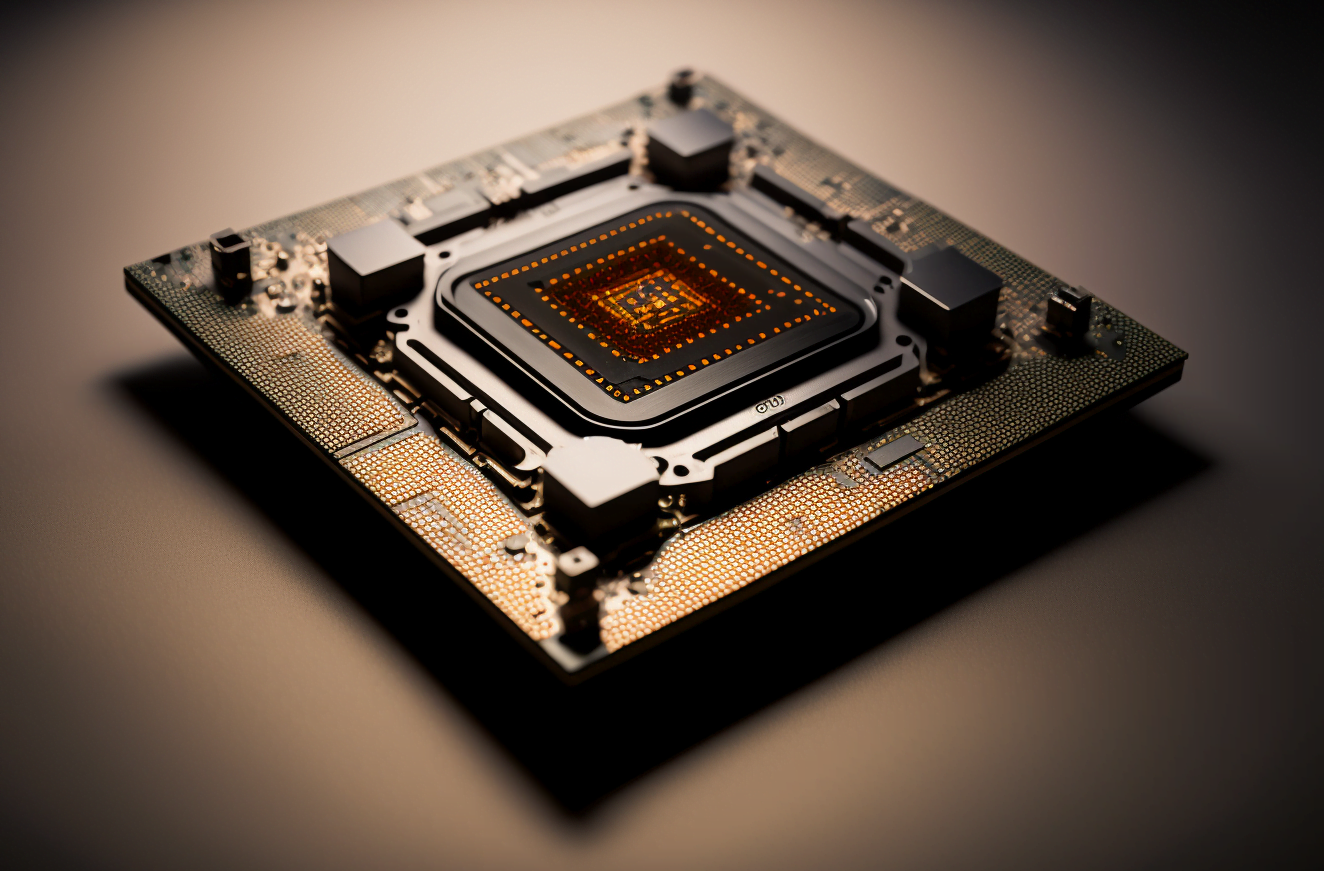 Luckey’s philosophy isn’t about rejecting modern tools—it’s about using them differently.
Anduril combines:
-
Modern AI models
-
High-performance sensors
-
Rapid hardware iteration
But it applies them through an old-school engineering mindset: build, test, fail, fix, repeat.
Why Speed Beats Perfection in Hardware
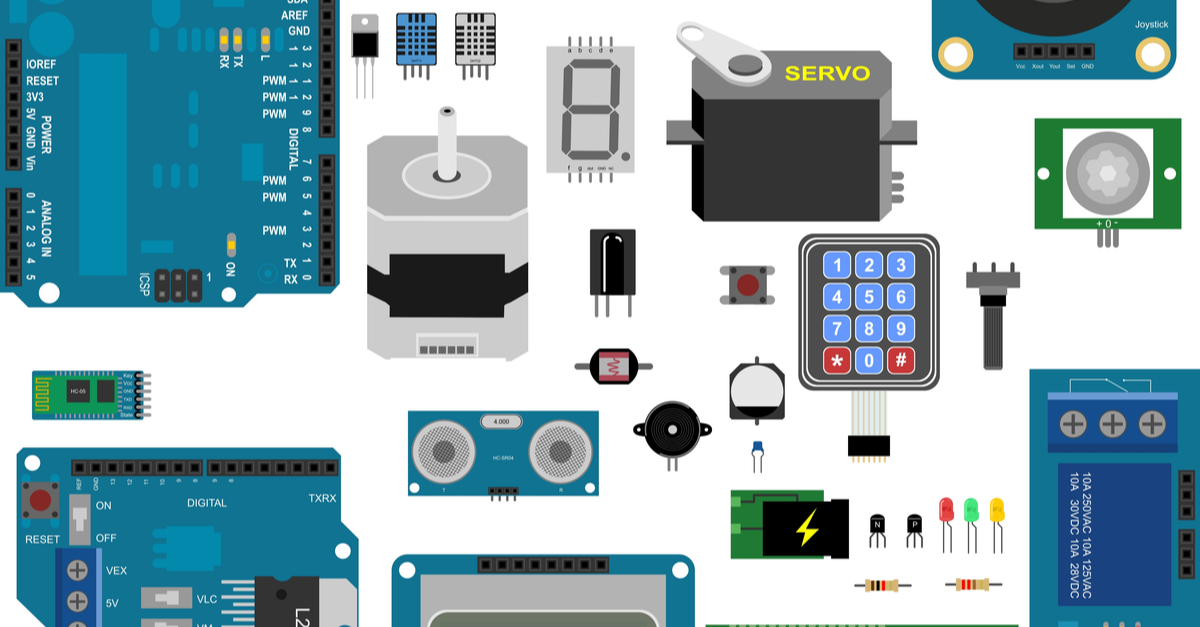

 One of Luckey’s sharpest critiques is against perfectionism.
In defense—and hardware broadly—waiting for perfect solutions means:
-
Missing critical windows
-
Letting outdated systems persist
-
Allowing bureaucracy to slow innovation
Luckey advocates for field-tested improvement, where systems evolve based on real-world feedback—not theoretical models.
The Problem With “Software-First” Thinking
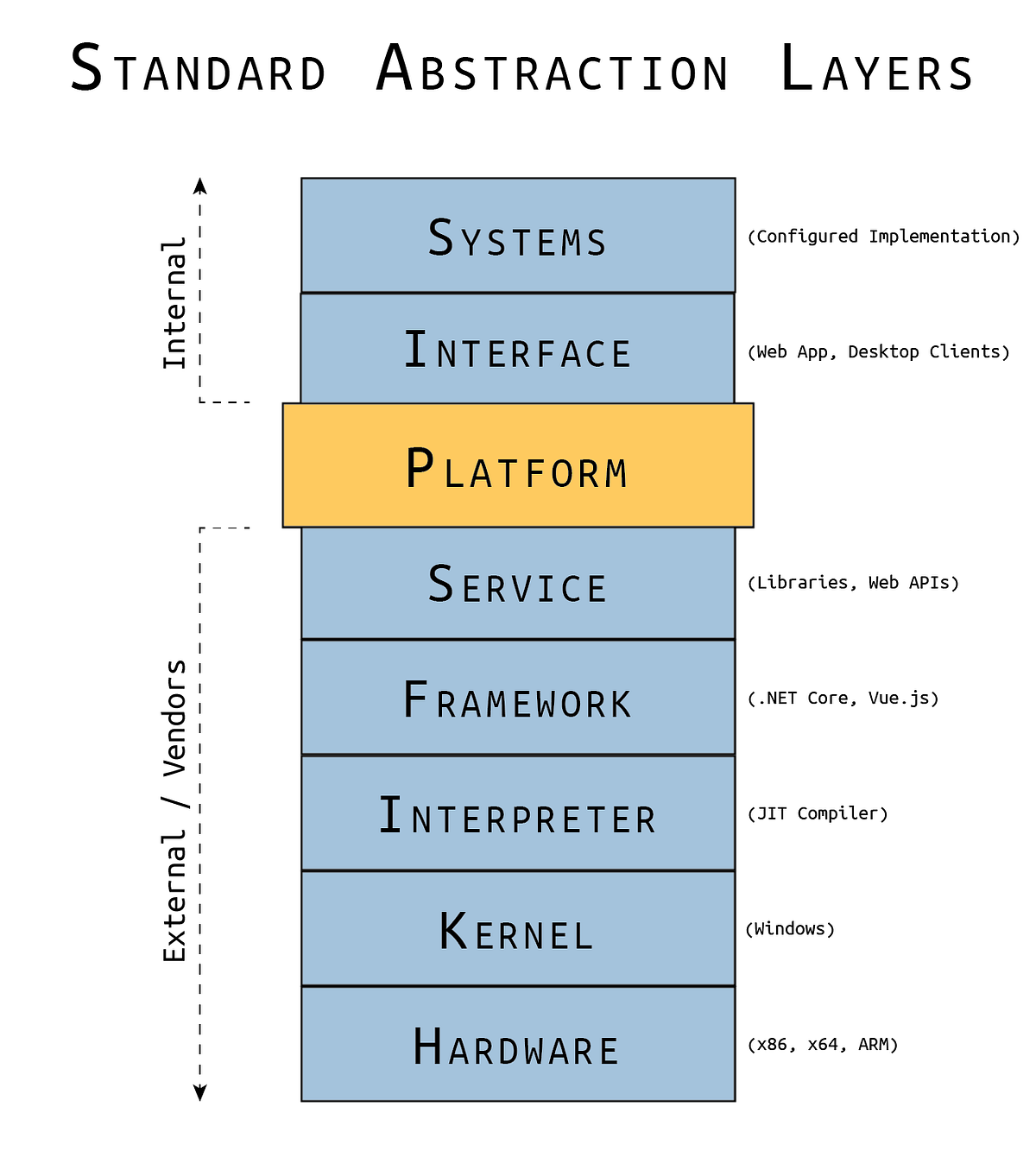

 Software-first thinking often assumes:
-
Infinite connectivity
-
Predictable environments
-
Centralized control
Defense—and many real-world applications—don’t work that way.
Luckey argues that hardware-first systems:
-
Operate offline
-
Survive harsh conditions
-
Make decisions locally
These are lessons learned decades ago, now rediscovered under new constraints.
Regulation, Reality, and Why Defense Is Different
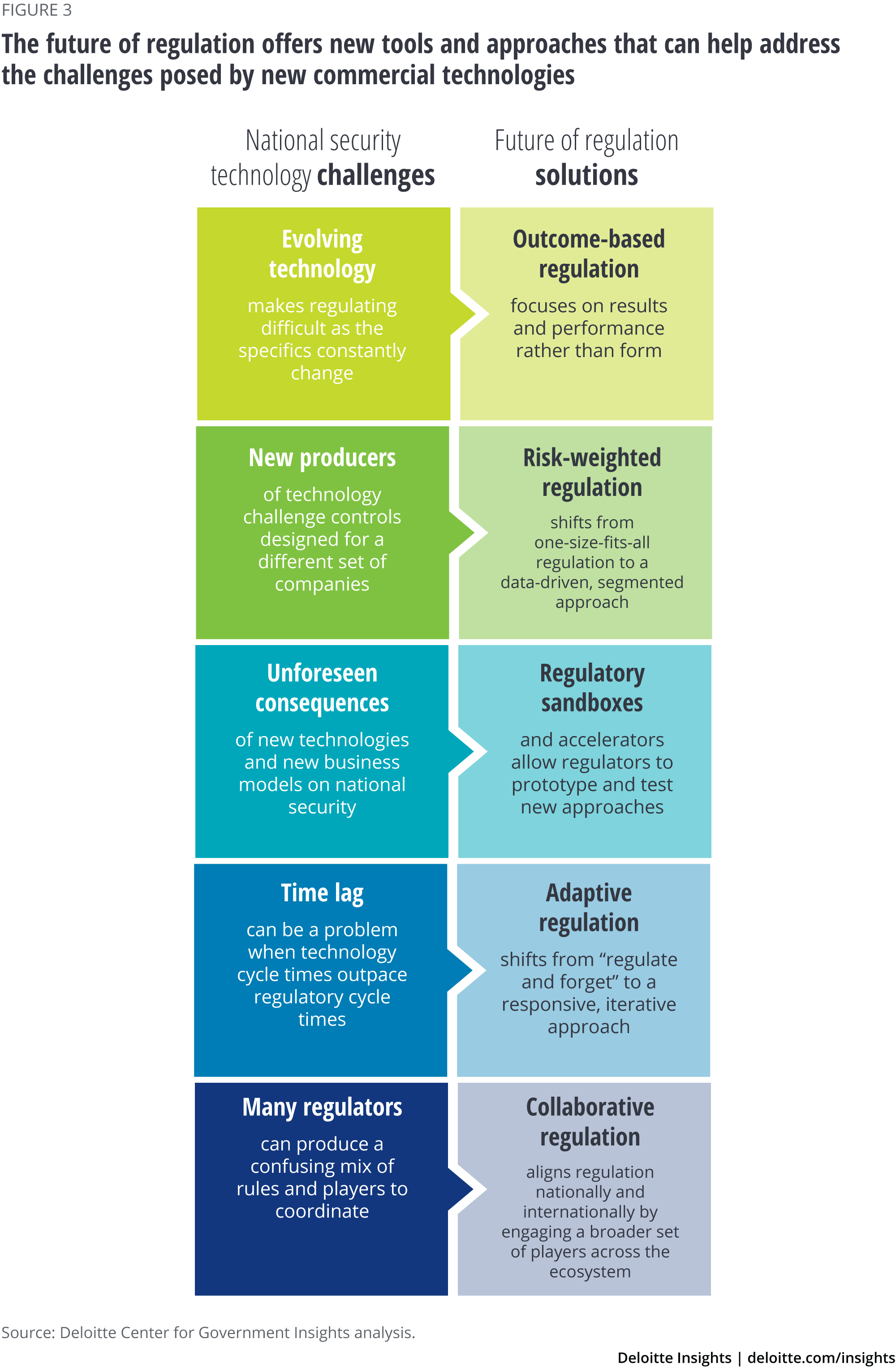
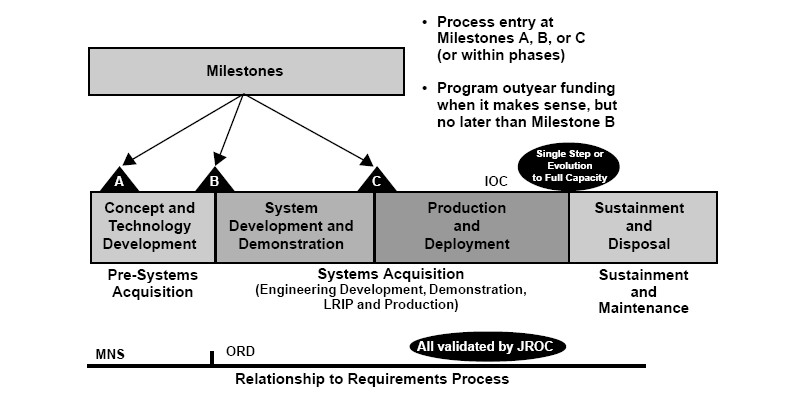
 Unlike consumer tech, defense products must:
-
Meet strict reliability standards
-
Function in life-or-death scenarios
-
Integrate with legacy systems
Luckey sees this as a strength, not a weakness. Constraints force discipline, something he believes much of modern tech lacks.
What Silicon Valley Can Learn From Anduril
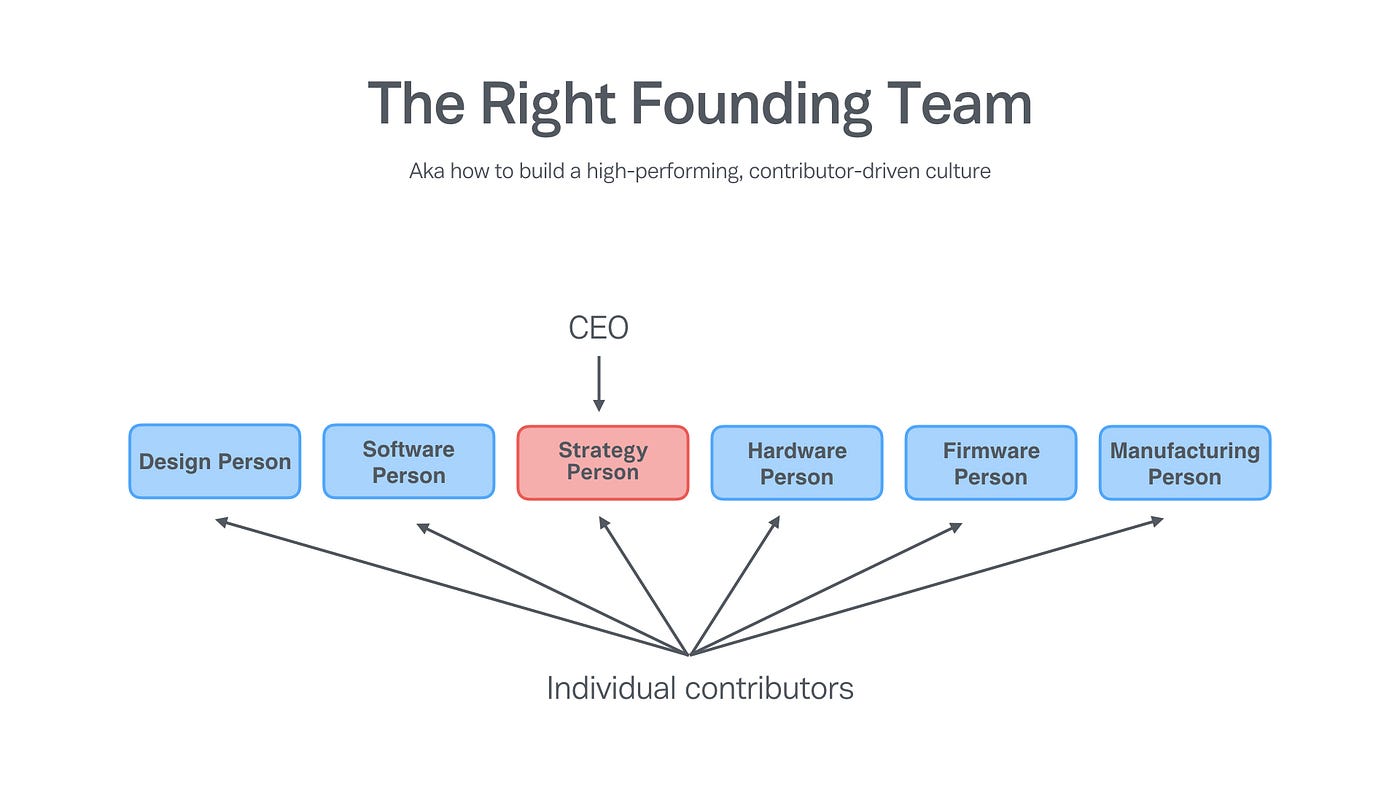

 Luckey’s broader message isn’t just for defense startups.
He believes Silicon Valley should:
-
Reinvest in hardware talent
-
Embrace vertical integration
-
Value engineers over evangelists
-
Build technologies that matter—even if they’re messy
In short: build things again.
Is This a Rejection of AI? Not at All
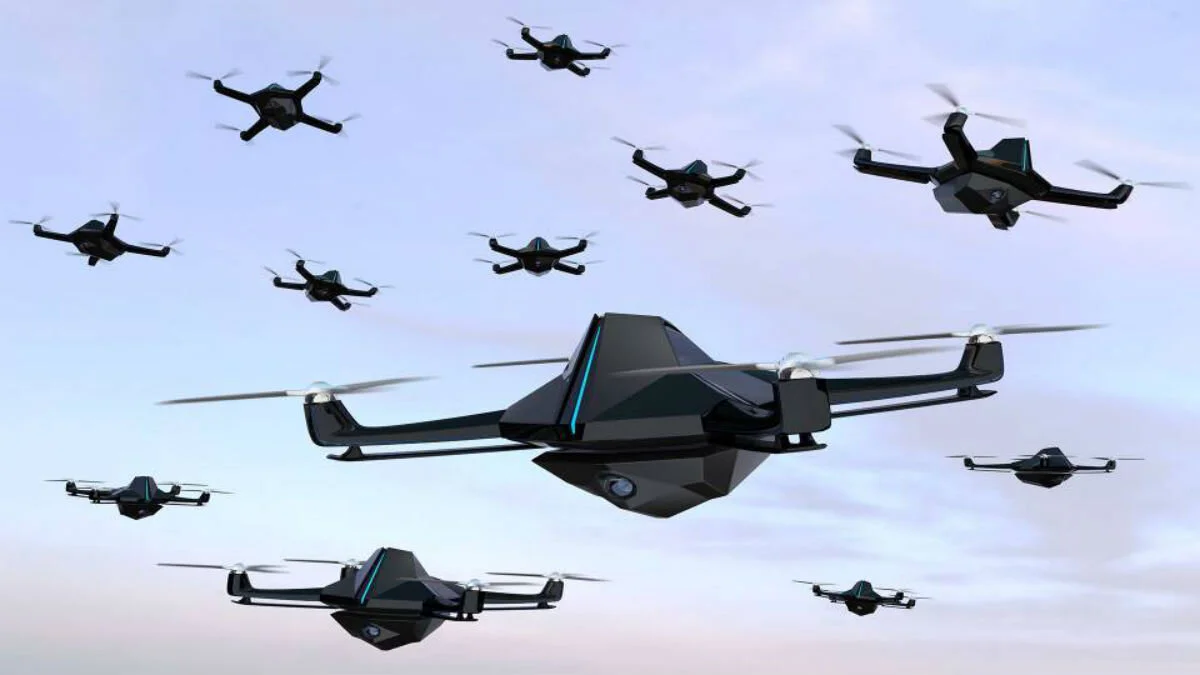 Luckey isn’t anti-AI—far from it.
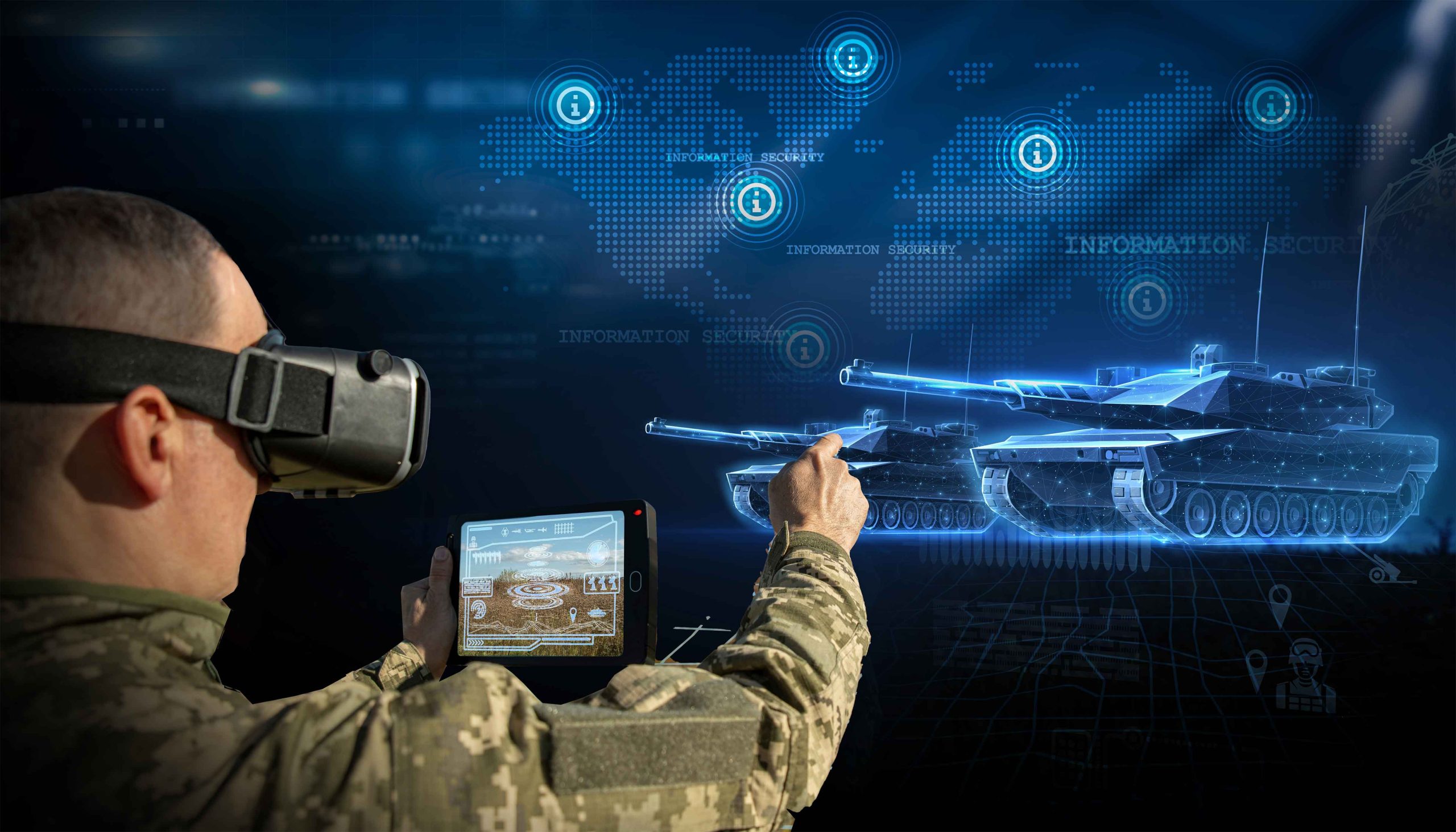
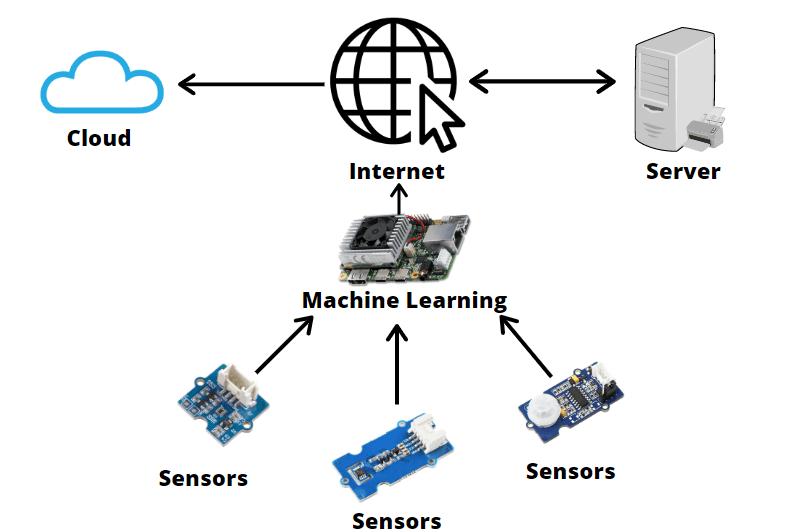
Anduril uses AI extensively. But it deploys AI:
-
At the edge
-
With human oversight
-
In specific, measurable tasks
This contrasts with AI-as-a-platform approaches that promise everything and deliver unevenly.
Why “Old-School” Tech Thinking Is Resonating Again

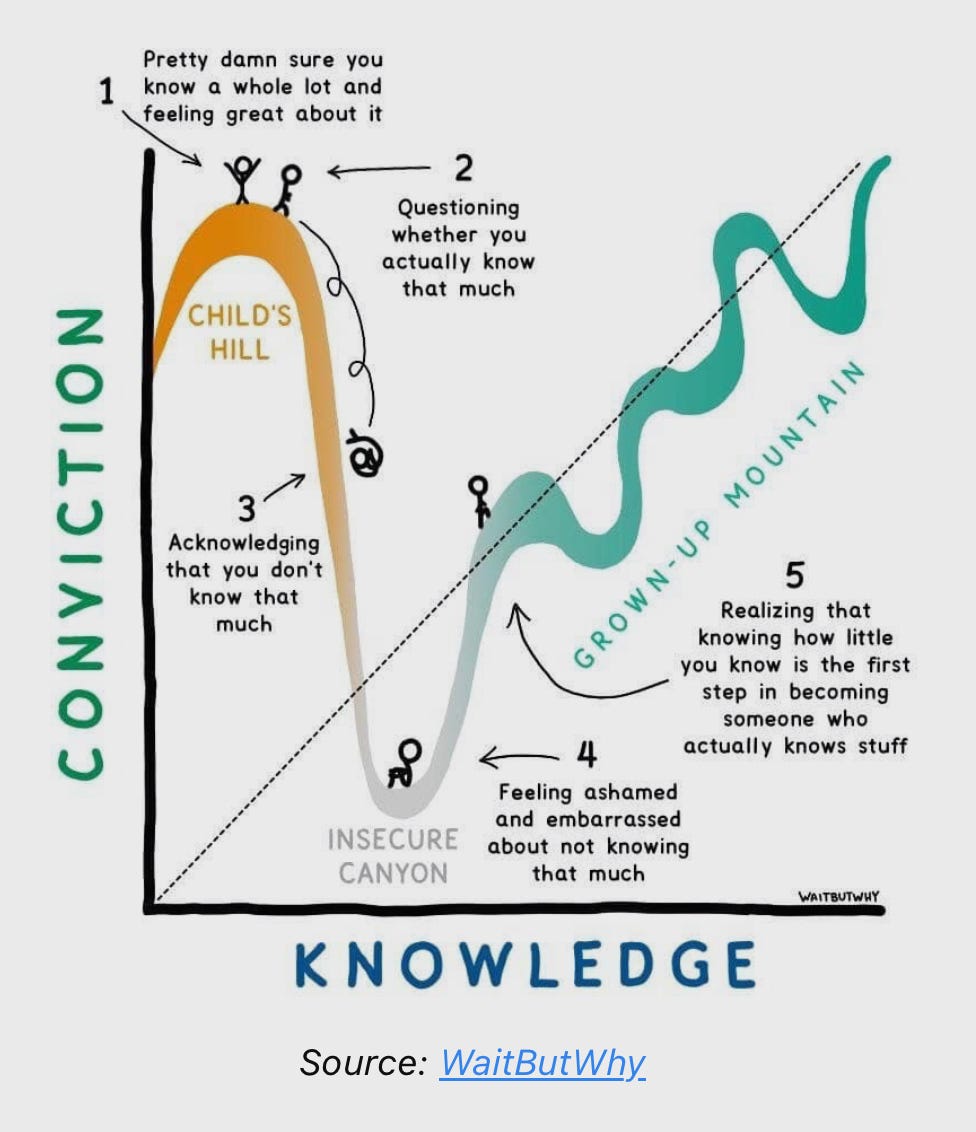
 Luckey’s ideas are gaining traction because:
-
Supply chains matter again
-
Geopolitics shape technology
-
Infrastructure is aging
-
Software alone can’t solve physical problems
The world is rediscovering that atoms matter as much as bits.
Critics Push Back—but the Results Speak

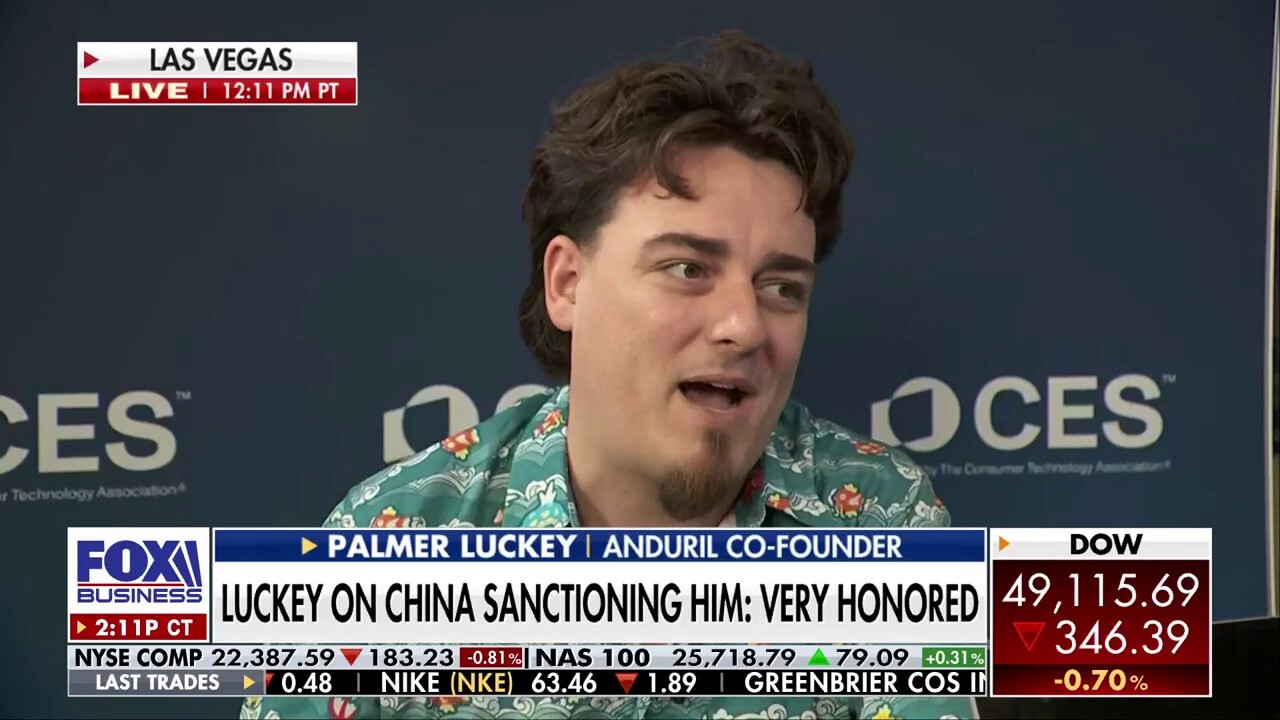
 Luckey remains a polarizing figure.
Critics argue:
-
Defense tech raises ethical concerns
-
Hardware is capital-intensive and risky
-
Software innovation shouldn’t be dismissed
But Anduril’s growth—and adoption by governments—suggests the market sees value in his approach.
What the Future Might Look Like If Luckey Is Right
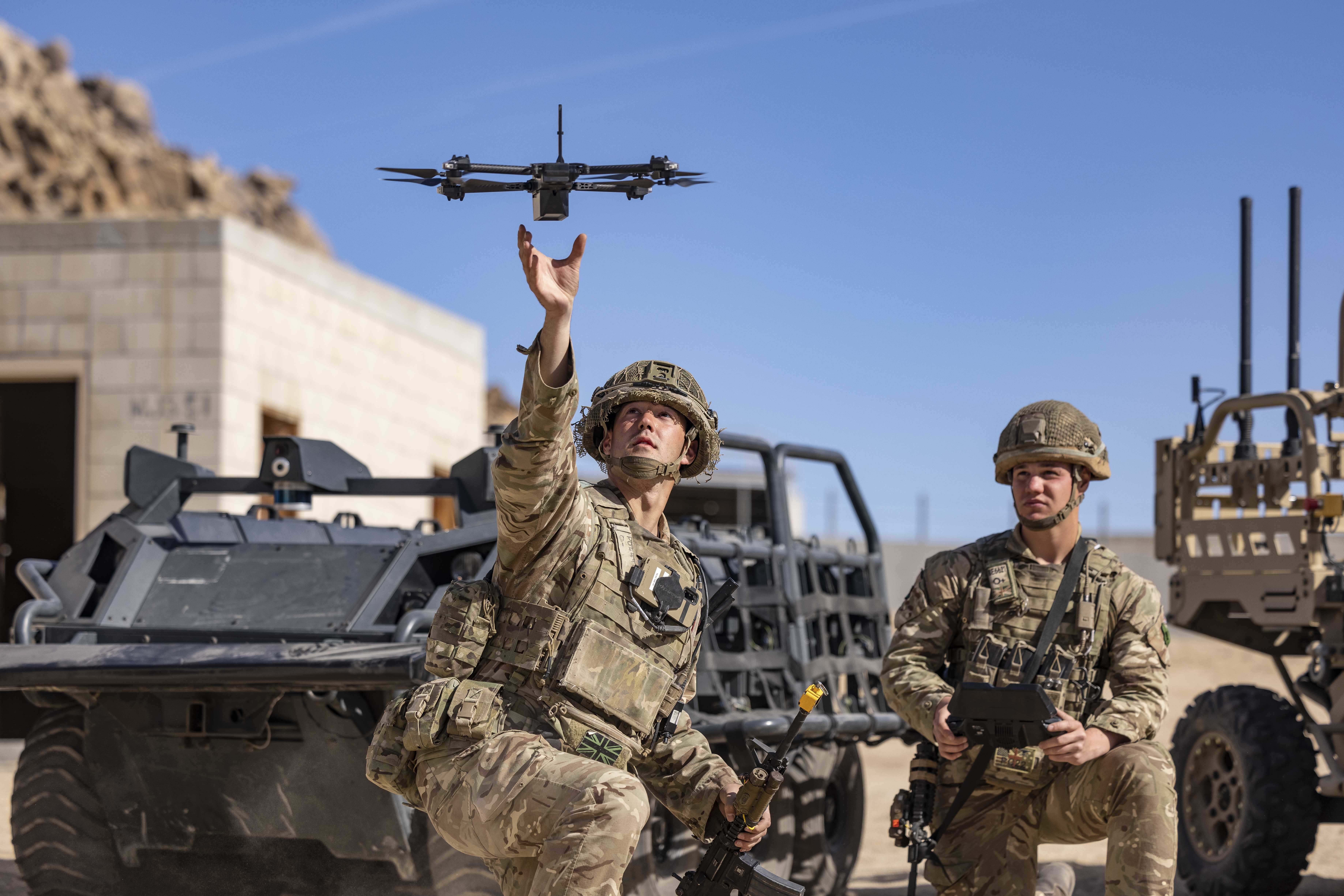
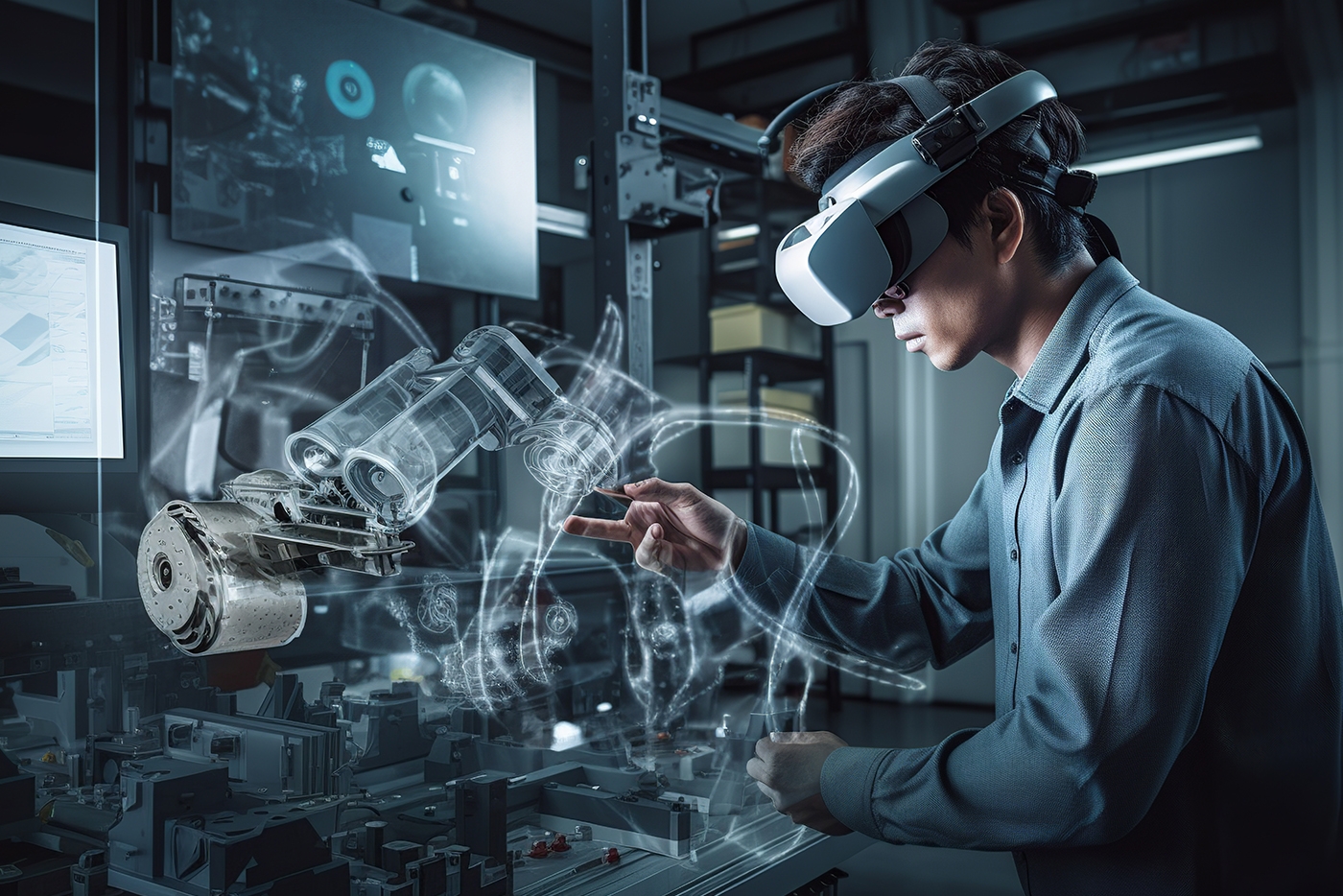 If Luckey’s philosophy spreads, the next tech wave may feature:
-
More hardware startups
-
Closer ties between engineering and manufacturing
-
Less reliance on abstract platforms
-
Technology grounded in physical reality
It wouldn’t look futuristic in a sci-fi sense—but it might work better.
Final Takeaway
Palmer Luckey’s message is uncomfortable—but compelling.
In a tech industry obsessed with the next big thing, he argues that progress comes from remembering what worked: fast iteration, real engineering, and technologies built for the real world.
Anduril’s success suggests he may be onto something.
The future of tech, it turns out, might not be about escaping the past—but learning from it.