
When Anthropic first introduced Claude, the company positioned it as a thoughtful, safety-focused alternative in the rapidly expanding AI landscape. Now, Anthropic is taking a major step toward mainstream workplace adoption with a new cowork tool that lets teams use Claude’s capabilities without writing a single line of code.
The message is clear: advanced AI is no longer just for developers. It’s for everyone who collaborates, plans, writes, analyzes, and decides.
What Is Anthropic’s New Cowork Tool?
Anthropic’s cowork tool is designed to embed Claude directly into collaborative workflows—think of it as an AI teammate rather than a coding assistant.
Instead of:
-
APIs
-
SDKs
-
Command-line tools
Users interact with Claude through plain language prompts inside a shared workspace. The goal is to let teams reason together with AI, not struggle to integrate it.
Claude Without Code: Why This Matters




For years, the most powerful AI tools required technical expertise. Anthropic’s approach removes that barrier entirely.
Key Advantages
-
No programming knowledge required
-
Shared AI context across teams
-
Faster adoption for non-technical roles
-
Lower friction for experimentation
This shift reflects a broader industry trend: AI moving from specialist tools into everyday work environments.
How the Cowork Tool Actually Works
At its core, the cowork tool:
-
Creates a shared workspace for teams
-
Allows multiple users to interact with Claude
-
Maintains context across conversations and documents
-
Enables AI-assisted collaboration in real time
Instead of isolated chats, Claude becomes a persistent participant in the team’s thinking process.
From Solo AI to Team AI
Traditional AI assistants are optimized for individuals. Anthropic’s cowork tool flips that model.
Claude can now:
-
Summarize group discussions
-
Track decisions across sessions
-
Help align team understanding
-
Surface inconsistencies or open questions
This makes Claude less like a chatbot—and more like a facilitator.
Who Is This Tool For?
The cowork tool is especially attractive to teams that rely heavily on knowledge work, including:
-
Product and design teams
-
Marketing and communications departments
-
Research and strategy groups
-
Operations and project management teams
In short, anyone whose work revolves around thinking, writing, and planning stands to benefit.
Real-World Use Cases
1. Strategy Planning
Teams can ask Claude to:
-
Compare options
-
Highlight risks
-
Summarize stakeholder input
All without exporting notes or re-explaining context.
2. Content Development
Marketing teams can:
-
Brainstorm campaigns
-
Refine messaging
-
Ensure tone consistency
Claude remembers previous drafts and decisions.
3. Meeting Intelligence
Instead of static notes, Claude can:
-
Capture action items
-
Clarify disagreements
-
Suggest next steps
Why Anthropic Is Betting on Collaboration
Anthropic has consistently emphasized alignment and safety in AI systems. A collaborative tool aligns perfectly with that philosophy.
By keeping AI embedded in shared spaces:
-
Decisions are more transparent
-
Context is less likely to be misused
-
AI outputs are easier to review collectively
This reduces the risk of AI being treated as an unquestionable authority.
How This Differs From Other AI Productivity Tools
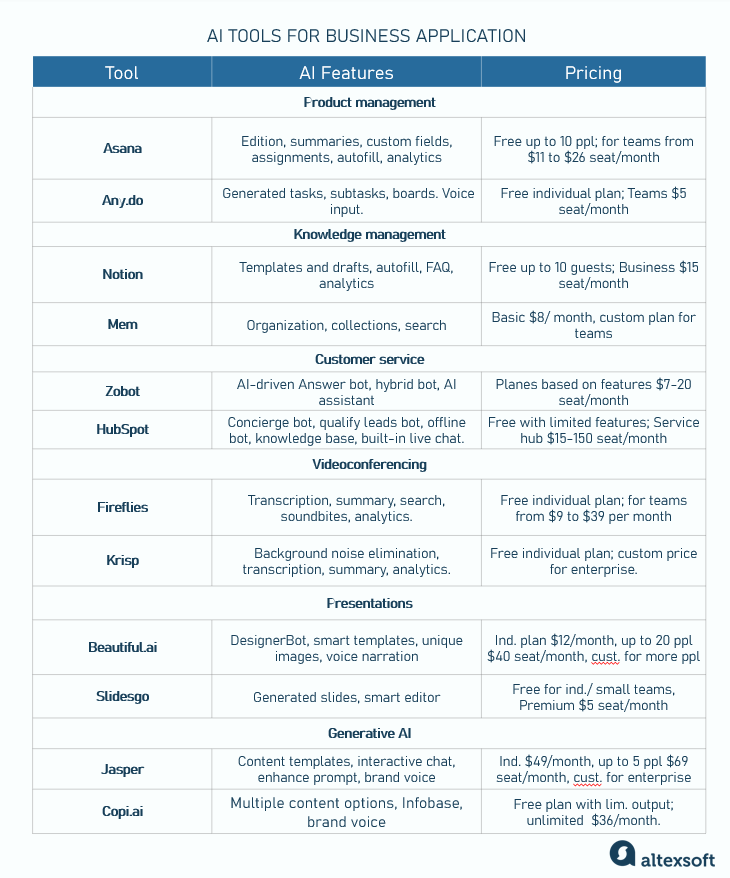

Many AI tools focus on:
-
Speed
-
Automation
-
Individual efficiency
Anthropic’s cowork tool focuses on:
-
Deliberation
-
Shared understanding
-
Collective intelligence
This distinction matters in environments where quality decisions matter more than raw output.
Claude’s Strength in Reasoning and Safety
Claude is known for:
-
Strong reasoning abilities
-
Nuanced language understanding
-
Guardrails around harmful outputs
These traits make it well-suited for collaborative settings, where AI responses must be reliable and explainable.
Lowering the Barrier to AI Adoption
One of the biggest obstacles to enterprise AI adoption isn’t cost—it’s complexity.
Anthropic’s no-code approach:
-
Reduces onboarding time
-
Minimizes IT involvement
-
Encourages organic experimentation
Teams can start using AI the same way they start using any new collaboration tool.
Implications for the Future of Work
The cowork tool hints at a larger shift:
AI is becoming a participant in teamwork, not just a background utility.
In the future, we may see:
-
AI that tracks organizational memory
-
AI that mediates disagreements
-
AI that supports ethical decision-making
Anthropic’s move is an early step in that direction.
Privacy and Trust Considerations
Anthropic has emphasized responsible AI development, and collaboration tools raise important questions:
-
Who owns the data?
-
How long is context retained?
-
Can teams control what Claude remembers?
Addressing these concerns will be critical for enterprise adoption.
How This Positions Anthropic in the AI Market
While competitors focus heavily on:
-
Developer ecosystems
-
Consumer chatbots
Anthropic is carving out a space in team-based AI reasoning.
This differentiation could make Claude especially appealing to:
-
Enterprises
-
Regulated industries
-
Organizations prioritizing thoughtful AI use
Potential Challenges Ahead
Despite its promise, the cowork tool faces challenges:
Adoption Habits
Teams must learn to treat AI as a collaborator, not a shortcut.
Overreliance Risks
Anthropic will need to ensure users remain critical thinkers.
Integration Expectations
Organizations may want deeper integration with existing tools.
What Comes Next for Claude
Anthropic’s cowork tool is likely just the beginning. Future enhancements could include:
-
Deeper document integration
-
Role-based AI behaviors
-
Long-term organizational memory
Each step would further embed AI into daily work.
Why This Launch Matters
Anthropic’s new cowork tool represents a subtle but powerful shift in AI’s role:
-
From tool to teammate
-
From technical to accessible
-
From individual to collective
It’s a vision of AI that emphasizes collaboration over automation.
Final Thoughts
By offering Claude’s intelligence without the need for code, Anthropic is opening AI to a much wider audience. The cowork tool doesn’t just make work faster—it aims to make work smarter, more aligned, and more human.
In a world increasingly shaped by artificial intelligence, Anthropic is betting that the future belongs not to lone users talking to machines—but to teams thinking alongside them.