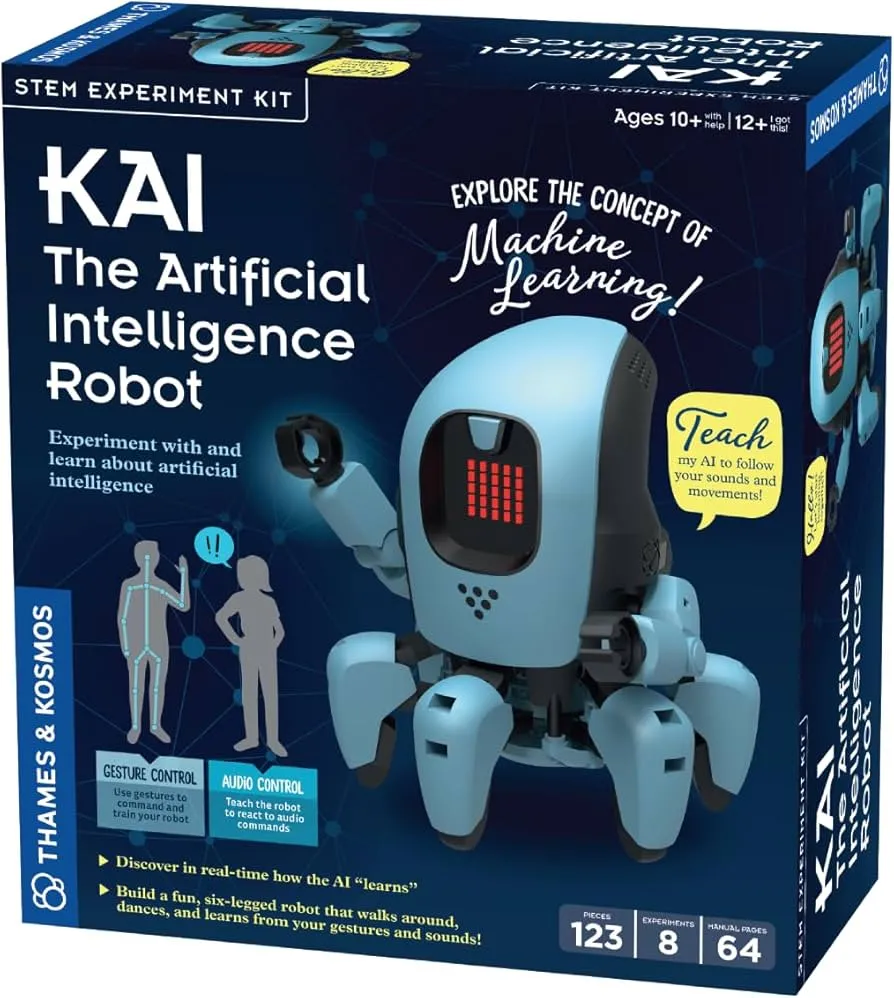
Introduction: When Smart Toys Raise Hard Questions
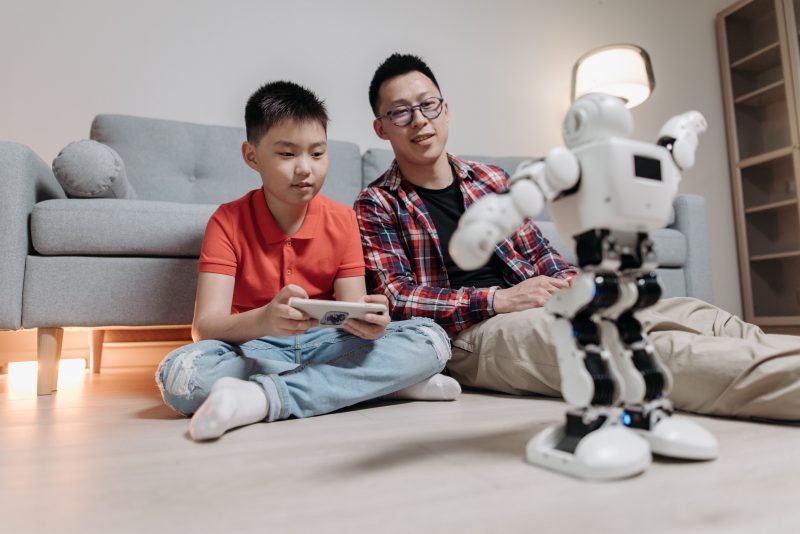
Artificial intelligence is increasingly woven into everyday life—from smartphones and home assistants to education tools and entertainment. But when AI enters children’s playrooms, the conversation changes.
In early 2026, a California lawmaker introduced a proposal that could significantly reshape the toy and AI industries: a four-year ban on AI chatbots embedded in children’s toys. The move reflects growing concern about how conversational AI interacts with minors, what data it collects, and whether young users can meaningfully understand or consent to those interactions.
Supporters say the proposal prioritizes child safety and developmental well-being. Critics warn it could stifle innovation and overregulate emerging technology. Either way, the bill has sparked a national conversation about where—if anywhere—AI should be off-limits.

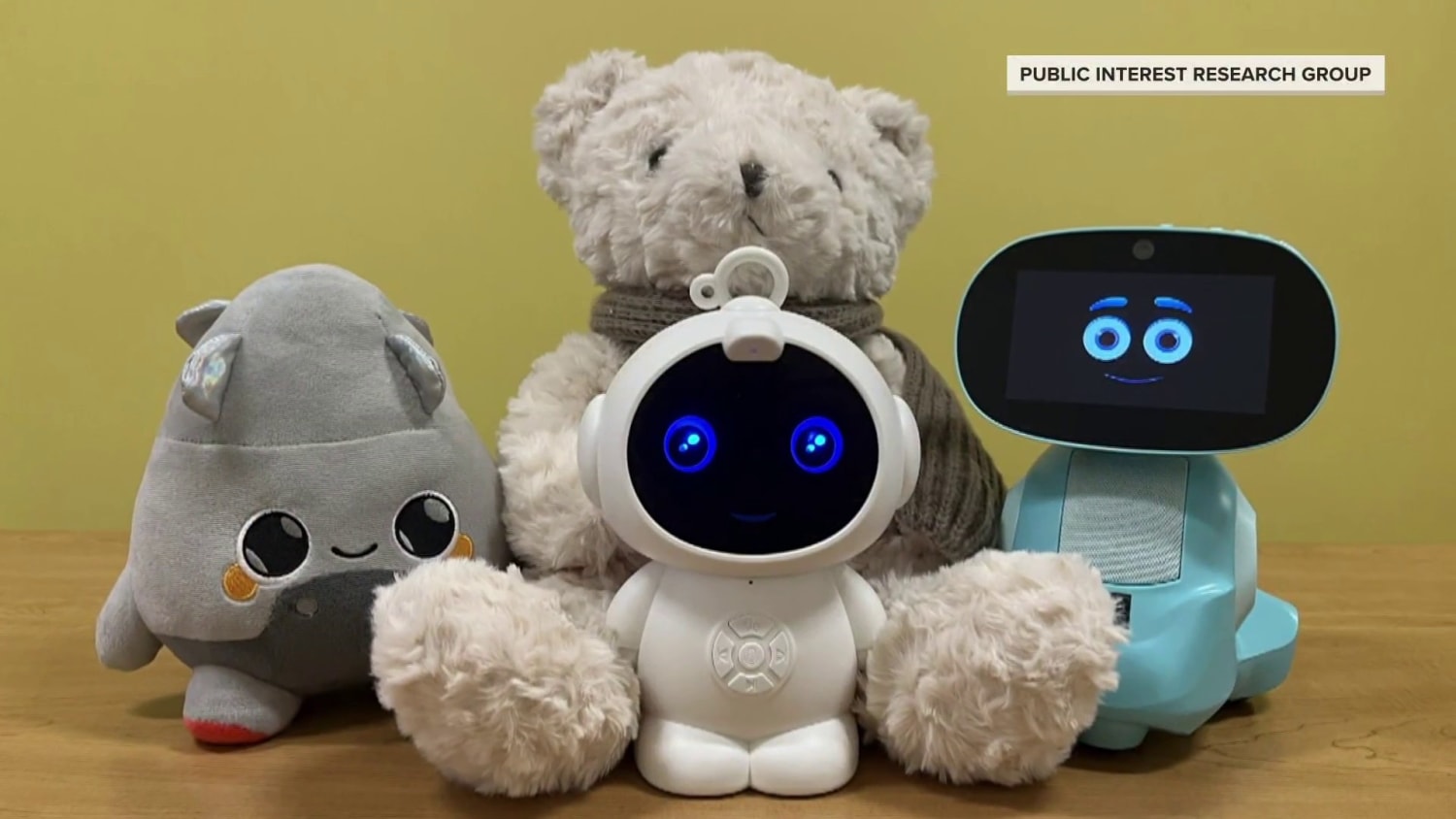


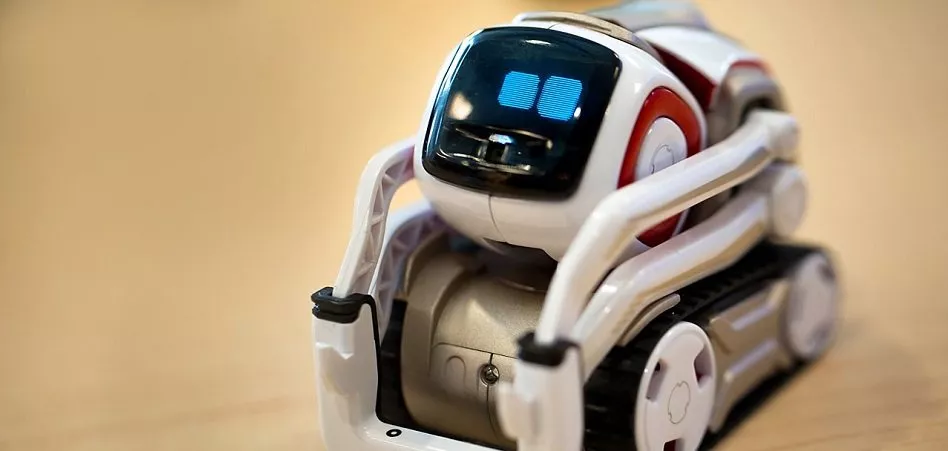

What the Proposed Ban Would Do
A Temporary Pause, Not a Permanent Prohibition
The proposal calls for a four-year moratorium on the sale of children’s toys that include AI-powered chatbot features. Importantly, it is not framed as a permanent ban. Instead, lawmakers describe it as a pause—time to study impacts, set standards, and avoid unintended harm while regulation catches up with innovation.
Key elements of the proposal include:
-
Restricting toys that use conversational AI designed to interact freely with children
-
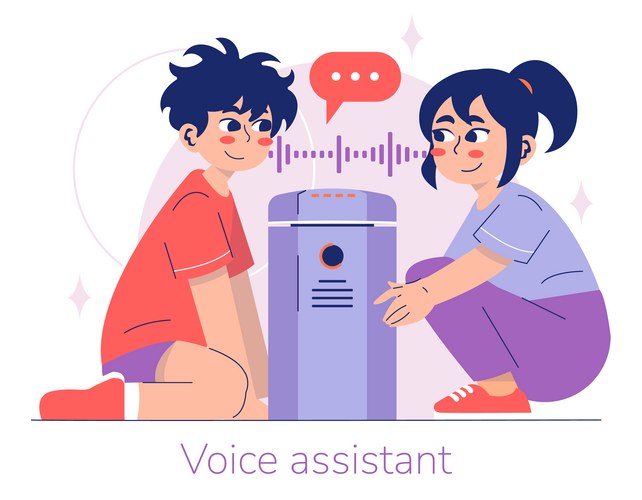
Allowing non-conversational “smart” features, such as simple voice commands or preset responses
-
Creating space for regulators to develop child-specific AI safeguards
The focus is narrow but intentional: conversational systems that can adapt, learn, and respond dynamically to a child’s speech.
Why AI Chatbots in Toys Are Different
Not Just Another Smart Feature
Smart toys are not new. Talking dolls, interactive pets, and voice-activated games have existed for years. What makes AI chatbots different is their open-ended nature.
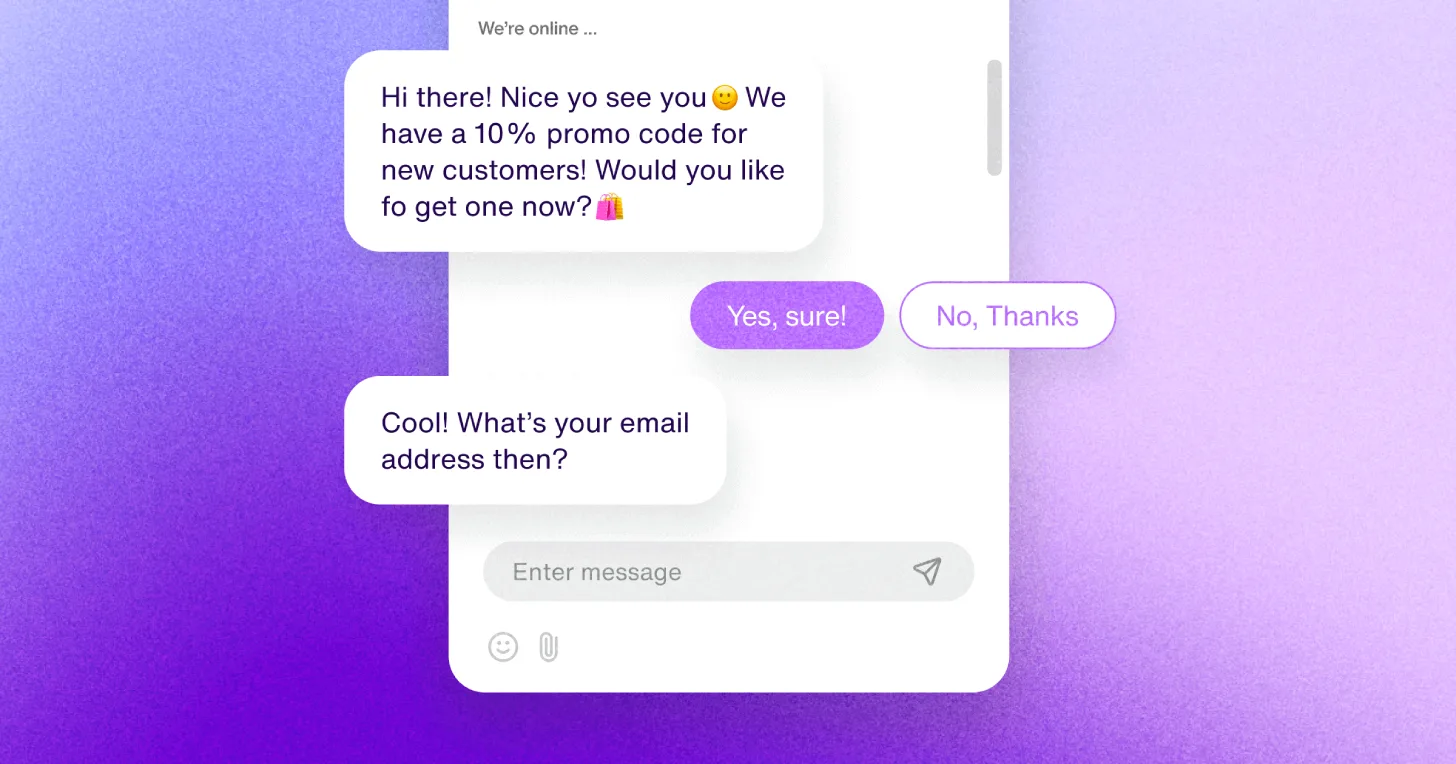
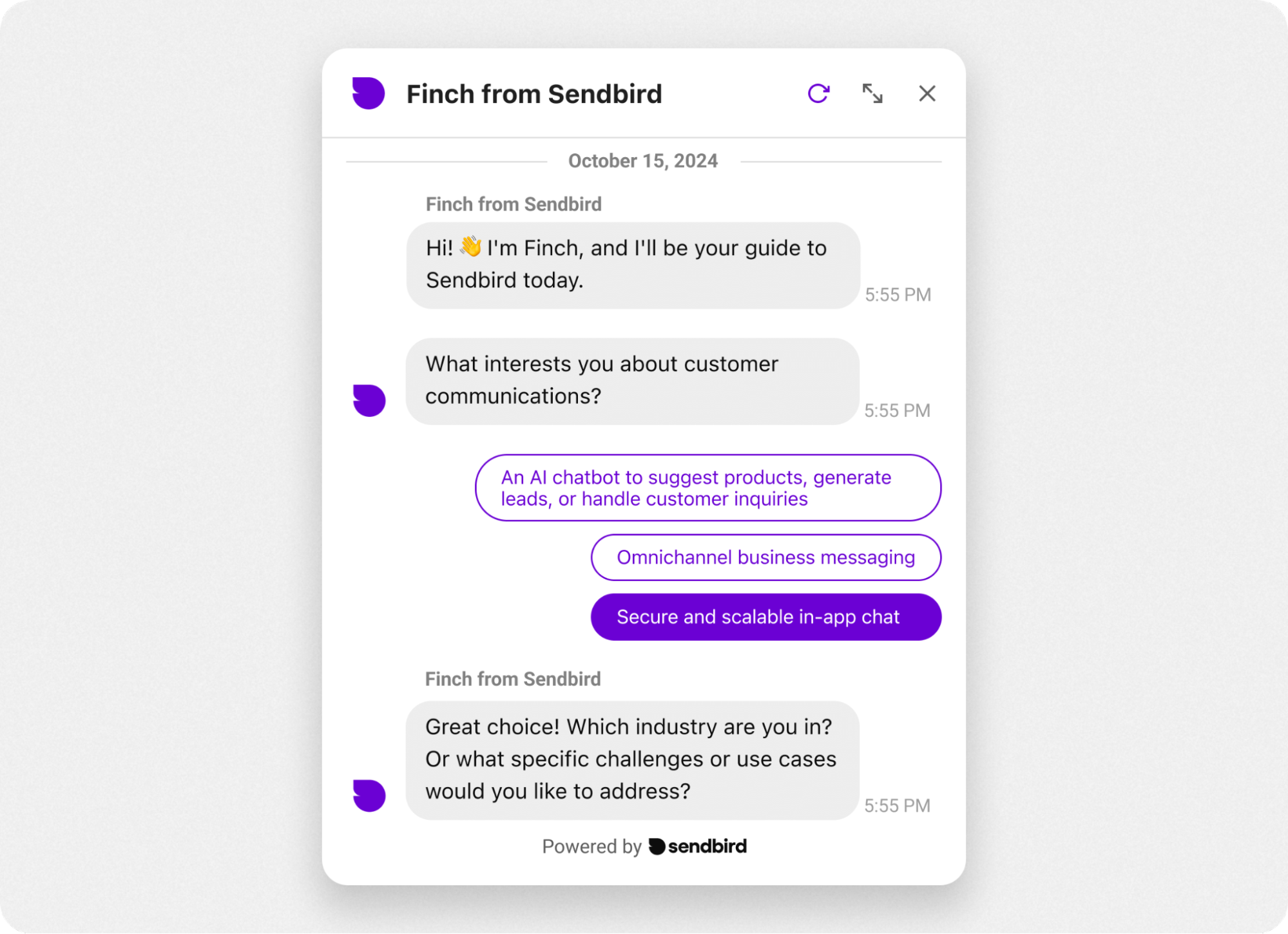
Unlike scripted toys, AI chatbots can:
-
Hold extended conversations
-
Ask follow-up questions
-
Generate unpredictable responses
-
Collect and process large amounts of data
For adults, these features are often framed as helpful or entertaining. For children, lawmakers argue, they introduce risks that are harder to manage.

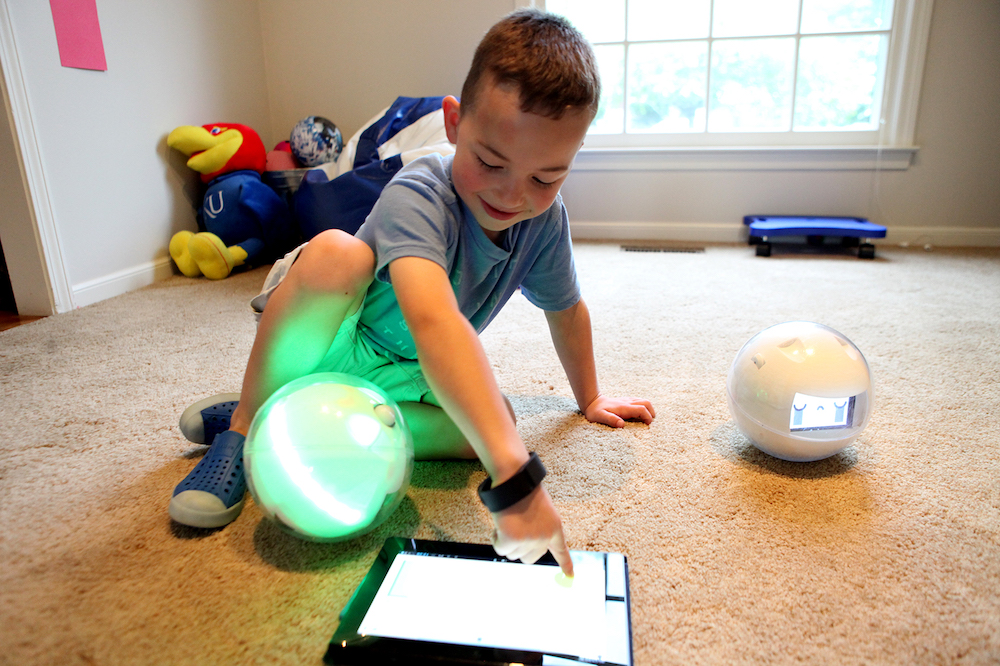

Concerns Driving the Proposal
Child Development and Emotional Attachment
One major concern is emotional dependency. Researchers and child advocates warn that young children may form attachments to AI characters they perceive as friends or authority figures.
Potential issues include:
-
Confusion between human and artificial relationships
-
Overreliance on a toy for emotional validation
-
Difficulty distinguishing fiction from reality
Lawmakers backing the proposal argue that children are uniquely vulnerable to persuasive and adaptive technologies.
Data Privacy and Surveillance
Another central issue is data. AI chatbots often rely on:
-
Voice recordings
-
Behavioral patterns
-
Contextual memory
When the user is a child, data collection raises heightened privacy concerns. Even when companies claim data is anonymized or protected, critics argue that safeguards are inconsistent and enforcement is limited.
California’s Role as a Tech Policy Leader
Why This Proposal Matters Beyond One State
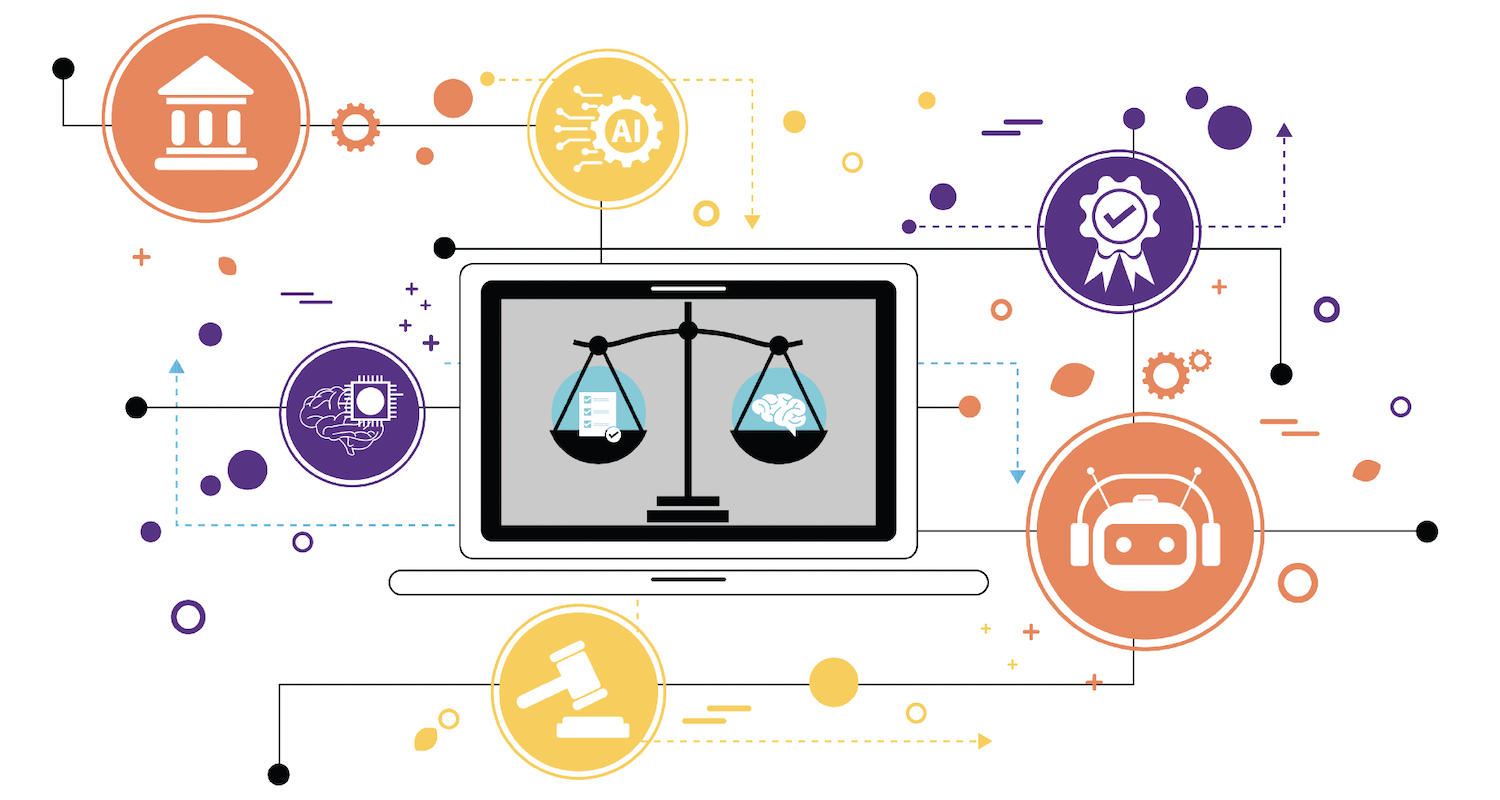
California has long been a bellwether for technology regulation. Laws passed there often influence national standards, especially in areas like privacy and consumer protection.
By advancing a bill focused specifically on AI and children, California is signaling that:
-
Existing tech regulations may not adequately cover AI behavior
-
Child-focused protections need tailored rules
-
Waiting for federal action may take too long
If adopted, similar proposals could quickly appear in other states.


How the Toy and Tech Industries Are Responding
Industry Pushback and Innovation Concerns
Toy manufacturers and AI developers have expressed reservations. Some argue that:
-
The proposal paints all AI chatbots with the same brush
-
Innovation in educational and accessibility tools could be slowed
-
Existing child safety laws already address many concerns
Industry groups warn that overly broad restrictions may discourage responsible innovation rather than target bad actors.
Quiet Agreement on Guardrails
At the same time, some companies privately acknowledge that clearer rules could be beneficial. A temporary ban could:
-
Clarify expectations
-
Reduce legal uncertainty
-
Encourage safer design principles
In this sense, regulation and innovation are not necessarily opposites.
What Counts as an “AI Chatbot” Under the Proposal?
Drawing the Line
One challenge lawmakers face is definition. Not all interactive toys use the same technology.
Under the proposal, AI chatbots are generally defined as systems that:
-
Generate responses dynamically rather than from a fixed script
-
Learn from interactions over time
-
Simulate conversation beyond simple commands
Toys that rely on limited, pre-programmed responses may remain legal—highlighting how nuanced enforcement will need to be.
Supporters’ Perspective: A Precautionary Approach
“Better Safe Than Sorry”
Advocates for the ban frame it as a precautionary measure, not a rejection of AI. They argue that children deserve stronger protections while society learns how conversational AI affects behavior, learning, and emotional development.
From this perspective, four years is a reasonable window to:
-
Conduct independent research
-
Establish ethical standards
-
Develop age-appropriate AI frameworks



Critics’ Perspective: Risk of Overregulation
Could the Ban Go Too Far?
Opponents caution that the proposal may unintentionally:
-
Limit beneficial educational tools
-
Reduce access to adaptive learning technologies
-
Push innovation to less-regulated markets
Some also worry about enforcement complexity and whether the law can keep pace with rapidly evolving AI models.
How This Fits Into the Global AI Debate
Children as a Special Case
Internationally, children are increasingly treated as a protected group in AI policy discussions. Several countries and organizations have proposed or adopted child-specific AI guidelines, especially around:
-
Data minimization
-
Transparency
-
Age-appropriate design
California’s proposal aligns with this broader trend, emphasizing that one-size-fits-all AI rules may be insufficient.
What Happens Next?
Legislative Uncertainty
The proposal still faces debate, amendments, and potential opposition before it can become law. Key questions remain:
-
How strictly will AI chatbots be defined?
-
Will exemptions be added for educational uses?
-
Can enforcement keep up with technical nuance?
Regardless of the outcome, the bill has already influenced how companies and policymakers think about AI and children.




Conclusion: A Defining Moment for AI and Childhood
The proposed four-year ban on AI chatbots in kids’ toys is about more than toys. It reflects a deeper question society is only beginning to confront: How much autonomy, influence, and presence should artificial intelligence have in children’s lives?
California’s move suggests a growing willingness to slow down deployment in favor of understanding consequences. Whether the proposal becomes law or not, it has already set a precedent—challenging the assumption that innovation should always move faster than regulation.
As AI continues to enter increasingly intimate spaces, the debate sparked by this proposal may shape the future of child-focused technology far beyond California.