Artificial intelligence is rapidly reshaping modern medicine—but not in the way many Silicon Valley startups originally imagined.
While physicians increasingly embrace AI as a powerful ally in healthcare, many are drawing a firm line: AI may belong in hospitals and clinics, but not necessarily as a patient-facing chatbot. According to doctors and healthcare experts, the future of medical AI lies behind the scenes—enhancing clinical decisions, reducing burnout, and improving patient outcomes—rather than replacing human conversations at the bedside.
This growing consensus reflects a deeper understanding of what healthcare truly needs from artificial intelligence—and where the technology still falls short.
Why Doctors Are Cautious About AI Chatbots
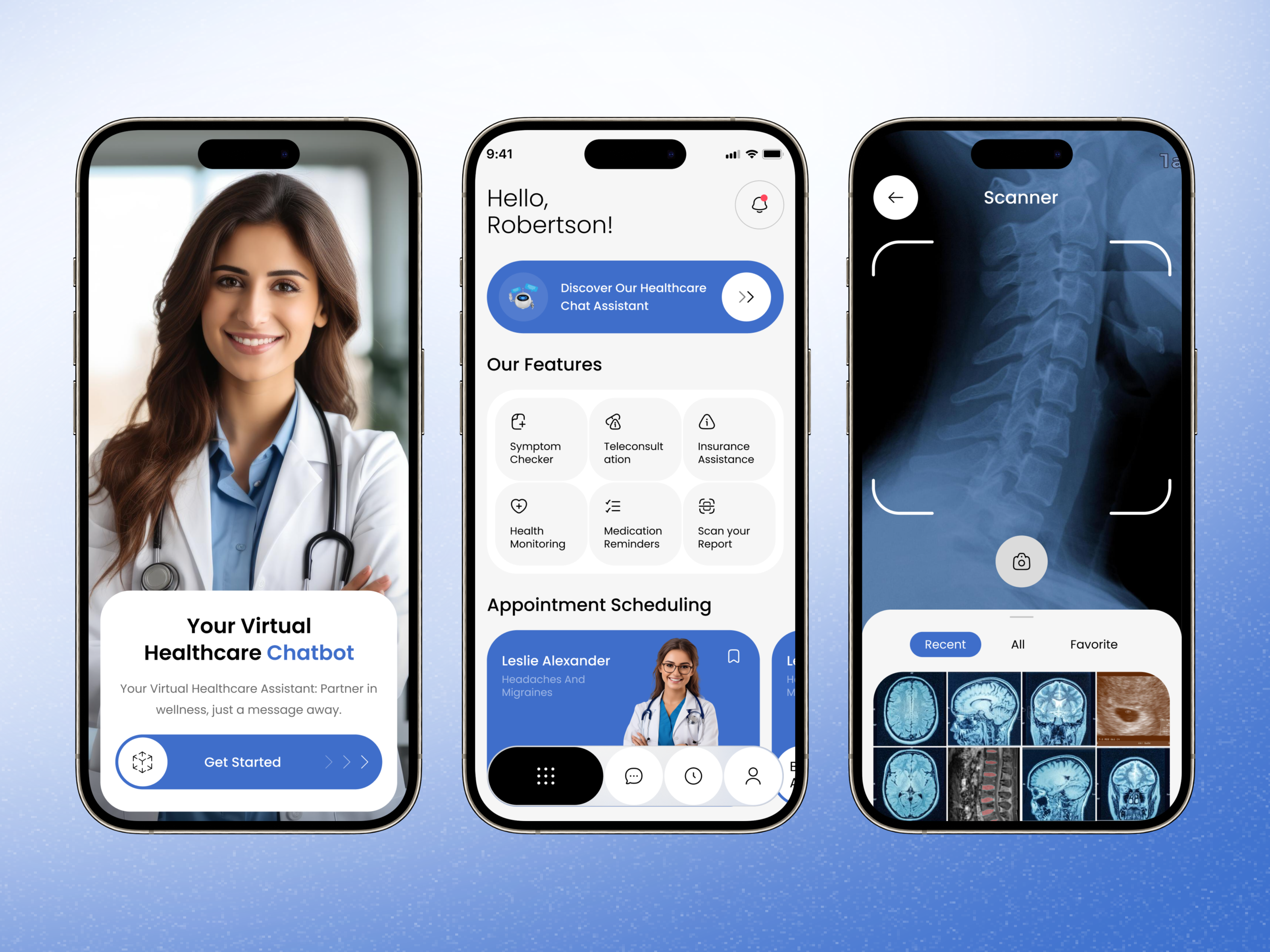
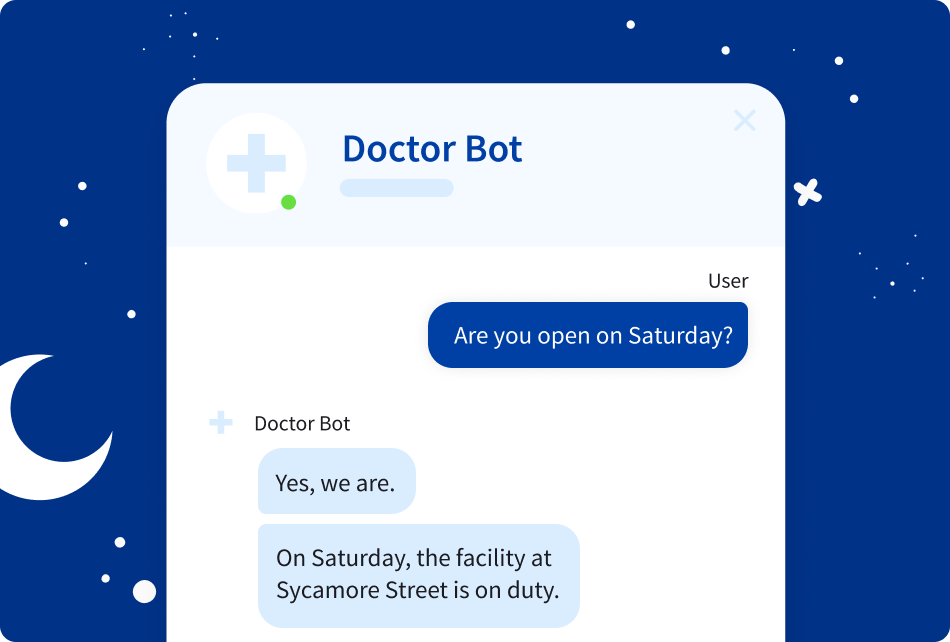

In recent years, AI chatbots have been pitched as virtual doctors, triage nurses, and even mental health counselors. While the idea sounds efficient, many clinicians see significant risks.
1. Medicine Is Not Just Information
Doctors emphasize that healthcare is not simply about delivering facts. It involves:
-
Emotional intelligence
-
Nuanced judgment
-
Ethical responsibility
-
Trust built through human interaction
A chatbot, no matter how advanced, struggles to replicate empathy or contextual understanding—especially when patients are scared, confused, or vulnerable.
The Risk of Misinterpretation
Even small misunderstandings in medicine can have serious consequences.
Doctors worry that:
-
Patients may misread chatbot advice
-
Symptoms could be oversimplified
-
AI may miss subtle warning signs
Unlike a physician, a chatbot cannot physically examine a patient, notice nonverbal cues, or adapt its questioning in real time based on lived experience.
Where Doctors Say AI Does Belong in Healthcare
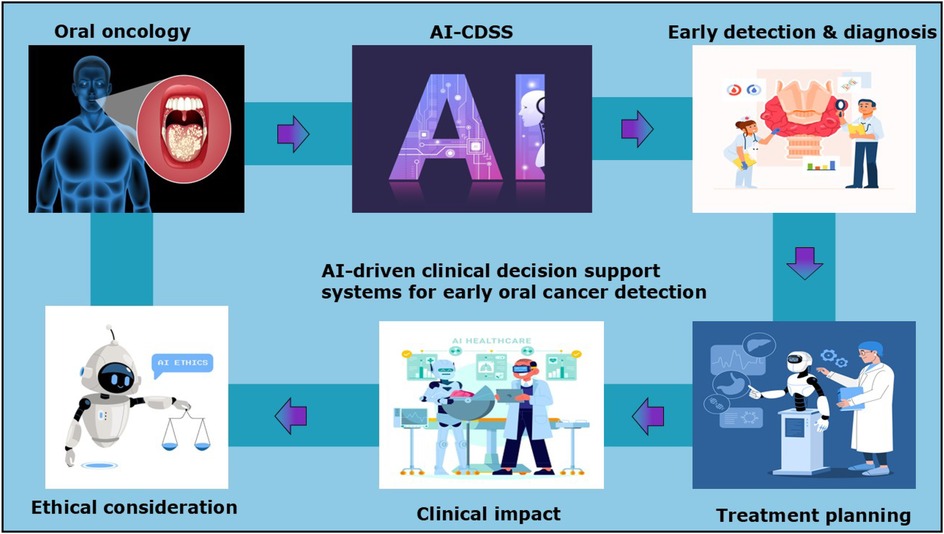
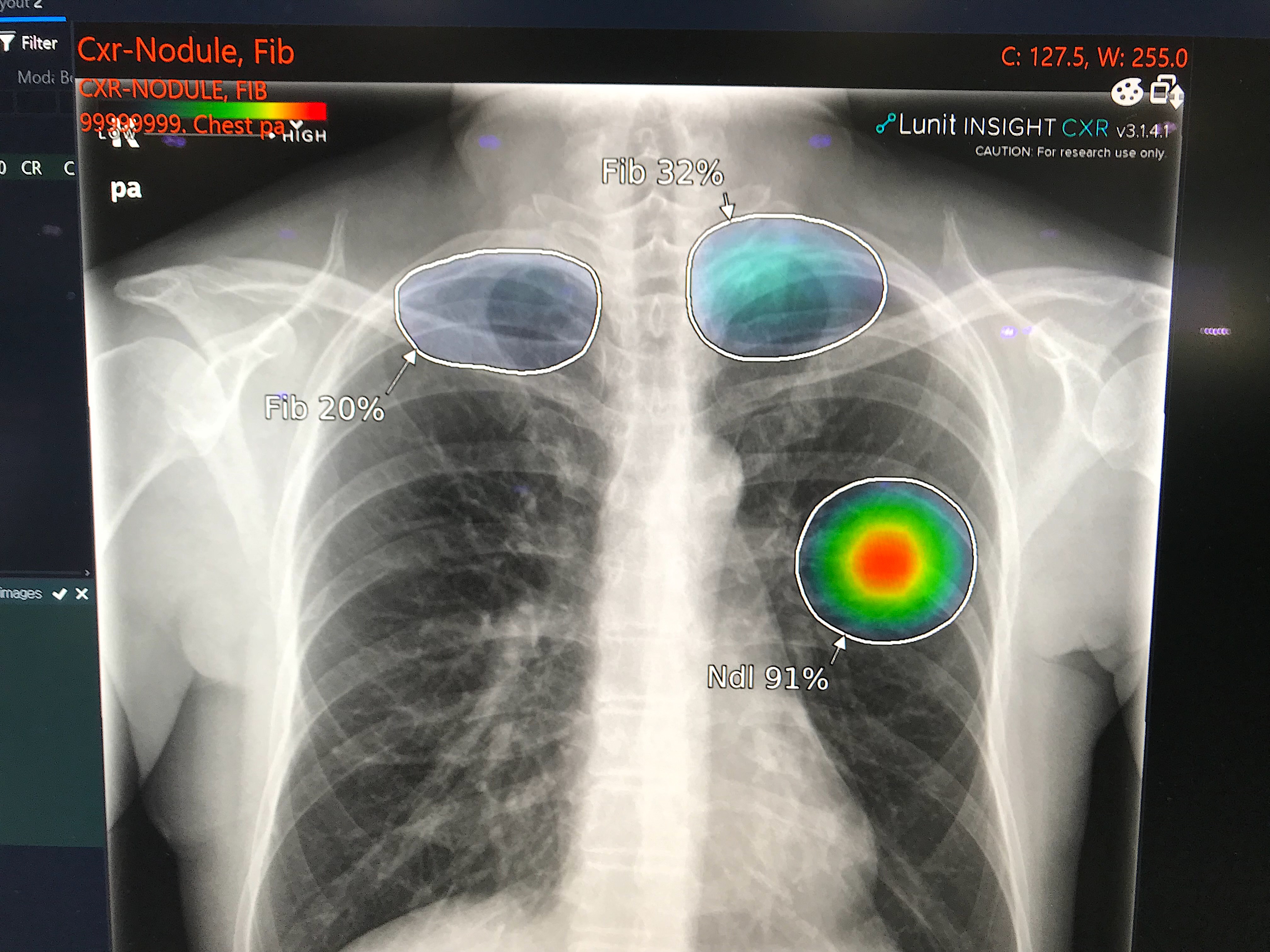

While chatbots raise concerns, doctors are far more enthusiastic about AI in other areas of medicine.
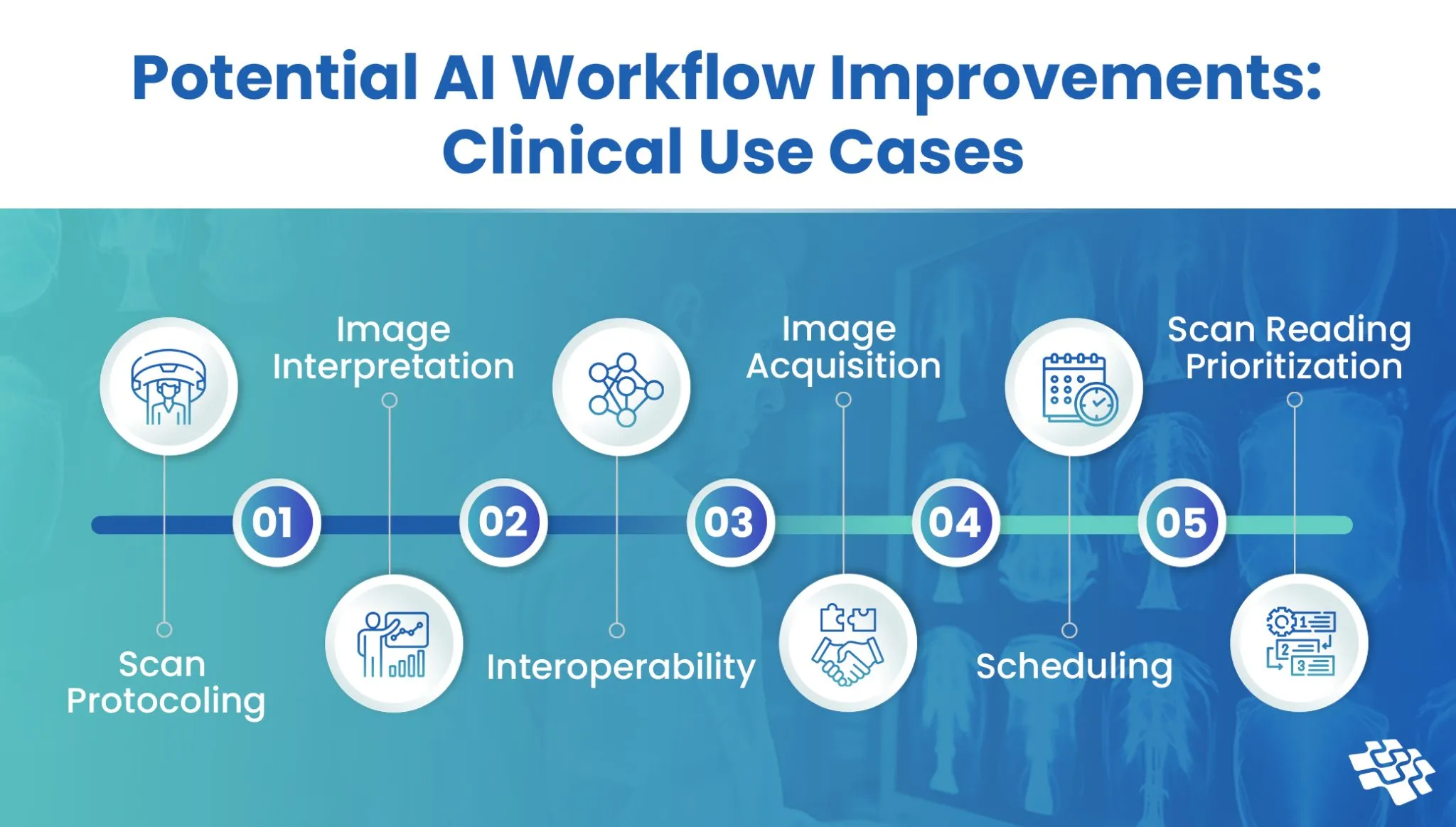
1. Clinical Decision Support
AI systems can:
-
Analyze large datasets quickly
-
Flag potential diagnoses
-
Suggest treatment pathways
-
Reduce diagnostic errors
Used correctly, these tools act as a second set of eyes—supporting doctors rather than replacing them.
AI in Medical Imaging and Diagnostics
One of the most promising applications of AI is in imaging.
AI can:
-
Detect tumors in scans
-
Identify early signs of disease
-
Compare millions of images instantly
Radiologists note that AI excels at pattern recognition, helping catch issues that human eyes might miss during long shifts.
Reducing Administrative Burnout


Physician burnout is a growing crisis. Doctors spend hours on:
-
Documentation
-
Insurance forms
-
Electronic health records
AI tools can automate:
-
Clinical notes
-
Coding and billing
-
Scheduling and follow-ups
This frees doctors to focus on what matters most: patient care.
Why Chatbots Struggle in Real Clinical Settings
Healthcare Is High-Stakes
Unlike customer service or online shopping, medical advice can be life-altering. Doctors argue that:
-
AI hallucinations are unacceptable
-
Overconfidence in AI answers is dangerous
-
Patients may delay care after chatbot reassurance
Liability Remains Unclear
If a chatbot gives harmful advice:
-
Who is responsible?
-
The hospital?
-
The software company?
-
The physician?
Until these questions are resolved, widespread chatbot use remains risky.
The Importance of Human Oversight


Doctors consistently stress one principle: AI should augment human judgment, not replace it.
The most successful implementations:
-
Keep clinicians in control
-
Provide explainable recommendations
-
Allow doctors to override AI decisions
This partnership model builds trust and improves safety.
Patient Trust and the Human Connection
Healthcare relies heavily on trust. Many patients want:
-
Reassurance from a real person
-
The ability to ask follow-up questions
-
Compassion during difficult diagnoses
Doctors fear that over-reliance on chatbots could erode that trust—especially among older patients or those with complex conditions.
AI as an Invisible Assistant, Not a Digital Doctor
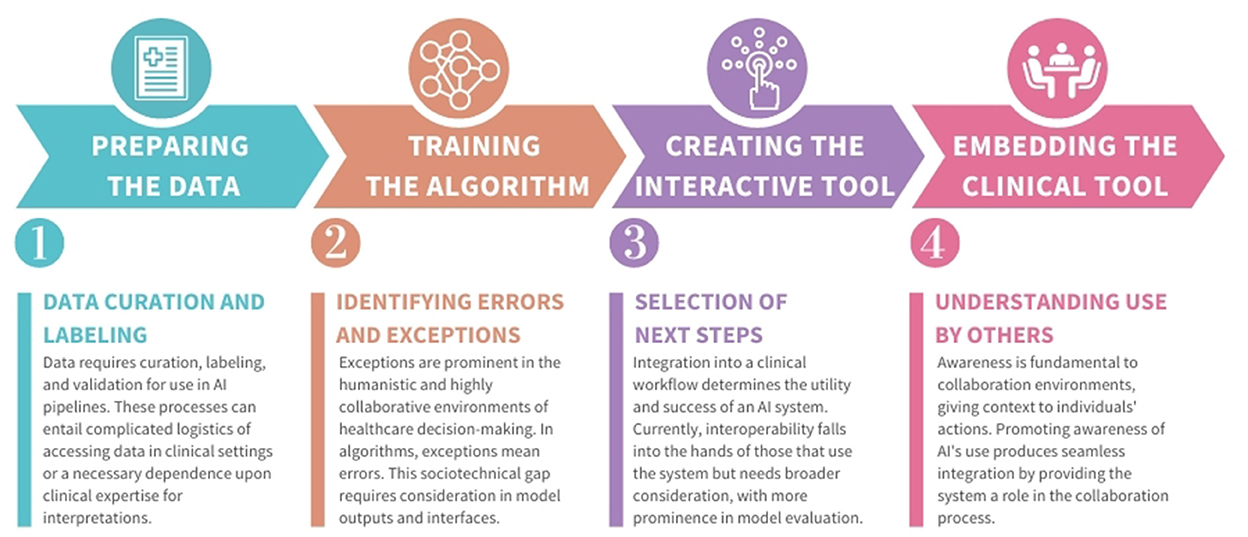


The future many doctors envision is not one where AI talks to patients directly—but one where it quietly powers the healthcare system behind the scenes.
Examples include:
-
Predicting patient deterioration
-
Optimizing hospital staffing
-
Preventing medication errors
-
Improving population health analysis
In these roles, AI delivers immense value without replacing human interaction.
Ethical and Equity Considerations
Doctors also raise concerns about:
-
Bias in training data
-
Unequal access to AI-powered care
-
Overreliance on algorithms trained on limited populations
Responsible deployment requires:
-
Rigorous testing
-
Diverse datasets
-
Continuous monitoring
What Patients Should Know About Medical AI
Patients are encouraged to:
-
Ask how AI is used in their care
-
Treat chatbot advice as informational—not diagnostic
-
Consult a healthcare professional for medical decisions
Transparency helps maintain trust and safety.
Regulation Is Catching Up—Slowly


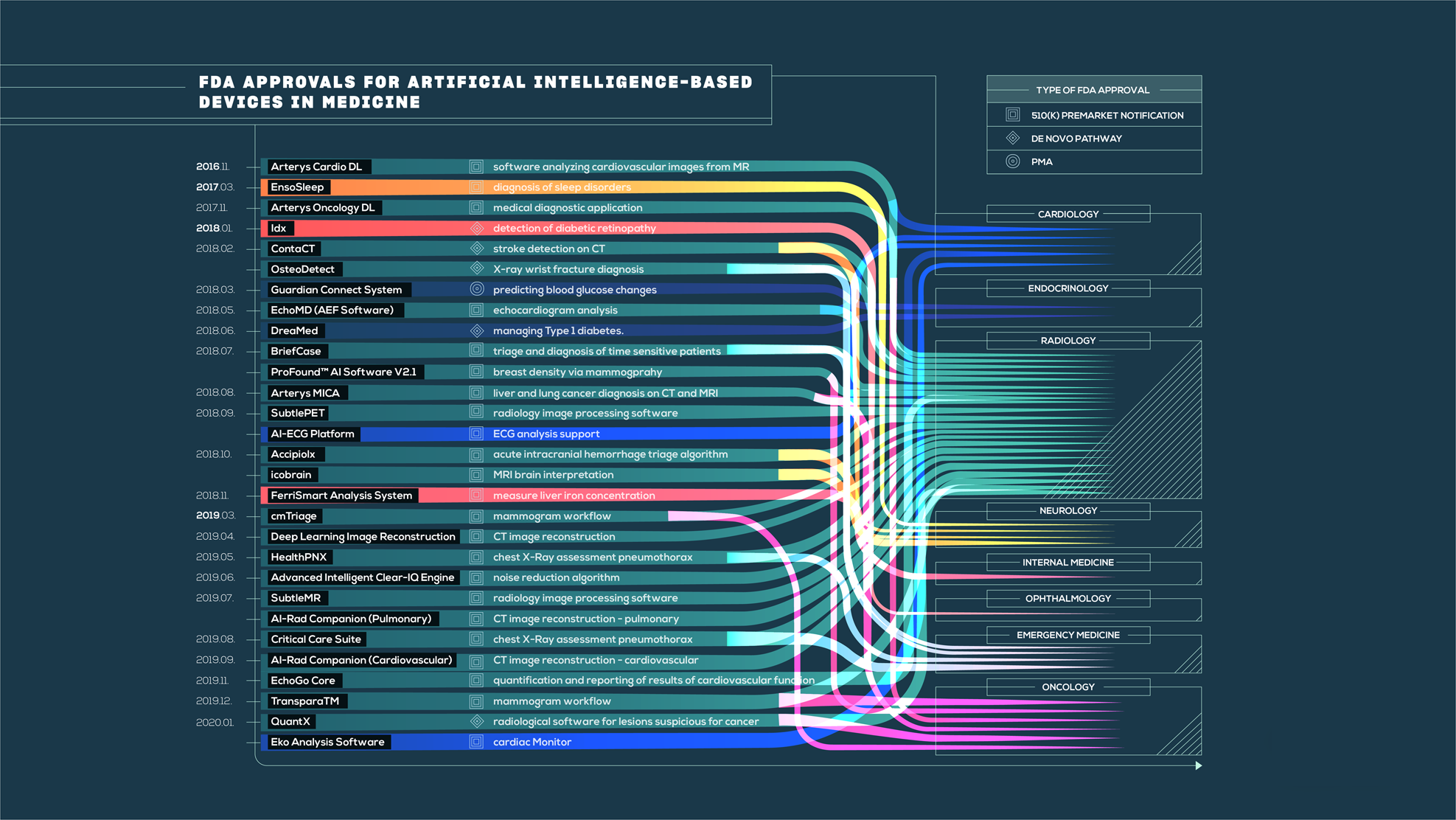
Regulators are beginning to address AI in medicine, but challenges remain:
-
AI evolves faster than policy
-
Standards vary globally
-
Approval processes are complex
Doctors advocate for cautious, evidence-based adoption rather than rapid rollout.
The Long-Term Vision: Smarter, More Human Care
Ironically, doctors believe AI could make healthcare more human—not less.
By:
-
Reducing paperwork
-
Improving accuracy
-
Supporting overwhelmed clinicians
AI may give doctors back the time and energy needed for empathy and connection.
Final Thoughts: The Right Tool for the Right Job
Doctors are not rejecting AI. They are redefining its role.
Chatbots may work well in many industries—but medicine demands nuance, accountability, and compassion. For now, most physicians agree: AI’s greatest impact in healthcare will come not from talking to patients, but from empowering the people who do.
The future of medicine isn’t artificial or human—it’s a careful collaboration of both.